Antique & Vintage Necklaces & Pendants
Vintage necklaces and antique necklaces from the Victorian period to the late twentieth century: diamond and gem-set pendants, gold collars and chains, Albert chains now worn as necklaces, pearl strands, Victorian lockets and signed designs by Bulgari and Cartier. The antique pendant necklace is one of the most versatile jewels in any collection, as right with a white shirt as with evening dress. See our antique gold necklaces or Victorian lockets and necklaces.
5.0 by our buyers on Google · 4,000+ customers
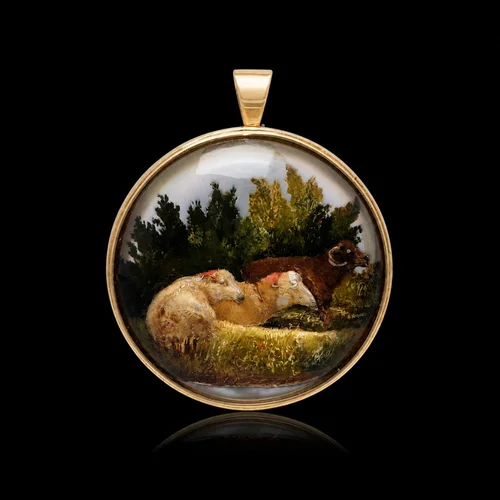
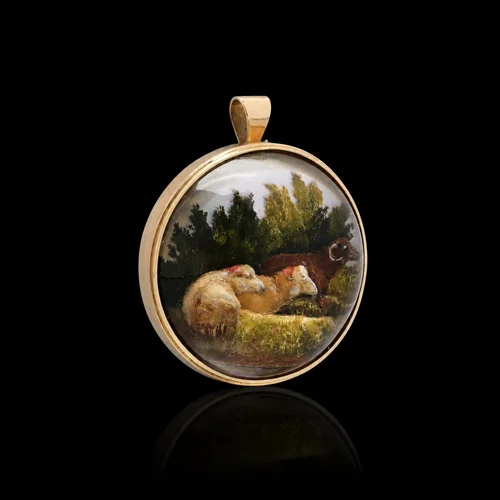 9KT Gold Essex Crystal Pendant with Two Ewes and a Ram£4,850
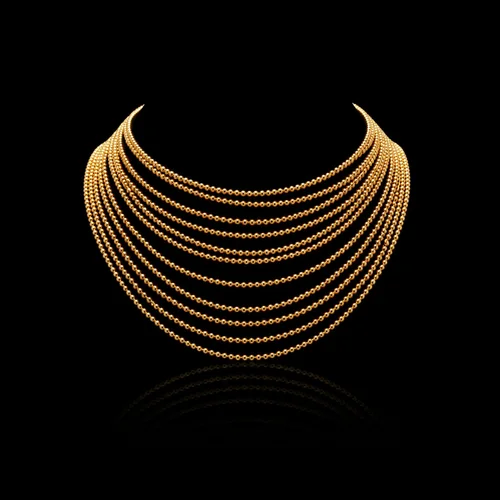
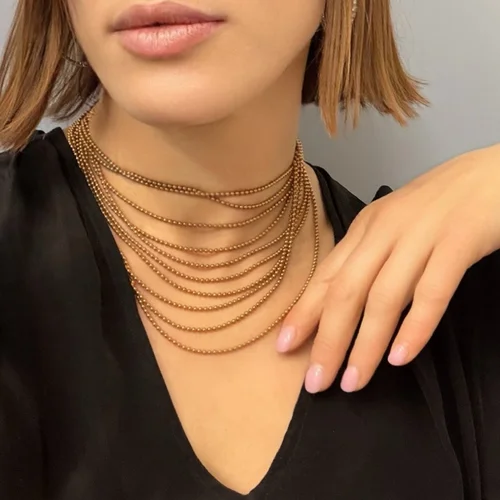 Cartier Draperie 18KT Gold Necklace, Original Box and Invoice£19,850
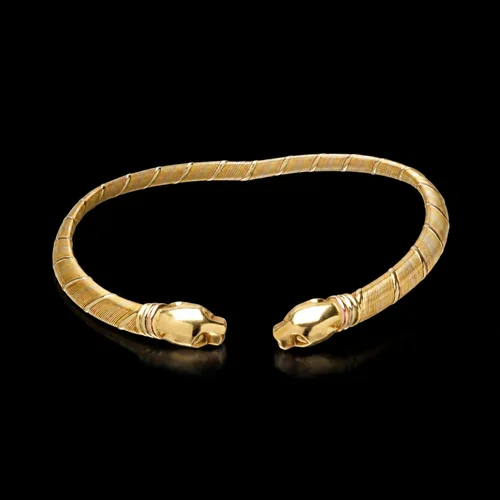
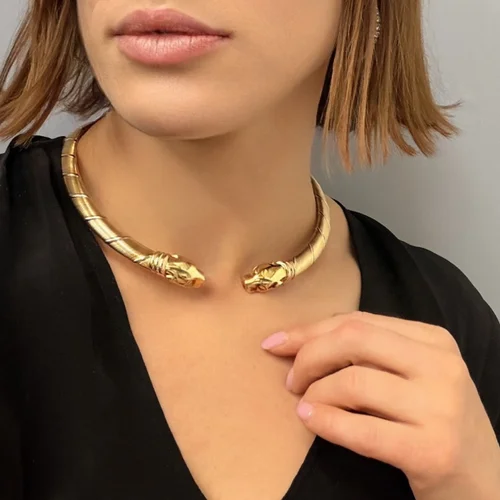 Cartier Panthère 18KT Tri-Colour Gold Choker Necklace, Original Box£24,850
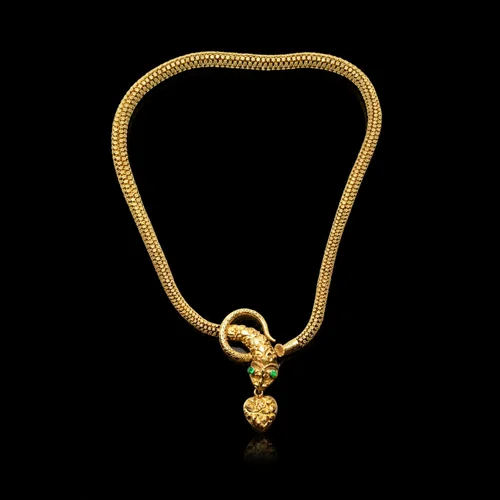
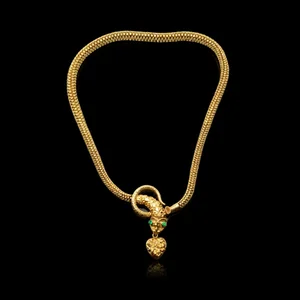
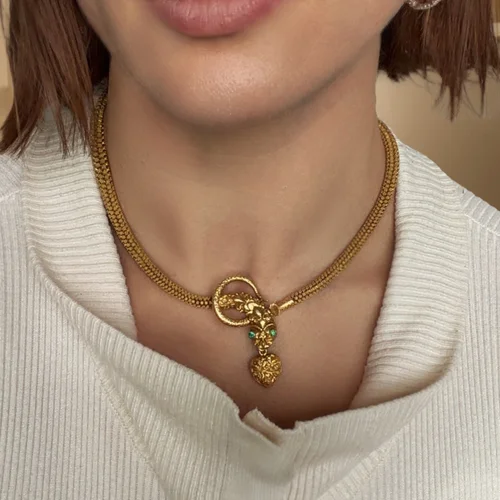 Georgian 22KT Gold Snake Necklace with Heart Locket£26,850
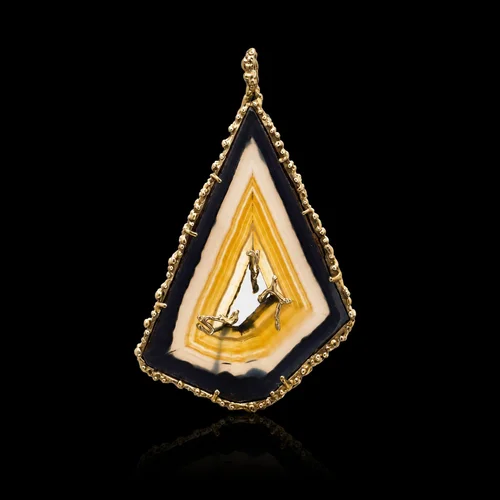
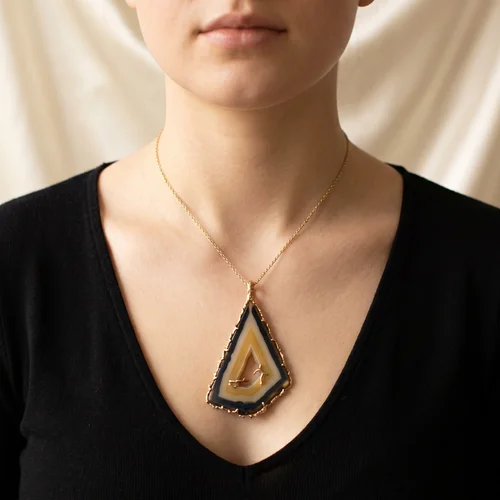 1970s 9KT Gold Banded Agate Pendant, London 1975£2,750
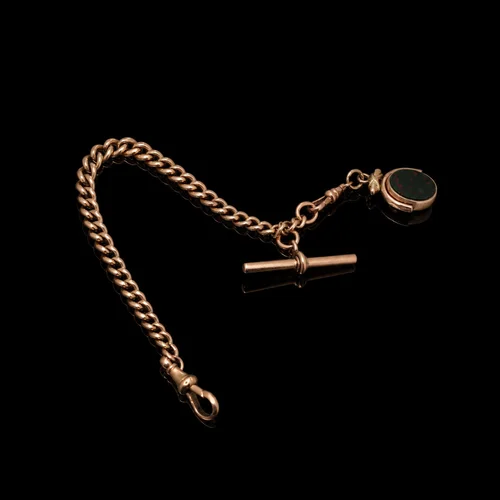
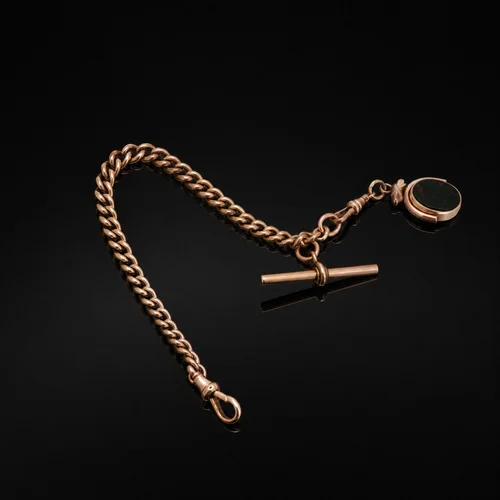 Victorian 9KT Gold Albert Chain Bracelet with Bloodstone and Carnelian Swivel Fob£2,350
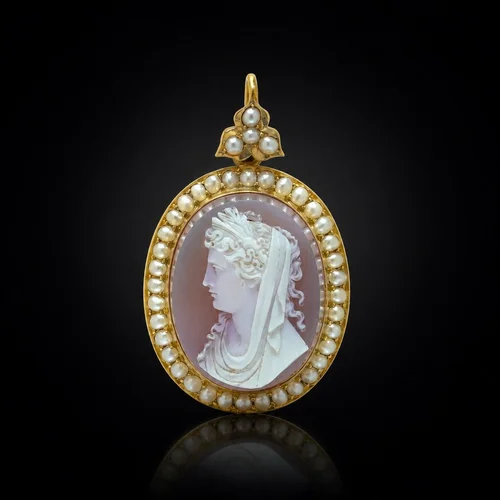
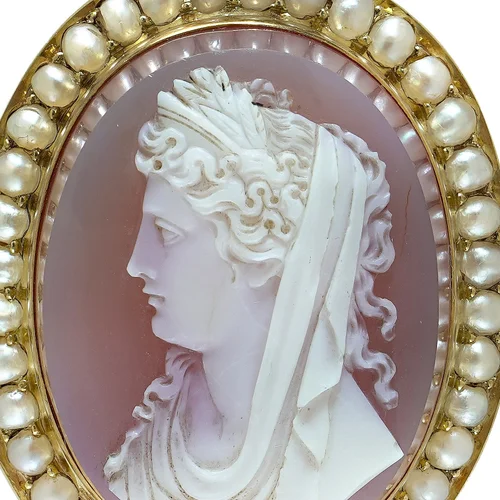 19th Century 20KT Gold Carnelian Cameo and Pearl Pendant Locket£3,850
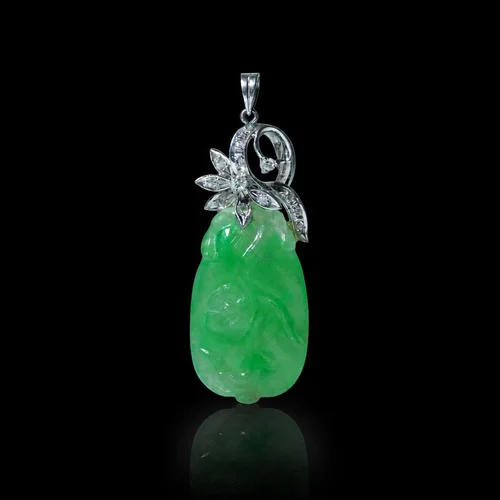
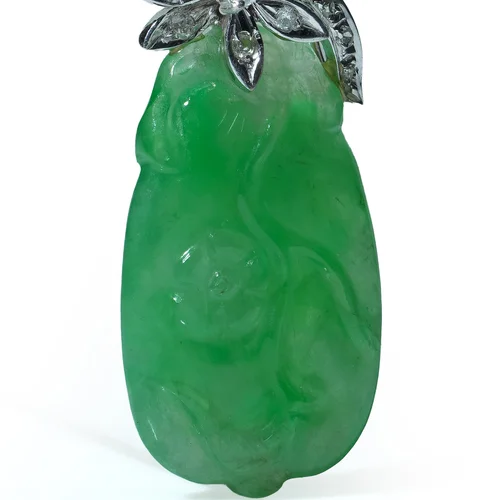 Vintage Natural Carved Jade and Diamond Pendant, Silver Mount£985
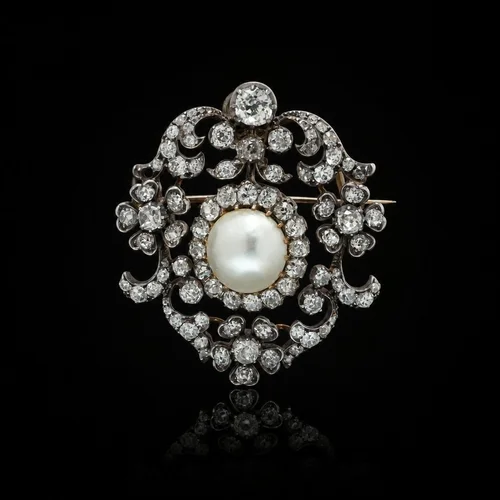
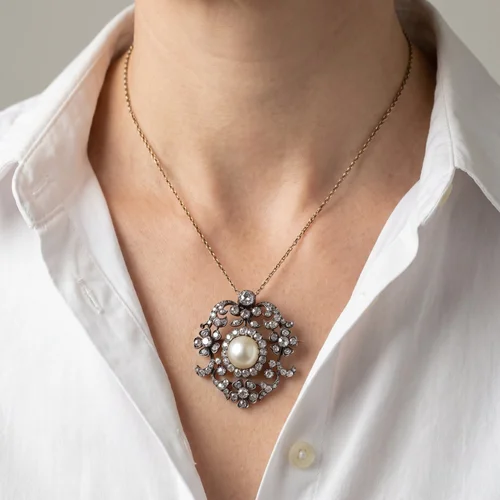 Victorian Natural Pearl and Diamond Brooch Pendant£7,950
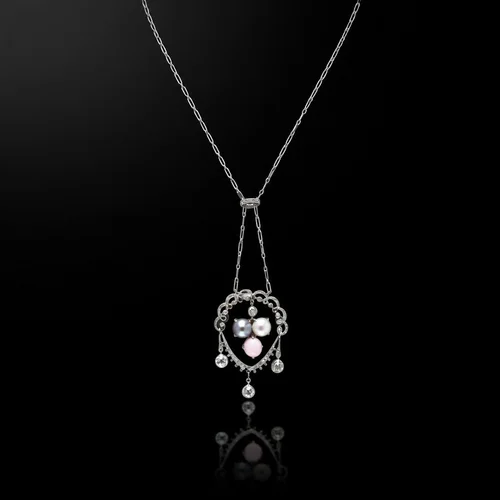
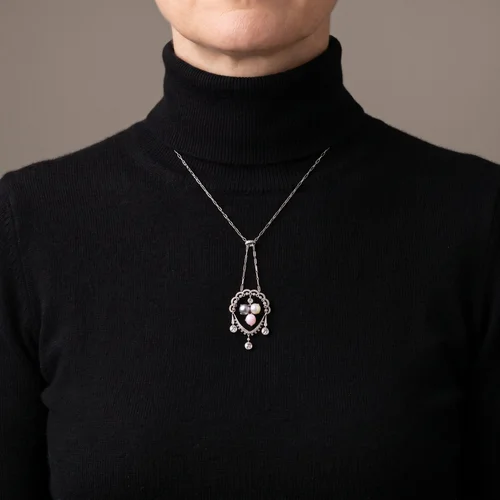 Belle Époque Conch Pearl and Diamond Pendant Necklace, Platinum, Circa 1910£13,850
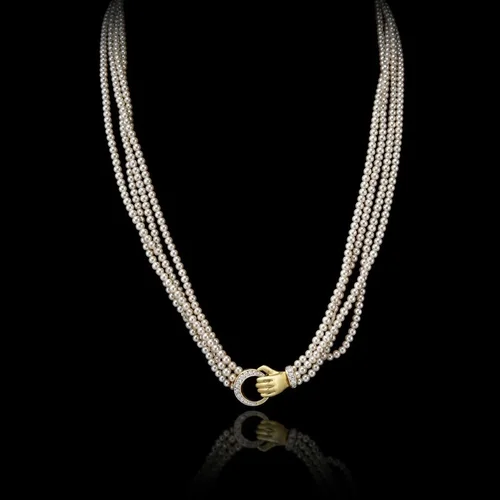
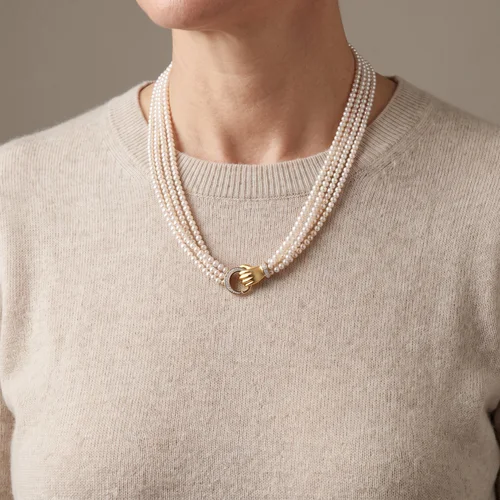 Vintage 18KT Gold Seed Pearl Multi Strand Necklace with Diamond Hand Clasp£2,345
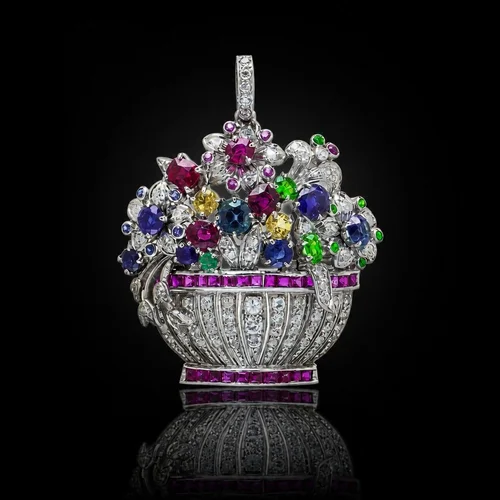
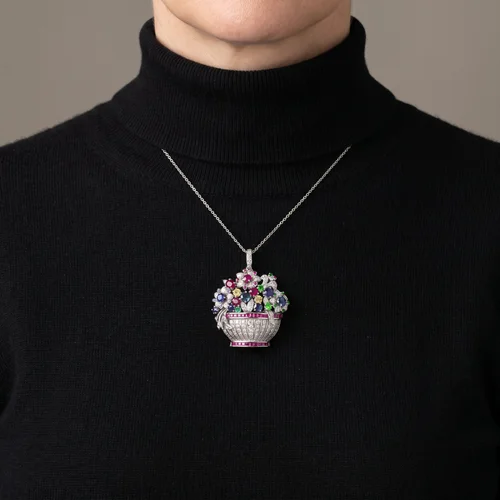 Giardinetto Multi Gem Diamond Flower Basket Brooch Pendant, Platinum, Circa 1940s£4,950
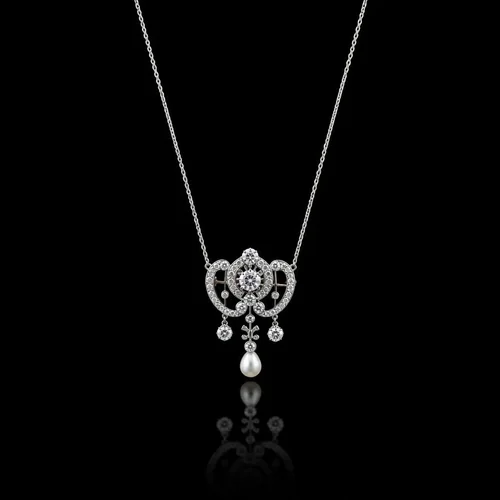
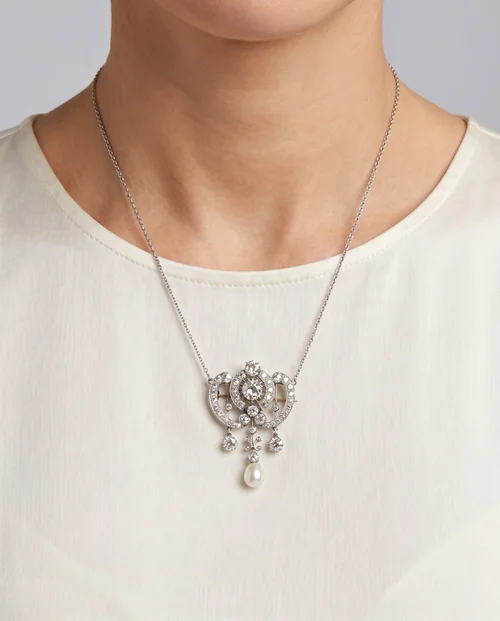 Edwardian Diamond and Pearl Pendant Brooch Necklace, Platinum, 6ct£14,950
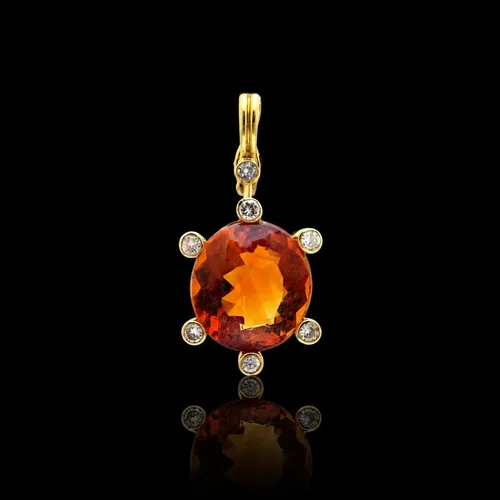
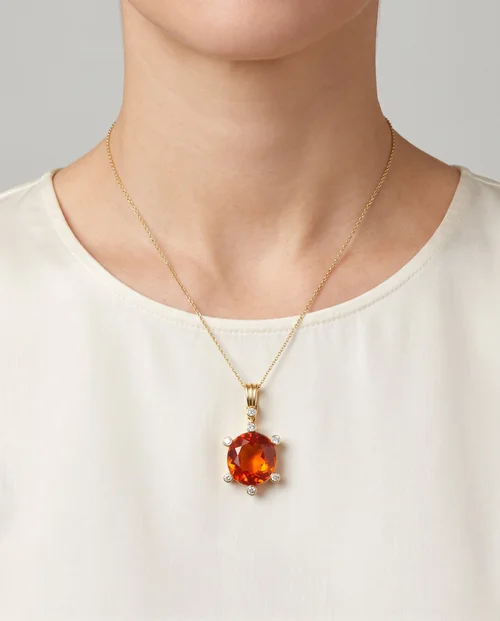 Citrine and Diamond 18KT Gold Pendant, 10ct Citrine, English 1970s£1,450
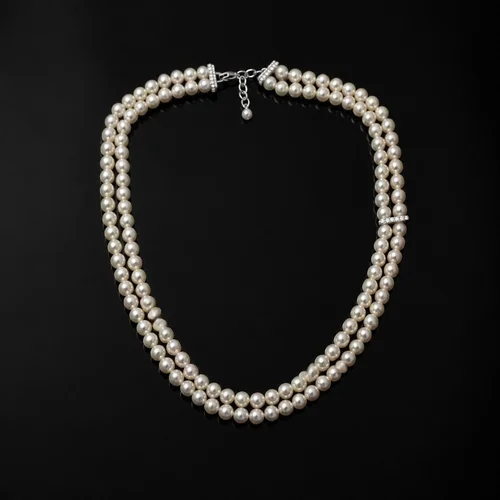
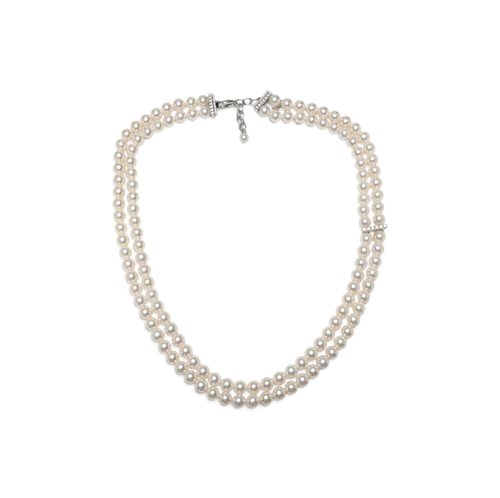 Mikimoto Double Strand Cultured Pearl Necklace, 18KT White Gold and Diamonds£9,850
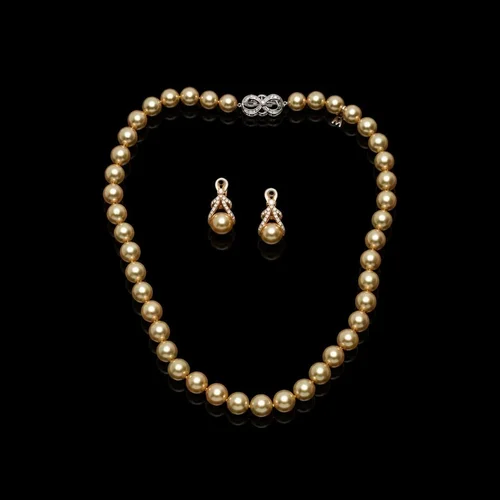
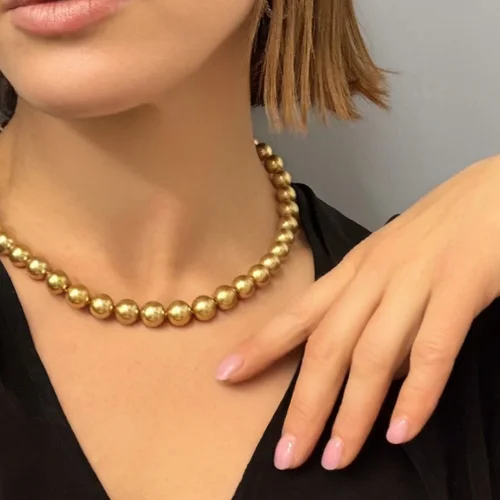 Mikimoto Golden South Sea Pearl Necklace and Earrings Set, Diamonds£24,500
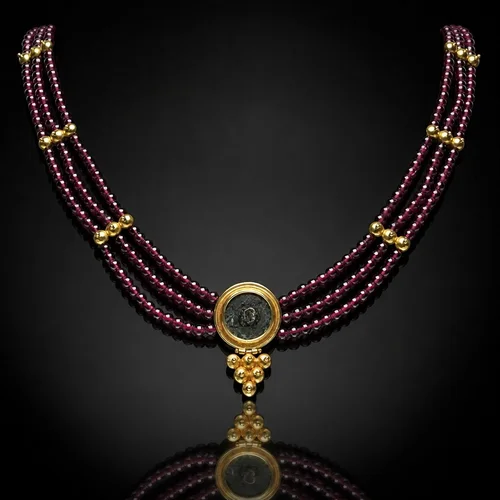
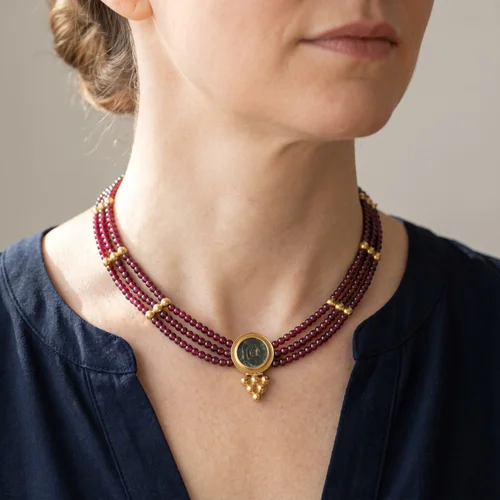 Ancient Roman Coin, Ruby & 20KT Gold Multi Strand Necklace£3,450
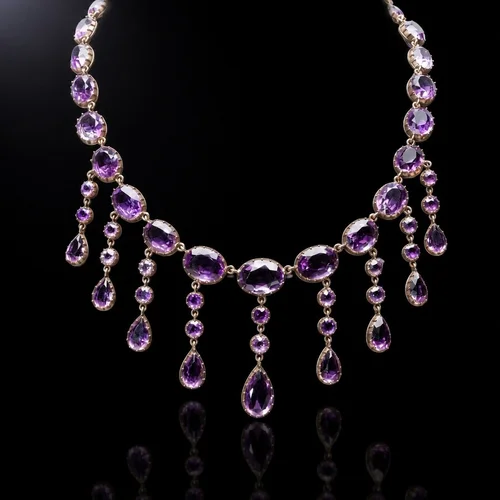
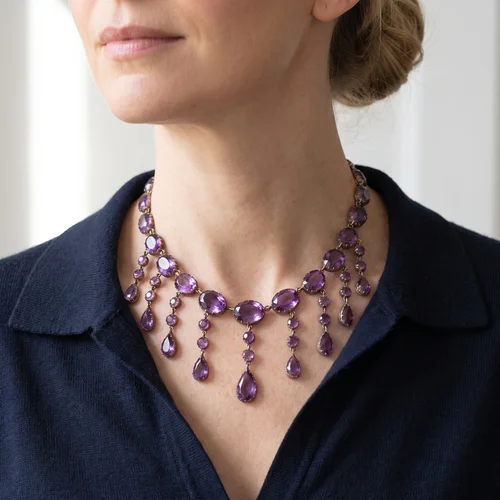 Victorian Amethyst Fringe Necklace, 9KT Gold, Approx. 130 ct, Circa 1880£11,950
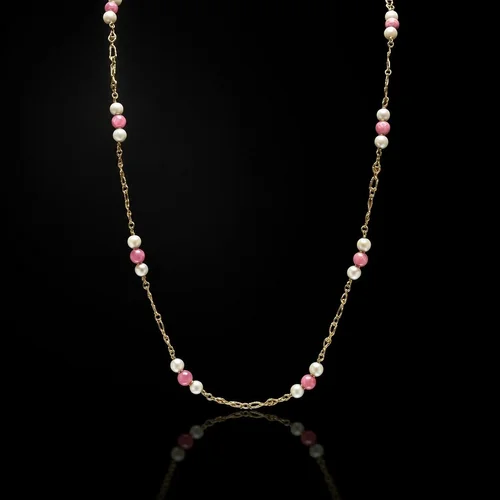
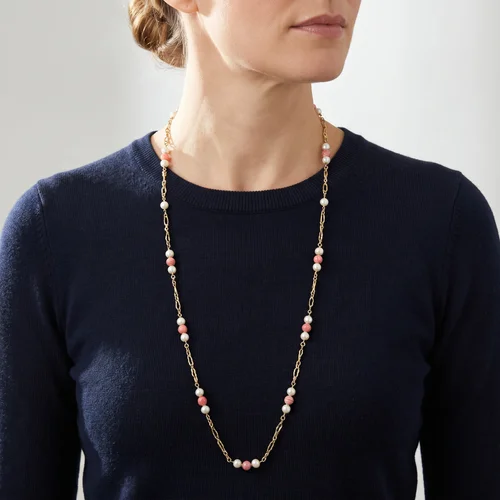 Stuart Devlin 18KT Gold, Coral & Pearl Figural Link Necklace, London 1970s£5,875
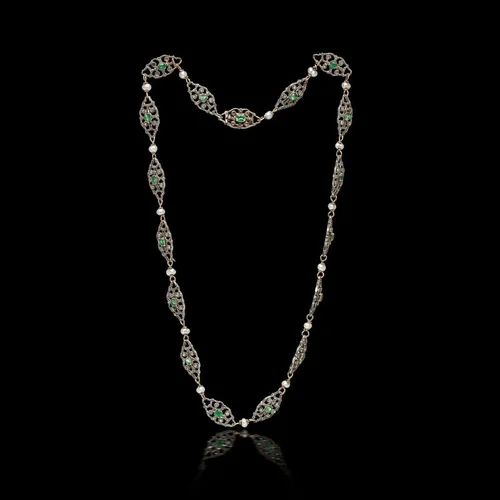
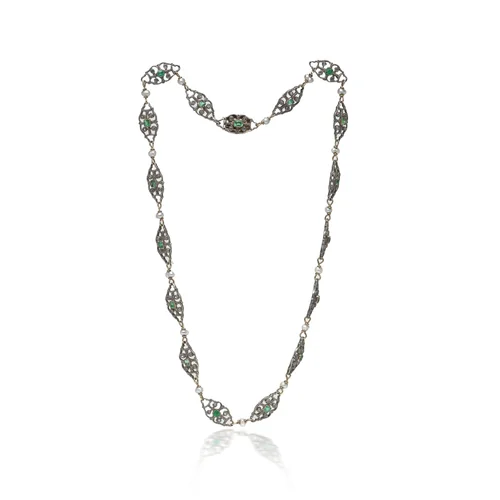 Antique Emerald, Diamond & Pearl Necklace, Silver and Gold£4,950
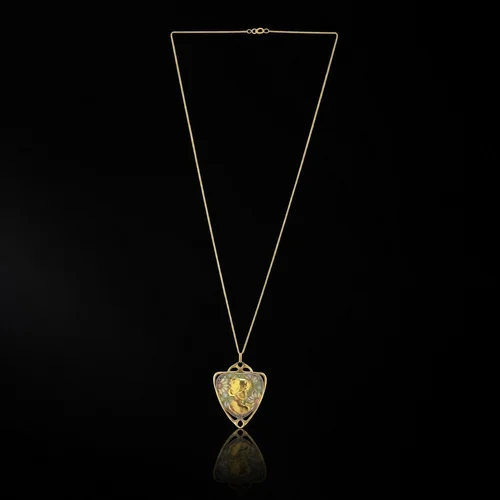
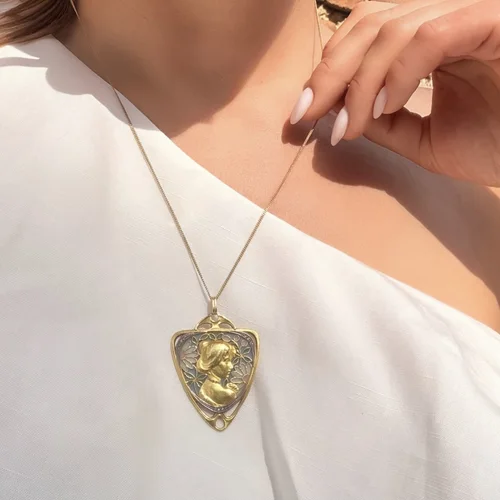 Art Nouveau Plique-à-Jour Enamel Pendant Necklace, 18KT Gold, Circa 1910£5,950
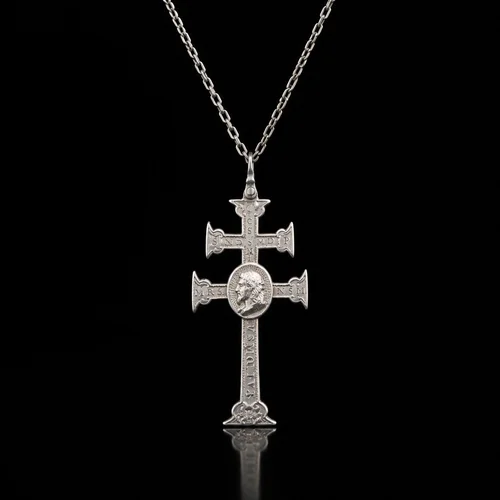
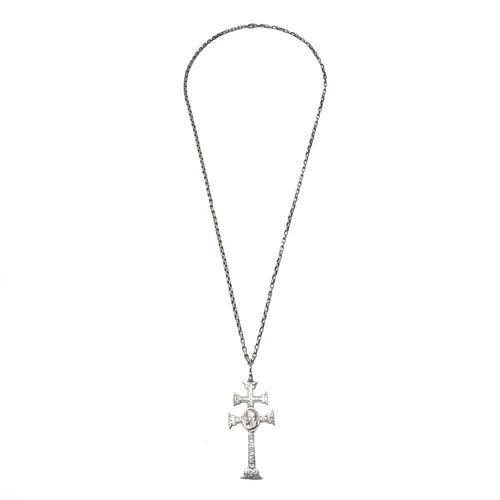 Antique Dutch Silver Gothic Crucifix Pendant & Chain, Chester 1909£950
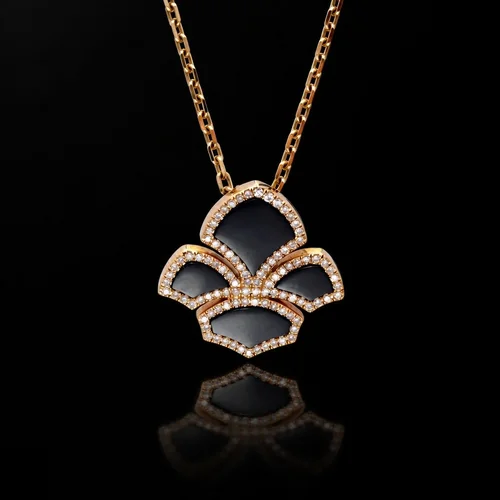
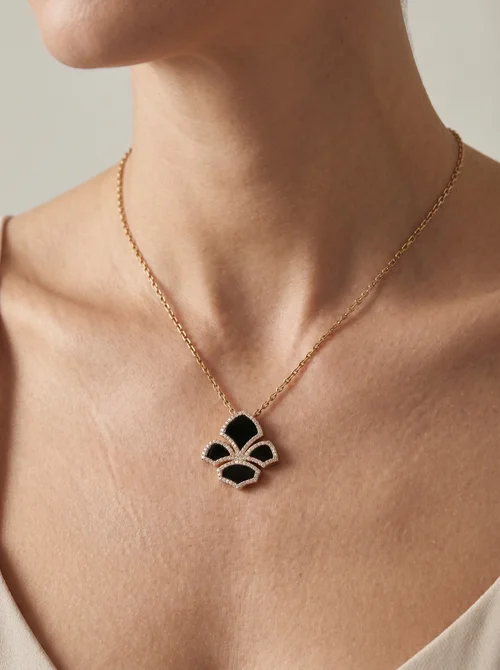 Chatila Onyx & Diamond Pendant Necklace, 18KT Gold£7,950
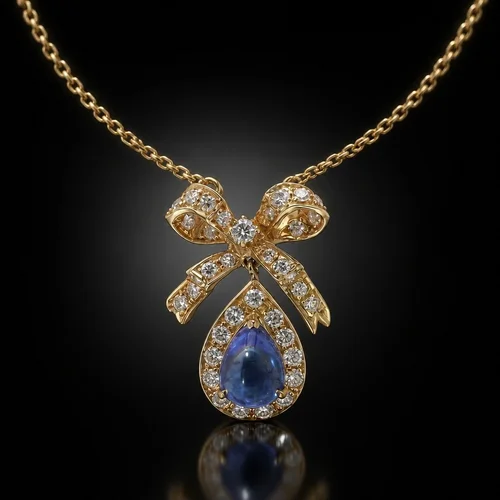
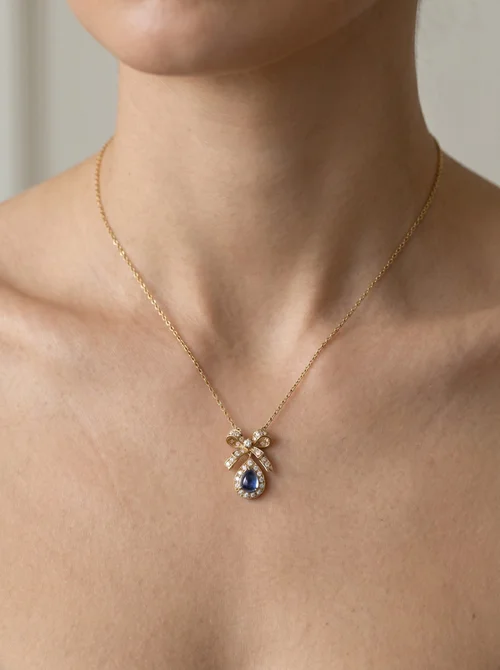 Vintage Sapphire & Diamond Bow Pendant Necklace, 18KT Gold£3,450
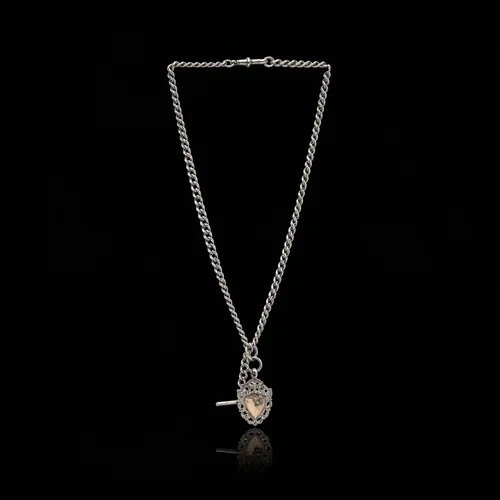
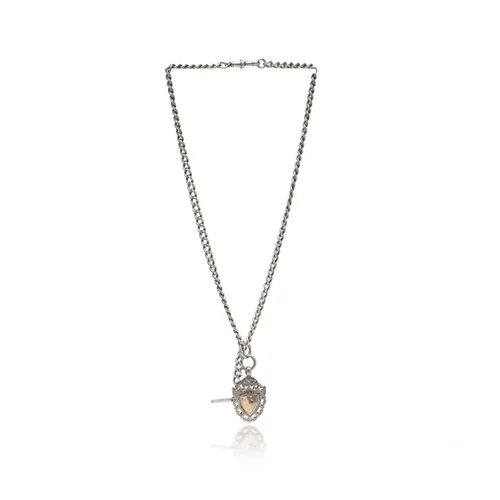 Antique Silver Albert Chain with 9KT Gold Shield, c.1910s to 1920s£495
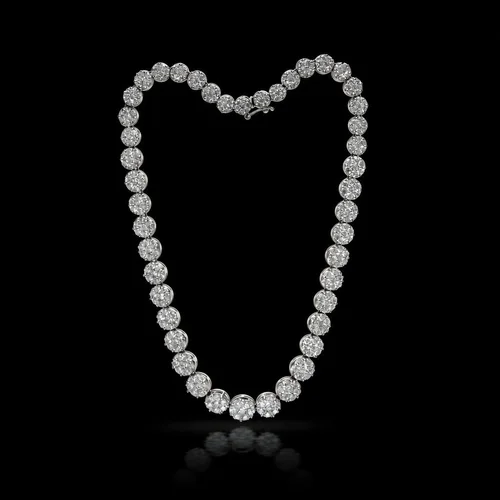
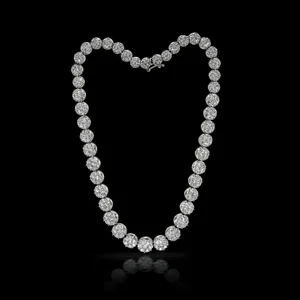
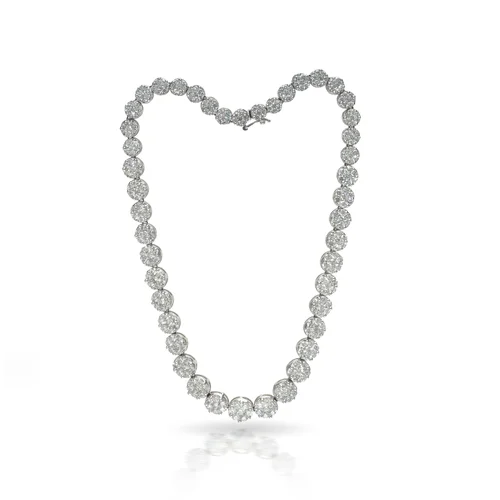 18KT White Gold Diamond Cluster Necklace, 22 ct£24,950
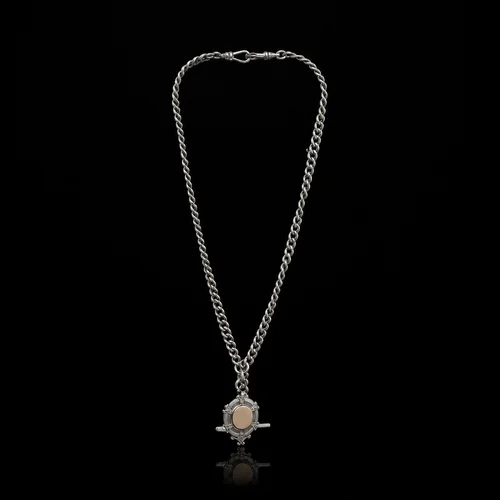
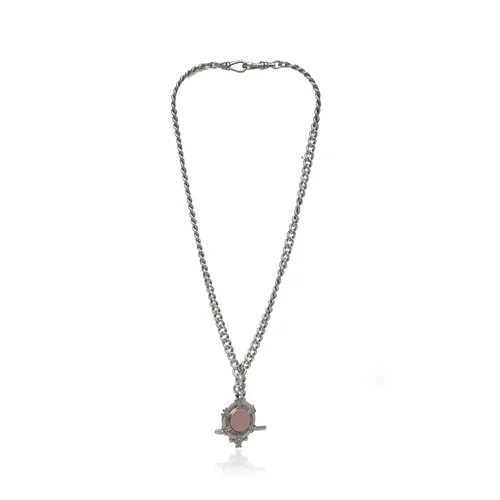 Antique Silver Albert Chain with 9KT Gold Shield, Birmingham 1926£595
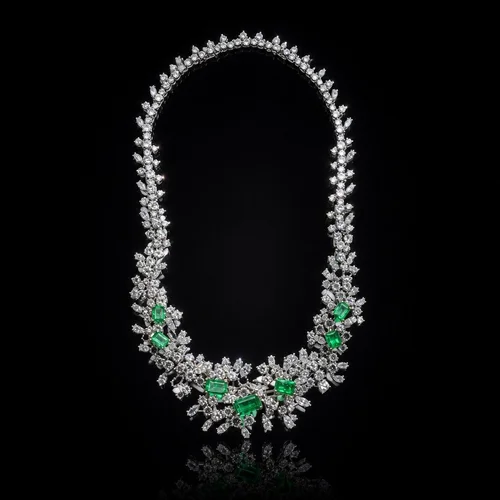
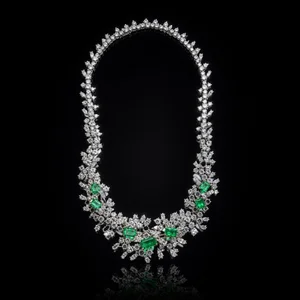
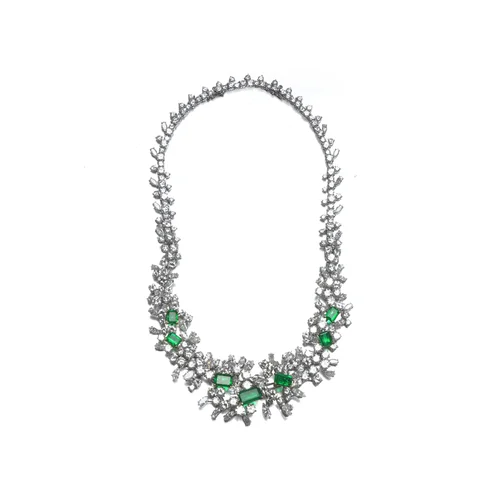 18KT White Gold Colombian Emerald and Diamond Necklace or Bracelet£49,500
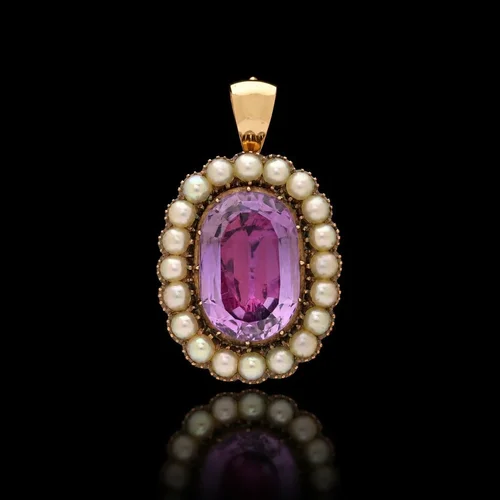
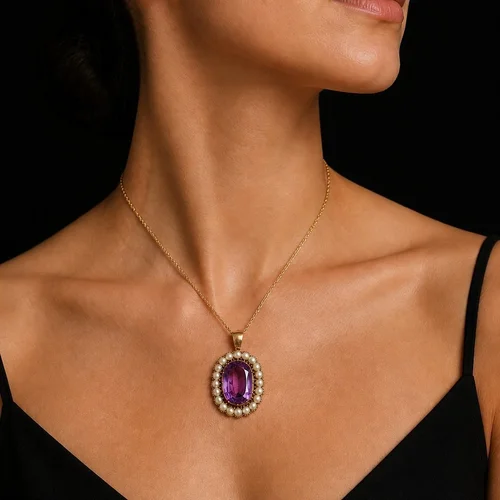 9KT Gold Amethyst and Freshwater Pearl Cluster Pendant£2,950
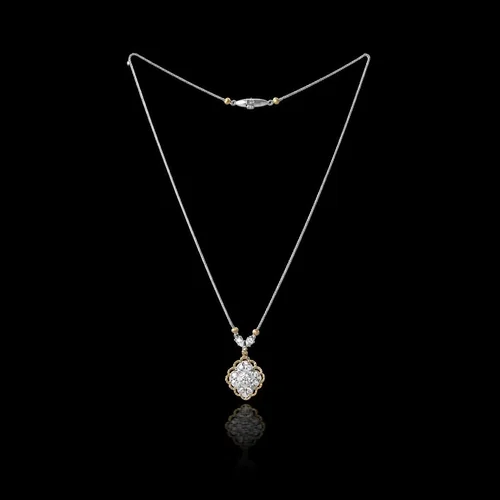
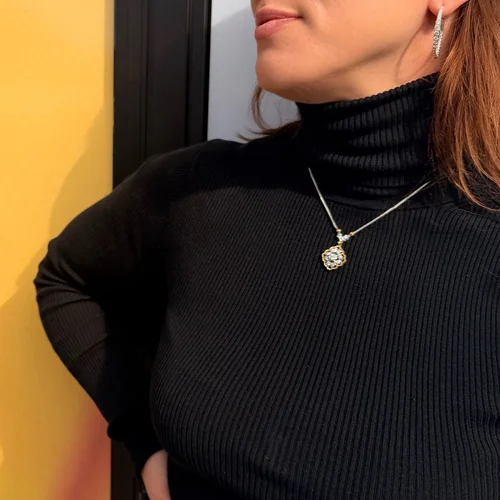 Vintage Mario Buccellati 18KT Gold Diamond Floral Pendant Necklace£8,950
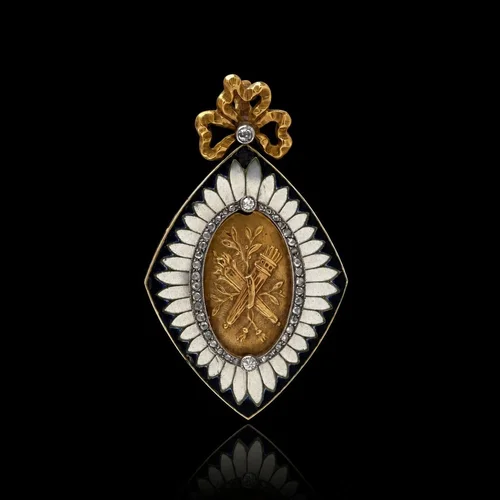
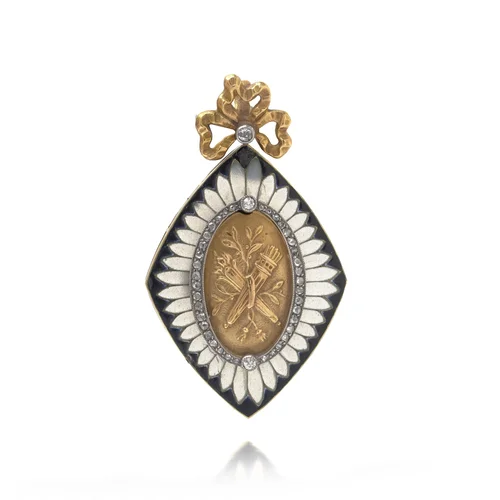 Victorian 18KT Gold Diamond and Enamel Sentimental Locket Pendant in Original Box£5,950
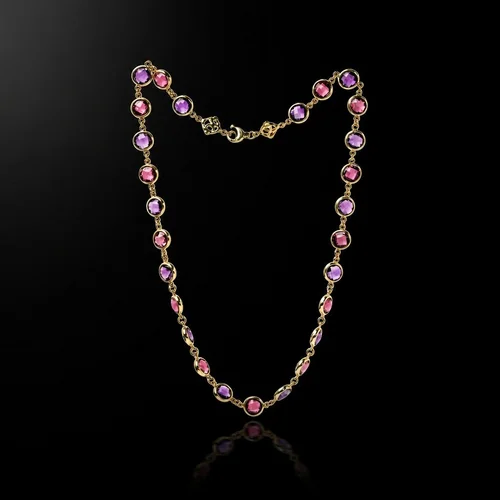
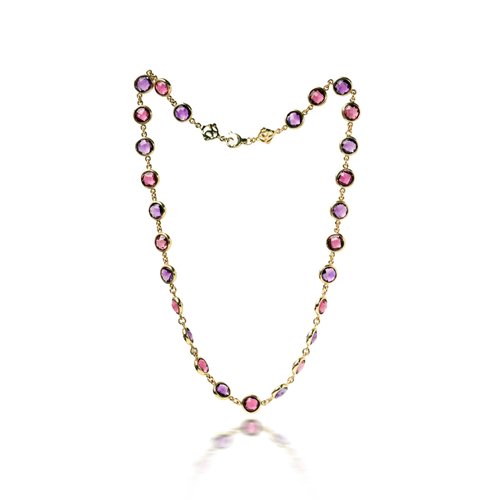 Vintage 18KT Gold Amethyst and Pink Tourmaline Necklace£5,950
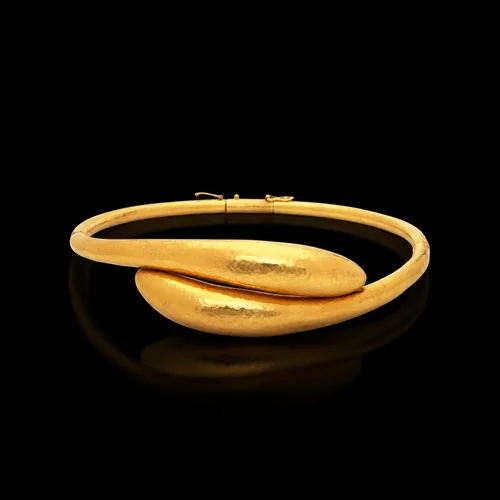
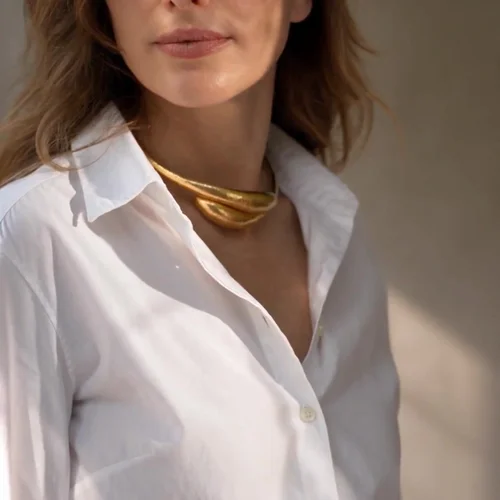 Vintage Ilias Lalaounis 18KT Gold Choker Necklace£19,850
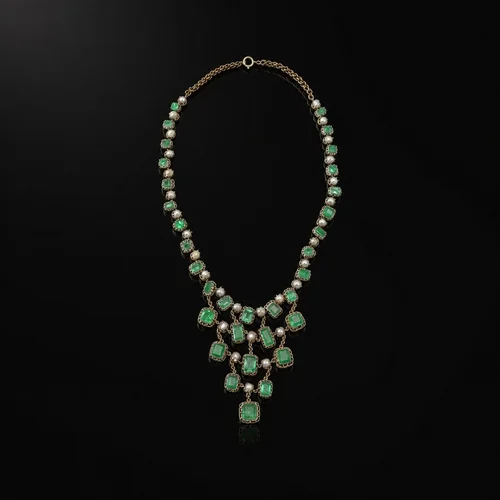
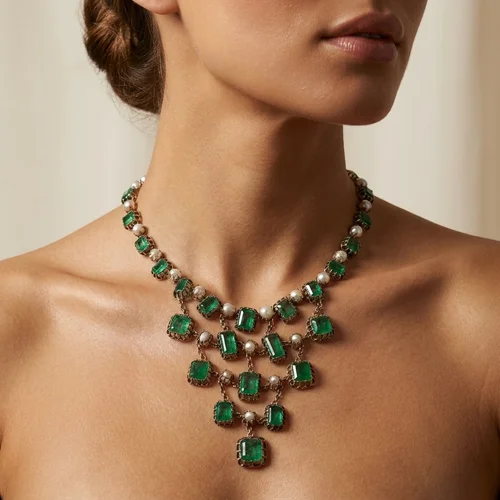 Georgian Emerald and Natural Pearl Necklace, 33 Natural Emeralds£13,950
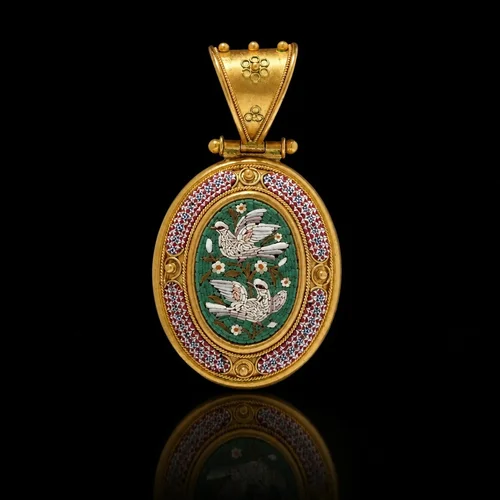
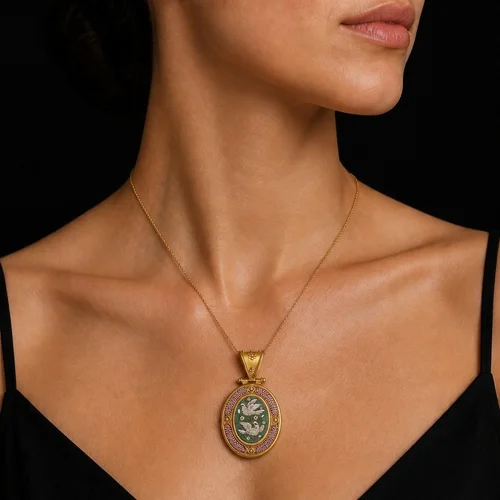 Antique 19th Century 23KT Gold Micromosaic Mourning Pendant£4,950
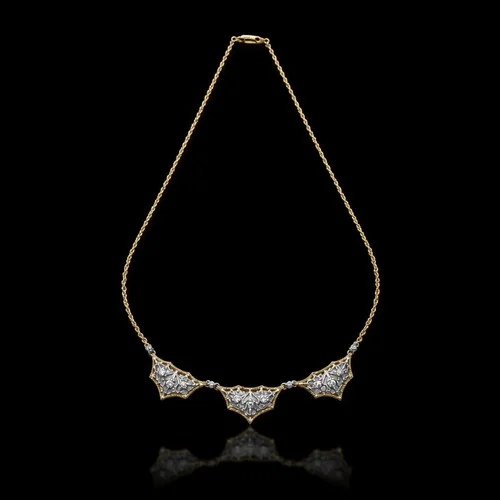
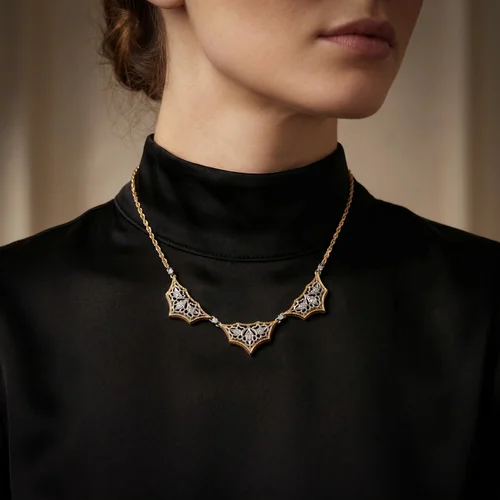 Vintage Buccellati Diamond Necklace, 18KT Gold Openwork, 1950s to 1960s£9,850
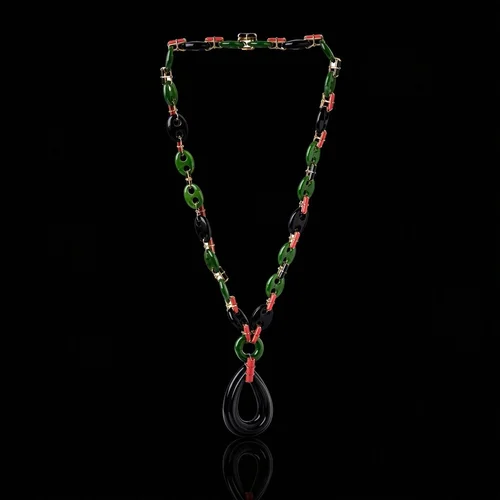
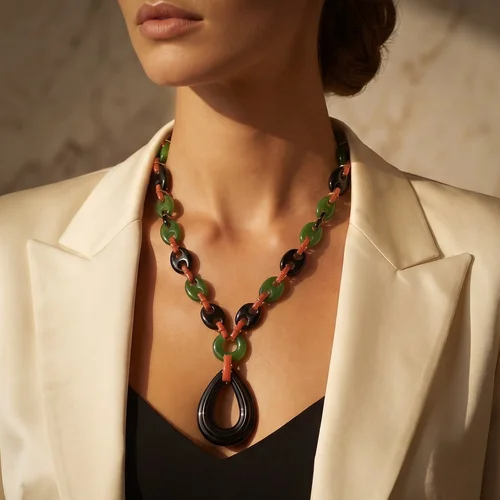 Vintage Jade, Onyx and Coral Necklace, 18KT Gold Links£7,985
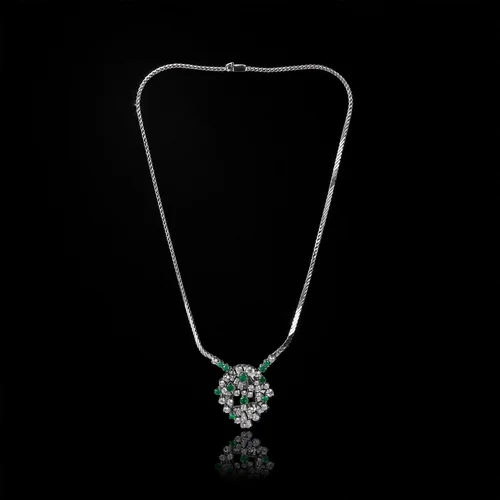
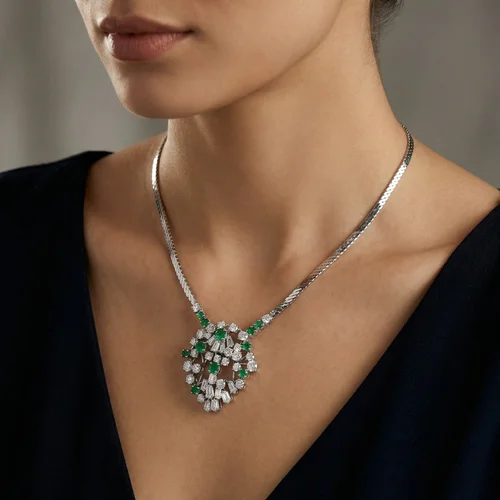 Diamond and Emerald Pendant Necklace, 18KT White Gold, 3.5 ct£6,975
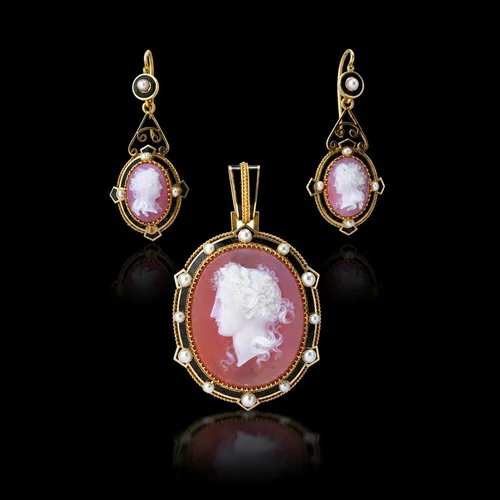
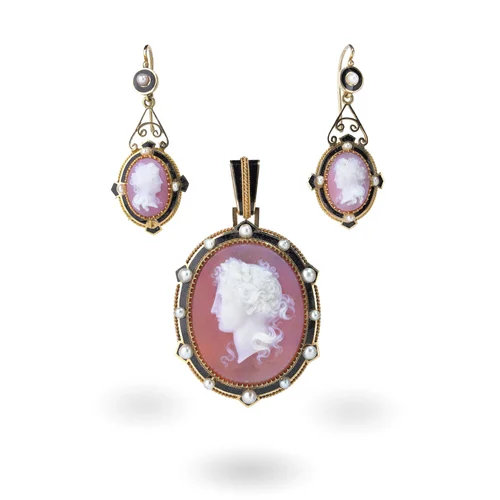 Victorian Carnelian Cameo Pendant and Earrings Suite in 18KT Gold£6,875
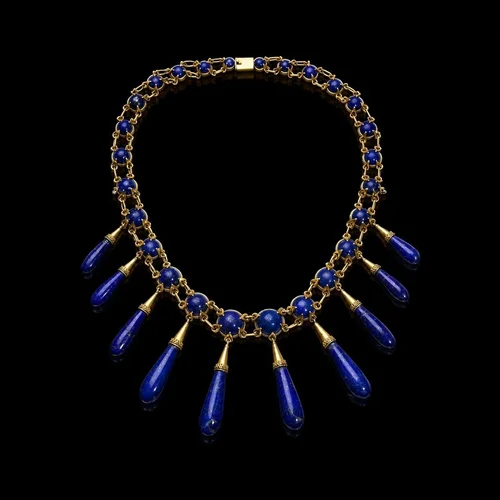
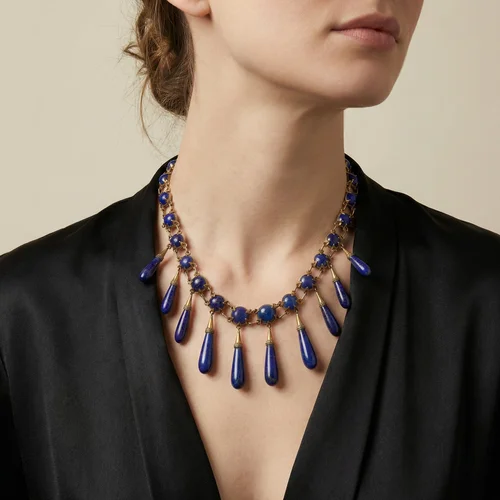 Victorian 15KT Gold Natural Lapis Lazuli Fringe Necklace£12,985
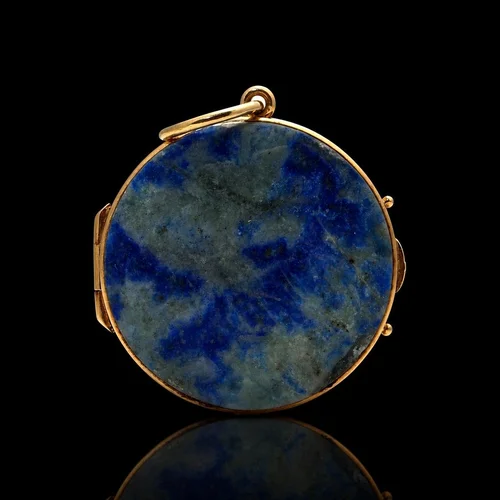
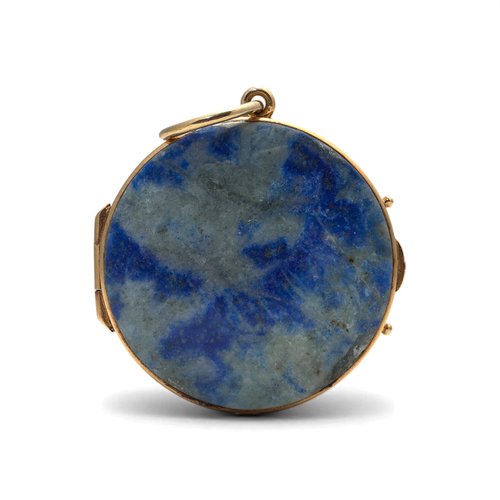 Antique 18KT Gold Lapis Lazuli Religious Icon Locket Pendant£2,985
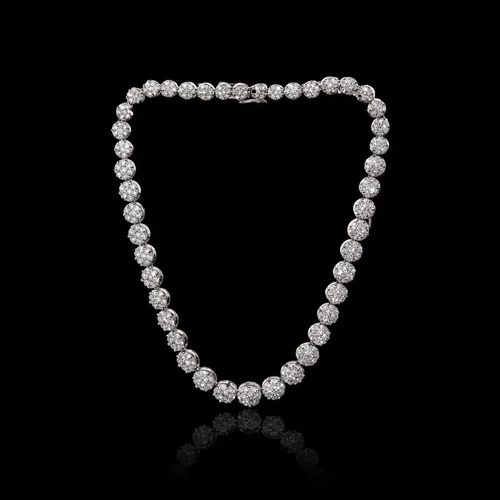
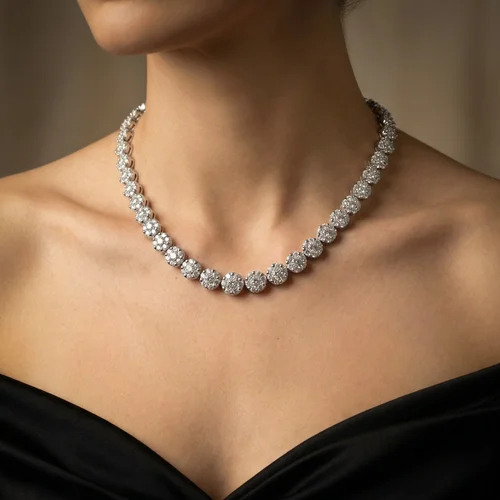 18KT White Gold Diamond Cluster Line Necklace, 30 ct£24,895
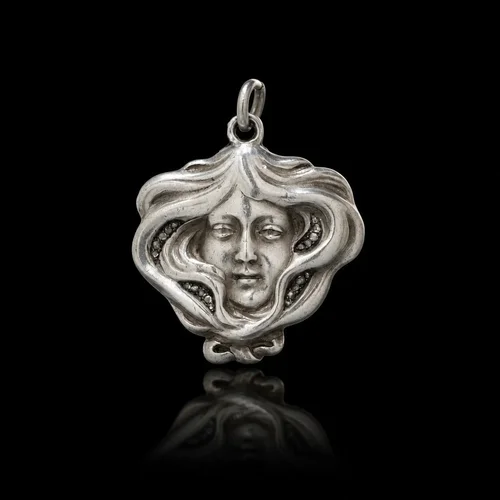
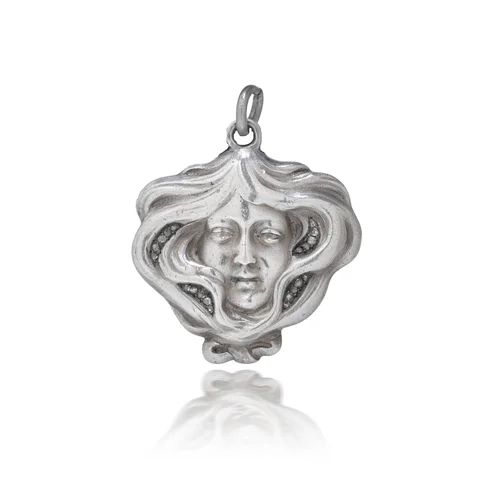 Russian Faberge Art Nouveau Silver Pendant£2,995
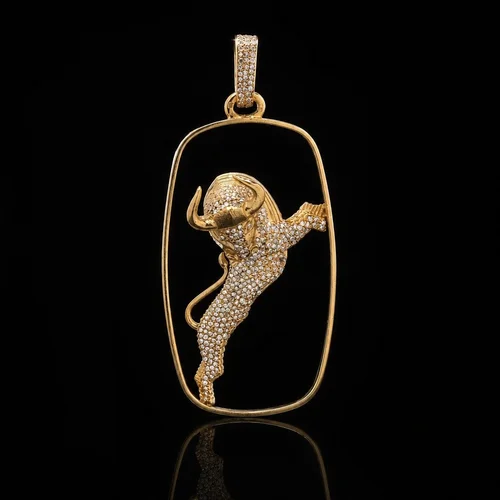
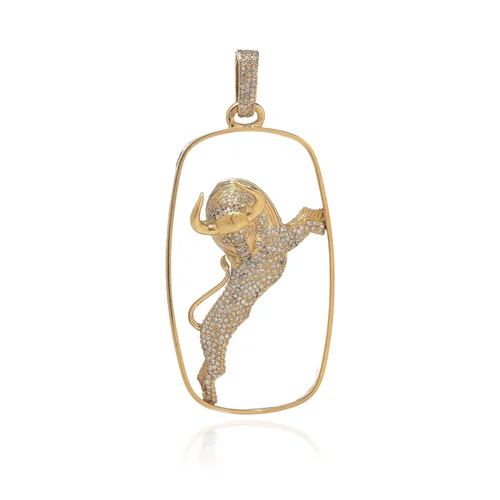 Georges L'Enfant Vintage 18KT Gold Diamond Pavé Bull Pendant£18,995
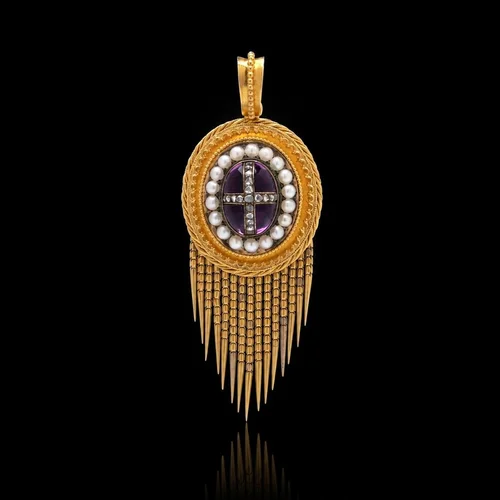
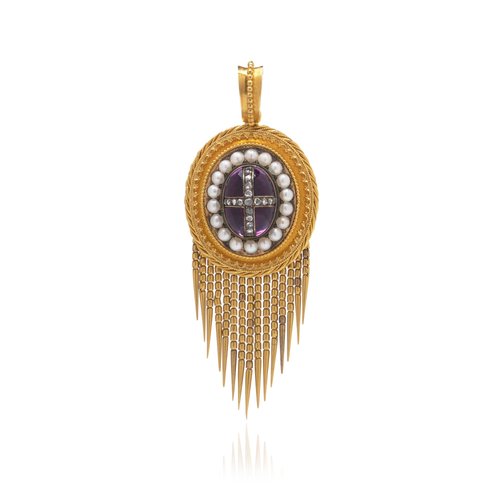 Victorian 21KT Gold Amethyst, Pearl and Diamond Pendant£6,995
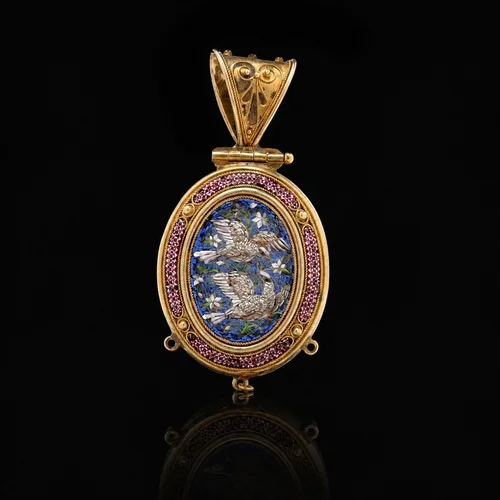
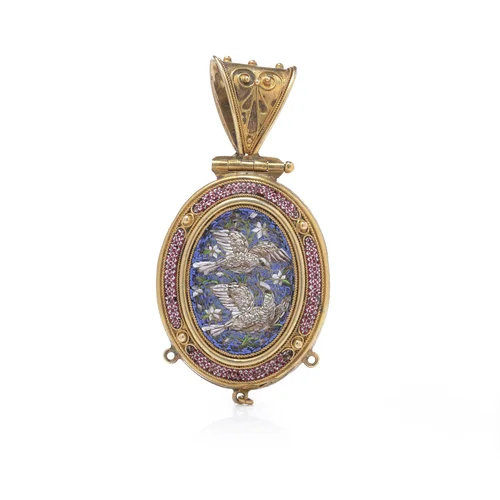 Italian 21KT Gold Micro Mosaic Dove Locket, 19th Century£8,995
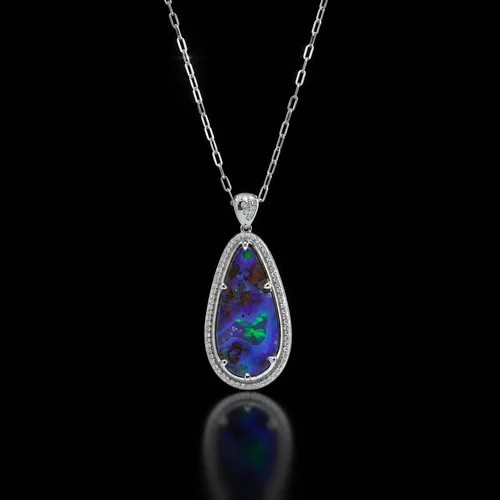
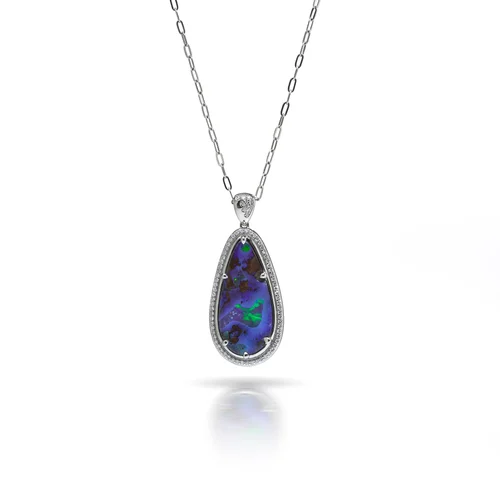 Opal and Diamond Pendant Necklace, Platinum, 16.17 ct Natural Opal£3,950
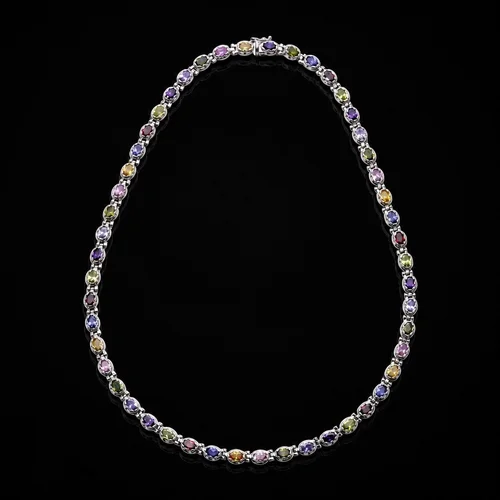
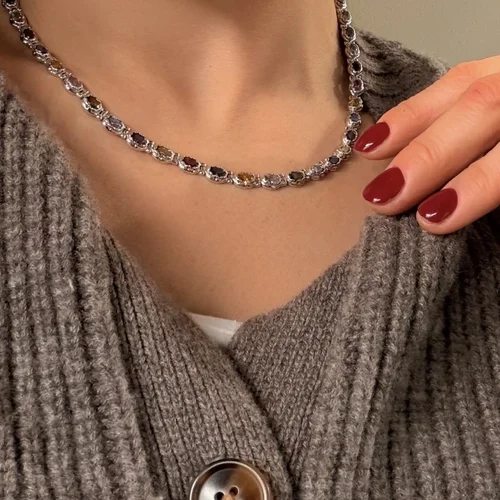 Vintage Italian 18KT White Gold Multi-Gem Necklace£7,950
Recently sold
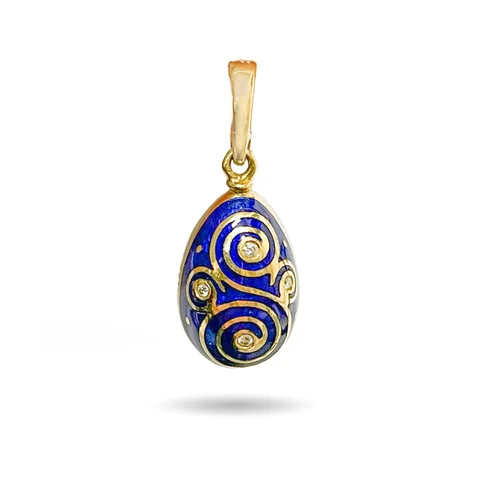 FABERGE 18KT Gold and Enamel Pendant with diamondsSold
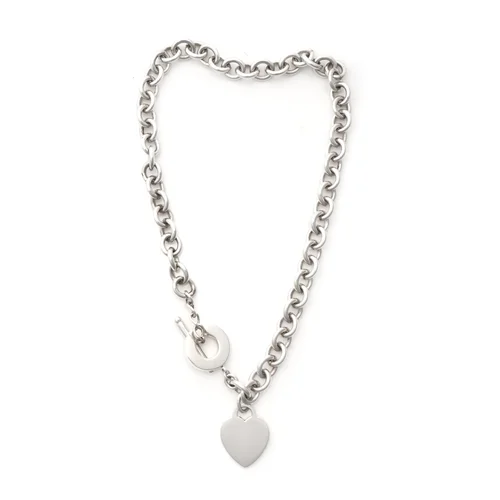 Tiffany & Co. sterling 925 silver chain necklaceSold
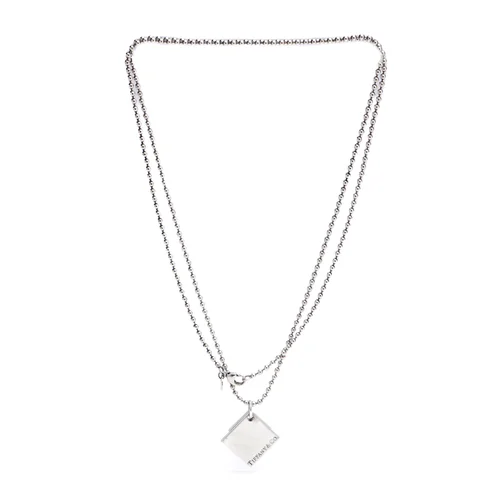 Tiffany & Co. 925 sterling silver chain necklace with two square pendantsSold
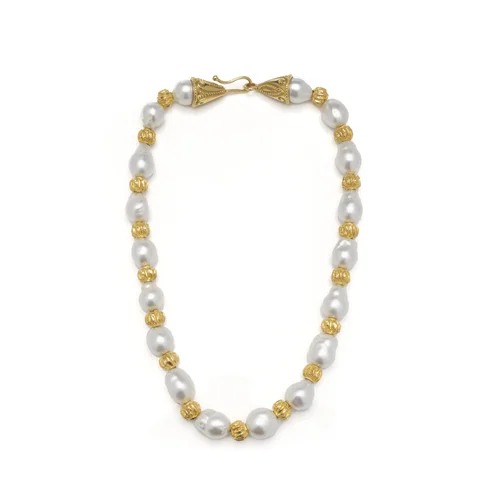 ELIZABETH GAGE South Sea Cultured Pearl Necklace with Dragon ClaspSold
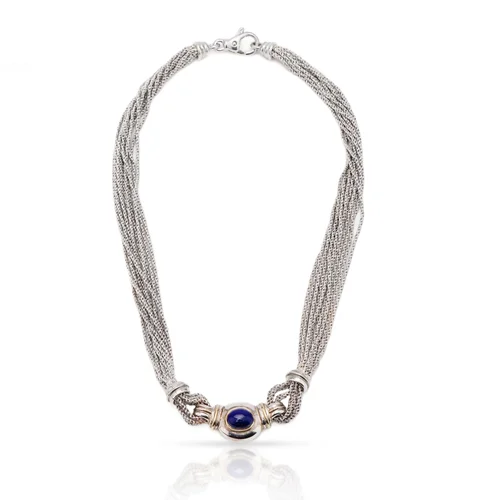 Tiffany & Co. 925 sterling silver and 14KT yellow gold multi-strand necklace with lapis lazuliSold
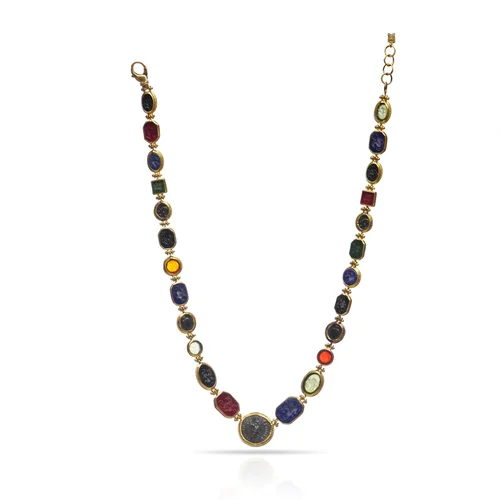 Kurtulan 24KT yellow gold intaglios gemstone necklaceSold
Questions
What is an antique necklace?
An antique necklace is usually one at least 100 years old, so Georgian, Victorian, Edwardian and early 20th century pieces. Necklaces from more recent decades are called vintage.
How can you tell if an antique necklace is real gold?
Look for a hallmark or standard stamp on the clasp, a tag near it or the bail of a pendant. Many antique gold necklaces carry no mark, because small gold items were often exempt from hallmarking, so a jeweller may confirm the gold with an XRF reading or an acid test on the clasp.
How do you tell if an old necklace is gold?
Look for a hallmark or a stamp such as 375, 585, 750, 9CT or 18CT on the clasp or the back of the pendant. Without a mark, a jeweller confirms the metal with an acid test or an XRF reading.
How do you style an antique necklace?
Antique necklaces suit everyday wear as well as evenings. A pendant on a fine chain sits well with an open neckline; a collar or fringe necklace suits a plain, high-cut top that lets it stand out. Layering a pendant over a longer chain works for many pieces.
What necklace length should I choose, including 24 inch?
A 35 to 40 cm (14 to 16 inch) necklace sits as a choker or at the base of the neck, 45 cm (18 inches) at the collarbone, 50 to 55 cm (20 to 22 inches) just below it, and 60 cm (24 inches) on the upper chest, good for a large pendant or over high necklines.
How thick should a necklace chain be?
Chain thickness is measured in millimetres across a link. Fine chains of about 1 mm suit small pendants and layering, 2 to 3 mm chains are everyday medium weights, and 4 mm and more give a bold look on their own. A pendant needs a chain strong enough for its weight and a bail wide enough to pass the clasp.
More questions (29)
What is a locket necklace?
A locket is a hinged pendant that opens to hold photographs, hair or a keepsake. Victorian and Edwardian lockets in gold and silver were often engraved or set with stones, and many were given as mourning or love tokens. Modern lockets hold two to four photographs; antique ones often have glazed compartments.
What is a St Christopher necklace?
A St Christopher pendant shows the saint carrying the Christ child across a river; he is the patron saint of travellers. They are given for journeys, christenings and coming of age. Vintage St Christophers in gold and silver are hallmarked, and many carry engraved dates or initials on the back.
What types of cross necklace are there?
The Latin cross has a longer lower arm; the Celtic cross adds a ring round the centre; the crucifix shows the figure of Christ; and Greek and Maltese crosses have equal arms. Crosses are made in gold, silver and platinum, plain or set with diamonds or marcasite, from small dainty pendants to large bold crosses.
What is a choker necklace?
A choker is a short necklace of about 35 to 40 cm (14 to 16 inches) that sits close round the neck. Victorian and Edwardian chokers, called dog collars, were made of pearls or gold and diamond plaques; later chokers include velvet ribbons, rigid gold collars and silver torcs. Men's chokers are usually short chains.
What necklaces suit men?
Men most often wear solid gold or silver chains, such as curb, figaro, rope or box, at 50 to 60 cm (20 to 24 inches), alone or with a pendant such as a St Christopher, a cross, a coin or a signet-style disc. Heavier gauges suit a broad frame; finer chains suit open collars.
What is a necklace and earring set called?
A matching set of jewellery is called a parure when it includes several pieces, such as a necklace, earrings, a bracelet and a brooch, and a demi-parure when it has two or three. Georgian and Victorian parures were often sold in a fitted case. Matching sets in silver, gold, pearls and costume jewellery are all made.
How are necklace lengths measured?
Measure the chain laid flat from end to end, including the clasp. The traditional names are choker (sits at the base of the neck), princess (just below the collarbone), matinee (above the bust), opera (at or below the bust) and rope or sautoir (longer, often doubled). Antique sautoirs can be very long.
What is a pendant necklace?
A pendant necklace is a chain with a single hanging ornament, the pendant, which may be a locket, a cross, a gemstone drop, a cameo or a diamond cluster. Antique pendants often detach and some convert to brooches, so the chain and pendant may come from different dates.
What holds a pendant on a necklace?
A bail, the loop or hinged fitting at the top of the pendant, through which the chain passes. Some pendants hang from a small jump ring instead. On antique pieces, check that the bail is strong and original, and that the chain fits through it without forcing.
How do you clean a chain necklace?
Soak gold or silver chains briefly in warm water with a little mild soap, work gently along the links with a soft brush, rinse and dry thoroughly on a towel. Use a silver cloth on sterling. Keep pearls, enamel and closed-back settings dry, and never use toothpaste, which scratches.
What does pendant mean?
Pendant comes from the Latin pendere, to hang, through French. In jewellery it means an ornament that hangs from a chain, ribbon or brooch fitting, as opposed to a necklace whose decoration is fixed along its length. Many antique pendants can also be worn as brooches.
Where can I buy an antique necklace?
Buy from a dealer who states each necklace's period, metal and hallmarks, stones, length and condition, and who offers returns. Mozeris Fine Antiques sells antique and vintage necklaces and pendants online with a 14-day returns period, and pieces can be viewed by appointment in Mayfair or Braintree.
How do you layer necklaces?
Choose two or three necklaces of different lengths, at least 5 cm (2 inches) apart, such as 40, 45 and 50 cm (16, 18 and 20 inches). Mix chain textures, keep one pendant as the focal point, and stay with one metal colour or mix deliberately. Fine chains tangle less if the heaviest is the longest.
How can you tell if a necklace is antique?
Look at the clasp and the construction. Antique necklaces often have box clasps with a tongue and safety chain, barrel or hook clasps, hand-made links of slightly varied size, and hallmarks or maker's marks on the clasp. Old cut stones, closed or foiled settings and silk-strung pearls also point to age.
What is the easiest necklace clasp for elderly or arthritic hands?
Magnetic clasps, large lobster clasps and toggle clasps are the easiest to use with stiff fingers. A jeweller can fit a magnetic converter or a larger clasp to most necklaces. For valuable pieces, choose a magnetic clasp with a secondary safety catch so the necklace cannot fall off.
What is Sarah Coventry jewellery?
Sarah Coventry was an American costume jewellery brand founded in 1949 in Newark, New York, and named after the founder's granddaughter. It was sold only at home jewellery parties, never in shops, until the 1980s. Necklaces, brooches and earrings are gold-tone or silver-tone with rhinestones and faux pearls, usually signed Sarah Cov.
What is a Hand of Fatima necklace?
The Hand of Fatima, or hamsa, is an open hand symbol worn as a protective amulet across North Africa and the Middle East, and called the Hand of Miriam in Jewish tradition. It often has an eye in the palm to guard against the evil eye. Pendants are made in gold and silver, plain or set with stones.
What is a St Michael pendant?
A St Michael pendant shows the archangel Michael, usually winged and holding a sword or spear, standing over a dragon or Satan. St Michael is the patron saint of soldiers, police officers and paratroopers, so the medal is worn for protection. Antique examples are oval medals in gold or silver, often engraved on the back.
How do you untangle a knotted necklace?
Lay the chain flat, add a drop of baby oil or a little talc to loosen the knot, then work it apart with two pins or needles, easing from the centre outward. Never pull the ends. Jewellers use the same method under magnification. Store chains hanging, or fastened through a drinking straw, to stop them tangling.
What is a pendant brooch?
A pendant brooch can be worn as a brooch or hung from a chain. It has a brooch pin on the back and a hidden or fold-down loop at the top for a necklace. Victorian and Edwardian jewellers made many, from cameos and lockets to diamond and pearl pendants, and some have detachable brooch fittings.
What is an antique Star of David pendant?
The Star of David, or Magen David, is a six-pointed star formed by two interlaced triangles and a symbol of Judaism. Antique and vintage pendants are made in gold or silver, sometimes with filigree, enamel or small stones. British pieces carry hallmarks that give the metal, maker and year of assay.
How can I buy an antique diamond necklace safely, and what are the red flags?
Buy from an established dealer who names the metal and diamonds, states the date, shows clear photographs and offers a returns period. Red flags include unmarked metal described as gold, diamonds that look too white and glassy for their age, replaced stones, worn settings and no detail on condition. Ask for a laboratory report on large stones.
What is the difference between a necklace, a pendant and a chain?
A necklace is any piece worn around the neck. A chain is a necklace made of linked metal, and a pendant is an ornament that hangs from a chain or cord through a loop called a bail. So a pendant needs a chain to be worn, while a chain or a collar necklace can be worn alone.
What is a paperclip chain necklace?
A paperclip chain has long, flat, oval or rectangular links shaped like paper clips, joined end to end. The open links show the skin and take a charm or pendant anywhere along their length. Long-link chains of the same idea were made in Victorian and Edwardian gold, often as long guard chains.
Why does a necklace turn my neck black or green?
Green marks come from copper in brass, low carat gold or plated jewellery reacting with sweat. Black marks come from make-up containing hard powders, such as zinc oxide, rubbing tiny particles of metal off the chain, or from silver tarnish. Wash the skin with soap and water, and wear 18KT gold or platinum to avoid it.
How do you wear two necklaces together?
Choose lengths at least two inches apart, such as 16, 18 and 20 inches, so each necklace sits on its own line. Mix a fine chain with a heavier one or a pendant, and keep the metals in the same family or deliberately mixed. A layering clasp or separator stops chains from tangling.
How does an adjustable necklace work?
Most adjustable necklaces have an extender chain at the back: the clasp hooks into whichever link gives the length wanted. Others use a slider bead or a sliding knot, often on cord or fine chains, that moves along to shorten or lengthen the necklace. A jeweller can add an extender to most chains.
How can a long necklace be worn?
A long necklace or sautoir of 30 inches or more can hang straight over a plain top, be doubled into two rows, or be knotted at the breastbone. Some antique sautoirs have a detachable tassel or pendant. Hang long necklaces or lay them flat in a long box so the chain does not knot.
How do you open and close a ball chain necklace?
A ball chain closes with a small cup-shaped connector. To open it, bend the chain slightly at the connector and slide the last ball sideways out through the slot. To close, push the end ball into the slot until it clicks. A damaged connector can be replaced, so the chain does not need throwing away.