Guide · Diamond rings

Diamond Fluorescence: What It Is and Whether It Matters

About a quarter to a third of diamonds glow under ultraviolet light, usually blue. What fluorescence is, how it is graded and what research says about its effect on how a diamond looks.

By the Mozeris specialistsUpdated 4 min read

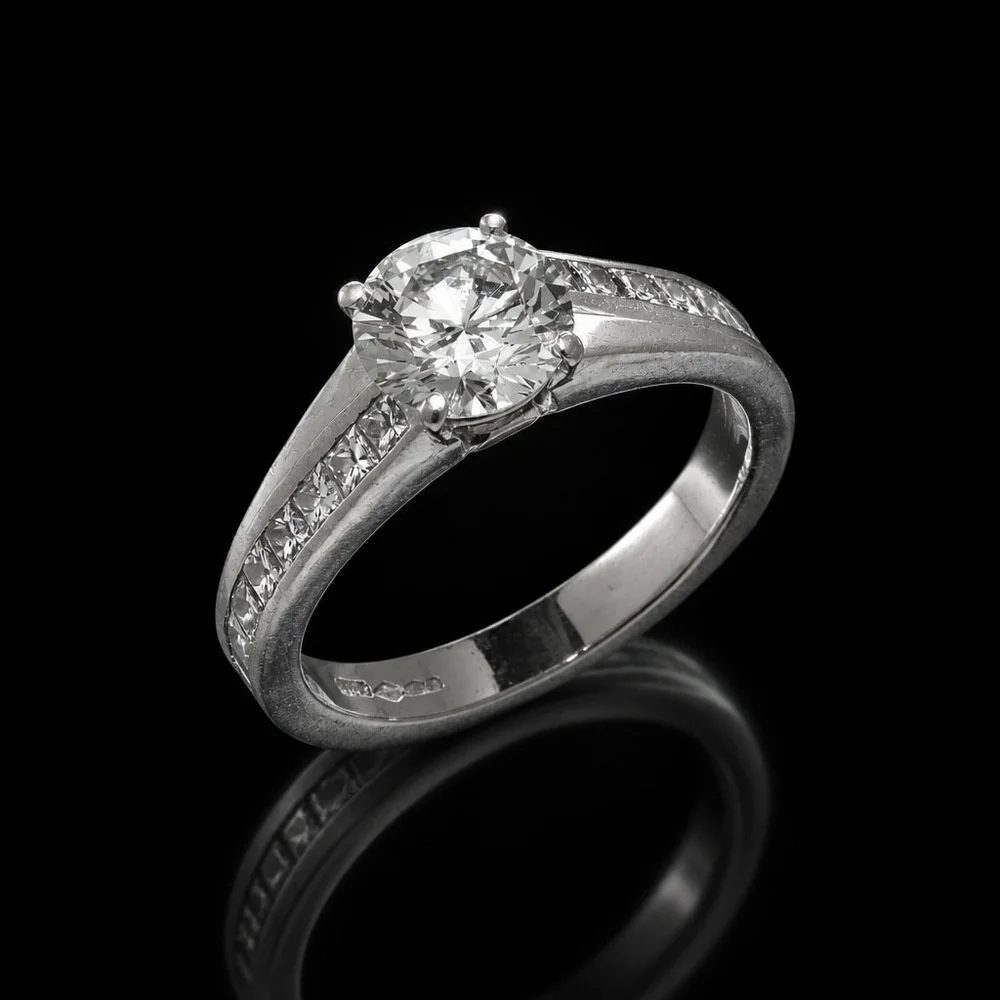
Platinum solitaire ring with a 1.60 ct round brilliant diamond
Diamond solitaire ring, platinum, 1.60 ct round brilliant, from our collection

The short answer

Diamond fluorescence is the glow some diamonds give off under ultraviolet light, usually blue. About 25% to 35% of diamonds show some fluorescence, graded from None and Faint through Medium and Strong to Very Strong. In most diamonds it has no visible effect in normal light, and in lower colour grades blue fluorescence can make a stone look whiter.

  • Fluorescence is a glow under UV light, usually blue.
  • About 25% to 35% of diamonds show some fluorescence.
  • Grades: None, Faint, Medium, Strong and Very Strong.

What diamond fluorescence is

Fluorescence is visible light given off by a material while it is exposed to ultraviolet light. In diamond it is usually blue, and less often yellow, green or orange. In a GIA study of more than 26,000 diamonds submitted for grading, about 25% to 35% showed some fluorescence under a standard long-wave UV lamp (GIA).

GradeWhat it means
NoneNo visible glow under long-wave UV
FaintA slight glow, rarely noticed
MediumA clear glow under UV, not seen in daylight
StrongA bright glow under UV
Very StrongAn intense glow under UV; in very rare stones it can affect transparency

Does fluorescence affect how a diamond looks?

GIA's 1997 study found that in most cases fluorescence does not affect a diamond's face-up appearance. Its effect on colour was most noticeable in lower colour grades, where blue fluorescence can make a slightly yellow diamond look whiter, while the market tends to treat fluorescence with more caution in the top colour grades.

A 2021 GIA study found that blue fluorescence has little or no effect on transparency, except in extremely rare diamonds with light-scattering defects (GIA, Gems & Gemology, 2021). Judge each diamond in daylight and indoor light rather than by the grade alone.
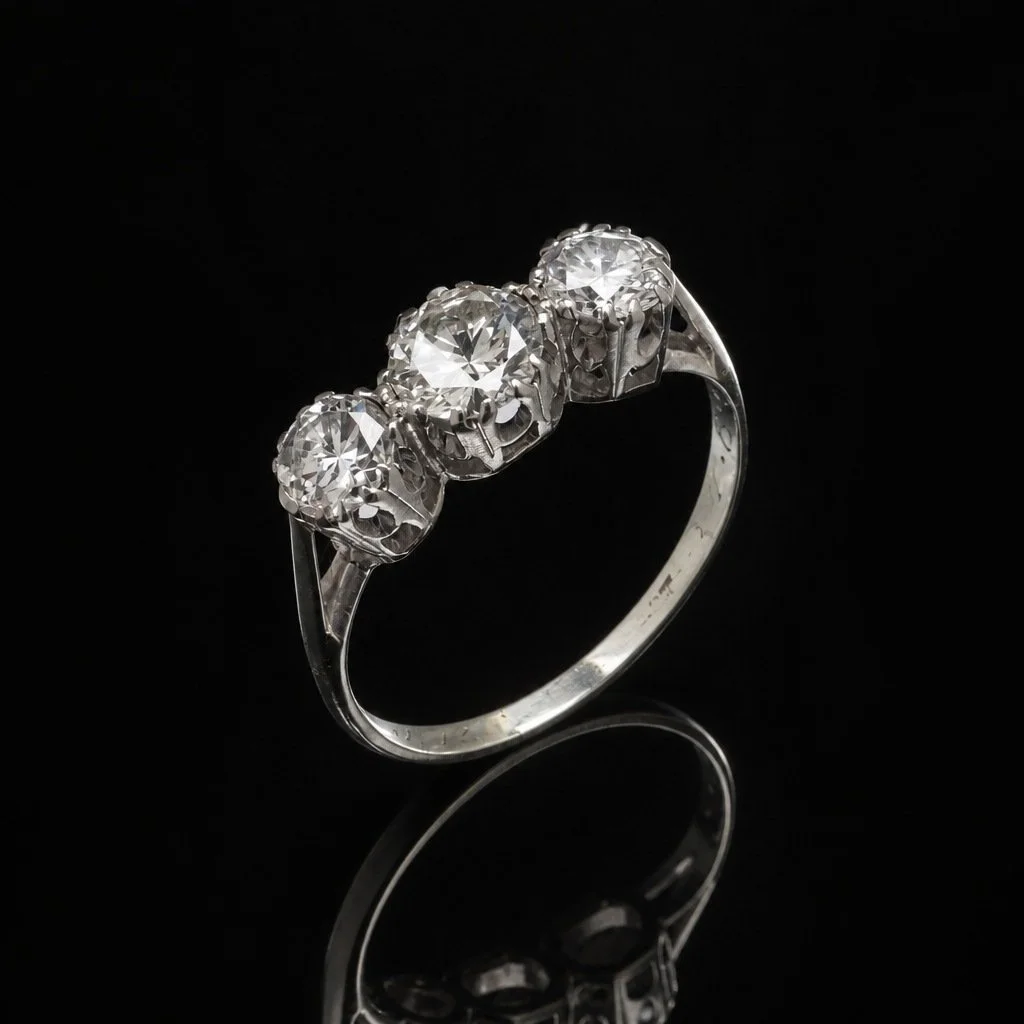
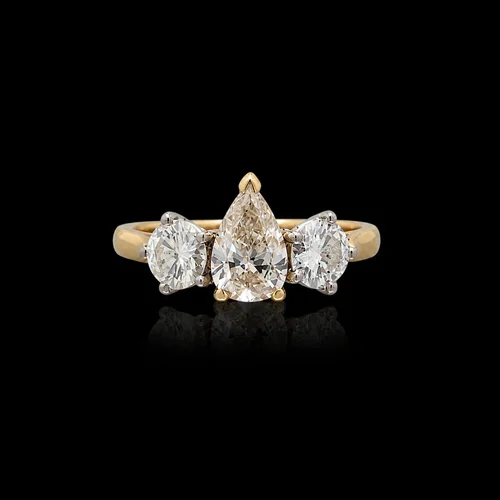
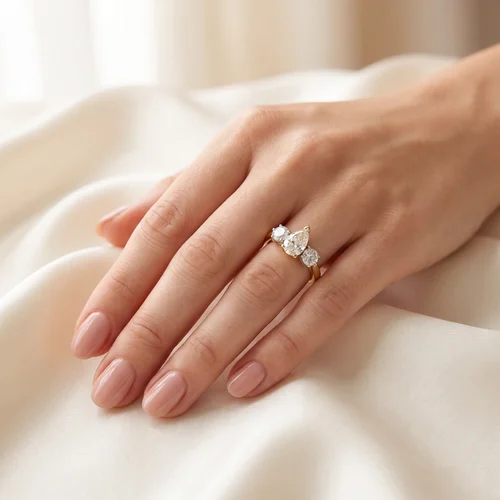
Three-stone diamond ring dated 1947 and inscribed
Three-stone diamond ring, about 1.30 ct, dated 1947 and inscribed, from our collection

Old and modern diamonds

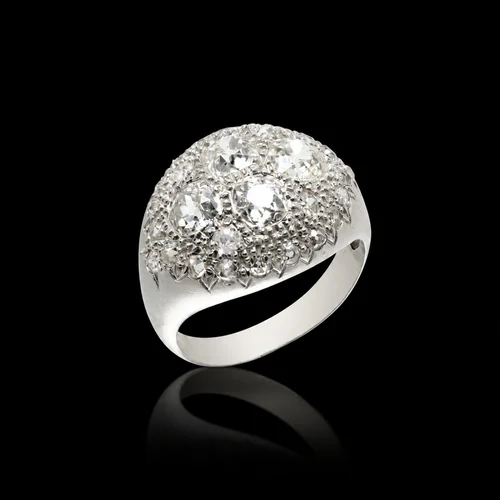
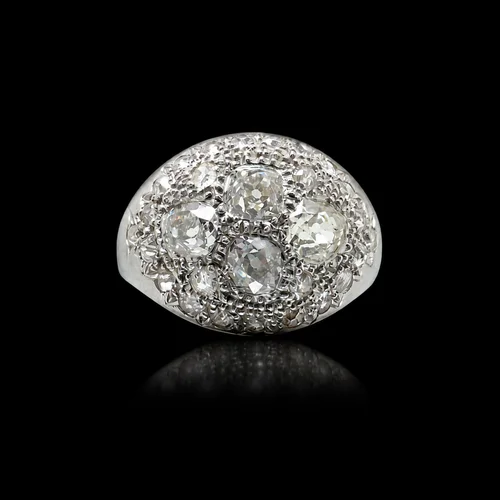
Fluorescence occurs in old and modern cuts alike. See our three-stone diamond ring dated 1947, the Art Deco old European cut diamond ring and the platinum 1.60 ct solitaire.

Diamond rings in stock

Shop all 124
Buying a diamond with fluorescence

  1. Read the report

    Grading reports state fluorescence strength and colour; treat it as one factor among the 4Cs.

  2. Look in daylight

    Check the diamond in daylight and indoor light; most fluorescent diamonds look no different from non-fluorescent ones.

  3. Consider the colour grade

    In near-colourless and faintly yellow diamonds, blue fluorescence can improve the face-up colour.

  4. Use it to identify

    Laboratories use fluorescence patterns to help identify diamonds and to separate natural from laboratory-grown stones.

Read more in our guide to the 4Cs and lab-grown vs natural diamonds.

Selling diamond jewellery? Send photographs for a free valuation. Post it to us by Royal Mail Special Delivery or book a free insured FedEx collection, or bring it to an appointment in Mayfair, London, or Braintree, Essex. You are paid the same day after inspection, by bank transfer.

Sources

Questions

What is diamond fluorescence?

Diamond fluorescence is the glow some diamonds give off under ultraviolet light, usually blue. About 25% to 35% of diamonds show some fluorescence, graded from None and Faint through Medium and Strong to Very Strong. In most diamonds it has no visible effect in normal light, and in lower colour grades blue fluorescence can make a stone look whiter.

Is fluorescence bad in a diamond?

Not usually. GIA research found that in most cases fluorescence does not affect a diamond's face-up appearance, and a 2021 study found little or no effect on transparency except in extremely rare stones. In lower colour grades, blue fluorescence can even make a diamond look whiter. Judge each stone by eye in daylight.

How common is fluorescence in diamonds?

In a GIA study of more than 26,000 diamonds submitted for grading, about 25% to 35% showed some fluorescence under a standard long-wave UV lamp. Most of it is blue, and most of it is faint or medium. Strong and very strong fluorescence are less common, and other colours, such as yellow or orange, are rare.

What are the fluorescence grades?

GIA grades diamond fluorescence by strength as None, Faint, Medium, Strong or Very Strong, and states the colour of the glow, usually blue, when it is Medium or stronger. Other laboratories use similar scales. The grade describes the glow under UV light, not how the diamond looks in daylight.

Can you see diamond fluorescence in daylight?

Generally not. Fluorescence is seen under ultraviolet light, such as a UV lamp, and daylight contains only a little UV, so most fluorescent diamonds look the same as non-fluorescent ones outdoors and indoors. In very rare stones with strong fluorescence and light-scattering defects, the diamond can look slightly hazy.

Does fluorescence affect a diamond's value?

It can, slightly, depending on the colour grade. In the top colour grades the market tends to treat strong fluorescence with caution, while in lower grades blue fluorescence can improve the face-up colour. Cut, colour, clarity and carat weight matter far more, and each diamond is best judged by eye.

Do old cut diamonds fluoresce?

Some do, just like modern diamonds, since fluorescence depends on the diamond's chemistry, not its cut. Old mine and old European cut diamonds in antique jewellery can show blue or other fluorescence under a UV lamp, and the pattern of fluorescence across a ring of old diamonds can help a specialist spot replacement stones.

Do you buy diamond jewellery?

Yes. We buy diamond rings, earrings, necklaces and brooches of every period, with or without grading reports. Send photographs for a free valuation, then post it by Royal Mail Special Delivery, book a free insured FedEx collection or visit us by appointment in Mayfair or Braintree. You are paid the same day after inspection, by bank transfer.