Silver marks and numbers: what 925, 800 and 950 mean
The number stamped on silver is its purity in parts per thousand. 925 is sterling (92.5% silver), 958 is Britannia, 950 is French first standard, 900 is coin silver and 800 is 80% silver, still solid. Marks such as EPNS or A1 mean silver plate, not solid silver.
Silver purity marks explained: what the numbers 925, 800, 950, 958 and 999 stamped on silver mean, a chart of every silver number stamp, and the marks such as EPNS and A1 that indicate silver plate rather than solid silver.
925 means sterling silver, 92.5% pure. 958 is Britannia silver (95.8%), 950 is French first standard (95%), 900 is coin silver (90%) and 800 is the common continental standard (80%). EPNS, EP, A1 or nickel silver mean the piece is plated, not solid silver.
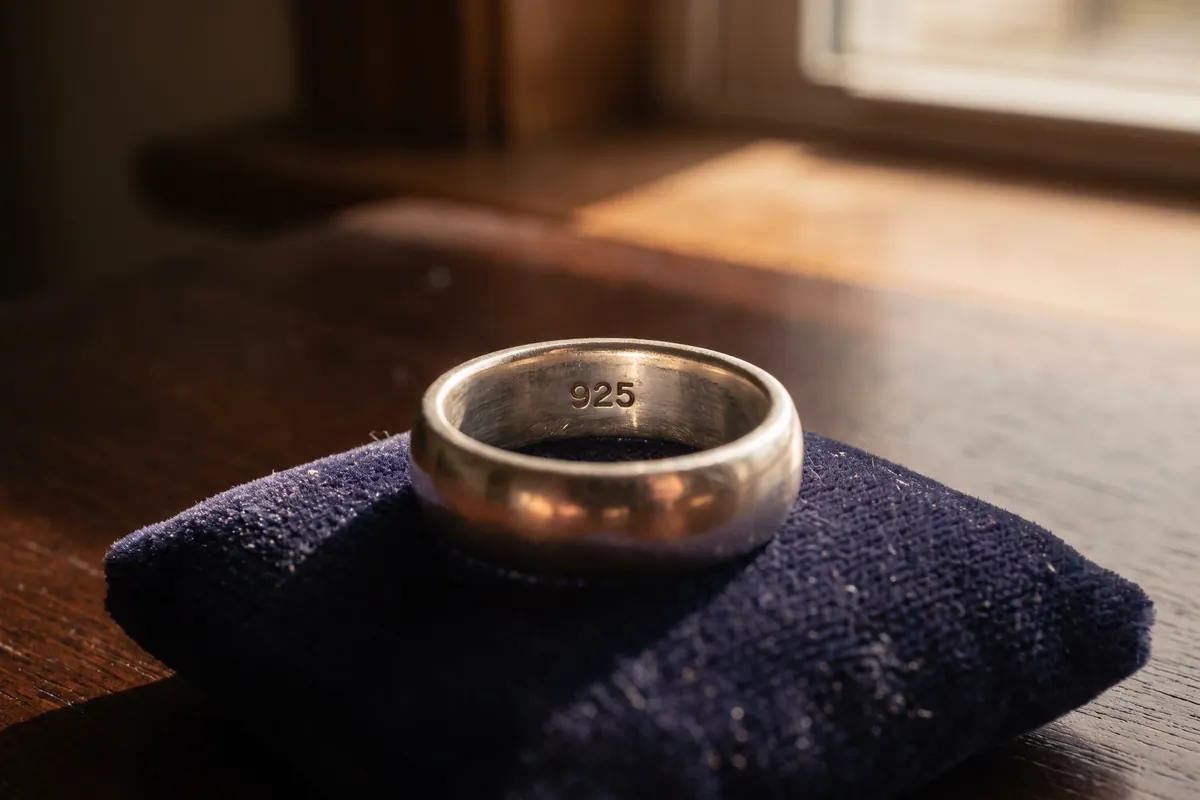
Every silver number, in one chart
Purity is measured in parts per thousand. These are the stamps you will see most often:
- Sterling92.5% silver
- Britannia95.8% silver
- French first standard95% silver
- Coin silver90% silver
- Continental80% silver
Find your number in the full chart below.
| Stamp | Purity | Where you'll see it |
|---|---|---|
| 999 / 9999 | 99.9%, fine silver | Bullion bars and coins. Too soft for most jewellery and tableware. |
| 958 | 95.8%, Britannia | British silver, often with the seated Britannia figure. Compulsory in Britain from 1697 to 1720. |
| 950 | 95%, French first standard | Fine French silver, usually with the Minerva head. Good French pieces deserve a specialist look, not the scrap pile. |
| 935 | 93.5% | Some Austro-Hungarian and German pieces, and modern Argentium silver. |
| 925 | 92.5%, sterling | The UK and international standard. Also marked Sterling, STG or with the lion passant. |
| 900 | 90%, coin silver | American coin silver of the 1800s, French second standard and much continental and South American silver. |
| 875 / 84 | 87.5% | Russian silver. The old "84" zolotnik mark equals 875. Russian pieces with clear maker's marks can be very collectable. |
| 850 | 85% | Some continental and older Swiss silver. |
| 835 | 83.5% | German and Dutch silver, common on 20th century tableware. |
| 830 | 83% | Scandinavian silver from Denmark, Norway and Finland, often stamped 830S. |
| 813 | 81.3%, "13 lot" | Older German and Austrian silver under the lot system. |
| 800 | 80% | The most common continental standard: German (crescent moon and crown), Italian and Egyptian silver. |
| 750 | 75%, "12 lot" | Old German lot-system silver. On gold, 750 means 18 carat, which is a different metal entirely. |
Older systems convert like this. German lot marks: 12 lot is 750, 13 lot is 813, 14 lot is 875, 15 lot is 938. Russian zolotniks: 84 is 875, 88 is 916, 91 is 947.
Marks that look like silver, but aren't
These marks are often mistaken for silver standards. None of them mean solid silver.
- ElectroplateSilver plated
- Quality gradeSilver plated
- German cutleryPlated, not 90%
| Mark | What it actually means |
|---|---|
| 90, 100 or 150 | Found on continental, especially German, cutlery. Not a purity. It is the weight in grams of silver used to plate a set of 12 spoons and 12 forks. The cutlery is plated. |
| A1, AA, A | A quality grade for plated ware. A1 means best quality plate, but still plate. |
| EPNS, EPBM, EP | Electroplated nickel silver or Britannia metal: a thin layer of silver over a base metal. |
| Nickel silver, German silver, Alpacca, NS | A copper, nickel and zinc alloy that contains no silver at all. The name refers to the colour. |
| Sheffield plate | Silver fused onto copper, made from the 1740s until about the 1840s. Not solid, but genuine Old Sheffield Plate is collectable in its own right. |
| Four-digit numbers | Usually a pattern or model number. "1847 Rogers Bros" is a plate brand, not a date. |
Solid or plated: a ten second check
- Look for a number. 800, 830, 835, 900, 925, 950 or 958 means solid silver.
- Look for letters. EPNS, EP, EPBM, A1, Alpacca, nickel silver and German silver all mean plated or no silver.
- Check the wear points. Plate rubs through on rims, handles and feet, showing a yellower or greyer metal underneath. Solid silver is the same colour all the way through.
- Try a magnet. Silver isn't magnetic. If a magnet pulls, the piece has a base metal core.
More home tests are in how to tell if silver is real.
British hallmarks in brief
On British silver the purity mark is one of several marks in a row. Since 1999 three are compulsory: the sponsor's mark (the maker or importer's initials), the fineness mark (such as 925) and the assay office mark. The lion passant and the date letter are optional on modern pieces but appear on almost all older ones.
The four assay offices working today each have their own town mark:
To date a piece from its letter, see how to read silver hallmarks.
What the mark means for value
The purity mark sets a floor, not a price. For plain modern silver, the mark and the weight are most of the story. For anything older, or by a named maker, the mark is the least interesting thing about it.
Not sure what your marks mean? Send us a photograph for a free identification.
Get a free valuationFor today's prices by weight, see scrap silver value and what 1g of silver is worth.
Silver markings: where to look and what to read first
Silver markings are the small stamps struck on a piece to show what it is made of. Look on the back of a brooch or pendant, inside a ring shank, on the base of a cup or the back of a spoon handle. Read the number first: 925 is sterling, 958 Britannia, 950 French first standard, 900 coin silver and 800 continental silver. On British pieces you will usually also find a lion passant, a town mark and a date letter instead of, or as well as, a number. Letters such as EPNS, EP or A1 are not silver markings at all: they mean the piece is plated. If the marks are worn or unfamiliar, send us a photograph and we will read them for you.
Questions
What does 925 mean on silver?
925 means sterling silver: 925 parts in 1,000 are pure silver and the rest, usually copper, adds strength. It's the standard for British jewellery, cutlery and tableware.
What is 950 silver?
950 is French first standard silver, 95% pure, so slightly finer than sterling. It usually comes with the Minerva head mark. Good French 950 pieces by makers such as Odiot or Puiforcat can be worth well above their metal value.
What does 958 mean?
958 is Britannia standard silver, 95.8% pure. You may see the seated Britannia figure, the number 958, or both.
Is 800 silver real silver?
Yes. 800 silver is 80% pure and solid. It is worth less per gram than sterling, but heavy or well made pieces can still be valuable.
What does 900 mean on silver?
900 means 90% pure, often called coin silver. It's common on American silver of the 1800s and on continental pieces.
What does EPNS mean?
Electroplated nickel silver: a thin layer of silver over a base metal. It isn't solid silver and has very little metal value. EPNS or sterling?
What does A1 mean on silver?
A1 is a quality grade for plated ware, not a purity. An A1 piece is good quality plate, but it isn't solid silver.
How do I find the year my silver was made?
Find the assay office mark, then the date letter, and look it up in that office's date letter table. Date letters have been optional since 1999. How to read silver hallmarks
What is the purest silver number?
999 is fine silver, 99.9% pure. It is too soft for most jewellery and tableware, so it is mainly used for bullion bars and coins. 958 (Britannia) and 950 are the purest standards in regular use for wrought silver.
Where is the silver mark usually found?
On rings it is inside the shank, on chains near the clasp, on cutlery on the back of the stem, and on hollowware under the base or near the rim. Lids and detachable parts were often marked separately.
What is a silver grades chart?
A grades chart lists the common silver standards by their number: 999 fine, 958 Britannia, 950, 925 sterling, 900 coin silver, 835, 830 and 800. The number is the parts of pure silver in 1,000.
Request a free silver valuation
Clear photographs are usually enough for an initial valuation. Please include:
- The whole piece, including the underside
- The hallmarks or stamps, close up
- Any dents, repairs or missing parts
Please do not polish your silver beforehand. Tarnish does not affect the valuation, and polishing can wear away fine detail. Caring for antique silver
- Send photographsUse this form or send them by WhatsApp.
- Receive your valuationA specialist identifies your silver and makes you an offer, within one working day.
- Sell if you wishVisit us by appointment, send it by Royal Mail Special Delivery or book a collection. Payment is by bank transfer the same day we receive it.
Your free valuation
There is no obligation to sell. We reply by email, within one working day.
Prefer WhatsApp? Send photos to 07494 214652
More silver guides
- Silver price and valuationHow silver is priced, and why your piece may be worth more than its weight.
- Scrap silver valueHow scrap silver is priced, and what counts as scrap.
- What is 1g of silver worth?Today's value of a gram of sterling and fine silver.
- What is 1 oz of silver worth?The live price per troy ounce, and why a kitchen ounce is different.
- What is 1kg of silver worth?A kilo of sterling and fine silver, worked out for you.
- Is it real silver?Simple checks at home, from magnets to hallmarks.
- Silver cutlery valueWhat a canteen of silver cutlery is worth, piece by piece.