Silver Price & Valuation Guide (UK) | Mozeris Fine Antiques
Expert Guide

Silver Price & Valuation Guide (UK)

Understanding silver prices in the UK can be complex. This comprehensive guide explains what affects silver value, how different types of silver are priced, and how to ensure you receive a fair valuation for your silver items.

Get a Free Silver Valuation
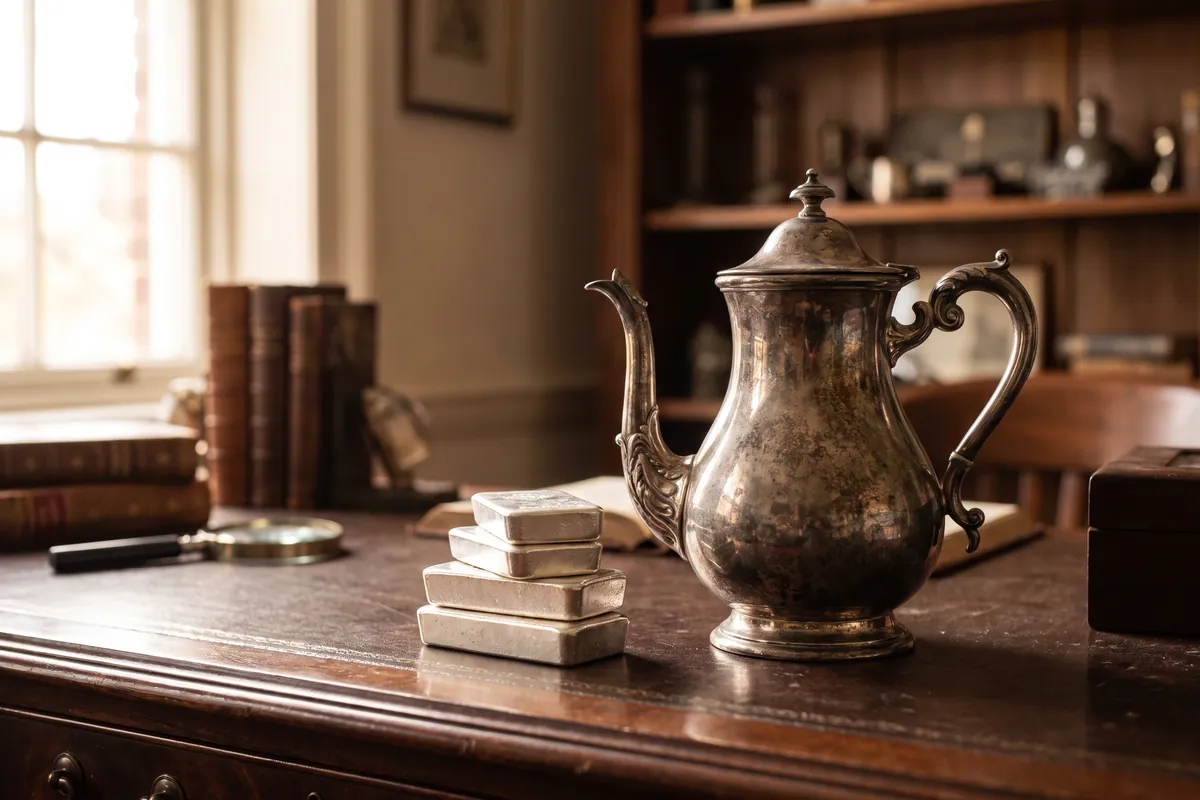
Sterling silver collection - professional silver valuation

What Affects Silver Prices in the UK?

The price of silver in the UK is influenced by several factors, from global commodity markets to the specific characteristics of your individual items. Whether you're looking to sell scrap silver, sterling silver, or antique silver, understanding these factors will help you make informed decisions.

Silver prices fluctuate daily based on the international spot price, which is set by commodity exchanges worldwide. However, the actual value you receive for your silver depends on much more than just the current spot price—purity, condition, craftsmanship, and historical significance all play important roles.

Global Spot Price

The international silver price, quoted in USD per troy ounce, forms the baseline for all silver valuations in the UK.

Purity & Hallmarks

Sterling silver (92.5% pure) commands different prices than continental silver or silver plate. UK hallmarks verify authenticity.

Condition & Age

Antique silver in excellent condition may be worth significantly more than its melt value due to collectible demand.

Ready to Find Out What Your Silver Is Worth?

Our experts provide free, no-obligation valuations for all types of silver items.

Get Your Free Valuation

Silver Price Today in the UK

When people ask "how much is silver worth today?", they're typically referring to the spot price—the current market price for immediate delivery of pure silver. This price is quoted internationally in US dollars per troy ounce and is converted to pounds per gram for UK transactions.

Spot Price vs Real-World Selling Price

It's important to understand that the silver price per gram UK you see quoted on financial websites represents the theoretical value of 100% pure silver. In practice, the price you receive when selling silver will differ for several reasons:

  • Purity variations: Most silver items are not 100% pure. Sterling silver is 92.5% silver, while other alloys may contain even less.
  • Refining costs: Scrap silver must be refined to extract pure silver, which incurs processing costs.
  • Dealer margins: Buyers need to cover operational costs and maintain profitability.
  • Market conditions: Local supply and demand can affect the prices dealers offer.

Understanding Silver Quotes

When reviewing silver prices, always check whether the quote is for pure silver (999 fine) or sterling silver (925). A reputable dealer will be transparent about how they calculate their offers based on your item's actual silver content.

Scrap Silver Prices Explained

Scrap silver refers to silver items that are valued primarily for their metal content rather than their form or craftsmanship. Understanding scrap silver value is essential if you're looking to sell damaged, broken, or unwanted silver items.

What Counts as Scrap Silver?

Items typically sold as scrap silver include:

  • Damaged or broken silver jewellery
  • Worn or incomplete flatware sets
  • Dented or damaged silver holloware
  • Silver items with missing parts
  • Heavily tarnished pieces beyond restoration
  • Single earrings or broken chains
  • Silver dental fillings and other industrial silver

How Scrap Silver Is Valued

The value of scrap silver is calculated using a straightforward formula:

  1. Weight: The item is weighed in grams or troy ounces
  2. Purity: The silver content is determined (e.g., 92.5% for sterling)
  3. Current price: The spot price is applied to calculate the pure silver value
  4. Percentage offered: Dealers typically offer 70-90% of the calculated value

Tip: Always Get Multiple Quotes

Scrap silver prices can vary significantly between dealers. Getting valuations from several reputable buyers ensures you receive a competitive offer for your items.

Antique silver items for valuation

Expert Silver Assessment

Our specialists examine every aspect of your silver items, from hallmarks and maker's marks to condition and craftsmanship. This thorough approach ensures you receive the most accurate valuation possible.

Whether you have a single piece or an entire collection, we provide the same level of care and attention to detail.

Get Expert Valuation

Sterling Silver (925) Value

Sterling silver, marked as 925, contains 92.5% pure silver alloyed with 7.5% other metals (usually copper) for durability. Understanding sterling silver value is important because it represents the most common form of silver in household items and jewellery.

What Is Sterling Silver?

Sterling silver has been the standard for quality silver goods in Britain since the 12th century. The 925 hallmark indicates that the item contains at least 92.5% pure silver by weight. This alloy provides an excellent balance between the beautiful appearance of silver and the practical durability needed for everyday items.

Why Sterling Silver Can Be Worth More Than Scrap

While some sterling silver items are sold as scrap, many are worth considerably more due to:

  • Maker's marks: Items by renowned silversmiths command premium prices
  • Age and rarity: Antique pieces may have collectible value
  • Condition: Well-preserved items retain more value
  • Craftsmanship: Intricate designs and quality workmanship add value
  • Complete sets: Full flatware or tea sets are more desirable

Common Sterling Silver Items

Flatware & Cutlery

Spoons, forks, knives, and serving pieces—especially complete sets by quality makers.

Jewellery

Rings, bracelets, necklaces, earrings, and brooches crafted from sterling silver.

Tea Sets & Holloware

Teapots, coffee pots, sugar bowls, cream jugs, and decorative pieces.

Antique Silver vs Scrap Silver

One of the most important distinctions in silver valuation is whether an item should be sold as antique silver (valued for its collectible worth) or as scrap silver (valued only for its metal content). Getting this wrong can mean losing significant value.

When Silver Is Collectible

Silver items may command prices well above their scrap value when they possess:

  • Historical significance: Items connected to notable events, people, or periods
  • Prestigious makers: Pieces by renowned silversmiths like Paul Storr, Hester Bateman, or Georg Jensen
  • Exceptional craftsmanship: Intricate hand-worked designs and superior quality
  • Rarity: Unusual forms, limited production, or scarce patterns
  • Complete provenance: Documented ownership history adds value
  • Excellent condition: Original finish without damage or excessive wear

When Silver Is Best Sold as Scrap

Some silver items are better sold for their metal content:

  • Heavily damaged pieces beyond economical repair
  • Mass-produced items with no collectible interest
  • Incomplete sets missing key pieces
  • Items with no maker's marks or hallmarks
  • Modern silver with little craftsmanship value
Factor Antique/Collectible Value Scrap Value Only
Age Over 100 years old Modern or recent
Maker Known silversmith Unknown or unmarked
Condition Good to excellent Poor or damaged
Rarity Uncommon or rare Mass-produced
Completeness Complete set/piece Incomplete or single items

Expert Assessment Is Essential

If you're unsure whether your silver has collectible value, always seek a professional opinion before selling. A knowledgeable dealer can identify valuable pieces that might otherwise be sold as scrap.

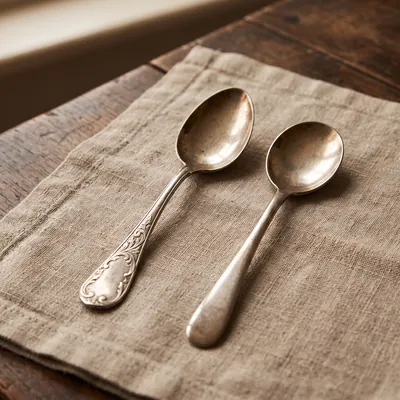
Silver flatware and cutlery collection

Maximising Your Silver's Value

Understanding whether your silver should be sold as antique or scrap can make a significant difference to the price you receive. Our experts help ensure you never undersell valuable pieces.

We assess every item for both its metal content and its potential collectible value, giving you complete transparency.

Request Free Assessment

How Silver Is Valued

Professional silver valuation considers multiple factors to arrive at a fair price. Understanding this process helps you know what to expect and ensures you receive appropriate value for your items.

Weight

Silver is weighed precisely using calibrated scales. The weight forms the foundation of any valuation calculation.

Purity

Hallmarks indicate silver content. Items may be tested if unmarked to determine their actual purity.

Condition

The state of the item affects value significantly. Damage, repairs, and wear all impact the final offer.

Market Demand

Current collector interest and market trends affect prices for antique and decorative silver items.

How to Get a Professional Silver Valuation

Getting a professional valuation is the first step to understanding what your silver is worth. A reputable dealer will provide a transparent, no-obligation assessment of your items.

The Valuation Process

  1. Initial contact: Describe your items or submit photographs for a preliminary assessment
  2. Physical examination: The dealer inspects your silver, checking hallmarks, weight, and condition
  3. Research: Collectible items may require additional research into maker, pattern, and comparable sales
  4. Valuation: You receive a clear explanation of how the value was determined
  5. Offer: If selling, you'll receive a firm offer with no obligation to accept

What to Expect from a Reputable Dealer

  • Transparency: Clear explanation of how values are calculated
  • No pressure: Genuine dealers don't use high-pressure sales tactics
  • Written offers: Formal quotes you can consider at your leisure
  • Expert knowledge: Ability to identify valuable pieces and provide accurate assessments
  • Fair prices: Competitive offers reflecting current market conditions

Get Your Free Silver Valuation Today

Our experienced team provides honest, transparent valuations with absolutely no obligation to sell. Find out what your silver is really worth.

Request Free Valuation
Silver jewellery and precious metals

Frequently Asked Questions

Common questions about silver prices and valuations in the UK

How much is silver worth today in the UK?

The silver price in the UK fluctuates daily based on international markets. The spot price is quoted in pounds per gram or per troy ounce. However, the actual price you receive for silver items depends on their purity, condition, and whether they have collectible value beyond their metal content. For sterling silver (92.5% pure), you would typically receive around 70-90% of the calculated silver value when selling as scrap.

Is sterling silver worth more than scrap silver?

Sterling silver and scrap silver are not mutually exclusive—sterling silver can be sold as scrap. The question is whether a sterling silver item has value beyond its metal content. Well-crafted sterling silver pieces by notable makers, in good condition, or with historical significance can be worth significantly more than their scrap value. Damaged or unremarkable sterling silver items are typically valued at their scrap worth.

Can antique silver be worth more than its silver content?

Yes, absolutely. Antique silver can be worth many times its scrap value depending on factors such as age, maker, rarity, condition, and current collector demand. A Georgian silver teapot by a renowned maker might sell for thousands of pounds, far exceeding its melt value. This is why it's essential to have silver items assessed by someone knowledgeable about both the metal value and the antiques market.

Where is the best place to sell silver in the UK?

The best place to sell silver depends on what you're selling. For antique or collectible silver, a specialist dealer or auction house may achieve better prices. For scrap silver, established precious metals dealers typically offer competitive rates. Key factors to consider include: reputation and reviews, transparency in pricing, whether they assess collectible value (not just scrap), and whether they provide written valuations. Avoid pawnshops or "cash for gold" shops that often pay below-market rates.

How do I know if my silver is real?

British silver items should bear hallmarks indicating their silver content and origin. Look for marks such as the lion passant (sterling silver), date letters, maker's marks, and assay office symbols. Items marked "EPNS" (Electroplated Nickel Silver) or "silver plate" are not solid silver. If you're unsure, a reputable dealer can test your items to determine their silver content accurately.

Ready for Your Free Silver Valuation?

Whether you have scrap silver, sterling silver flatware, or antique silver pieces, our expert team is here to help. We provide honest, transparent valuations with no obligation to sell.