Where Britain's Buried Treasure Turns Up: The County Hotspots
A new ranking puts the Isle of Wight and Dorset at the top. The government's own figures tell a slightly different story, and both are worth knowing.
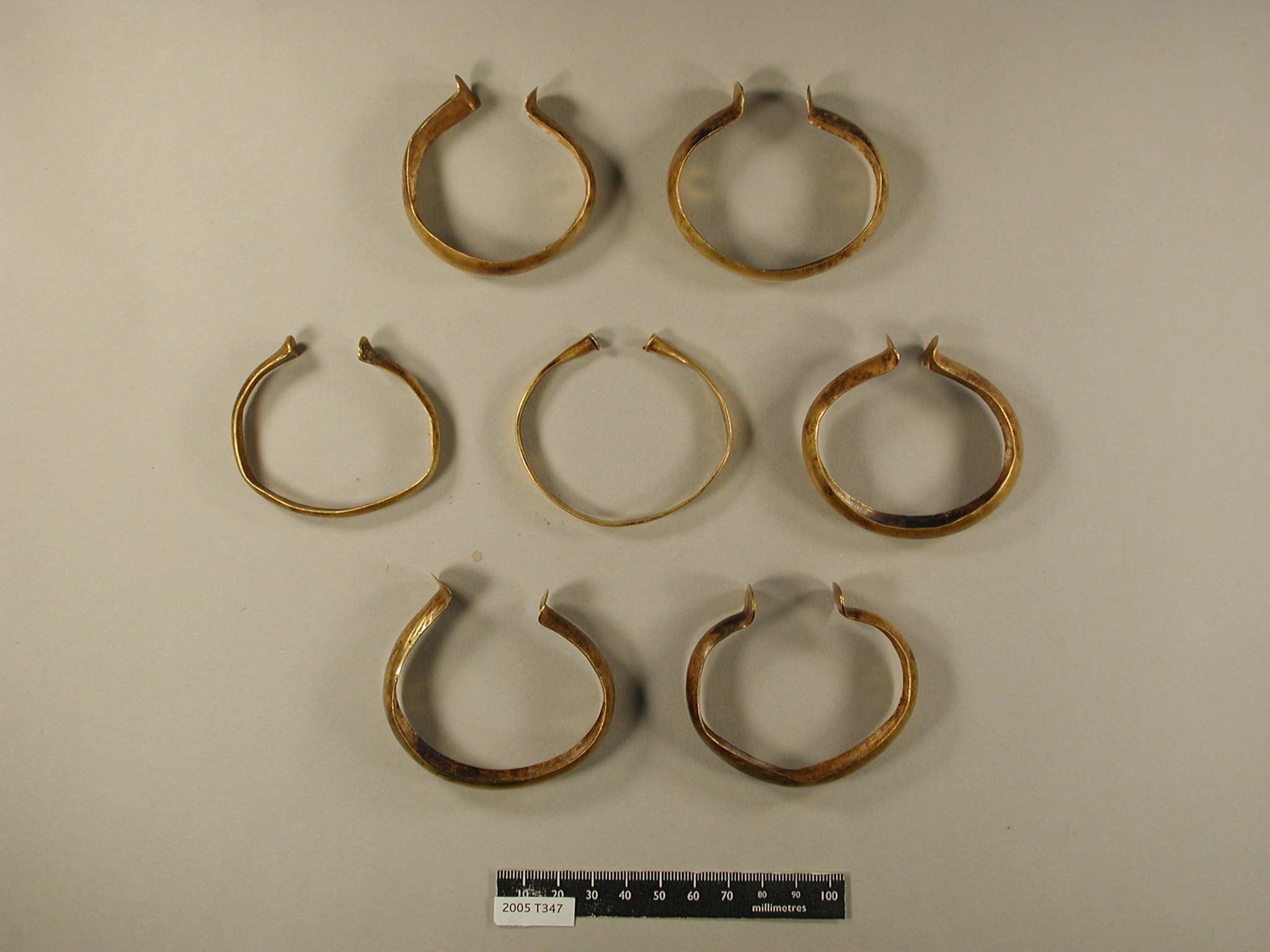
Norfolk reported more Treasure finds than any other county in 2023, with 108, according to the latest government statistics, and the East of England was the leading region. A new BullionVault ranking, which adjusts for land area, puts the Isle of Wight first and Dorset second.
Two ways to rank the hotspots
On 15 October 2026, ahead of International Archaeology Day, the bullion dealer BullionVault published a ranking of 85 counties and historic areas of England, Scotland and Wales. It scored each area on Treasure finds and on scheduled monuments, both measured per 100 square kilometres, then combined the two. The Isle of Wight came first, followed by Dorset, Wiltshire, Midlothian and South Glamorgan, with Hampshire, North Yorkshire, East Lothian, Cornwall and West Sussex completing the top ten. BullionVault said its Treasure figures for England and Wales cover gold finds recorded by the British Museum, while Scottish areas were scored on coin finds, so the two are not directly comparable.
Count the raw number of finds instead and the picture changes. BullionVault itself noted that Norfolk has recorded more Treasure than anywhere else in Britain, but its wide open farmland spreads those finds over a large area, so it falls outside the density top ten.
What the government figures say
The official statistics, published by the Department for Culture, Media and Sport on 6 November 2025, give final figures for 2023. Norfolk led with 108 reported Treasure finds, followed by Hampshire (92), Essex (85), Lincolnshire (74) and North Yorkshire (69). The East of England was the leading region with 303 finds, almost a quarter of the total. Provisional figures for 2024 put the national total at 1,540, the highest since records began, with Norfolk again first.
The same release says 95% of the 2023 finds were made by metal detecting. Most were objects rather than coins, and the largest share dated from the post-medieval period, the 15th to 18th centuries.
What counts as Treasure
The Treasure Act 1996 covers England, Wales and Northern Ireland. In broad terms it applies to objects at least 300 years old that contain a meaningful amount of gold or silver, groups of old coins found together, and, since 30 July 2023, certain significant metal objects over 200 years old. Finders must report possible Treasure within 14 days, usually through their local Finds Liaison Officer. Scotland has a separate system, Treasure Trove, under which all archaeological finds must be reported.
The Mozeris view
Most of what comes out of a British field is not Treasure, and much of it is modern: lost rings, coins and buttons. Once a find has been reported where required, and the finder and landowner have settled who owns it, what drives interest is the same as for any antique: what it is, its date, its metal, its condition and whether it can be identified with confidence. Never clean a find before it has been looked at, and keep a note of where and when it was found.
More from Mozeris News
Looking to buy or sell? Get in touch
We buy and sell antique and vintage jewellery, watches, silver and collectables, with free valuations and free insured collection.
About Mozeris Fine Antiques
Mozeris Fine Antiques is a dealer in fine jewellery, watches and silver, with offices in Mayfair, London, and Braintree, Essex. We buy and sell, and offer free valuations. Visits are by appointment.
- BullionVault, "Where Is Britain's Buried Treasure? The UK's Top Treasure Hotspots Revealed", 15 Oct 2026
- GOV.UK, Reported Treasure Finds 2023 and 2024: statistical release, 6 Nov 2025
- GOV.UK, Report treasure
Figures are those published by BullionVault and the Department for Culture, Media and Sport. Mozeris Fine Antiques is not connected with BullionVault, the British Museum or the Portable Antiquities Scheme. This article is general information, not legal advice.