Trade
The monthly assay numbers are one of the few hard measures of how much new jewellery Britain is making, and September's were mixed.
The September figures
Every piece of gold, silver, platinum or palladium sold as such in the UK above set weights must be tested and hallmarked by one of four assay offices: London, Birmingham, Sheffield or Edinburgh. Their monthly totals, compiled by Birmingham Assay Office, are a useful measure of how much new jewellery and silverware the trade is producing.
According to Something About Rocks, which reported the September 2026 figures on 14 October, 552,911 articles were hallmarked in the month, down 28% on September 2025. Silver fell hardest, down 42% to 233,678 articles, mostly sterling. Gold was down 13% to 286,677, and platinum down 15%. Palladium rose 44%, from a small base.
Gold by purity
Within gold, the picture split by carat. The report gives falls of 19% for 9ct, 27% for 14ct and 6% for 18ct. The exception was 22ct, which rose 17%.
22ct gold, hallmarked 916 for 91.6% pure gold, has long been the standard for much Asian bridal and gift jewellery in Britain. Jayant Raniga, chief executive of the London retailer PureJewels, told Something About Rocks that 22ct "is all about stock turn". The report links part of the rise to PureJewels' own 22ct collections, which it has started to wholesale through a jeweller in Blackburn whose customers are mainly non-Asian.
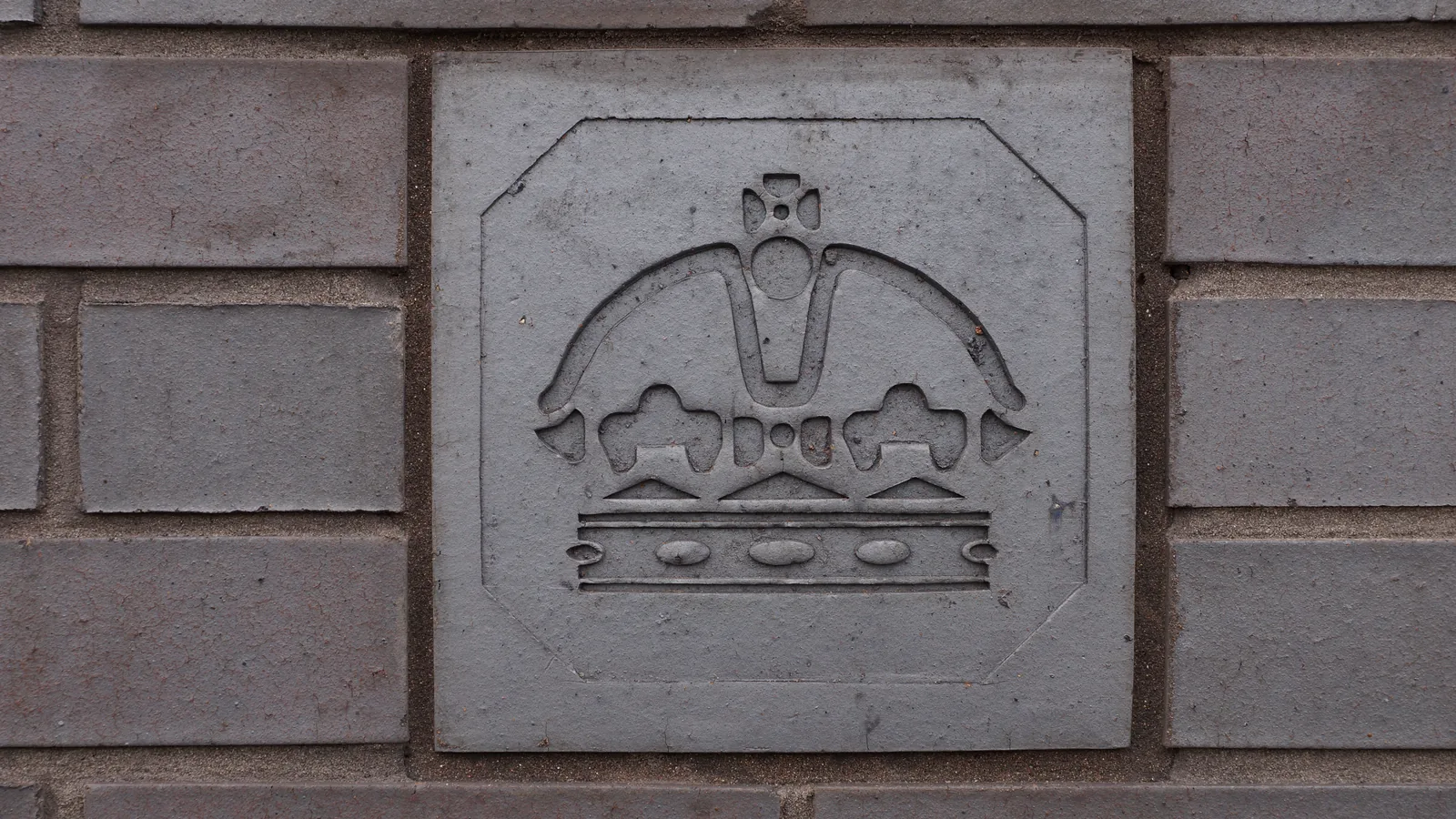
A hallmark is a legal guarantee of fineness, and it is also a piece of history stamped into the metal.
Why hallmarks matter when you sell
For new jewellery, a hallmark guarantees the purity of the metal. For older pieces it does more: the assay office mark, the date letter and the maker's mark can tell us where and when a piece was made, and by whom. A Georgian or Victorian date letter, or the mark of a known maker, can make a piece more interesting to collectors than its gold content alone would suggest.
If you are selling hallmarked jewellery or silver, do not let anyone treat it as anonymous scrap. Ask what the marks say, and ask for each piece to be assessed on its own.
Sell to Mozeris
Found something, or inherited a piece? We buy by post and in person.
Free insured collection from your door, or post it to us. Insured to £10,000, paid the same day you accept our offer, and nothing is sold until you say yes.
Sell antiques by postSell gold by post
5.0on Google from 141 reviewsMore from Mozeris News
All news MarketsSilver and Gold End a Heavy Week Lower as Oil Tops $117A jump in oil prices and a firm dollar kept pressure on precious metals into the weekend, with the US central bank up next.26 October 2026 2 min read
 MarketsGold Falls Toward $4,000, a Near Three-Month LowA sell-off in technology shares and a jump in oil pushed gold to its lowest level since July, and silver followed it down.23 October 2026 3 min read
 CoinsRoyal Mint Hides a Gold Snowman 50p in Its 2026 Advent CalendarBehind door 24 of every calendar is a colour Snowman 50p. In just one, it is solid gold.16 October 2026 2 min read
 MarketsGold and Silver in October 2026: What Moved the MarketA week of mixed signals: gold felt the pull of higher borrowing costs while silver, the more industrial metal, often went its own way.21 October 2026 3 min read