Did a Freak Tide Wash Away King John's Jewels?
More than 800 years on, the story of England's lost royal treasure is still argued over, and the Times has returned to it this month.
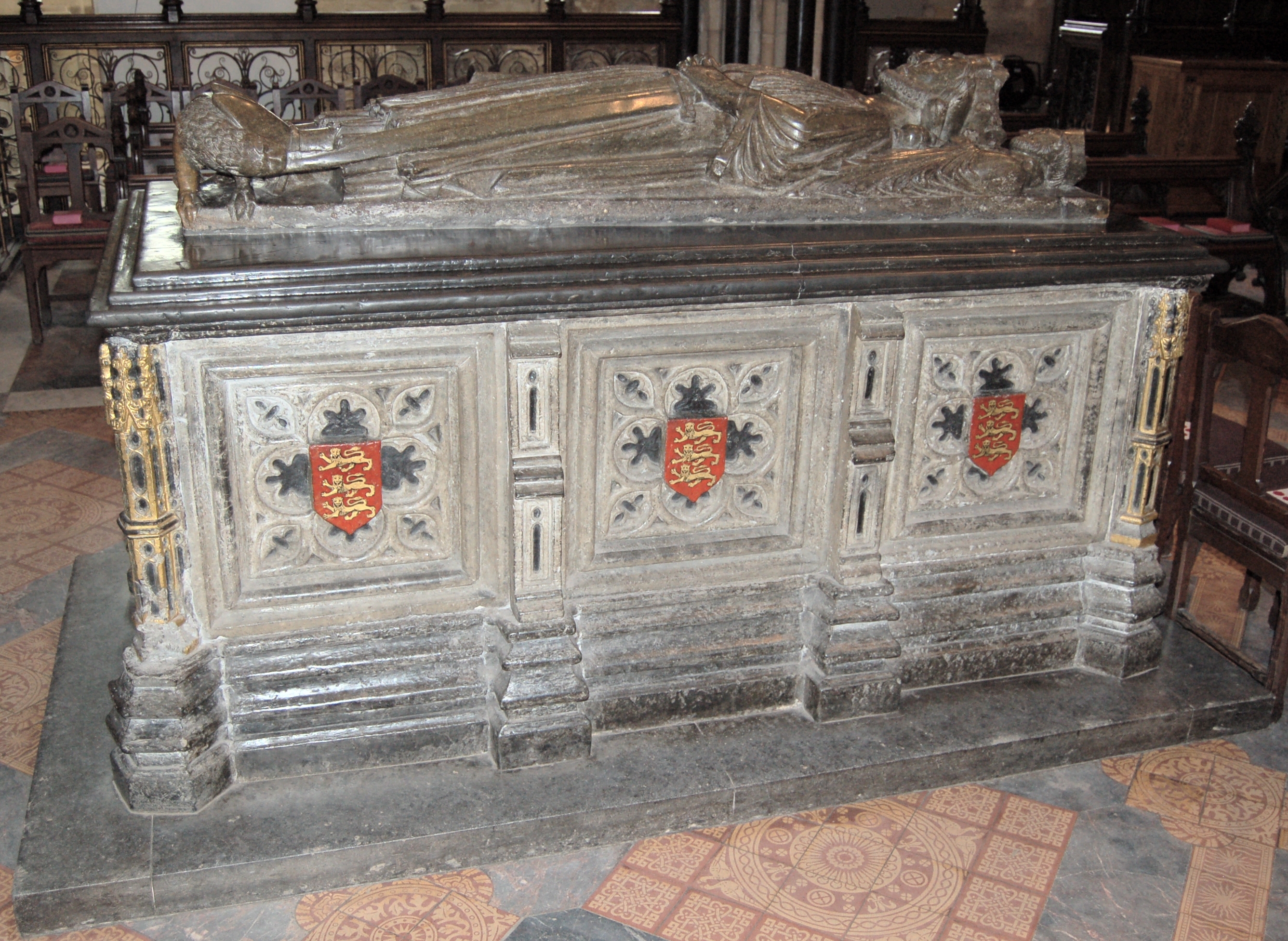
In October 1216, during the First Barons' War, part of King John's baggage train was lost to the tide while crossing the Wash between Lincolnshire and Norfolk, and chroniclers wrote that his treasure went with it. John died at Newark Castle on 19 October 1216. No royal treasure has ever been recovered.
The story
In October 1216 King John was fighting the First Barons' War against rebel barons and the invading Prince Louis of France. Travelling from King's Lynn, he sent his baggage across the edge of the Wash, the wide tidal estuary between Lincolnshire and Norfolk, while he went round by a longer route. The crossing is traditionally dated to 12 October. The chronicler Roger of Wendover wrote that the ground opened up in the water and whirlpools swallowed men, horses and treasure.
John was already ill with dysentery. He died at Newark Castle on 19 October 1216, and his nine-year-old son was crowned Henry III at Gloucester later that month. The Times returned to the question on 18 October 2026 ("Did a freak tidal wave wash away King John's jewels?"), asking whether a freak tide really carried the jewels away.
What may have been lost
No one knows exactly what was in the carts. Historians have pointed to records of cups, dishes, rings and crosses gathered in 1215, and John may have held more than one set of regalia, possibly including one that had belonged to his grandmother, the Empress Matilda. Many historians accept that at least one crown was lost.
Why some doubt it
Regalia was available for Henry III's coronation, and the royal accounts after 1216 show no sudden shortage of money. That has led some historians to argue that the loss was smaller than the chroniclers claimed, or that valuables were taken by others in the confusion. The landscape has also changed beyond recognition: the medieval estuary has been drained and farmed, and the old shoreline now lies under fields, much of it privately owned.
Searches have come and gone, from early 20th century surveys to modern digs near Walpole Marsh and claims from metal detectorists near Sutton Bridge. None has produced a royal object.
The Mozeris view
Stories like this explain why people still dream of finding treasure in East Anglia, which reports more finds than any other English region. Real finds are almost always smaller: a ring, a coin, a buckle. If you find something, report it where the law requires, do not clean it, and have it identified before anything else happens. What drives interest is what a piece is, its date, its metal and its condition, not the legend attached to it.
More from Mozeris News
Looking to buy or sell? Get in touch
We buy and sell antique and vintage jewellery, watches, silver and collectables, with free valuations and free insured collection.
About Mozeris Fine Antiques
Mozeris Fine Antiques is a dealer in fine jewellery, watches and silver, with offices in Mayfair, London, and Braintree, Essex. We buy and sell, and offer free valuations. Visits are by appointment.
Historical account summarised from the sources listed. Mozeris Fine Antiques is not connected with The Times or any search for King John's treasure. The photograph shows a piece from our own stock.