Diamond Jewellery
Antique & Vintage Diamond Brooches
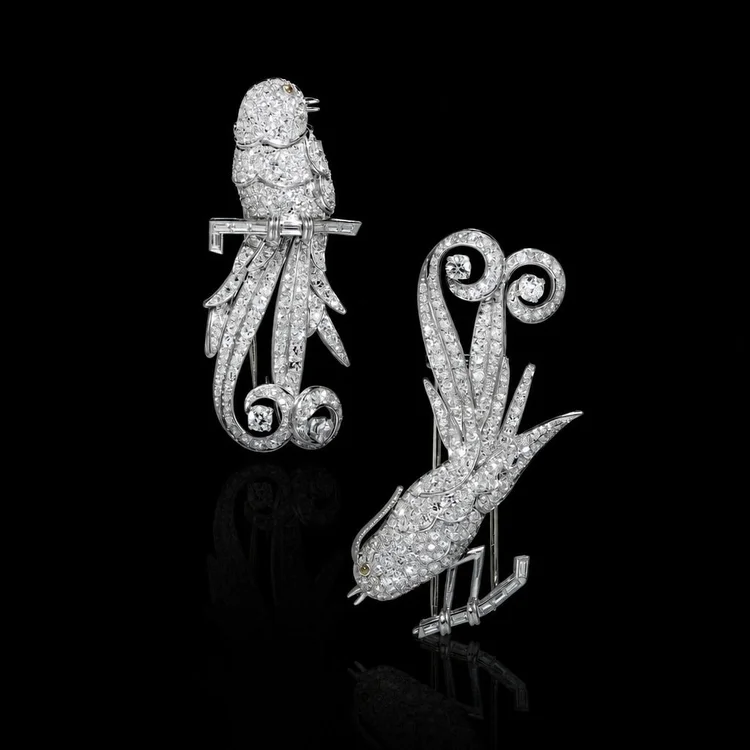
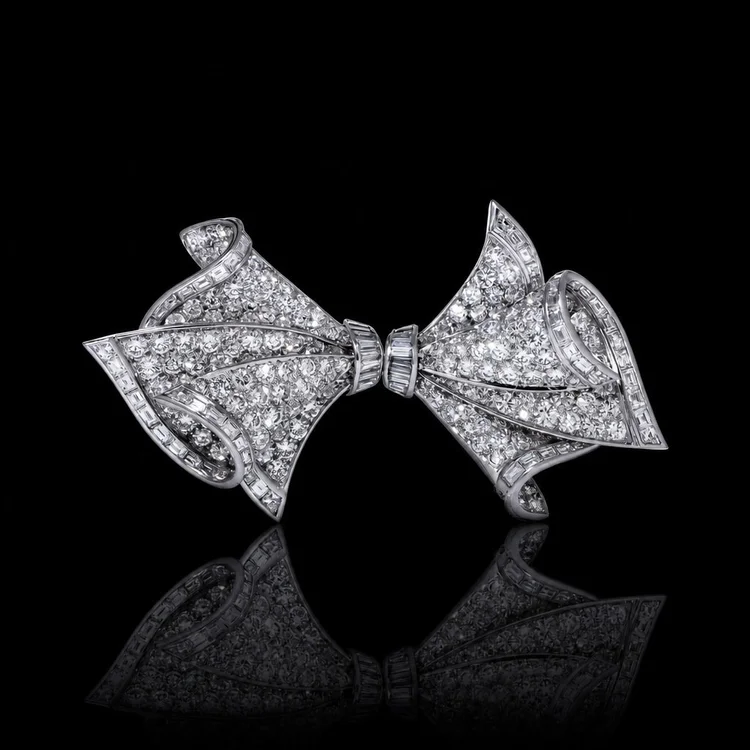
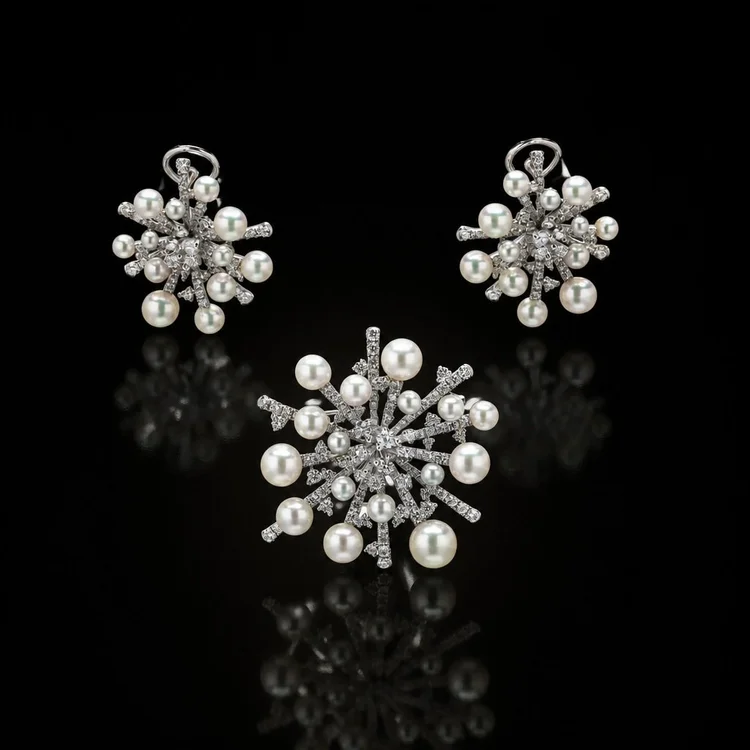
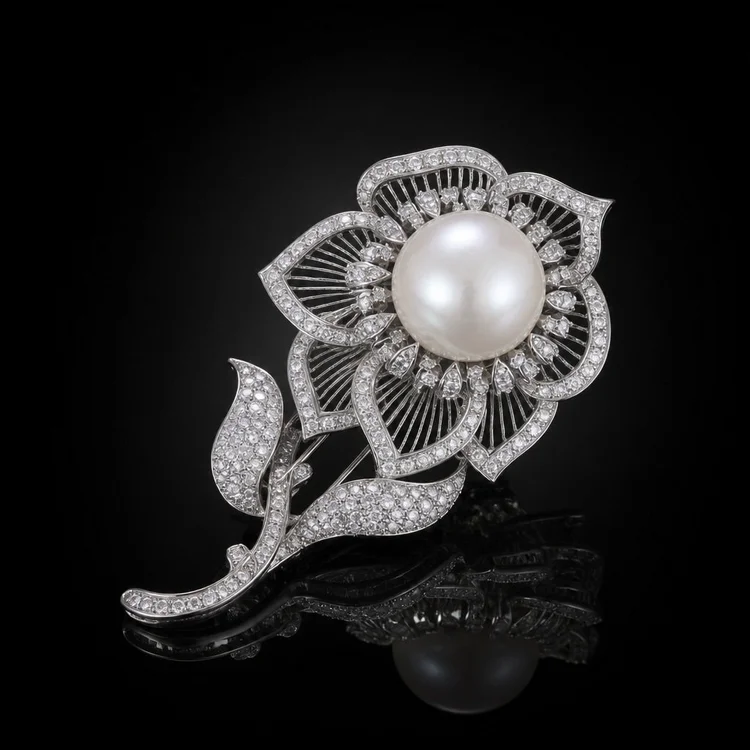
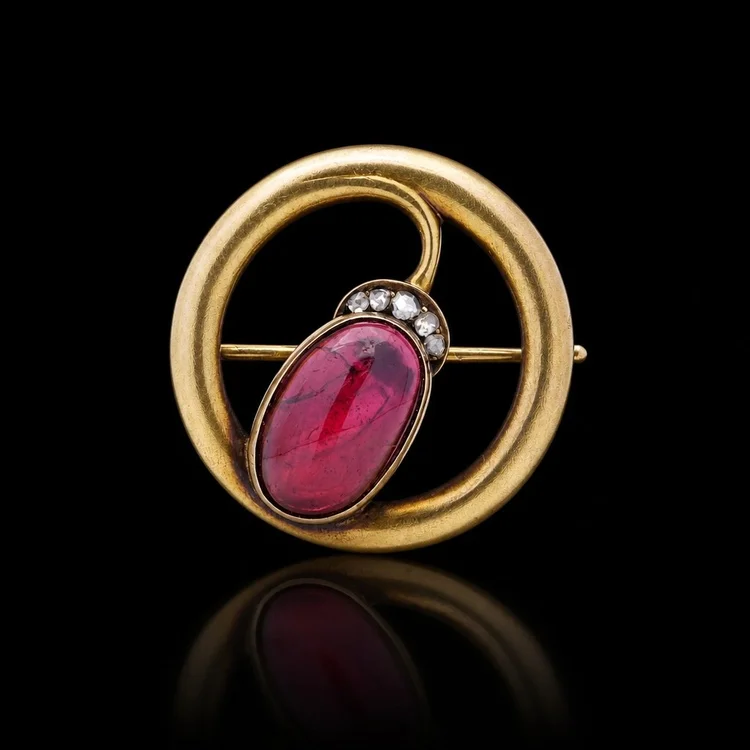
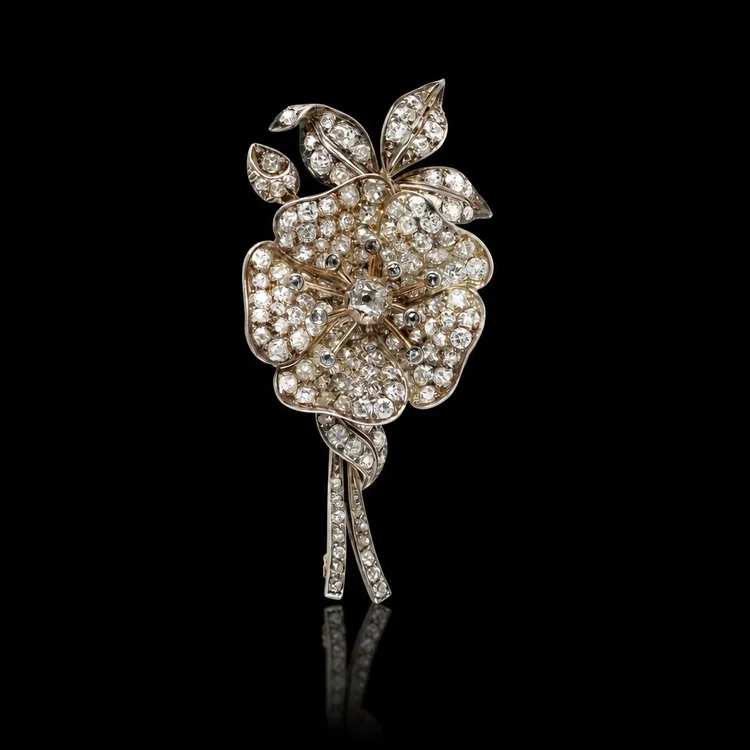
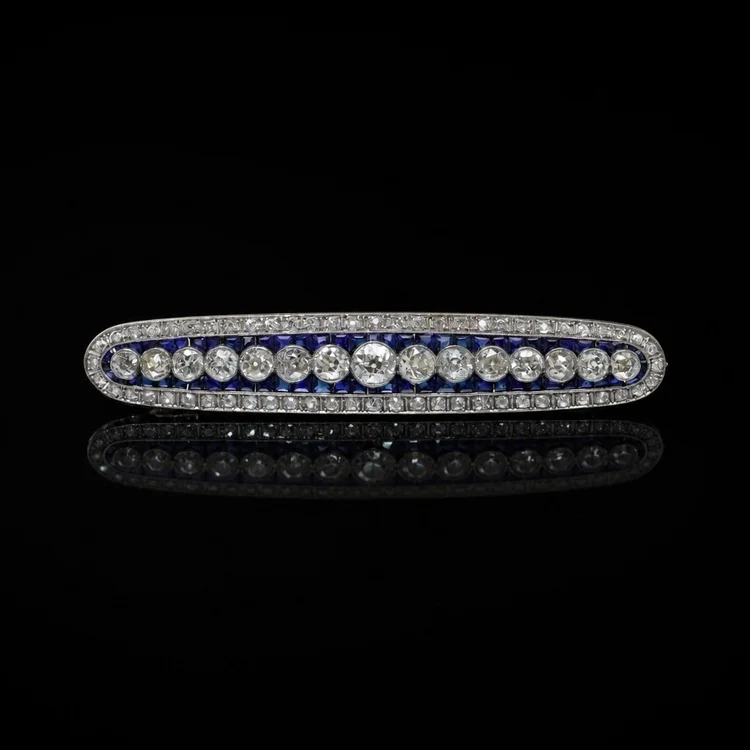
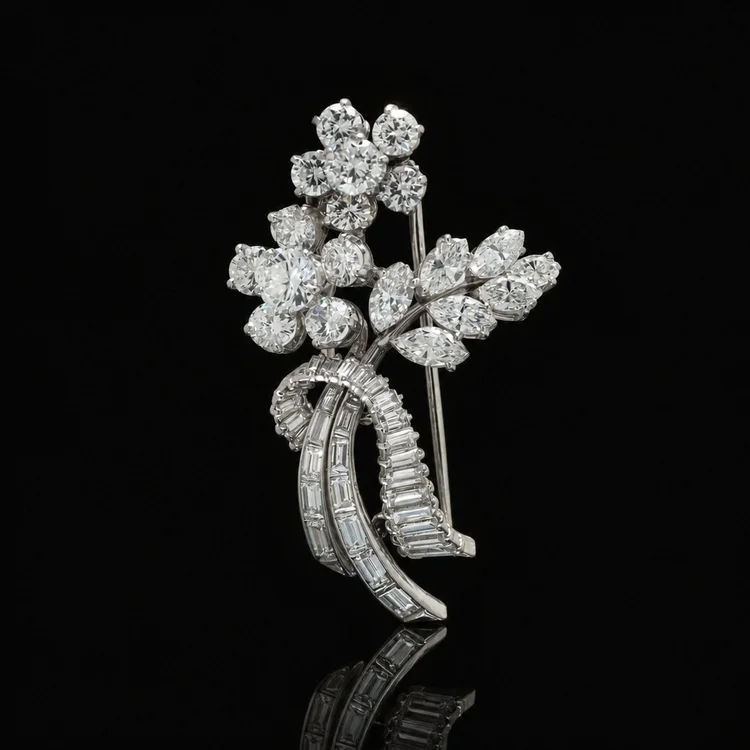
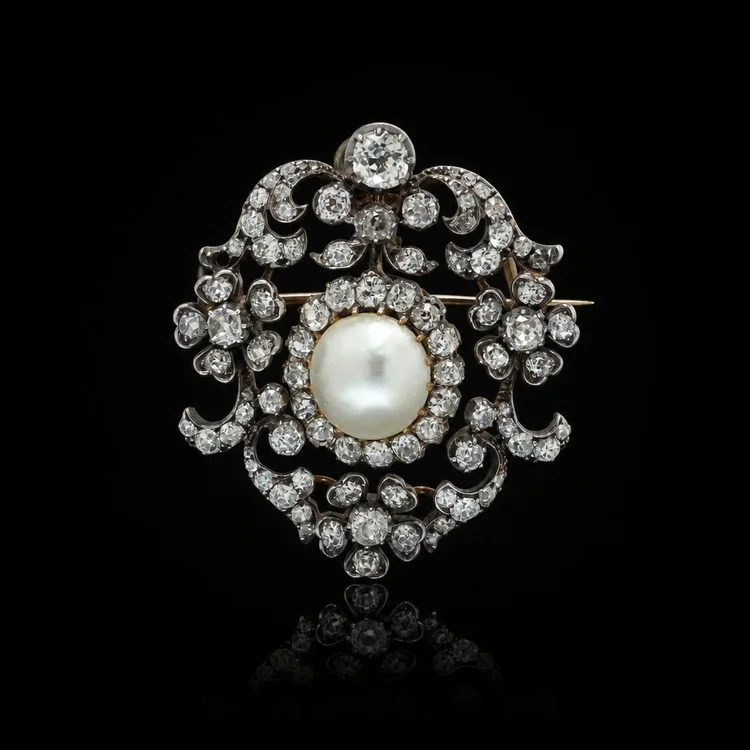
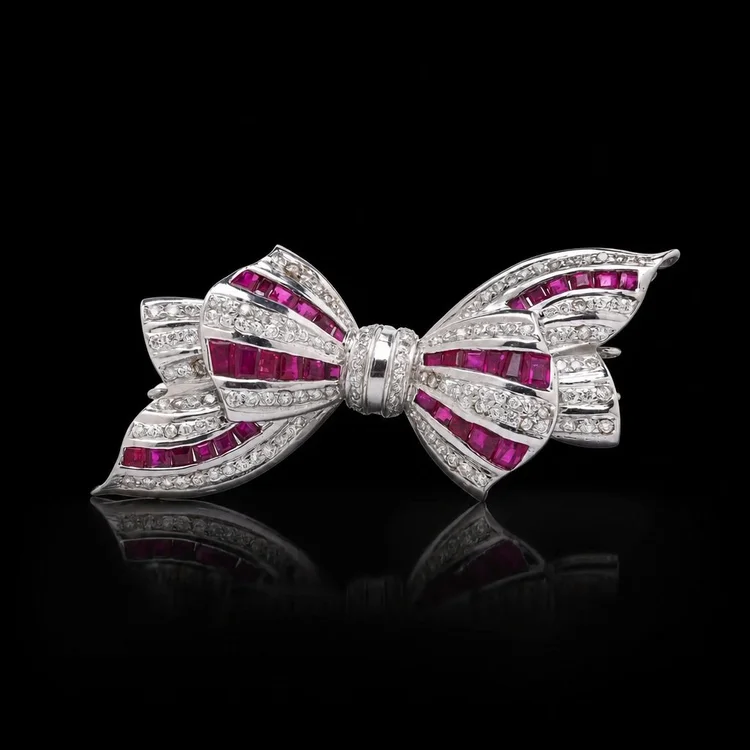
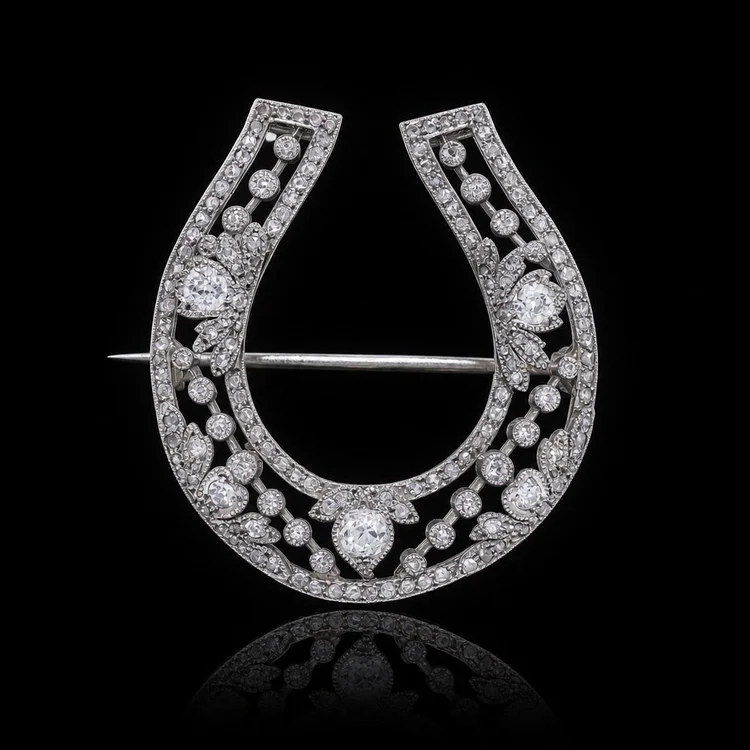
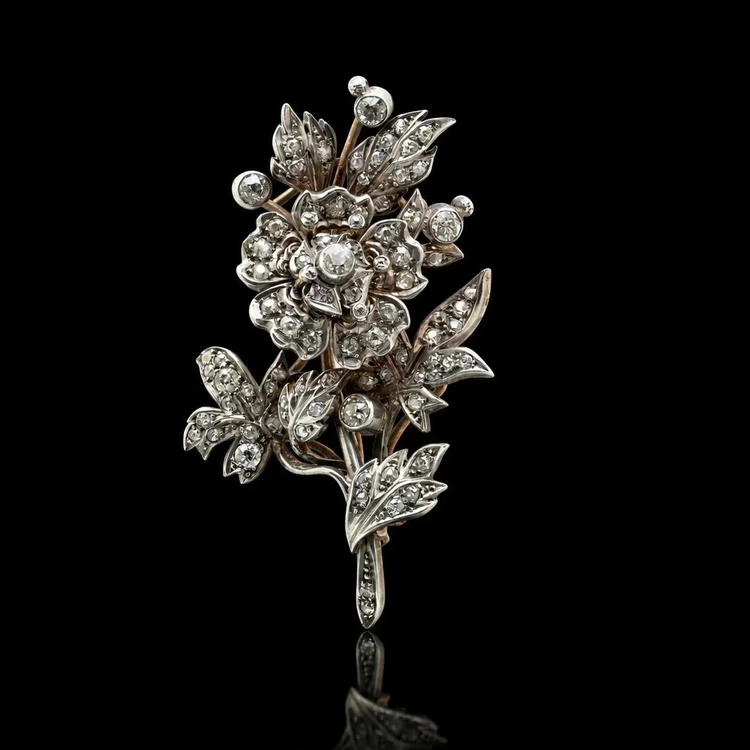
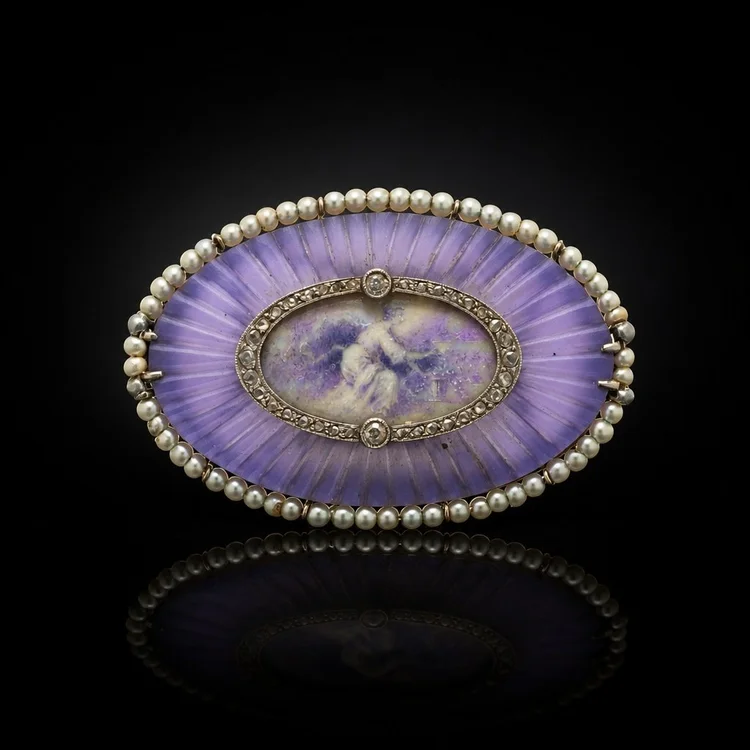
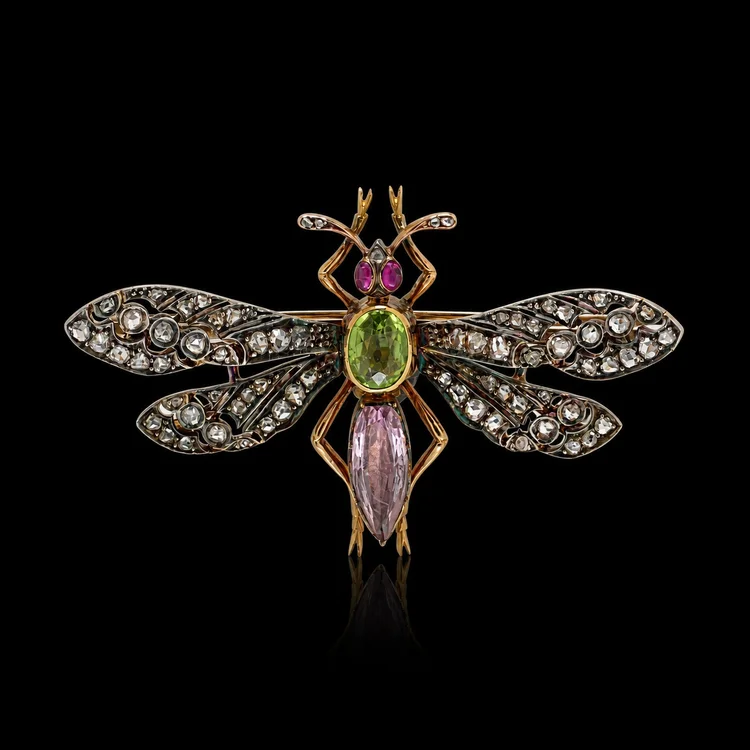
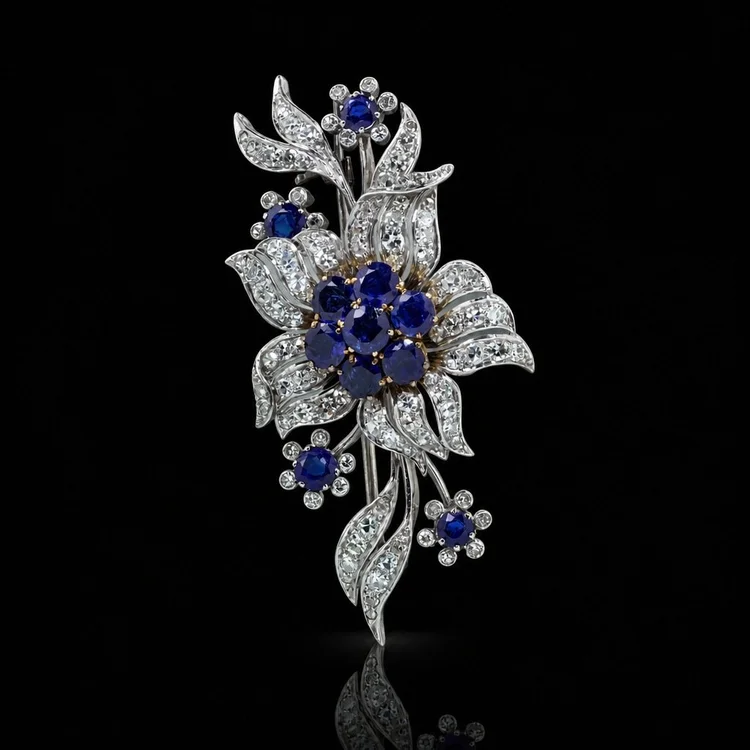
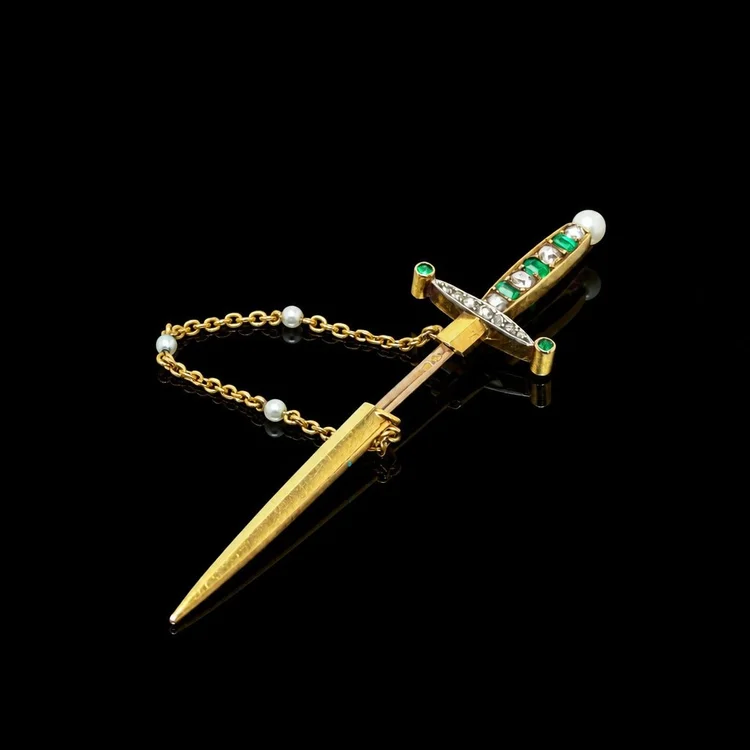
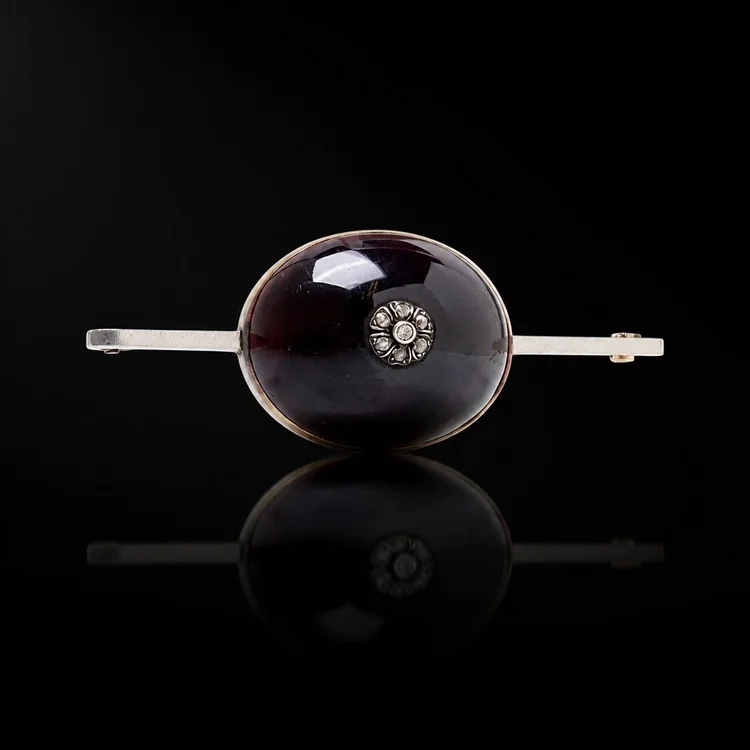
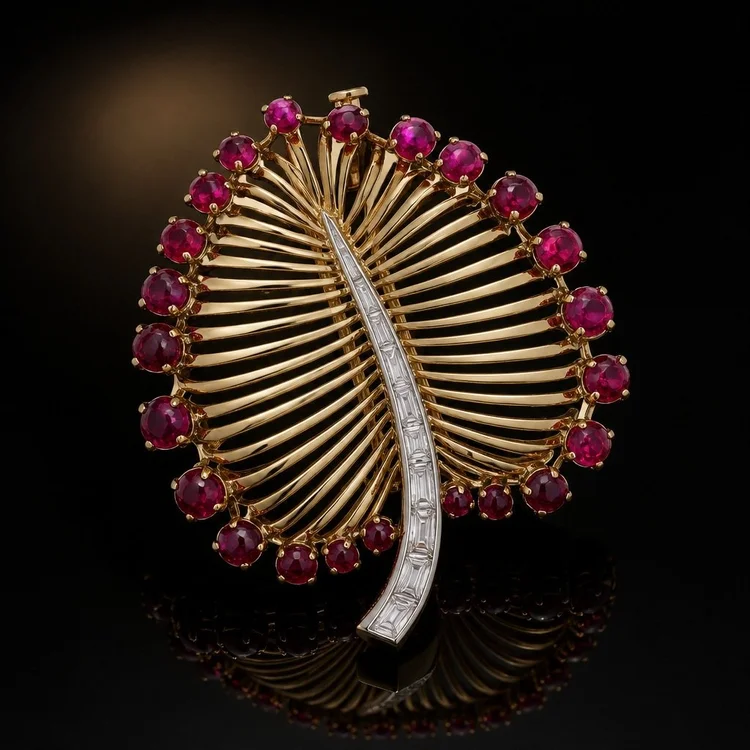
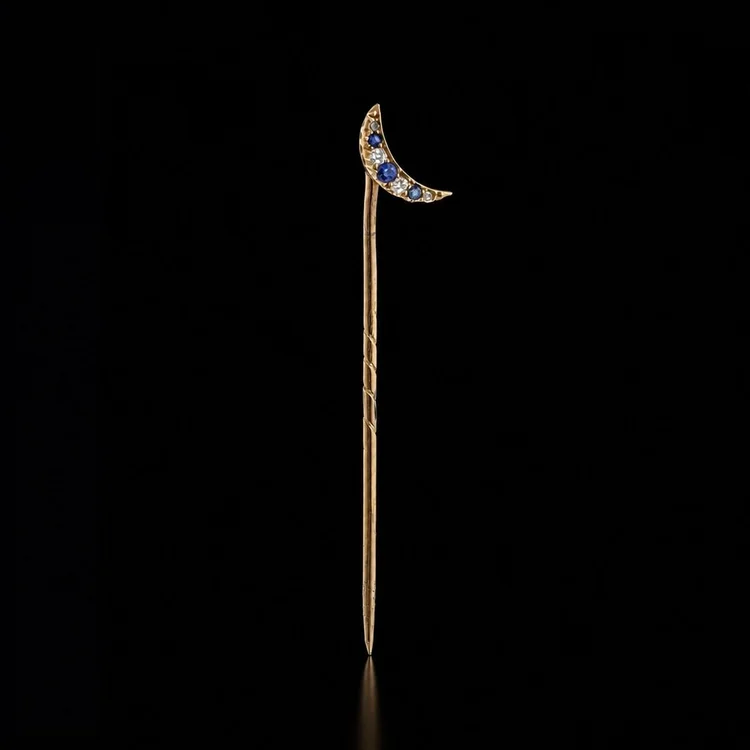
Diamond brooches, antique and vintage: Victorian stars, crescents and sprays in silver-topped gold, Edwardian platinum garlands and bows, Art Deco clips and bar brooches, and mid-century diamond sprays, many made to convert into pendants.
Explore our Diamond jewellery and Antique brooches collections, or read about the diamond, the April birthstone.
48 pieces available · antique & vintage · UK based, worldwide shipping
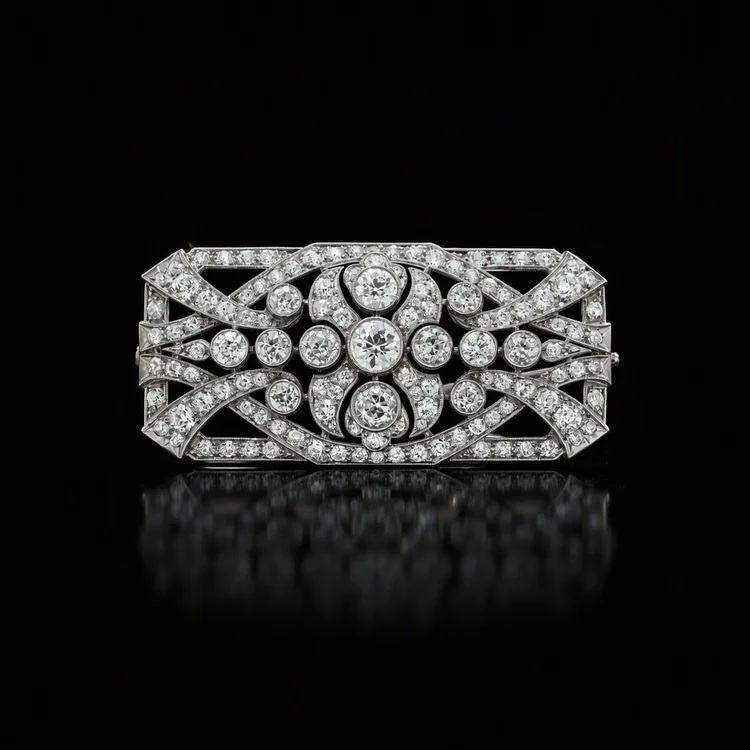
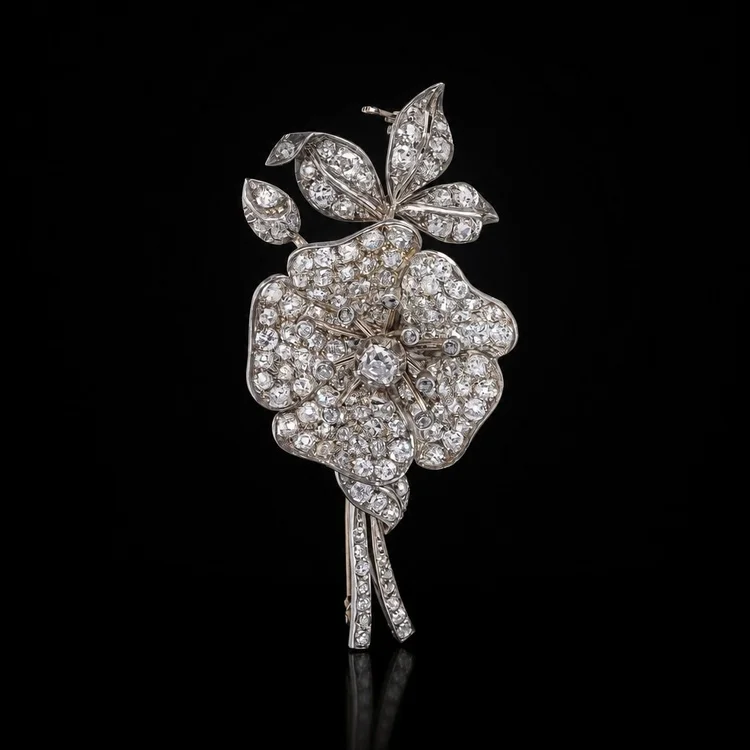
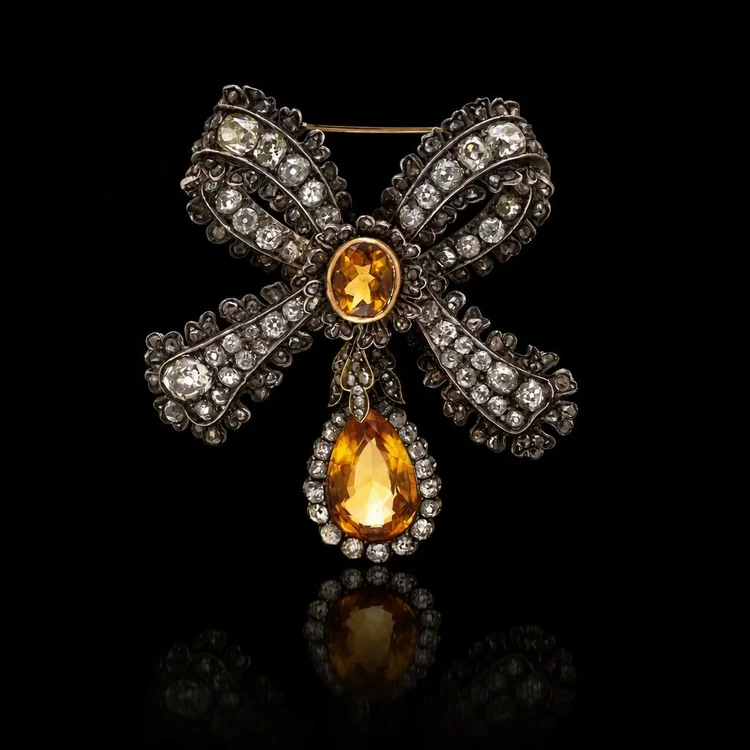
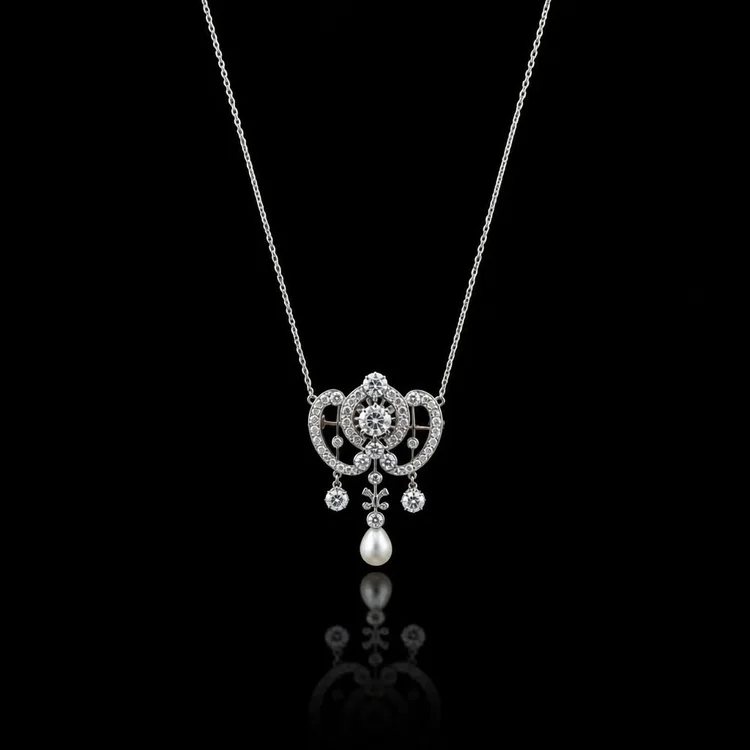
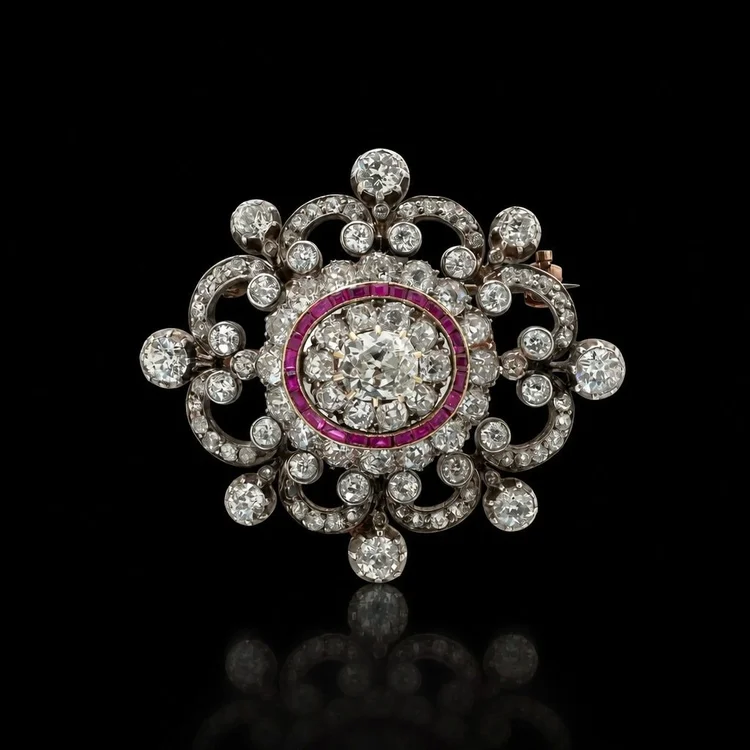
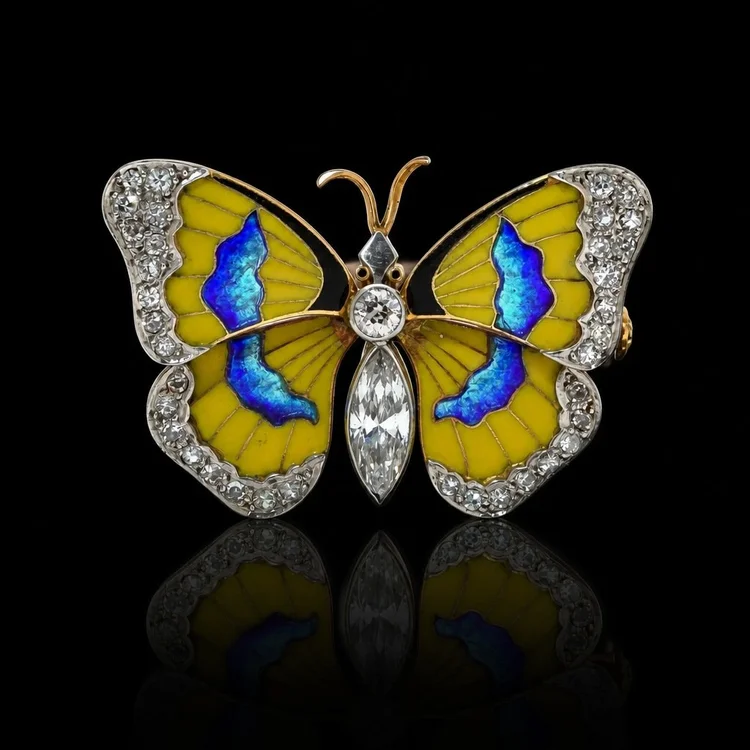
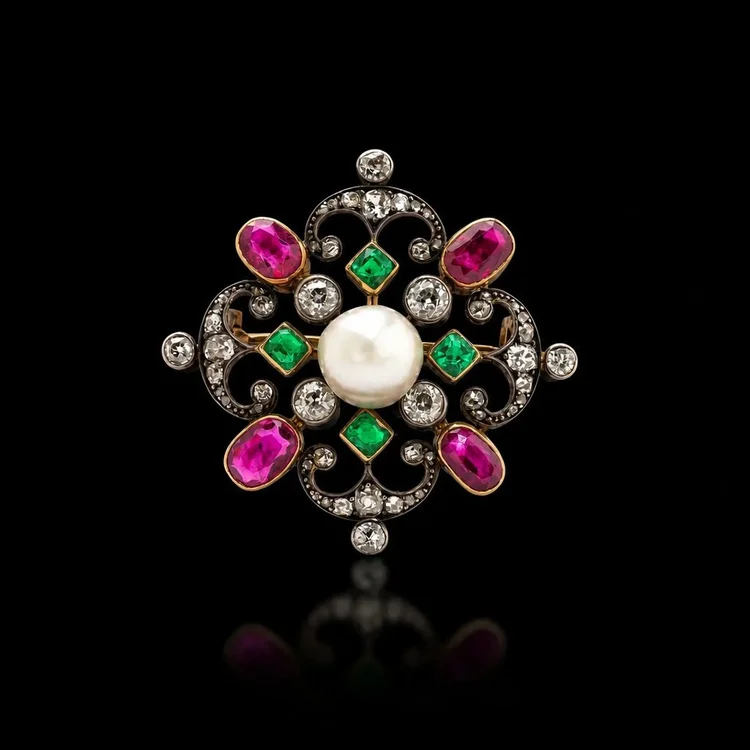
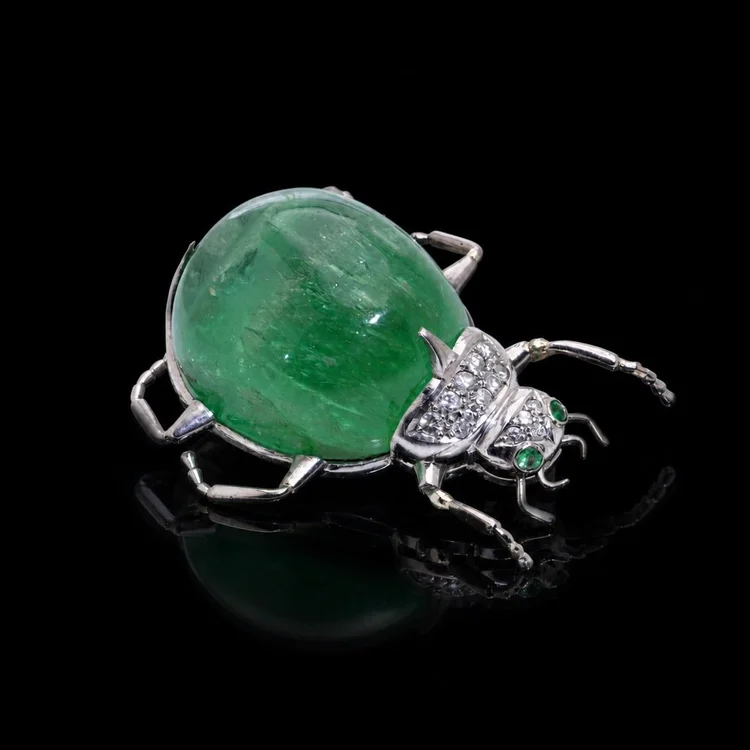
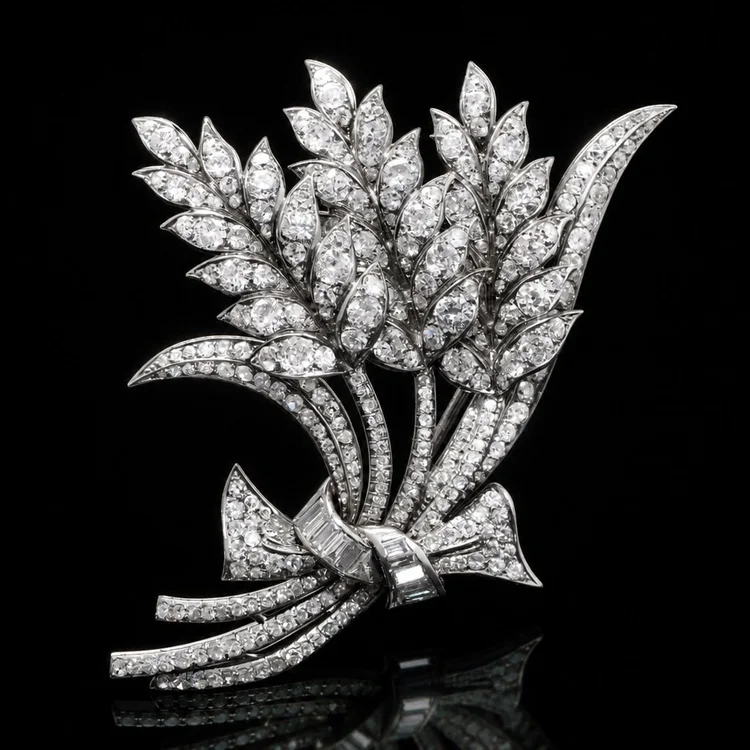
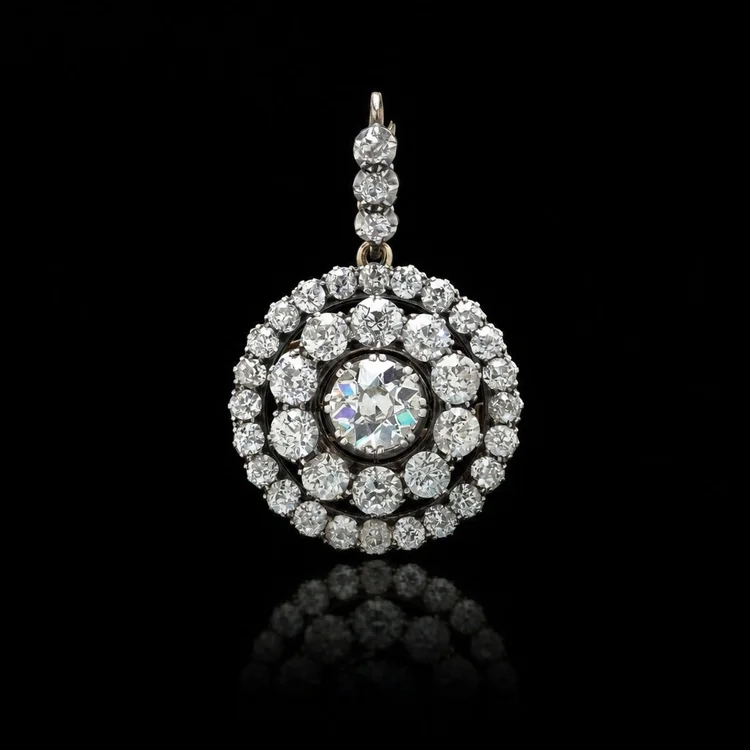
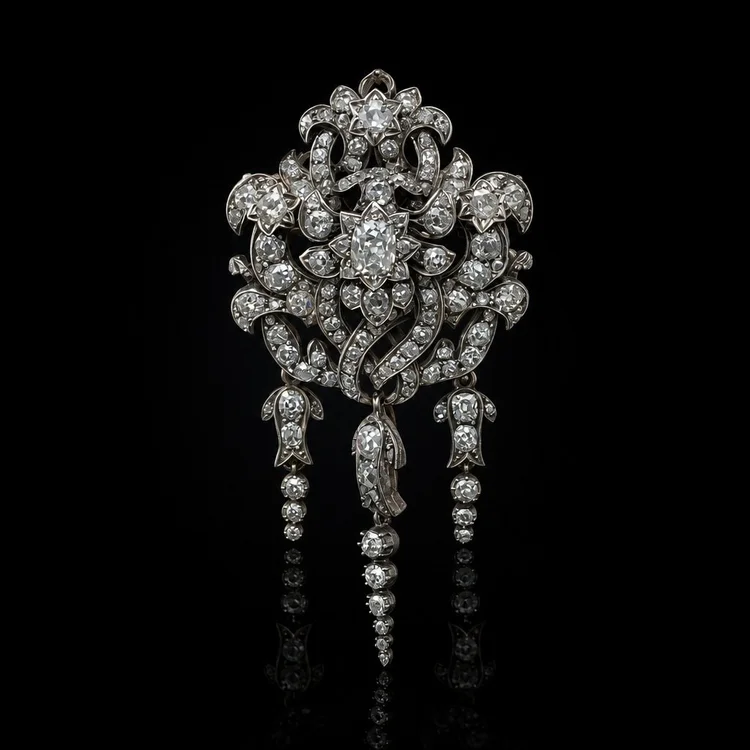
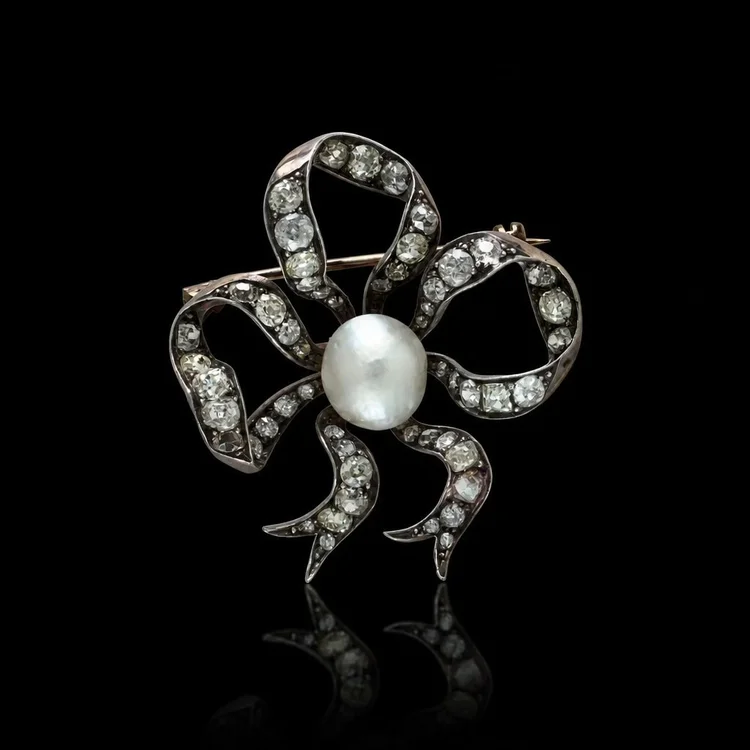
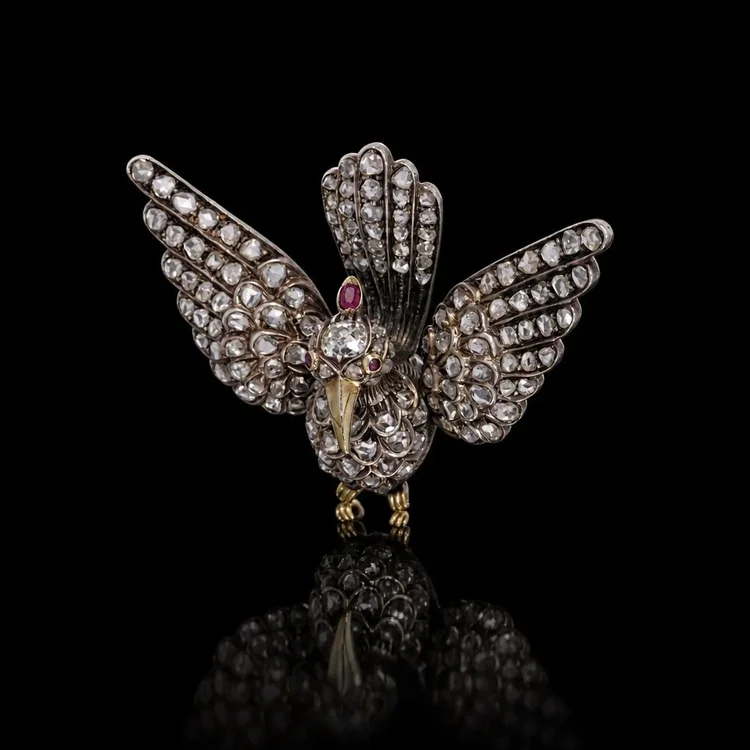
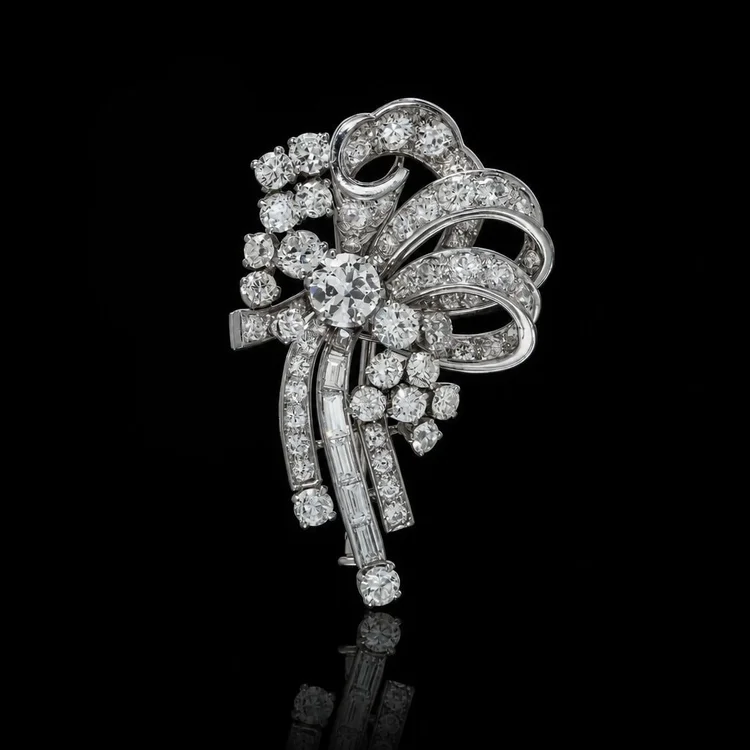
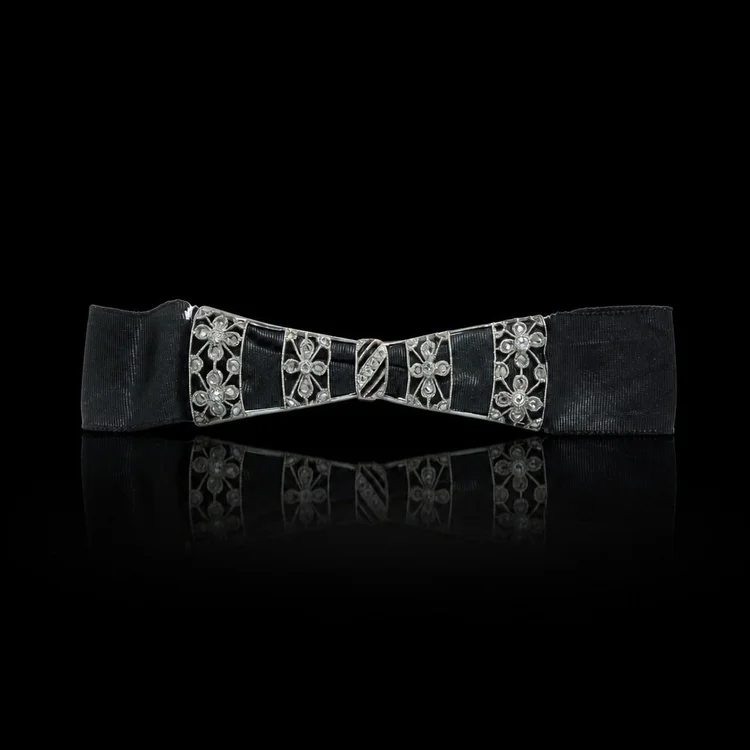
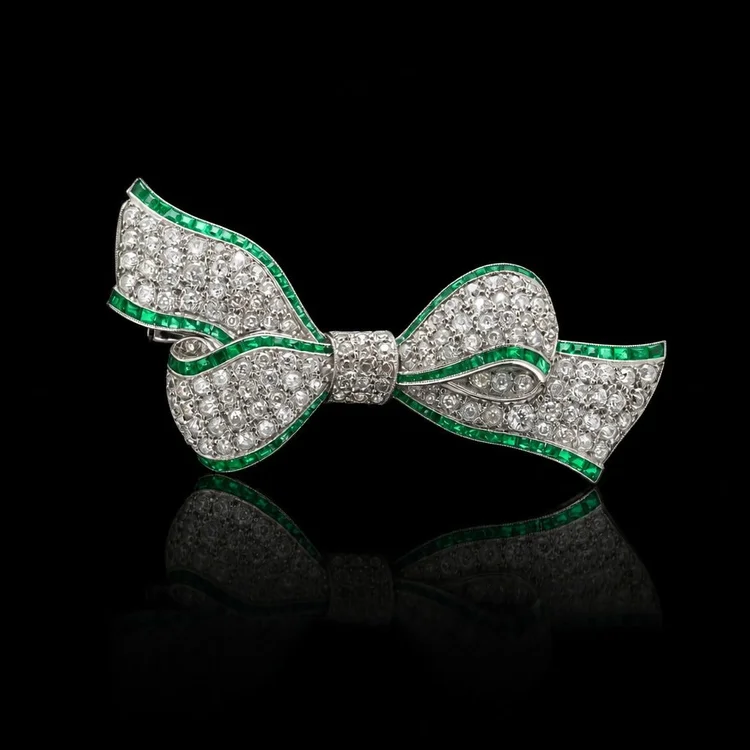
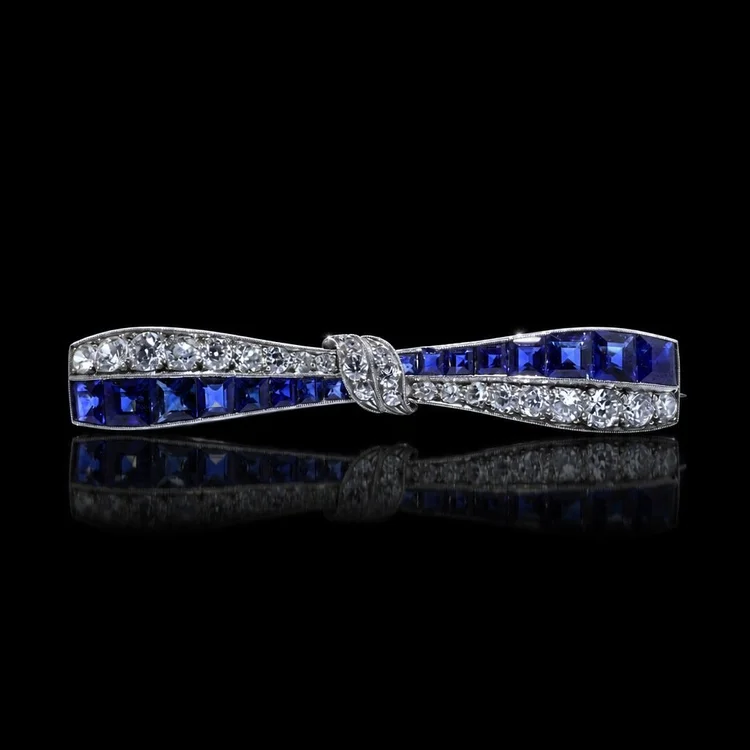
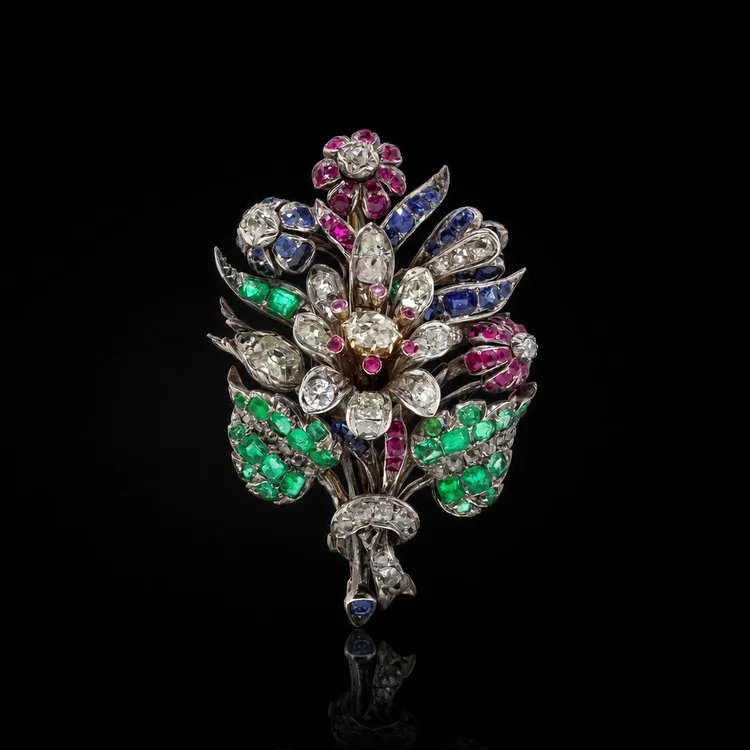
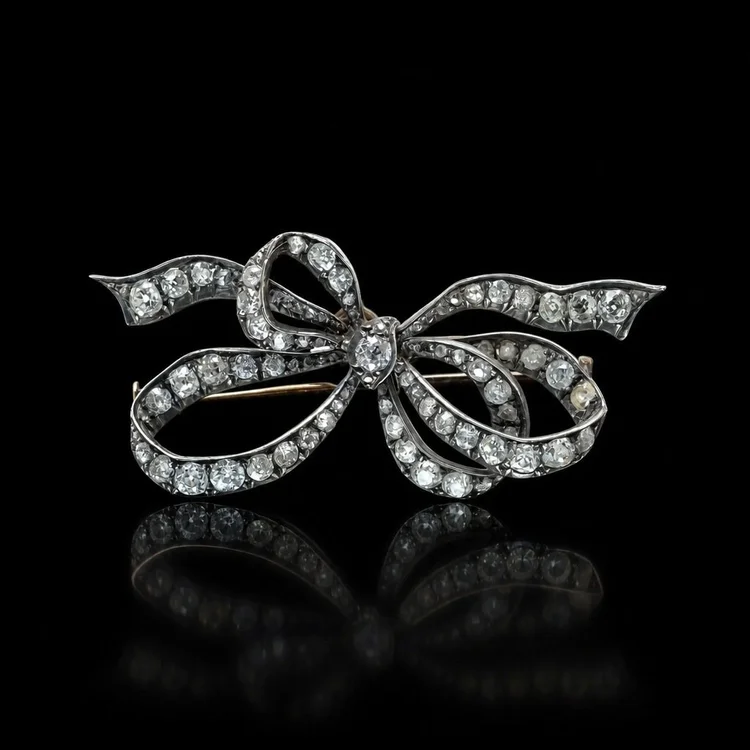
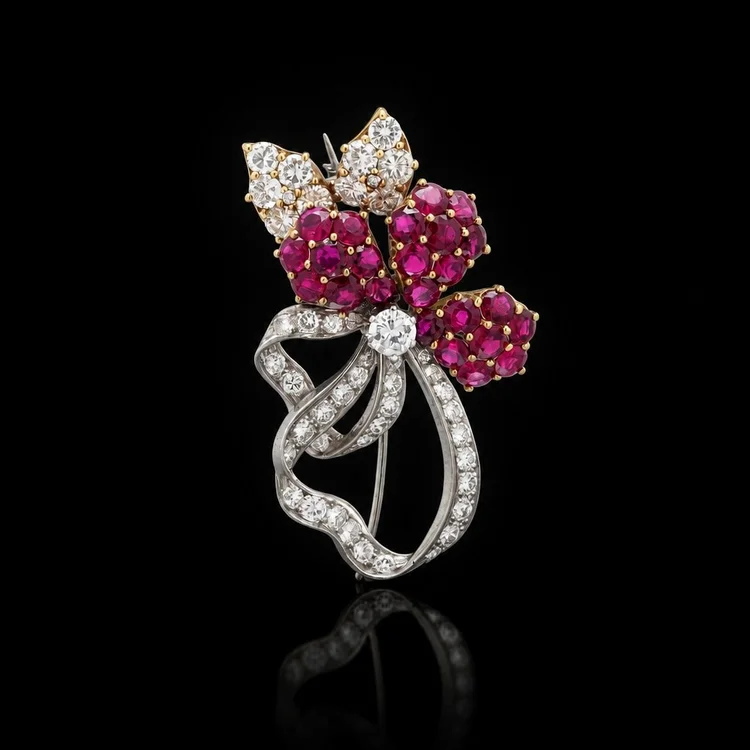
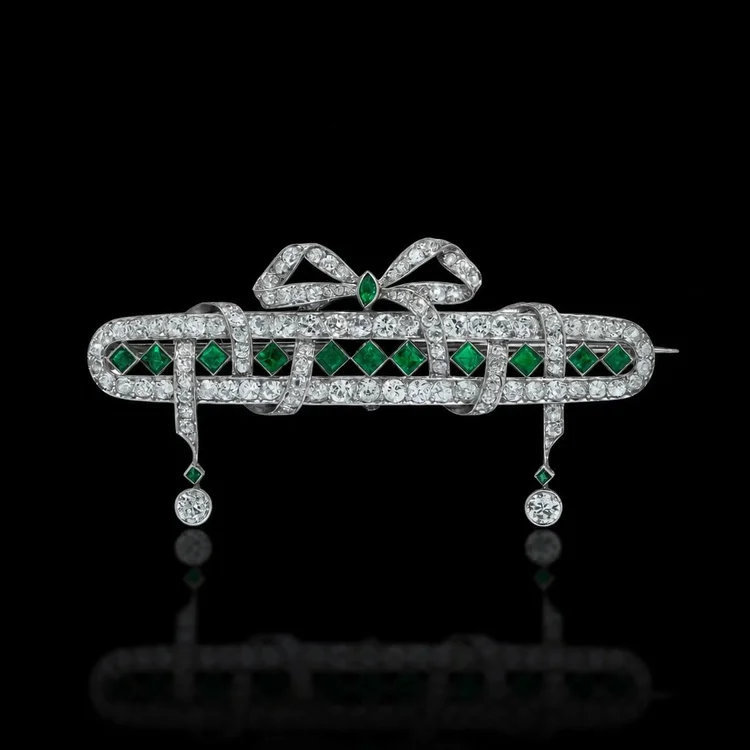
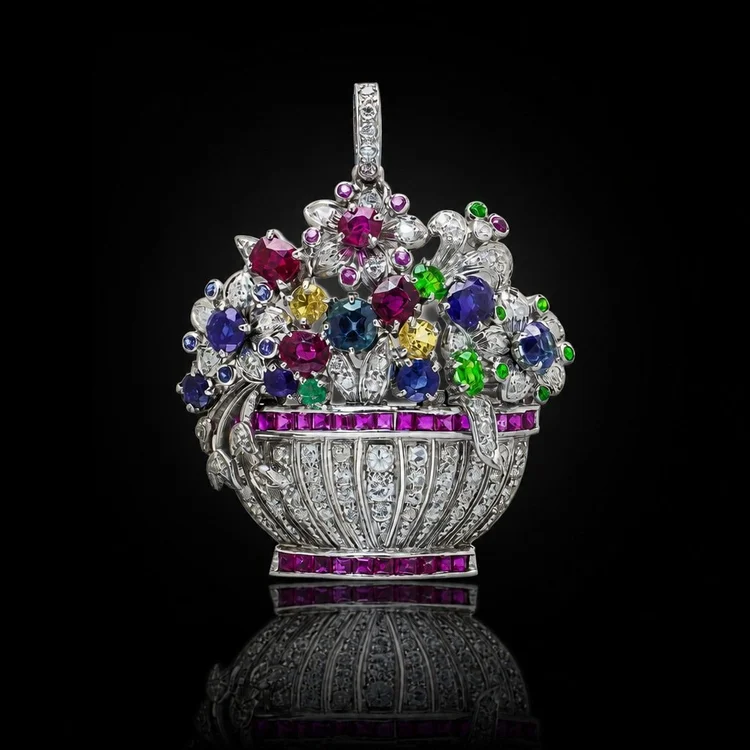
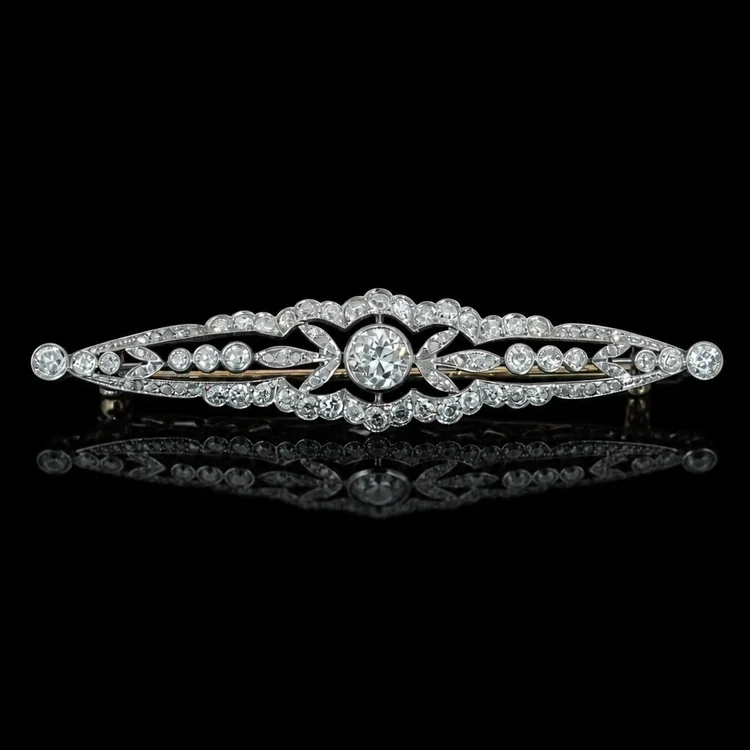
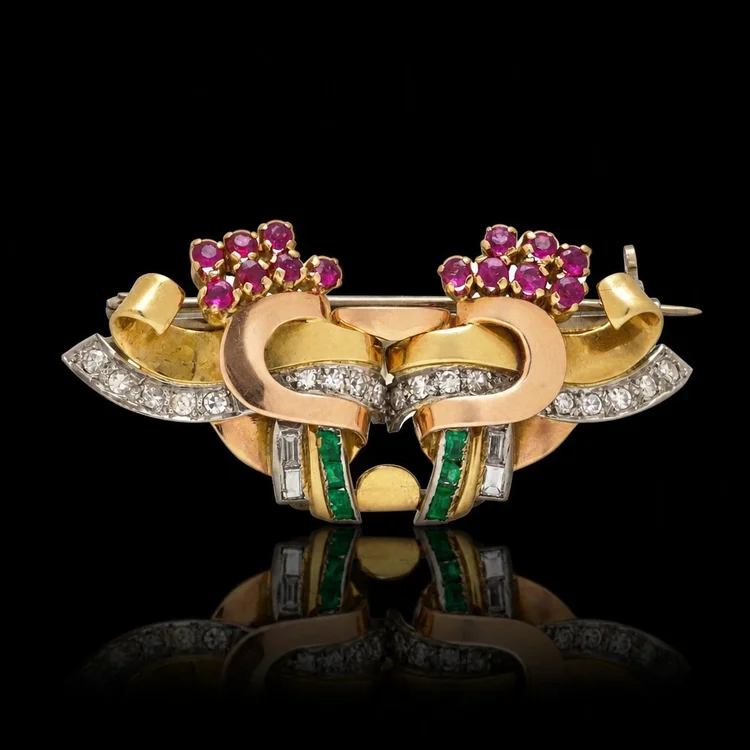
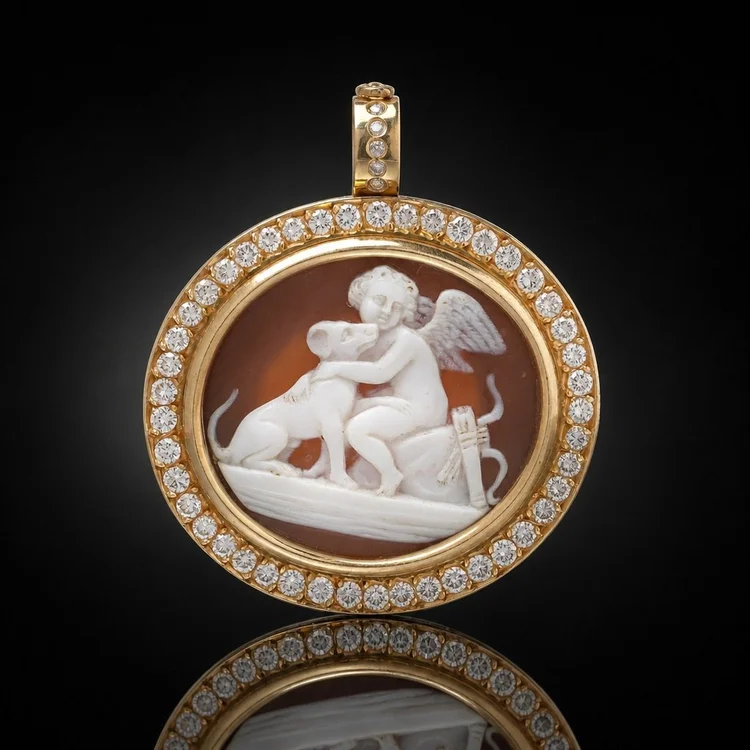
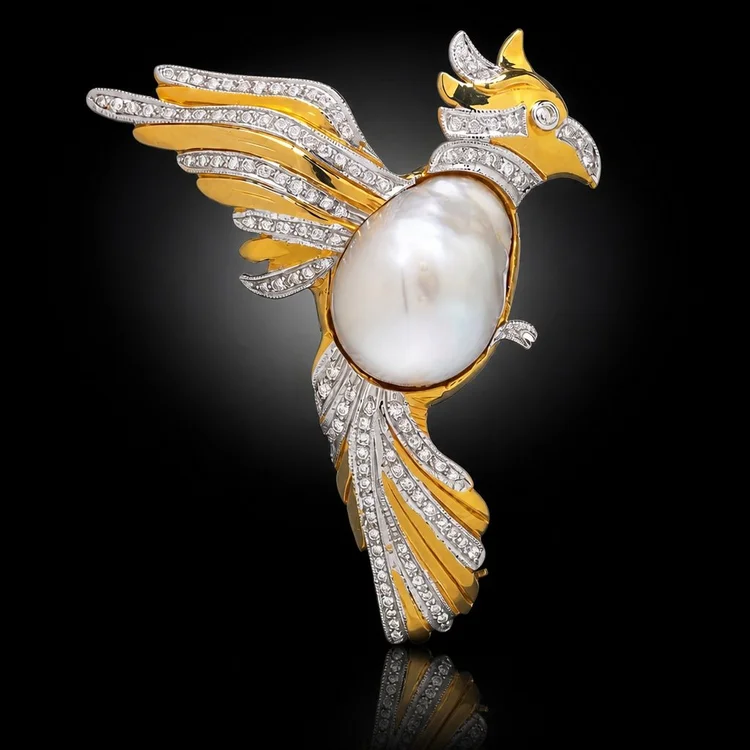
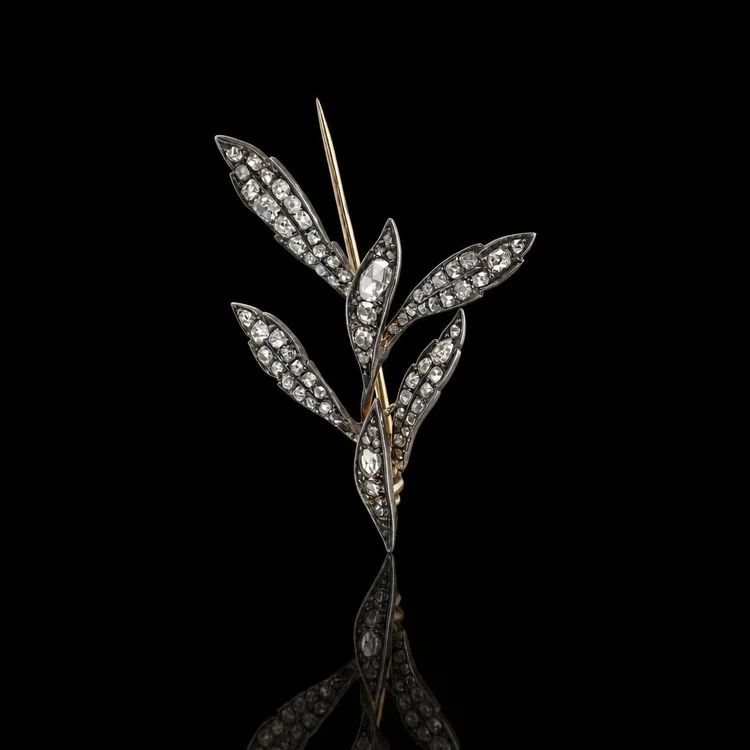
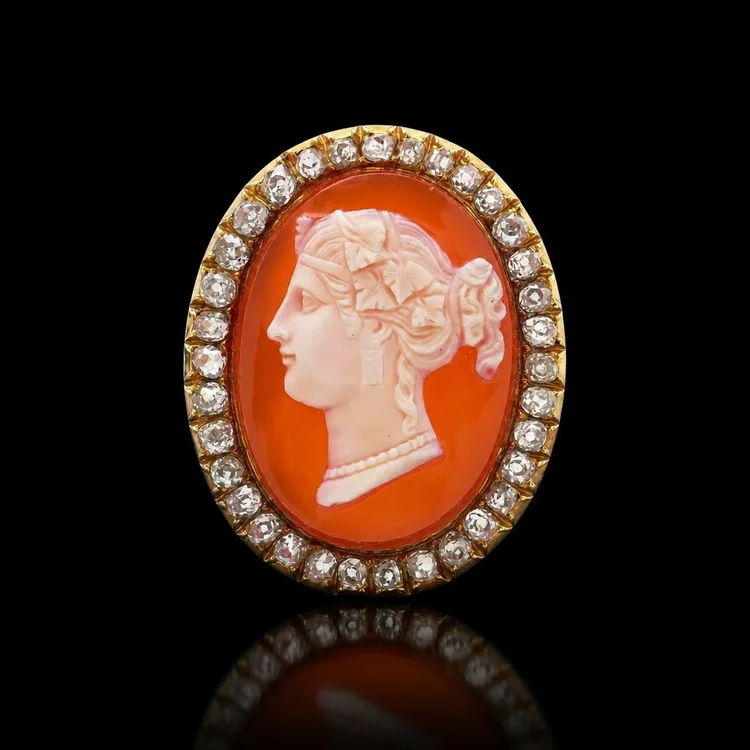
Also searched as: diamond brooches, antique diamond brooch, brooch with diamonds, vintage diamond brooches, vintage diamond brooch.
Diamond cuts through the periods
Rose-cut diamonds, with a flat base and a domed, faceted top, are typical of Georgian and early Victorian brooches. Old mine cuts, cushion-shaped with a high crown and an open culet, dominate the 19th century. Old European cuts, rounder and brighter, run from about 1890 to the 1930s. Baguettes and calibre cuts mark the Art Deco years, and the modern round brilliant became standard after 1945.
Settings and metals
Victorian diamond brooches were usually set in silver backed with gold, which kept the stones looking white and protected clothing from silver tarnish. Platinum replaced this after about 1900, allowing finer, lighter settings. White gold appears in later brooches, and some 1940s pieces are palladium.
En tremblant and convertible brooches
Some 19th-century diamond sprays are mounted en tremblant, with flower heads on tiny coiled springs that tremble as the wearer moves. Many star and spray brooches were made to convert, with a fitting that lets them be worn as a pendant or on a tiara frame. Check any original fittings are present.
Estimated weights
Diamonds set in a brooch cannot be weighed without removing them, so total carat weights for old-cut stones are careful estimates from measurement, stated as such in the listing.
What to check
Look for missing or chipped diamonds, worn claws and thin settings, especially on the points of stars. Turn the brooch over for solder repairs, replaced pins and old fittings. Closed-back settings should be dry and the stones bright.
Popular subjects
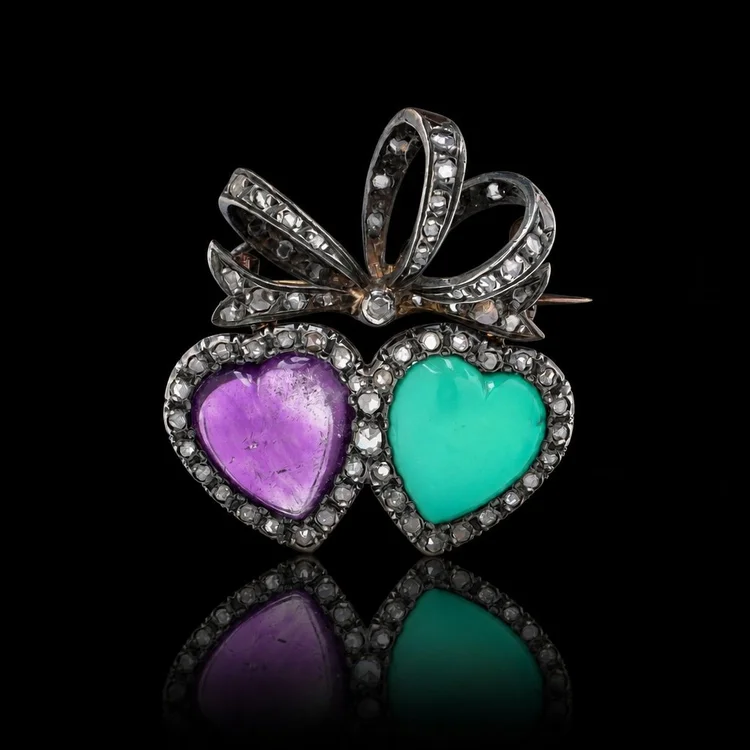
Stars and crescents, floral sprays, bows and ribbons, insects and birds, horseshoes and leaves appear in diamond brooches across the 19th and 20th centuries. Bows and ribbons run from the Georgian period to the 1950s, so the cut of the diamonds and the metal help more than the motif in dating a piece. Sprays mounted en tremblant were made mainly in the second half of the 19th century.
Frequently asked questions
A jeweller tests the stones with a thermal or multi-tester, which separates diamond from glass and paste. Old-cut diamonds have an open culet and broad flashes of colour, and paste stones show rounded facet edges and wear. Silver-topped gold is a good sign in a Victorian piece.
On a lapel, at the collar, on the shoulder of an evening dress or on a coat. Star and spray brooches with a pendant fitting can also hang from a chain or a ribbon.
For open-backed settings, use warm water, mild soap and a soft brush, then dry thoroughly. Closed-back and foiled settings must not be soaked. Ask a jeweller if you are unsure of the setting.
It is possible, but it means removing the stones and destroying the original piece. An antique brooch usually keeps more of its character and interest as it is, and many can be worn as pendants instead.