Part of: Sell designer jewellery
Selling Inherited Designer Jewellery
Inherited jewellery often arrives without papers, and sometimes without anyone knowing what it is. Most signed designer pieces can be identified from their marks, and identifying them is the first step, whether the family keeps, shares or sells. This guide explains how to find out what you have, how probate fits in, and how to sell calmly and privately.
Inherited jewellery and not sure what it is?
Free, no obligation, returned at our cost if you decline.
- Read our Google reviews (opens Google)
- Free, no obligation
- A reply within one working day
- Paid the same day after inspection
Take your time
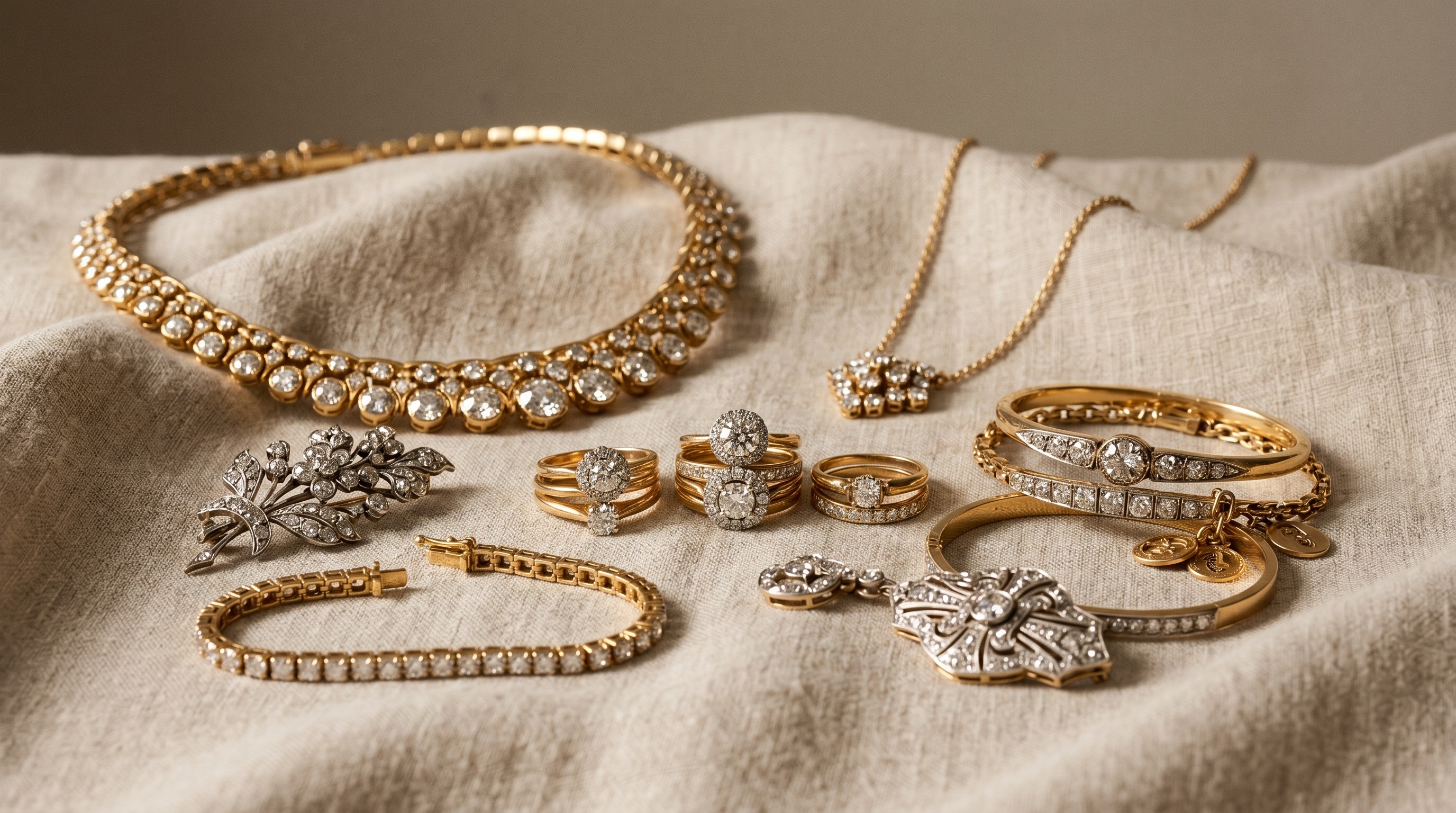
There is no need to decide quickly. Keep the pieces together in a safe place, do not clean or polish them, and keep any boxes, receipts or letters that came with them: they can help identify a piece and its history.
- 1Keep together
- 2Do not clean
- 3Keep boxes and papers
Find out what you have
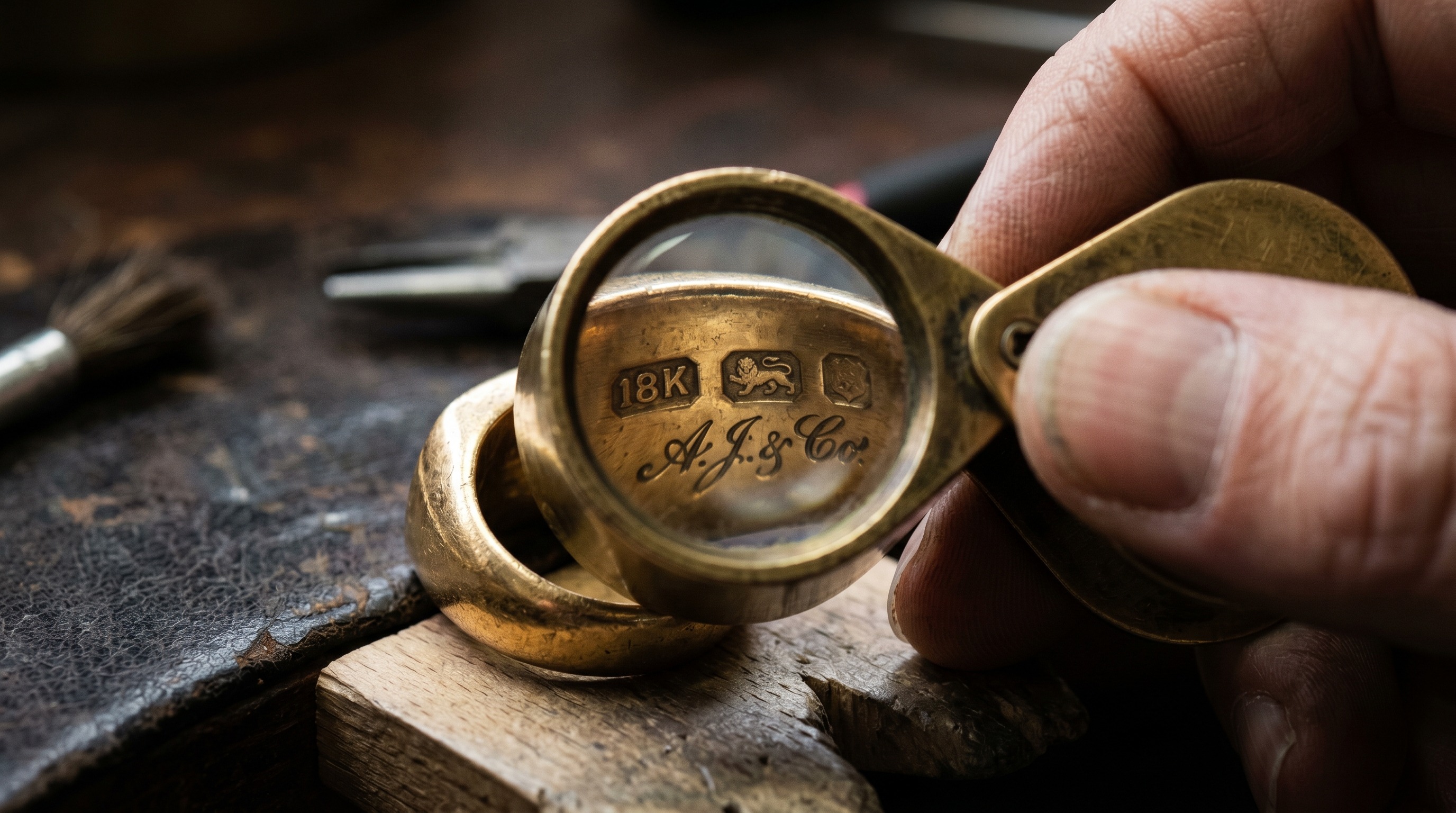
Look for a maker’s signature, a serial number and hallmarks. British hallmarks show the metal, the assay office and the year. A signature such as Cartier, Van Cleef & Arpels or Tiffany means the piece is valued as a designer jewel, so identify it before any decision.
For every house we buy, see how we check designer jewellery.
- 1Signature
- 2Serial
- 3Metal mark
- 4Date letter
0 of 3 checked
1Maker’s signature
Such as Cartier, Van Cleef & Arpels or Tiffany.
2Serial number
Where the piece has one.
3Hallmarks
British hallmarks show the metal, the assay office and the year.
Not sure what a piece is? Send photographs of it and its marks, and we will identify it for you, free.
Free, no obligation, returned at our cost if you decline.
Probate and sharing an estate
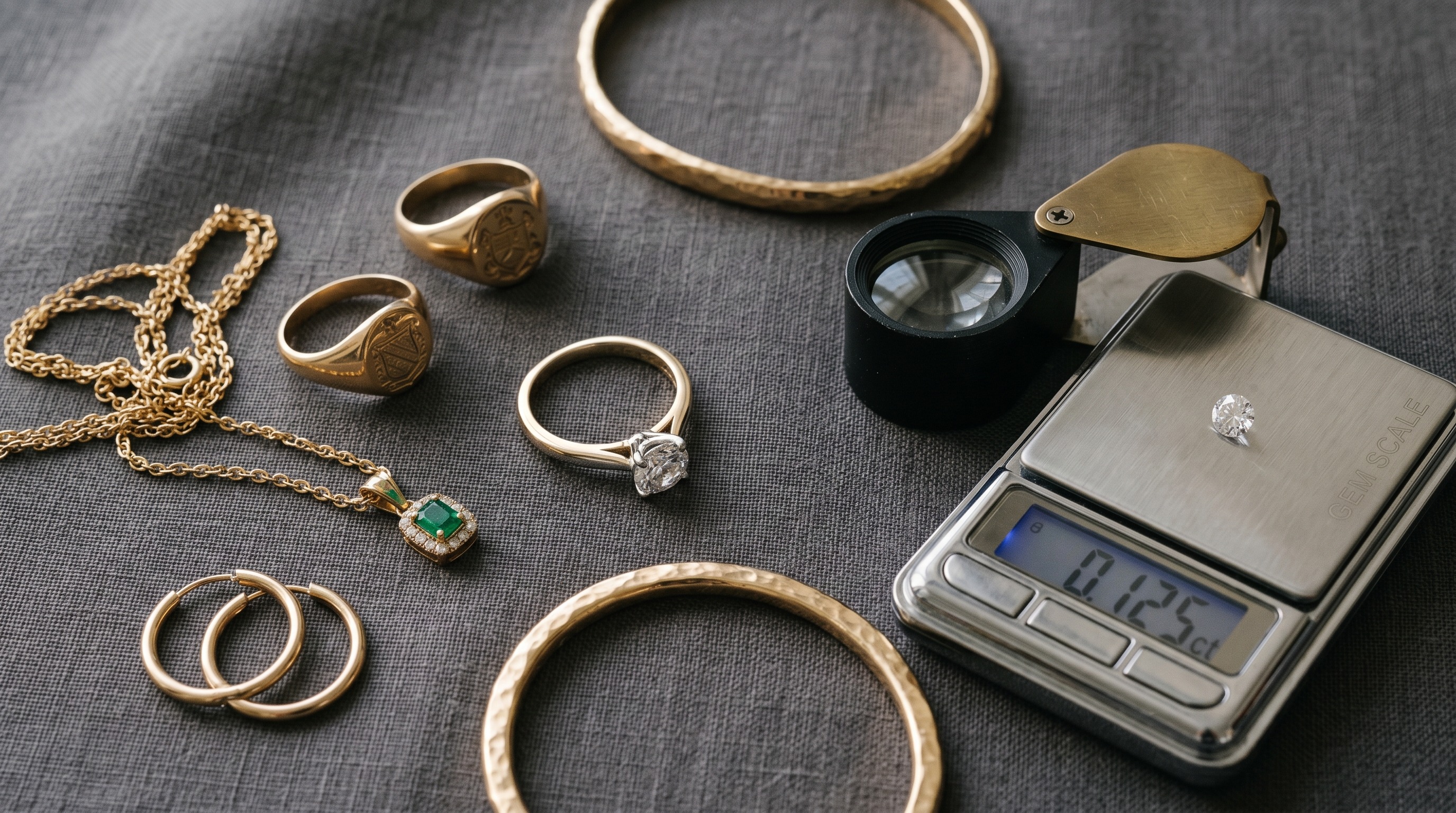
An estate may need a valuation for probate, and that can differ from what a piece sells for. The estate’s solicitor will say what is needed. If the family is sharing pieces, a free estimate for each helps divide them fairly. This is general information, not legal or tax advice.
- 1Identify → estimate → decide to keep
- 2Share or sell
Selling privately
You can sell one piece or the whole collection. We handle estates discreetly: photographs first, then a private appointment in Mayfair, a visit to our Braintree office, insured post or free collection. Executors and beneficiaries are welcome to attend together.
What is my inherited jewellery worth?
Whether an inherited piece holds its value comes down to the maker and design, the stones, the materials, its age and condition, and whether any papers survive. Two pieces from the same box can differ a great deal. No papers? We still buy it. We never publish figures.
Free, no obligation, and returned at our cost if you decline.
Read our Google reviews (opens Google)
- Maker
- Design
- Stones
- Condition
- Papers
How selling works
- 1
Send photographs
of each piece, its signature and marks, and any boxes, receipts or letters.
- 2
Free value inspection
We reply within one working day with an estimate, subject to inspection. If our offer differs, you can decline and we return it at our cost.
- 3
Paid the same day after inspection
by bank transfer or in cash, in Mayfair, at our Braintree office, by post or by free collection.
Insured up to £10,000 per parcel when you send to us. For important pieces, we can also sell on consignment for you.
Questions people ask
How do I sell inherited designer jewellery?
Identify each piece first from its signature and marks, then get a free estimate. Send photographs to a specialist buyer who inspects in person before paying. We buy single pieces or whole collections: an appointment in Mayfair or Braintree, post or free collection, paid the same day after inspection.
How do I find out what an inherited piece is?
Look for a maker’s signature, a serial number and hallmarks: they show the maker, the metal and often the year. Boxes, receipts and letters help too. Send clear photographs of the piece and every mark, and we will identify it for you, free and with no obligation.
Do I need a probate valuation?
An estate may need one, and it can differ from what a piece sells for. The estate’s solicitor will tell you what is needed. Our free estimate shows what we would pay, which helps when deciding whether to keep, share or sell. This is general information, not legal or tax advice.
Can you value a whole collection?
Yes. Send photographs of every piece and its marks, and we will identify each one and give a free estimate. We can buy the whole collection, or only the pieces you choose to sell. For important pieces we can also sell on consignment for you.
Should I clean the jewellery before selling?
No. Cleaning or polishing can scratch gold, loosen stones and remove the marks that identify a piece. Send it as it is, with photographs first. If a piece needs cleaning, the next owner will decide, and its condition is part of what we value.
Is the service discreet?
Yes. We understand inherited jewellery can be personal, and we handle every estate privately. Appointments are by arrangement, and executors and beneficiaries can attend together. If you decline our offer, you keep your pieces, and anything sent to us is returned at our cost.
Related guides
Inherited jewellery to identify?
Send photographs of the pieces and their marks for a free, private valuation, with no obligation.
Free, no obligation, returned at our cost if you decline.