Gemfields' October Ruby Auction Raises About $52m
Most of the world's new rubies now come from one region of northern Mozambique, and the miner's auctions are the market's clearest window on supply.
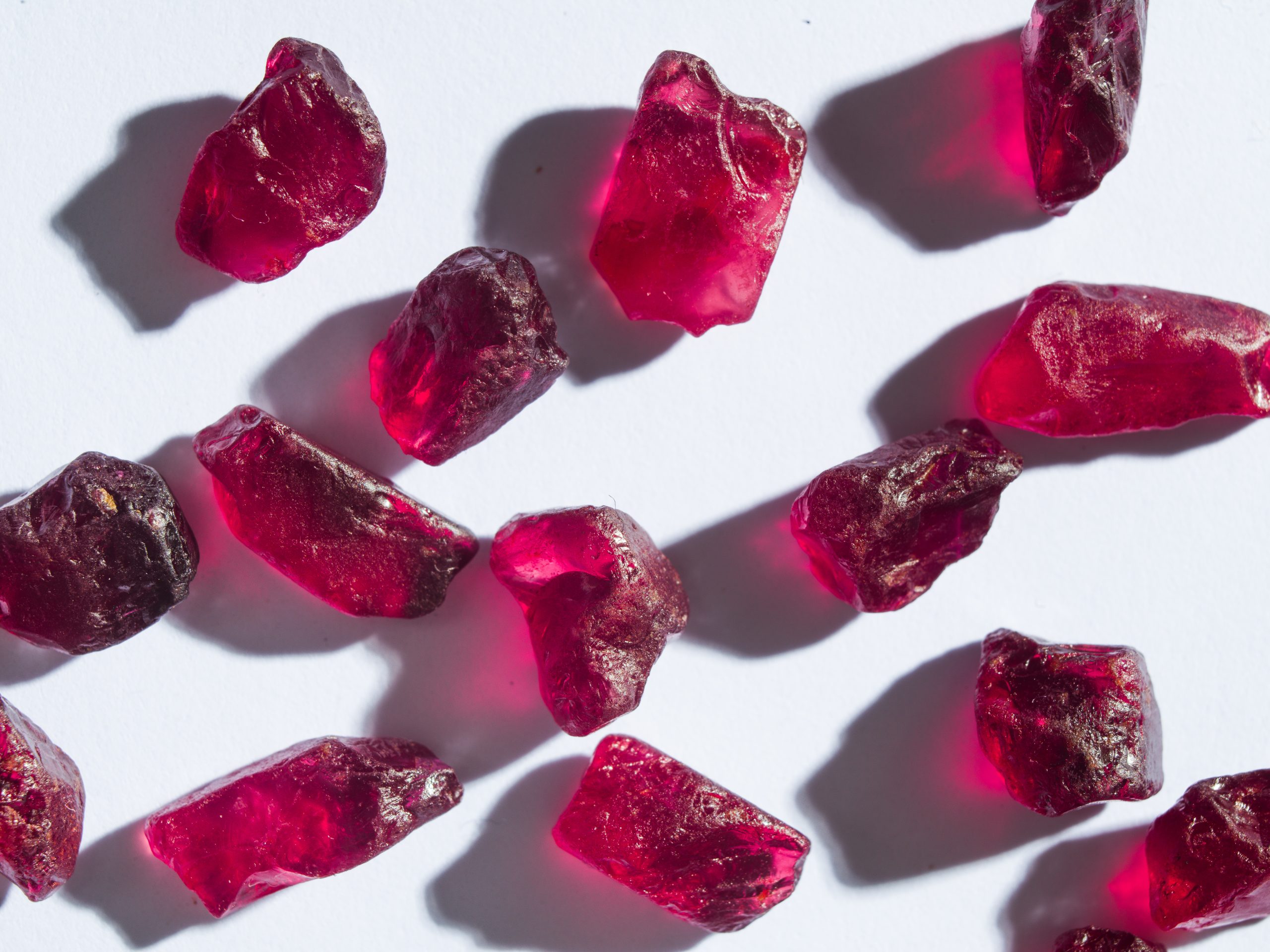
Gemfields' October 2026 auction of mixed-quality rough rubies raised about US$52m (£39m), according to Retail Jeweller. Mining Weekly reported that the sale ran in Bangkok from 5 to 16 October, and that the rubies offered were mostly of higher quality.
The auction
Gemfields, the London and Johannesburg listed miner, sells its rough rubies through auctions to invited cutters and dealers rather than on the open market. Its October 2026 mixed-quality ruby auction raised about US$52m, or about £39m, Retail Jeweller reported on 20 October, despite fewer stones being offered than at previous sales. Mining Weekly reported that the auction was held in Bangkok from 5 to 16 October and that the lots were mostly higher-quality rubies.
Where the rubies come from
The stones come from Montepuez Ruby Mining in Cabo Delgado province, northern Mozambique, which Gemfields operates. The deposit was found in 2009 and within a few years had become one of the world's most important sources of ruby. Its stones range from deep red to pinkish red, and the best of them now compete with rubies from older sources.
Why new supply matters for old rubies
For most of the history of jewellery, the finest rubies came from Burma (Myanmar), especially the Mogok valley, with Thailand and Sri Lanka also important. Victorian, Edwardian and Art Deco ruby jewellery was set almost entirely with stones from those older sources. Mozambique rubies only reached the market in quantity in the 2010s, so a ruby in a documented antique setting will usually predate them.
That is one reason origin matters so much. Gemmological laboratories can often tell where a ruby was mined from its inclusions and trace elements, and a certificate stating Burmese origin and no heat treatment can change how a stone is regarded.
What drives ruby value
Colour. A saturated, slightly bluish red, often called pigeon's blood, is the most prized. Too dark, too pink or too brown counts against a stone.
Treatment. Most rubies are heated to improve colour and clarity. Unheated stones are rarer. Glass-filled rubies are a different product altogether.
Origin. Burma, then other historic sources, carry particular weight with buyers, when a laboratory can confirm them.
Size and clarity. Clean rubies over a few carats are rare from any source.
The setting. In antique jewellery, the maker, period and condition of the mount matter as much as the stone.
Have ruby jewellery to value?
Send us photographs, and any certificate, for a free, no-obligation valuation of your ruby jewellery.
Get a free valuationShop ruby jewellery- Retail Jeweller, Kate Rainford, "Gemfields ruby auction generates $52 million", 20 Oct 2026
- Mining Weekly, "Gemfields' latest ruby auction yields $52m", 19 Oct 2026
- Gemfields Group, Montepuez Ruby Mining
Auction figures as reported by Retail Jeweller and Mining Weekly. Mozeris Fine Antiques is not connected with Gemfields. No company images are used; the photograph shows a piece from our own stock.