Meghan's Engagement Ring: The Story Behind the Three Stone Design
Her first public outing with Prince Harry since their return to Britain drew attention to a ring she was not wearing. Here is the history of that ring.
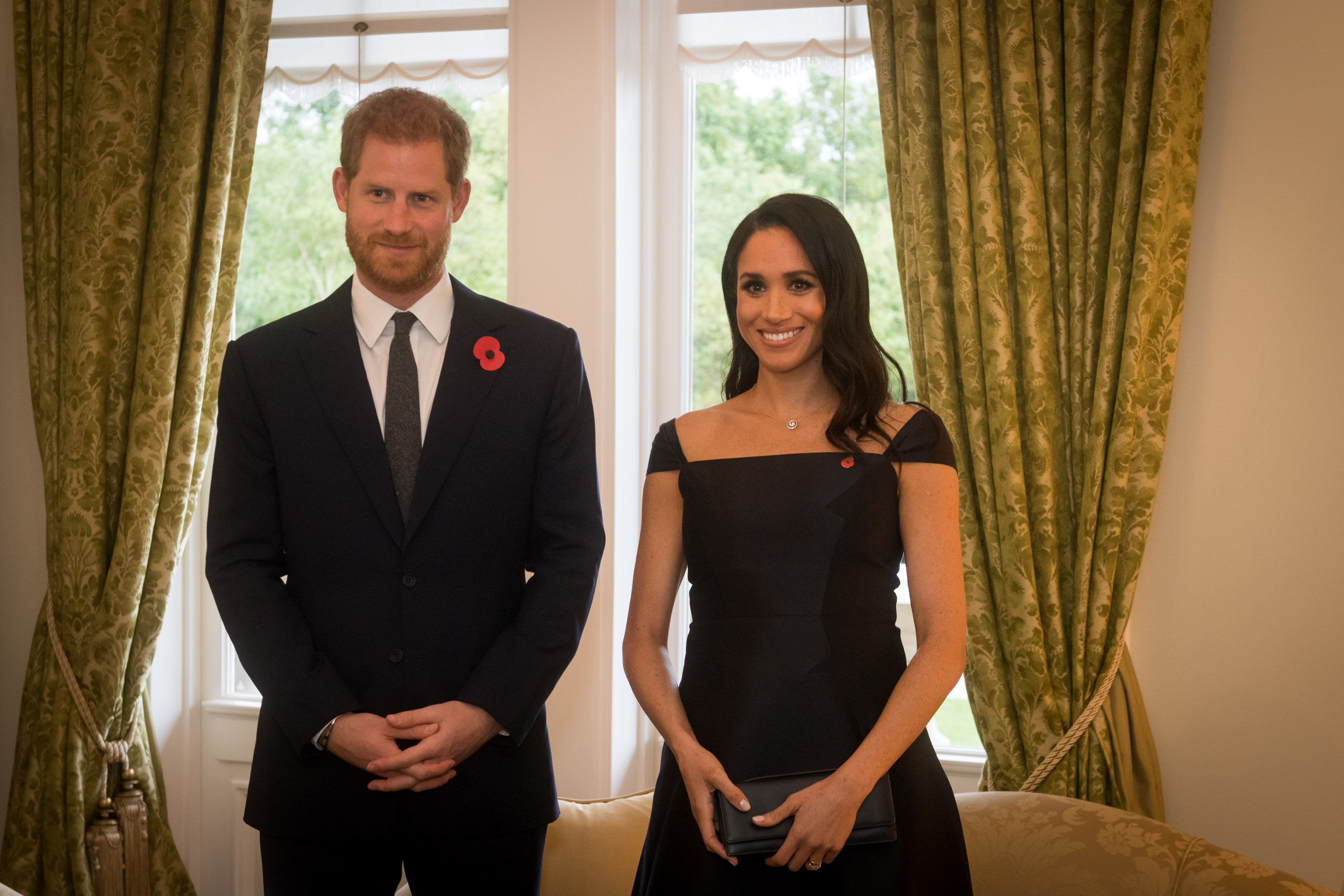
The Duchess of Sussex was photographed without her engagement ring during a visit to Nottingham with Prince Harry on 15 October 2026, their first joint public outing since returning to the UK. The ring, designed by Prince Harry in 2017, has a centre diamond from Botswana and two side diamonds from Princess Diana's collection.
What was seen in Nottingham
On Thursday 15 October 2026 the Duke and Duchess of Sussex visited three community projects in Nottingham, including a youth recording studio in St Ann's. HELLO! reported it was their first joint public appearance since they returned to the UK in late August, and that Meghan called the day "full circle": the couple's first joint walkabout, in 2017, was also in Nottingham. Photographs from the day showed her wedding band but not her engagement ring, which InStyle and Marie Claire both noted. No reason was given, and we do not speculate on one.
How the ring was made
The ring was announced with the engagement in November 2017. According to Kensington Palace at the time, as reported by the Press Association, Prince Harry designed it himself and it was made by Cleave and Company, then court jewellers to Queen Elizabeth II. The centre diamond came from Botswana, a country the Prince had visited many times since childhood. The two side stones came from Princess Diana's personal collection, which Harry said was to make sure his mother was "with us" on the journey. The stones were set on a yellow gold band, chosen because it was Meghan's favourite.
The ring did not stay exactly as it was. Marie Claire reported that it later appeared on a thinner band set with small diamonds, a common change when an engagement ring is worn alongside an eternity ring.
The three stone ring, a long tradition
A ring with three stones in a row, often called a trilogy ring, is one of the most traditional engagement styles. Victorian and Edwardian jewellers made them in large numbers, usually with old cut diamonds in gold or platinum, and they remained popular through the twentieth century. Many families today have one handed down, and plenty are reset or remodelled by the next generation, just as royal rings are.
What gives a ring its interest
For any engagement ring, the same things matter when it is valued: the cut, colour and clarity of each diamond, the metal and quality of the mount, the maker where a ring is signed or hallmarked, and the condition of claws and band. A documented history, such as a family record, an original box or a jeweller's receipt, also adds to the story. If a ring has been remodelled, keep any paperwork about the work done.
If you have an engagement ring you no longer wear, or a family three stone ring you would like to understand better, send us photographs. Every ring is different, and we will look at yours individually.
More from Mozeris News
Looking to buy or sell? Get in touch
We buy and sell antique and vintage jewellery, watches, silver and collectables, with free valuations and free insured collection.
About Mozeris Fine Antiques
Mozeris Fine Antiques is a dealer in fine jewellery, watches and silver, with offices in Mayfair, London, and Braintree, Essex. We buy and sell, and offer free valuations. Visits are by appointment.
- HELLO!, Meghan's Nottingham visit, 15 Oct 2026
- Press Association via BreakingNews.ie, "Prince Harry used Diana's diamonds in his design for engagement ring", Nov 2017
- Marie Claire UK, "Meghan Markle has apparently changed her engagement ring"
Mozeris Fine Antiques is not connected with the Duke and Duchess of Sussex or with Cleave and Company. No press, agency or AI images are used; the photograph shows a piece from our own stock.