
Antique Engagement Rings: The Complete UK Buying Guide
Everything you need to choose an antique engagement ring with confidence — what counts as antique, the great eras, old-cut diamonds, judging condition, sizing and realistic UK prices.
Here is something most high-street jewellers would rather you didn't know: the most beautiful engagement ring you can buy is often cheaper than a brand-new one — and there is only ever one of it. Antique engagement rings are rarer, more characterful and frequently better value than their modern equivalents. This guide explains how to buy one well — what "antique" really means, which eras to know, how to read old-cut diamonds and condition, and what you should expect to pay in the UK.
Antique vs vintage vs estate: what the words mean
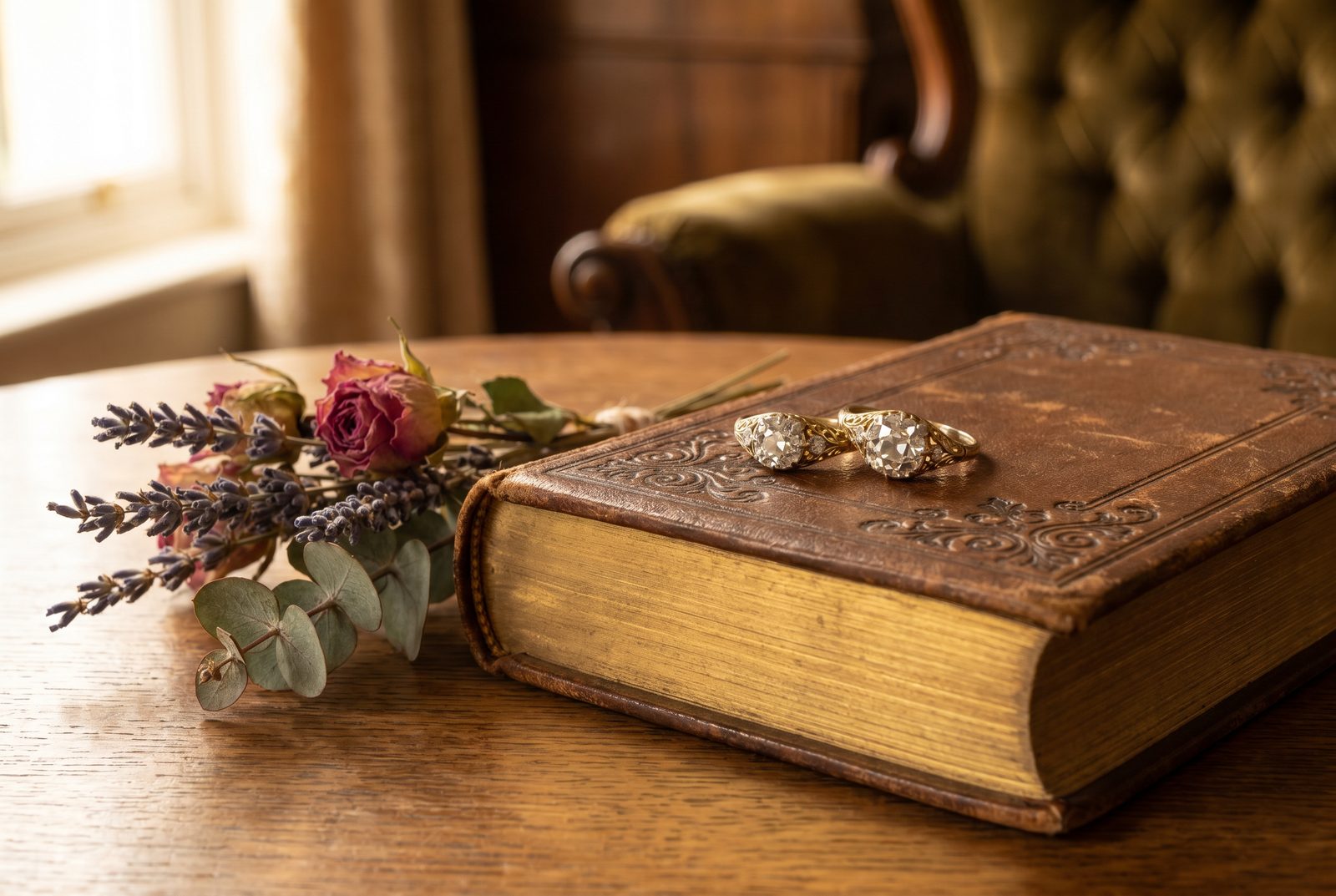
The three terms are used loosely, so it pays to be precise. Antique means a piece is at least 100 years old — today that means made before roughly 1925, so Georgian, Victorian and Edwardian rings, and the earliest Art Deco. Vintage is younger: broadly 30 to 100 years old, covering Art Deco through to the 1990s. Estate simply means previously owned — an estate ring can be antique, vintage or nearly new; the word describes ownership, not age.
Why does it matter? Because age affects rarity, the cutting of the stones, the alloys used and the way a ring was made — all of which feed into value and character. If you want a deeper primer, our guide to what estate jewellery is sets out the distinctions in full.
Antique (pre-1925)
Georgian, Victorian and Edwardian. Hand-made, old-cut stones, often rose-cut or old mine and old European brilliants. The rarest and most collectable.
Vintage (c.1925–1995)
Art Deco to late 20th century. Transitional and modern brilliant cuts appear; Deco geometry is the most sought-after.
Estate (any age)
Pre-owned, full stop. A useful word at auction but it tells you nothing about era — always ask the date.
Why buy an antique engagement ring
Four reasons come up again and again with our clients. Value: an antique ring carries no retail mark-up on a new brand, and the craftsmanship is frequently superior to mass-produced modern equivalents at the same price. Rarity: most antique rings are one-offs — when it is gone, it is gone. Sustainability: buying antique is the original circular economy; no new mining, no new gold refining. Character: hand-cut stones and hand-finished settings have a warmth and individuality that machine production cannot copy.
We see this clearly in who is buying. Art Deco geometry and old-cut diamonds now over-index with younger couples who want something with a story and a look that is unmistakably not from a high-street window. If you are weighing the trade-offs against a modern stone, our comparison of antique vs modern engagement rings is the natural next read.
The eras at a glance
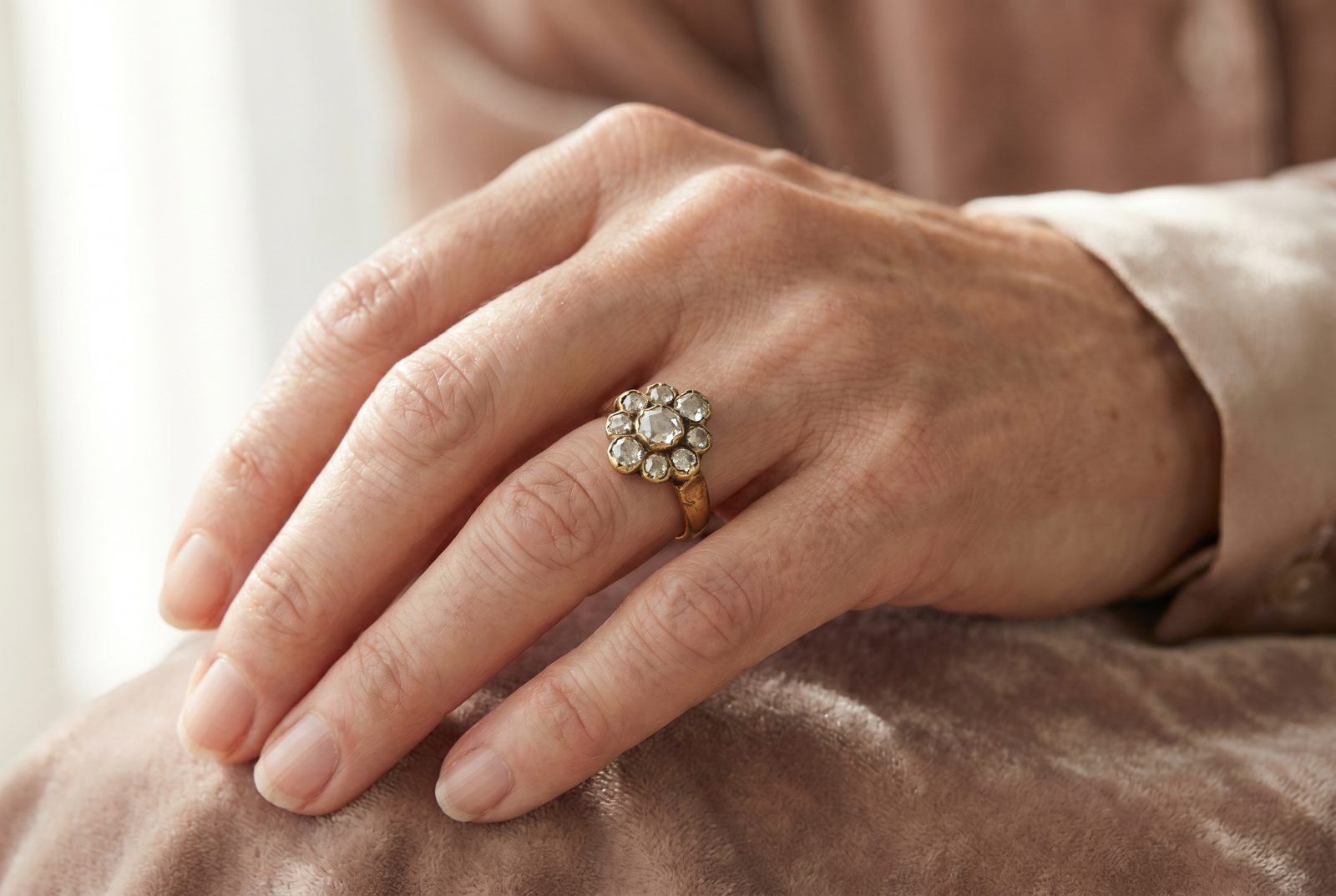
Georgian (1714–1837)
Rare and precious. Hand-cut rose and old-mine diamonds, closed-back foiled settings, high-carat gold and silver. Few survive intact.
Victorian (1837–1901)
Romantic and varied — clusters, gypsy settings, coloured stones and old-cut diamonds. The widest choice of antique rings.
Edwardian (1901–1910s)
Platinum, lace-like millegrain and garland motifs. Light, white and intricate; supremely elegant.
Art Deco (1920s–30s)
Bold geometry, calibré-cut colour, step-cut diamonds and crisp symmetry. The most in-demand antique style today.
Browse by period if a particular era speaks to you: Victorian jewellery, Edwardian jewellery and Art Deco engagement rings.
Old-cut vs modern diamonds
The single biggest difference between an antique and a modern ring is usually the diamond. Antique stones were cut by hand by eye and candlelight, to glow rather than to flash. Rose cuts (a domed crown of triangular facets, flat back) give a soft, romantic shimmer. Old mine and old European cuts — the forerunners of the modern round brilliant — have small tables, tall crowns and large open culets that produce a warm, candle-flame sparkle quite unlike a modern stone's icy brilliance.
None of this is a flaw. Many buyers fall for old cuts precisely because they look hand-made and have soul. If you love fire and want to understand how cutting shapes a stone, our guide to the artistry behind gemstone cuts goes deeper, and the history of diamonds sets the context.

How Mozeris Authenticates Every Ring
Buying antique means buying trust. Before a ring reaches our display, we check:
- Hallmarks — carat, assay office and date letter where present, cross-checked against the metal.
- Construction — hand-made vs cast, original vs later shank, evidence of period-correct techniques.
- Stones — cut style, era and condition, and any treatments, assessed by eye and loupe.
- Condition — wear to the shank, claws and gallery, and what restoration (if any) has been done.
Every piece is sold with our expert description and full transparency on age and condition.
Condition, hallmarks and authenticity
A good antique ring should be structurally sound, not flawless. Expect gentle wear consistent with age. The things to check — or to have a specialist check — are the shank (has it thinned or been re-shanked?), the claws or settings (are stones secure?), and the hallmarks. UK hallmarks can date a piece to the year; our overview of how to tell if jewellery is worth money explains what to look for, and how to spot a marriage of old stones in a newer mount.
Sizing and resizing antique rings
Most antique rings can be resized, but with more care than a modern band. Intricate Edwardian and Art Deco settings, full eternity bands and rings with stones running down the shoulders are harder — and sometimes inadvisable — to resize. A good rule: size up or down by no more than one to one-and-a-half sizes, and always have it done by a jeweller experienced with antique work. We advise on each ring individually before you buy.
What antique engagement rings cost in the UK
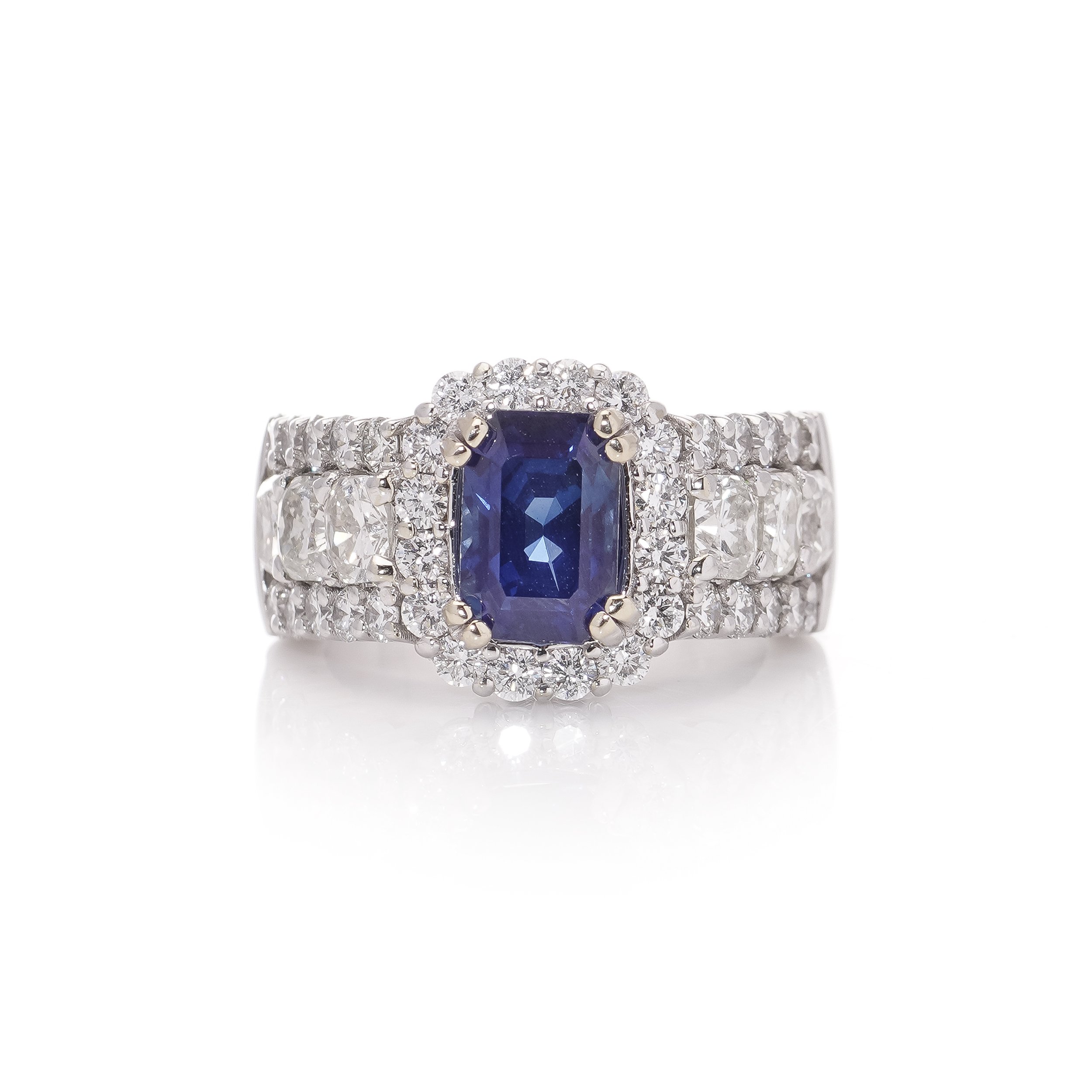
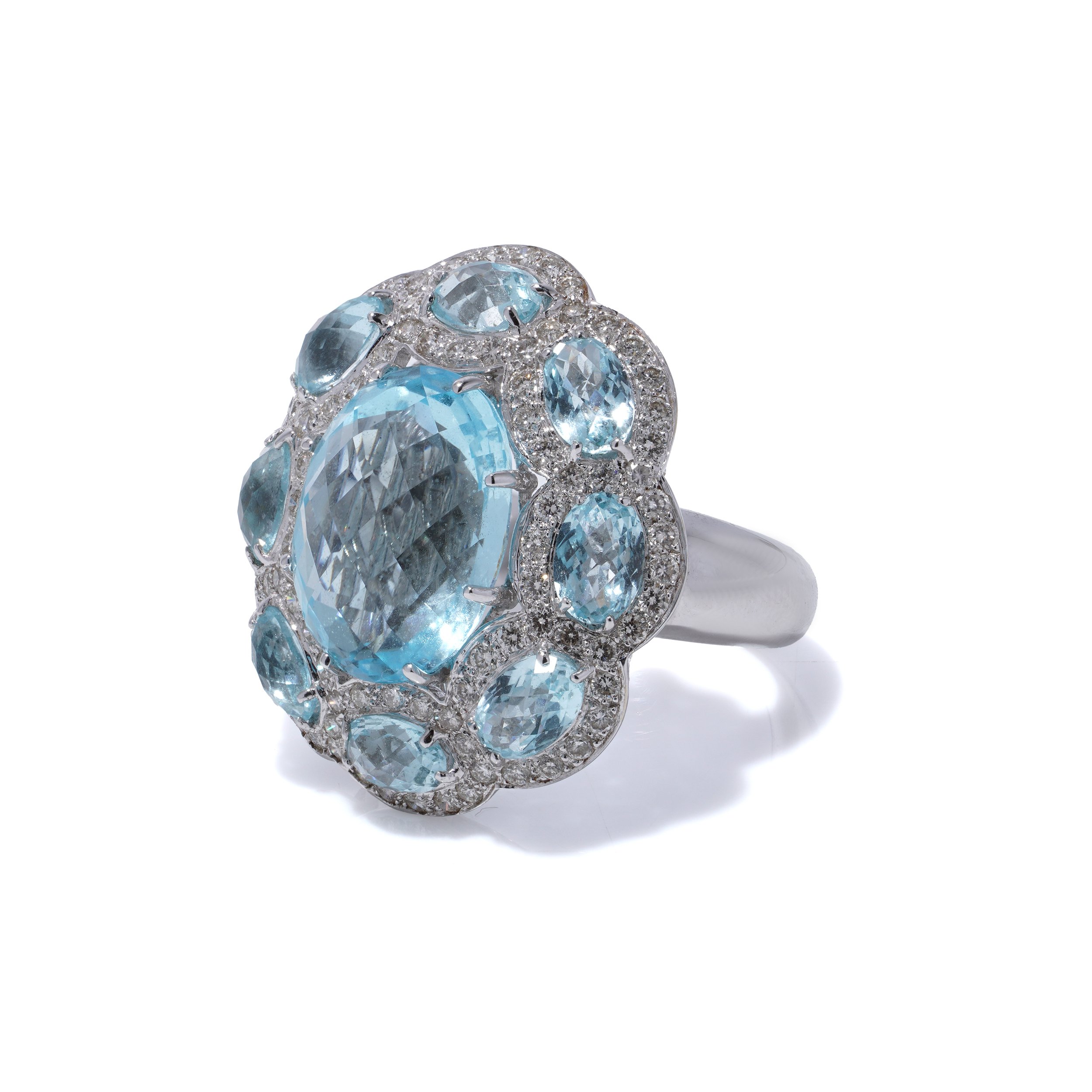
Prices span a wide range. Charming Victorian and vintage clusters and gypsy-set rings begin in the low-to-mid four figures. Fine Art Deco diamond rings, important coloured stones and signed pieces run well into five figures. As a rule you are paying for the quality and rarity of the centre stone, the maker, the era and condition — not a brand premium. The pieces below are a live cross-section of our current stock:




Prefer to start from a stone or style? Explore sapphire, emerald, ruby and diamond engagement rings, or read the history of engagement rings for the story behind the tradition.
Explore Further
Frequently Asked Questions
Choosing and buying an antique engagement ring in the UK.
What is the difference between an antique and a vintage engagement ring?
An antique ring is at least 100 years old (today, made before roughly 1925), so Georgian, Victorian and Edwardian. A vintage ring is younger — broadly 30 to 100 years old — and includes Art Deco through to the late 20th century.
Are antique engagement rings good value?
Generally, yes. You avoid the retail mark-up of a new branded ring, the craftsmanship is often superior, and each piece is usually one of a kind. Value depends mainly on the centre stone, era, maker and condition rather than on a brand name.
Can antique engagement rings be resized?
Most can, but with care. Simple bands resize easily; intricate Edwardian, Art Deco and fully-set rings are harder and sometimes best left. We advise on each ring before purchase and recommend resizing by no more than one to one-and-a-half sizes.
Are old-cut diamonds worth less than modern ones?
No — they are valued differently. Old mine, old European and rose cuts are prized for their hand-cut character and warm sparkle. For collectors and many couples, an original old-cut stone is more desirable, not less.
How do I know an antique ring is genuine?
Look at hallmarks, construction and the cut and condition of the stones, ideally with an expert. At Mozeris every ring is vetted and authenticated, and sold with a full, transparent description of its age and condition.