Part of: Sell designer jewellery
Vintage vs Modern Designer Jewellery
Vintage designer jewellery is usually 20 to 100 years old, antique over 100, and modern is recent or current. Age alone does not decide value: the maker, design, condition and papers do. Vintage pieces are valued on rarity, period and originality; modern ones on the model, condition and completeness. This guide explains how each is judged.
Not sure which yours is?
Free, no obligation, returned at our cost if you decline.
- Read our Google reviews (opens Google)
- Free, no obligation
- A reply within one working day
- Paid the same day after inspection
What the words mean
- Antique. Over about 100 years old.
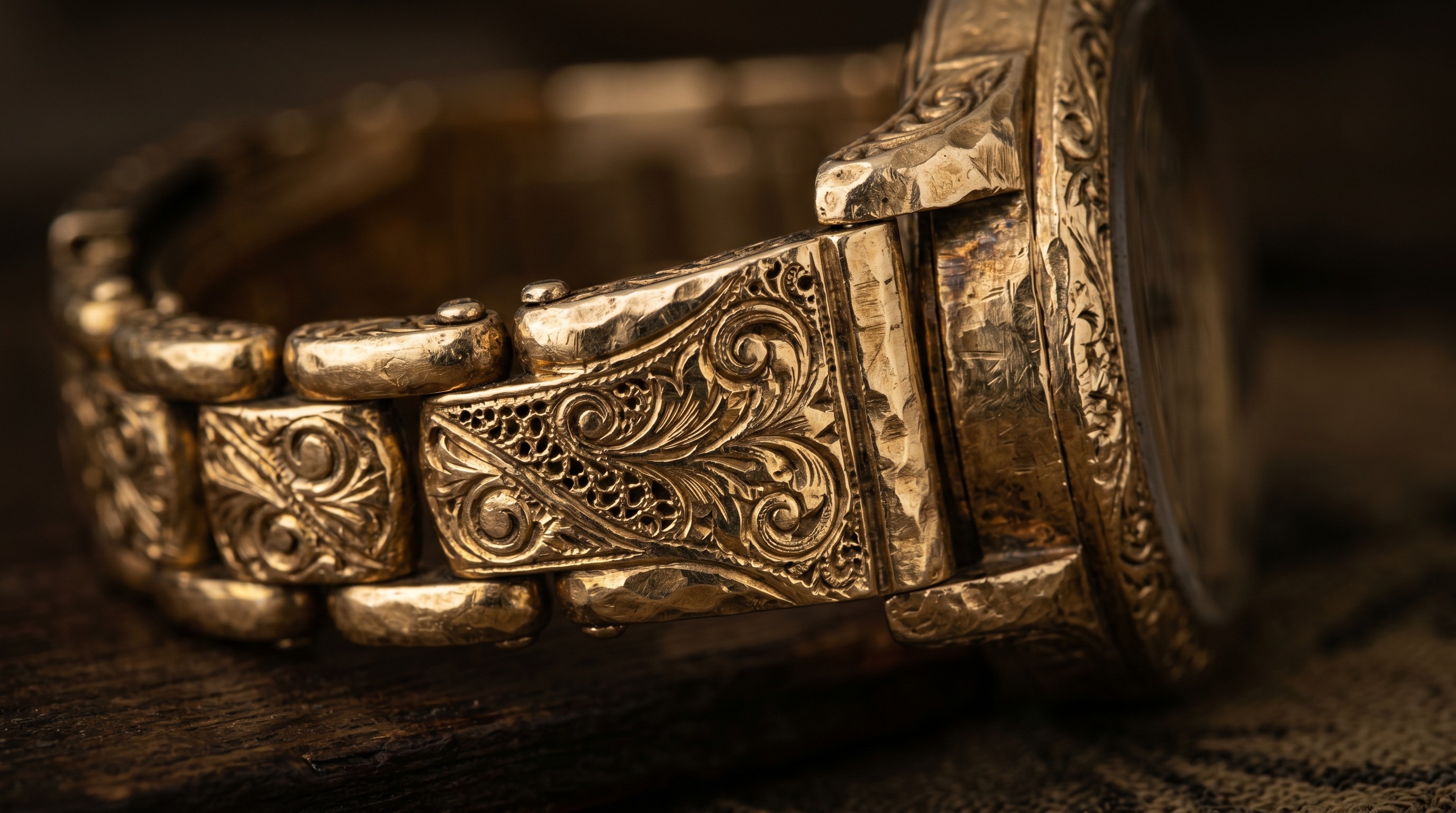
- Vintage. Roughly 20 to 100 years old.
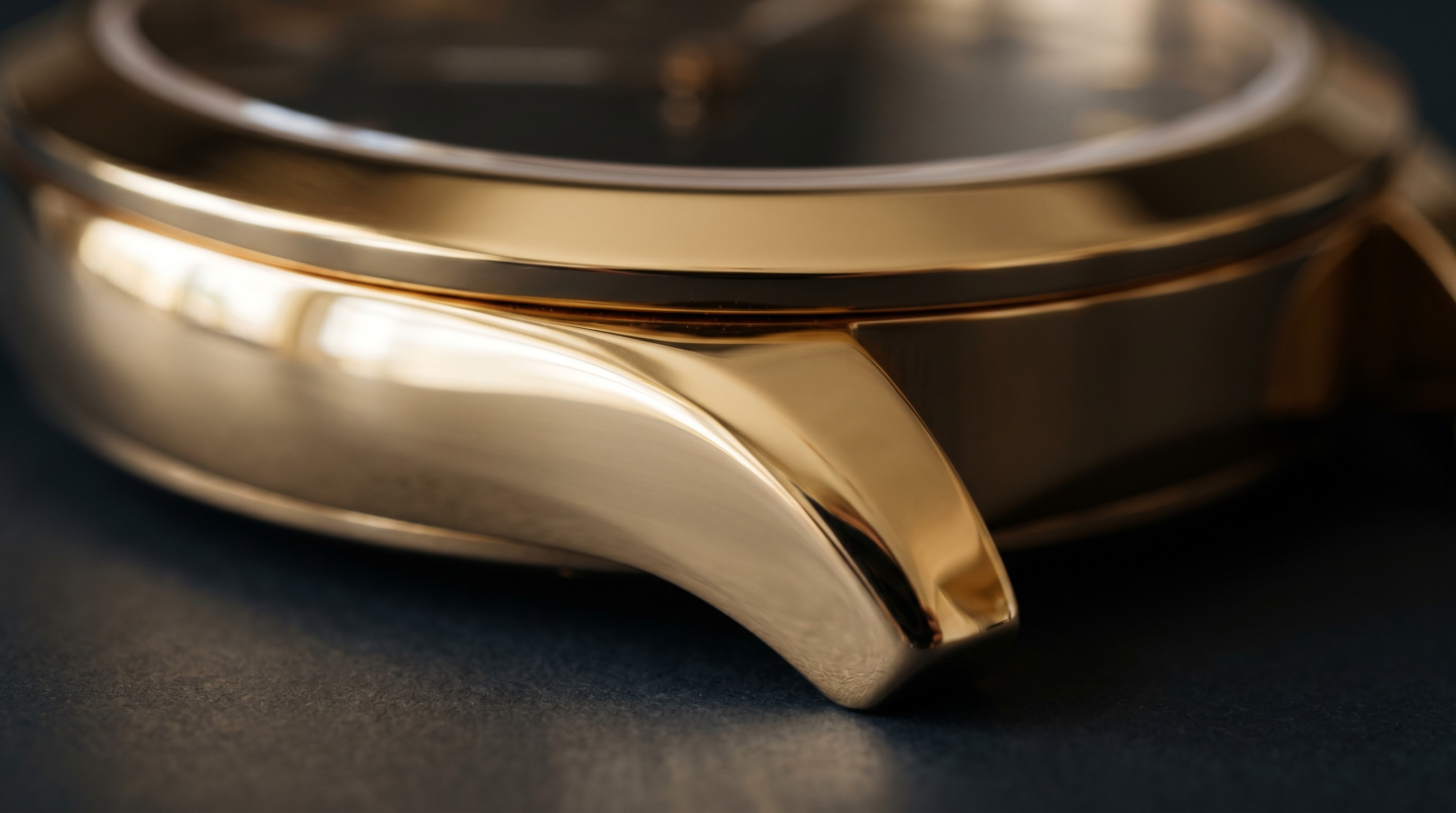
- Modern. Recent or current production.
A discontinued modern design is not vintage yet, and a vintage piece can still be in the current range in a newer form.
- Antique
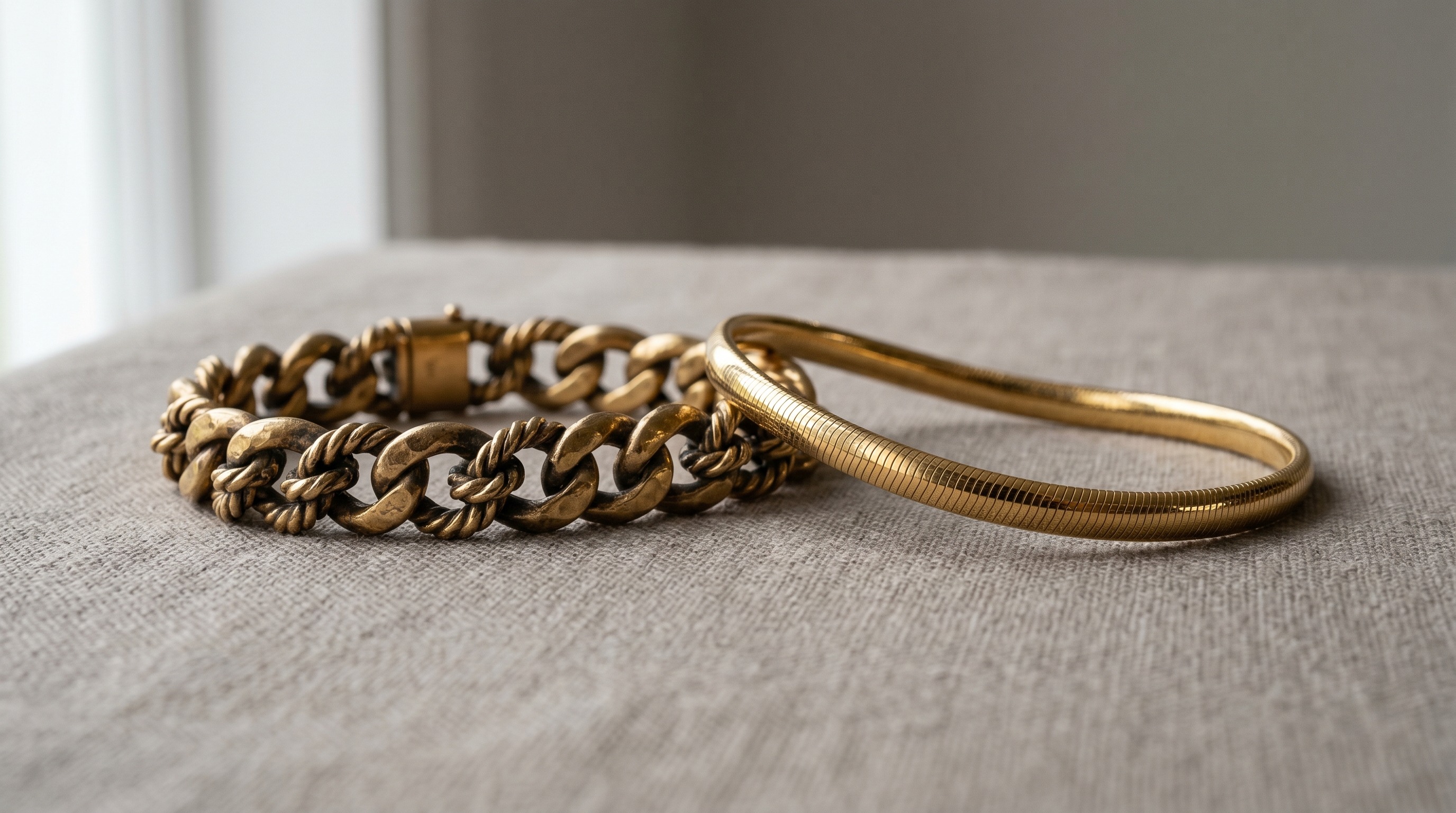
- Vintage
- Modern bands with example decades
How vintage is valued
Vintage designer pieces are valued on the maker and the period, the quality of hand-work, how rare the design is, and above all originality: original stones, unaltered settings and the maker’s marks of the time. Papers are often missing, and that is normal; the marks and the piece itself carry the history.
- 1Maker
- 2Period
- 3Hand-work
- 4Rarity
- 5Originality"
How modern is valued
Modern pieces are valued on the exact model and size, the materials and stones, the condition and completeness: box, certificate and receipt. Because the design is still made, buyers compare it with what is available now, so condition matters a great deal.
- 1Model
- 2Size
- 3Materials
- 4Condition
- 5Papers"
Check yours
Whatever its age, a designer piece is checked the same way: signature, serial or number, metal and national marks, and the quality of making. Hallmarks also date British-made pieces to the year.
For every house we buy, see how we check designer jewellery.
- 1Signature
- 2Number
- 3Marks
- 4Date letter
0 of 4 checked
1Signature
The house signature, whatever the age.
2Serial or number
Where the piece has one.
3Metal and national marks
Hallmarks also date British-made pieces to the year.
4Quality of making
Checked the same way on vintage and modern pieces.
Not sure how old yours is? Send photos of the piece and its marks for a free, honest check.
Free, no obligation, returned at our cost if you decline.
What is my piece worth, vintage or modern?
Whether a piece holds its value comes down to the maker and design, its age and originality, the materials, its condition and whether you have the papers. A vintage piece without papers can be worth more than a modern one with them, and the reverse. No papers? We still buy it. We never publish figures.
Free, no obligation, and returned at our cost if you decline.
Read our Google reviews (opens Google)
- Maker
- Age and originality
- Materials
- Condition
- Papers
How selling works
- 1
Send photographs
of the piece, its signature and marks, and any box or papers.
- 2
Free value inspection
We reply within one working day with an estimate, subject to inspection. If our offer differs, you can decline and we return it at our cost.
- 3
Paid the same day after inspection
by bank transfer or in cash, in Mayfair, at our Braintree office, by post or by free collection.
Insured up to £10,000 per parcel when you send to us.
Questions people ask
Is vintage designer jewellery worth more than modern?
Sometimes, but not because of age alone. A rare, original vintage piece by a great maker can be worth more than a modern one; a common vintage piece in poor condition can be worth less. It comes down to the maker, design, originality, condition and papers. A free value inspection tells you where yours sits.
Do vintage pieces need papers to sell?
No. Most vintage designer jewellery has no box or papers, and we buy it all the same. We read the signature and marks, identify the period and check the stones and setting. Old receipts or boxes help with history, but they are never required to sell.
How do I tell if my piece is vintage?
Look at the marks: British hallmarks give the year through the date letter, and maker’s signatures and marks changed over time. The design, the clasp and the way stones are set also date a piece. Send photographs of the piece and every mark, and we will tell you its period.
Where can I sell vintage designer jewellery?
To a buyer who knows period marks and makers and inspects the piece in person before paying. We buy vintage and modern designer jewellery directly: a free value inspection from photographs, then an appointment in Mayfair or at our Braintree office, post or free collection. You are paid the same day after inspection.
Should I restore a vintage piece before selling?
No. Restoration, re-polishing or replacing stones can lower the value of a vintage piece, because originality matters. Send it as it is, with photographs first, and we will tell you how its condition affects the value. Leave any repairs to the next owner.
Does an old Cartier or Van Cleef count as vintage?
Yes, if it is roughly 20 to 100 years old. Older Cartier and Van Cleef & Arpels pieces often carry city signatures, workshop numbers and French marks of their period, which help date them. Our brand guides show what to look for, and we can date yours from photographs.
Related guides
Vintage or modern, not sure?
Send a photograph of your piece and its marks for a free value inspection, with no obligation.
Free, no obligation, returned at our cost if you decline.
Thinking of selling? Find out how to sell designer jewellery with a free valuation from photographs.