Antique, vintage and estate: the terms
Antique jewellery is usually defined as 100 years old or more. Vintage usually means at least 20 to 30 years old, and estate jewellery is a US term for previously owned jewellery of any age. A specialist states the date of each piece and how it was established.
| Era | Dates | Typical features | Shop |
|---|---|---|---|
| Georgian | 1714 to 1837 | Closed-back foiled settings, rose and old mine cuts, paste | Georgian |
| Victorian | 1837 to 1901 | Gold and silver, cameos, mourning jewellery, 15KT and 9KT gold from 1854 | Victorian |
| Edwardian | 1901 to 1915 | Platinum, diamonds and pearls, milgrain, garland motifs | Edwardian |
| Art Deco | 1920 to 1935 | Geometric platinum, calibre-cut stones, colour contrast | Art Deco |
| Vintage | 1940s to 1990s | Retro gold, cocktail rings, signed designer pieces | Vintage |
How to date a piece
Three things date a piece: its marks, its stones and its construction. British hallmarks carry a date letter, and some standards existed only for a time: 15KT gold, for example, was hallmarked only from 1854 to 1932. British platinum was not hallmarked until 1975, so earlier platinum is often stamped PLAT or PT.
Hand-cut diamonds such as rose, old mine and old European cuts belong to the 19th and early 20th centuries. Fittings help too: clasps, brooch catches and earring backs changed over time.
Read more in how to date antique jewellery and gold hallmarks decoded.
What to check before you buy
- Metal and marks
Check the stamp or hallmark with a loupe and make sure it matches the description. A lone maker's stamp is not an assay.
- Stones
Ask whether stones are natural and whether any are treated, replaced or recut. Synthetic ruby has been made since 1902 and cultured pearls since the early 20th century, so important stones deserve a laboratory report.
- Settings
Claws should grip every stone; rubover settings should be smooth and tight; pavé and closed-back settings should have no gaps.
- Repairs and replaced parts
Look for solder of a different colour, new shanks, replaced pins, catches and clasps, and pieces assembled from more than one jewel.
- Wearability
Thin ring shanks, worn hinges, missing enamel and loose strands affect how a piece can be worn. Ask what has been done and what may be needed.
Questions to ask the seller
- How old is it, and how do you know?
- What is the metal, and is it hallmarked or tested?
- Are the stones natural, and are any treated, replaced or recut?
- Has it been repaired, resized or altered?
- Can it be resized, and at whose cost?
- Will I receive a written description and invoice, and what is the returns policy?
Every piece we list is described with its date, metal and marks, stones, measurements and condition. Ring sizes are given as UK / US / EU, for example UK N / US 6¾ / EU 54.
From our collection
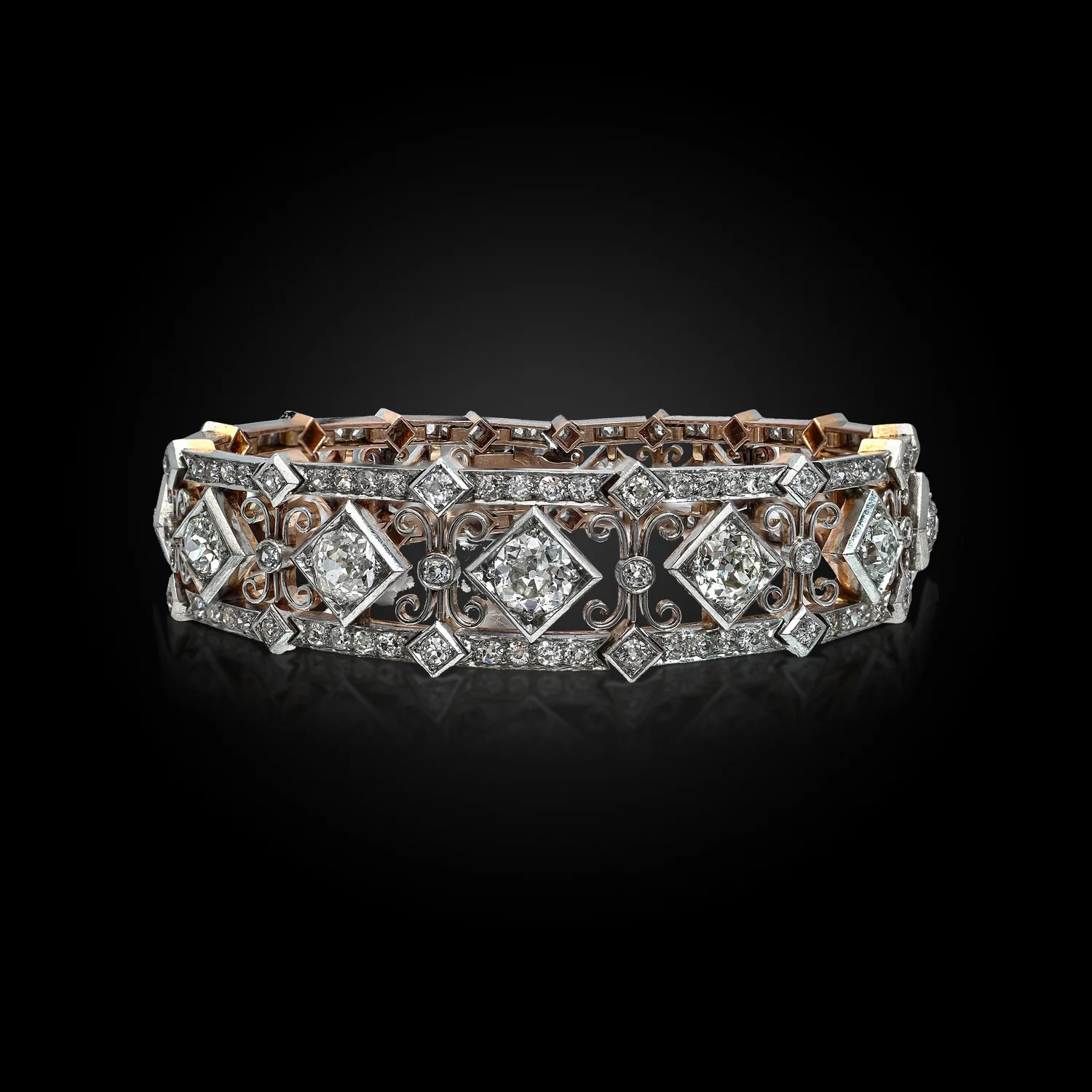
Edwardian
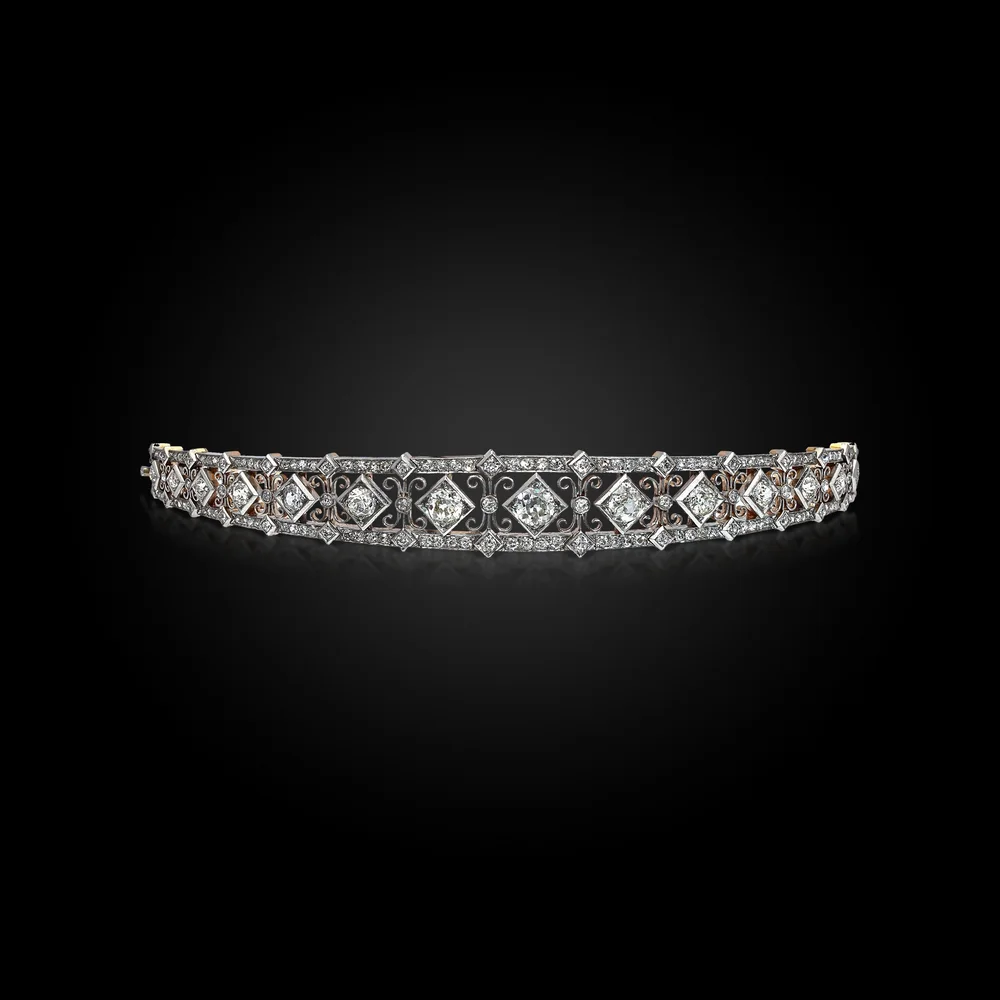
Our Edwardian convertible diamond tiara bracelet shows platinum openwork at its finest. Browse Edwardian jewellery.
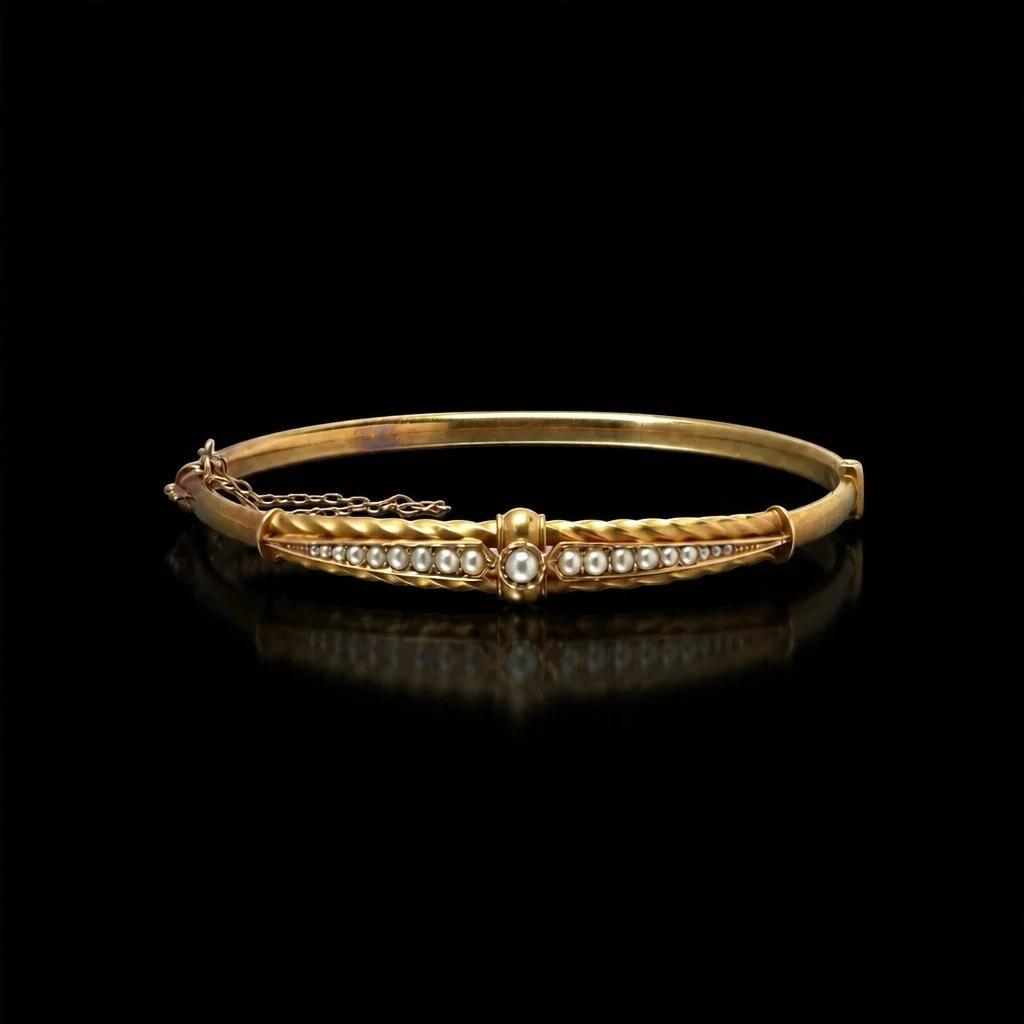
Victorian
The Victorian 15KT gold seed pearl bangle is a typical piece of its time. See Victorian jewellery and bracelets.
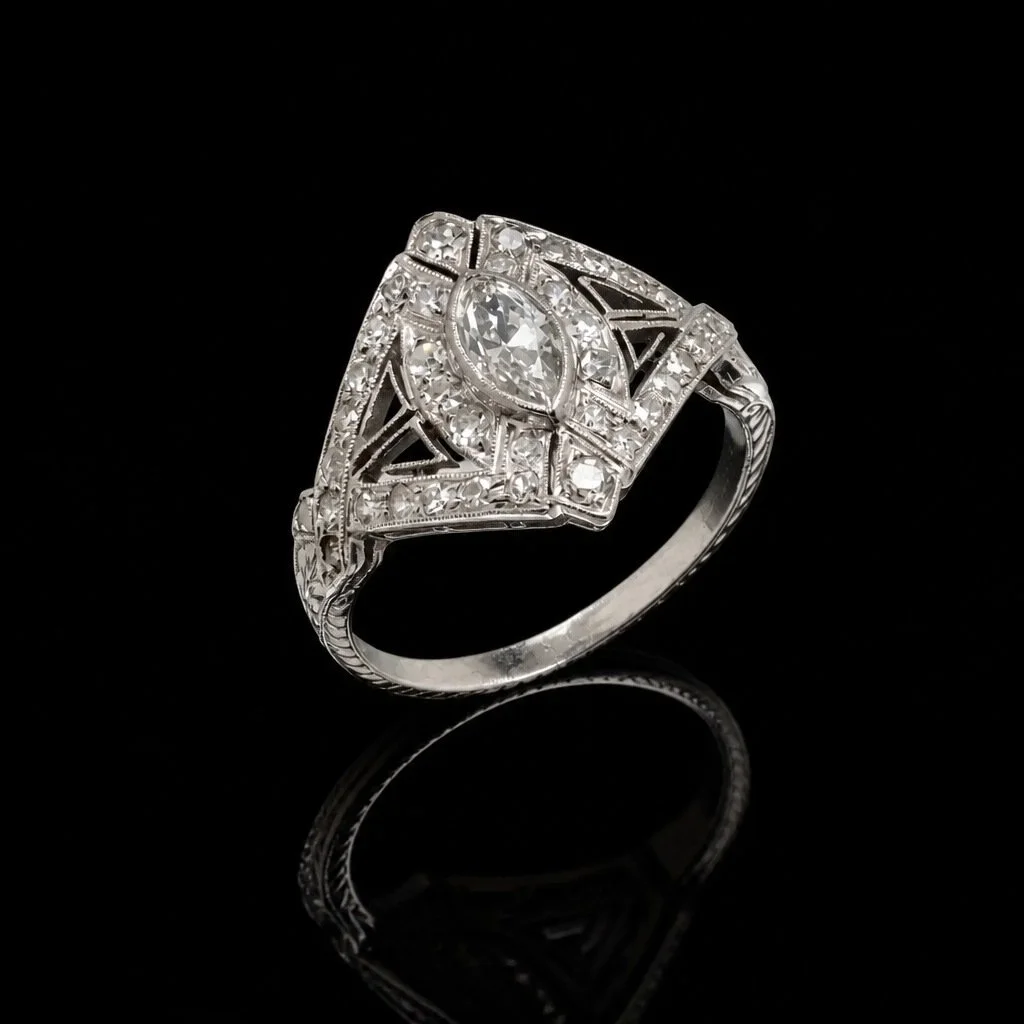
Art Deco
The Art Deco diamond plaque ring shows the geometry of the 1920s. Browse Art Deco jewellery and rings.
Or shop by type: earrings, necklaces and pendants and brooches.
Antique jewellery in stock
Shop all 126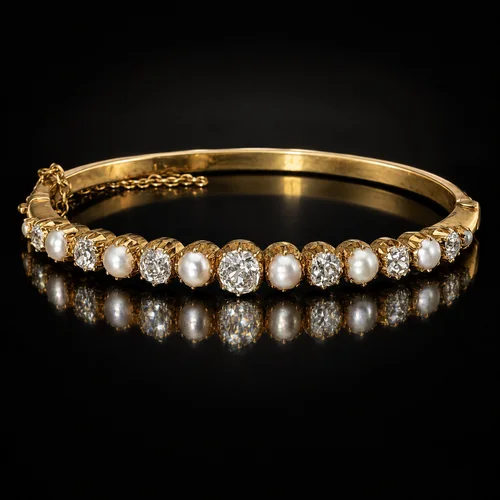
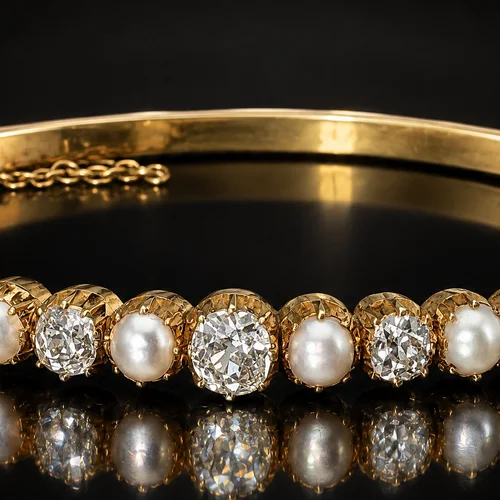 Victorian 18KT Gold Natural Pearl and Old Cut Diamond Bangle, 1.90 ct£4,785
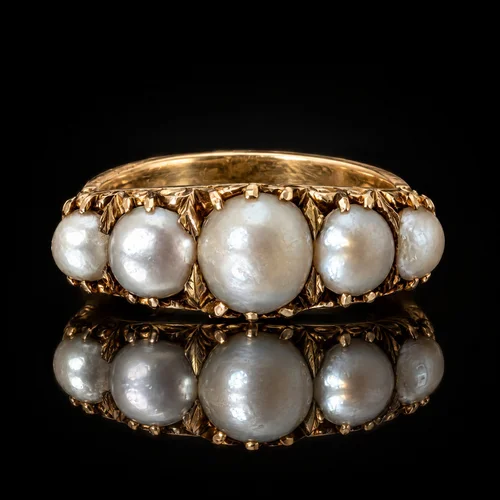
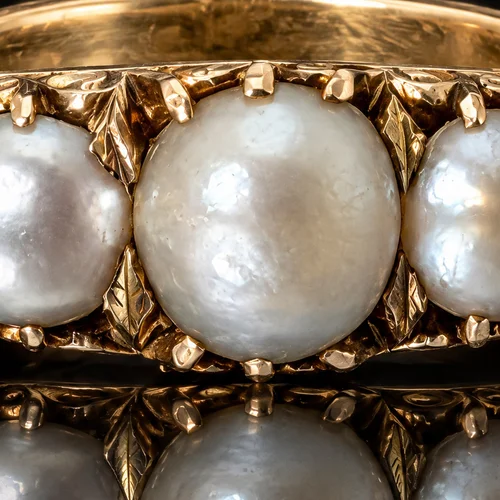 Victorian 9KT Gold Natural Pearl Five Stone Half Hoop Ring£1,865
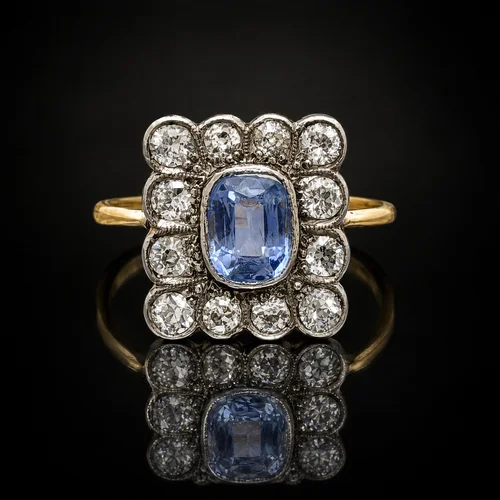
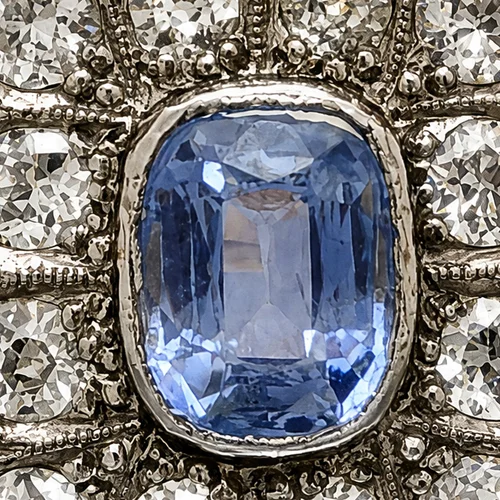 Art Deco 18KT Gold Ceylon Sapphire and Diamond Cluster Ring, 0.75 ct£1,285
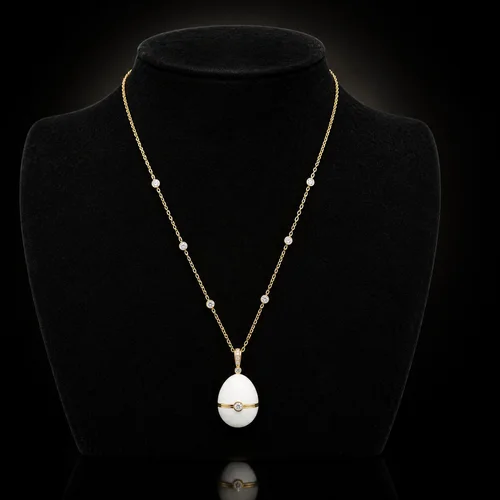
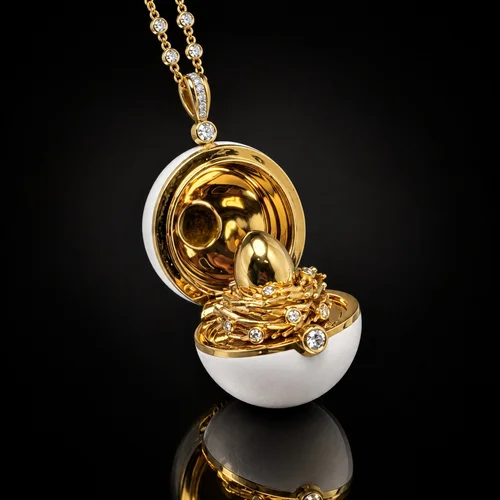 Fabergé No.1 18KT Gold Diamond White Enamel Surprise Egg Pendant Necklace£7,765
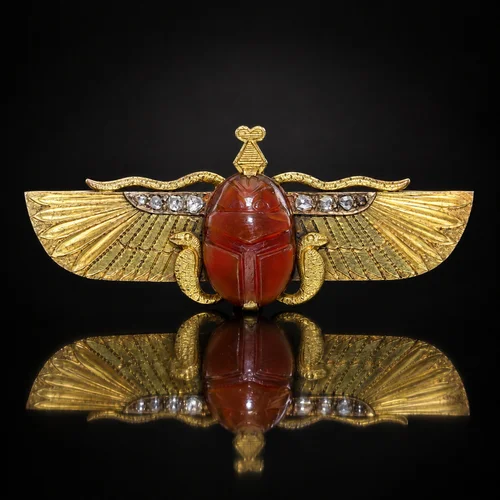
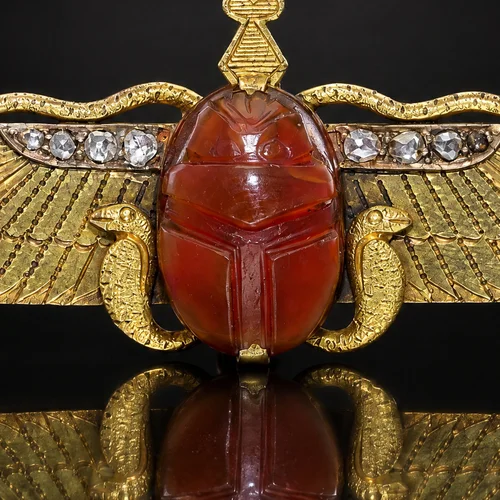 19th Century 20KT Gold Egyptian Revival Carnelian Scarab and Diamond Brooch£3,285
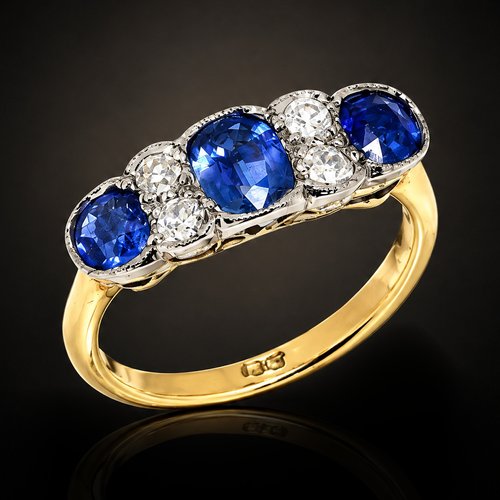
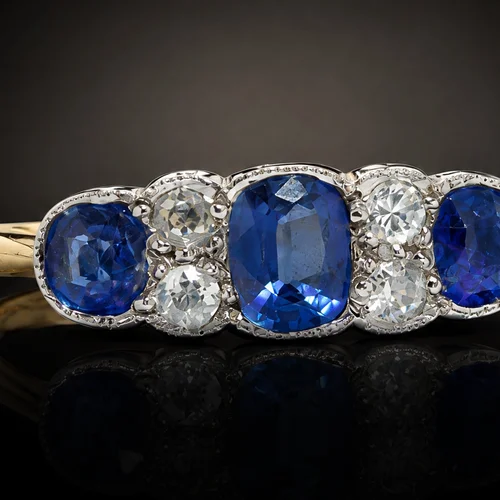 Edwardian 18KT Gold Ceylon Sapphire and Diamond Ring, 1.00 ct£2,965
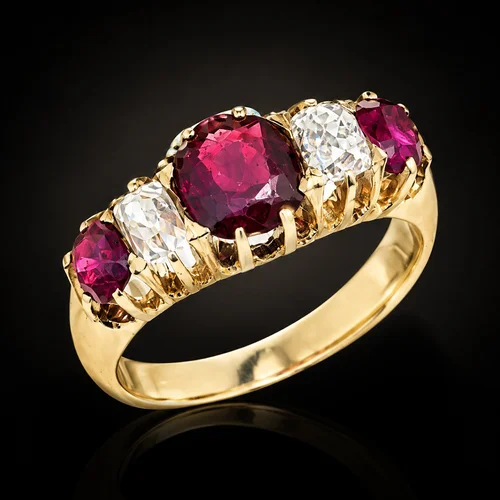
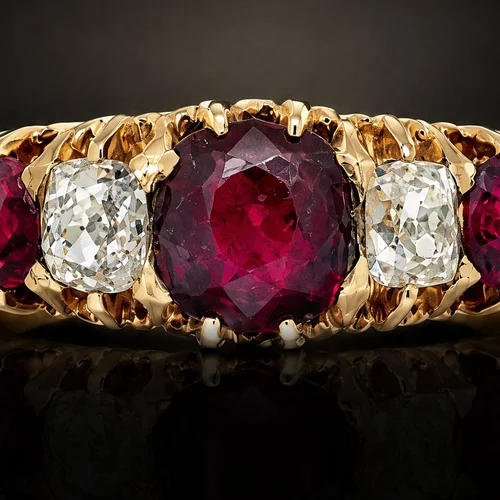 Edwardian Garnet and Old European Cut Diamond Ring, 1.60 ct£2,495
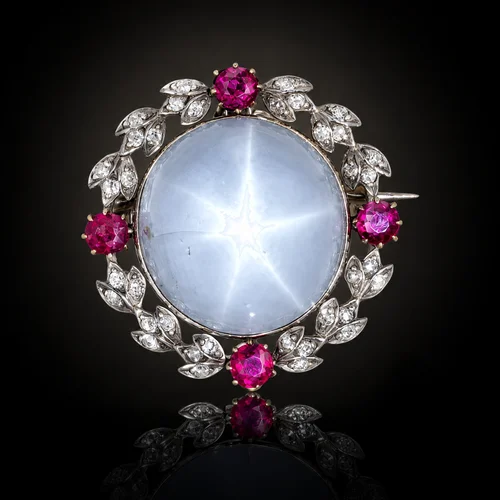
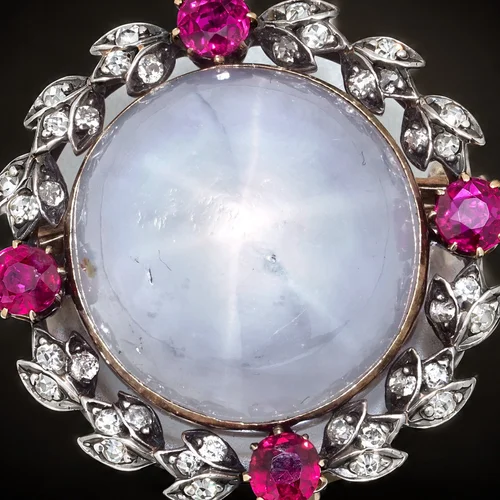 Victorian 20 ct Star Sapphire, Ruby and Diamond Wreath Brooch£5,950
Buying antique jewellery online
Buying online works well with a specialist who gives clear photographs from every angle, measurements in millimetres, weights and stone details, and who answers questions. Ask for extra photographs or a video, check the dealer's contact details and reviews, make sure delivery is insured and keep the written description and invoice. You can also view pieces by appointment in Mayfair, London, or Braintree, Essex.
Selling antique jewellery? Send photographs for a free valuation. Post it to us by Royal Mail Special Delivery or book a free insured FedEx collection, or bring it to an appointment in Mayfair, London, or Braintree, Essex. You are paid the same day after inspection, by bank transfer.