Art Nouveau Jewellery1890 to 1910
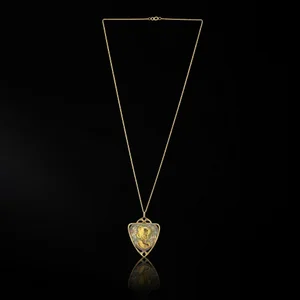
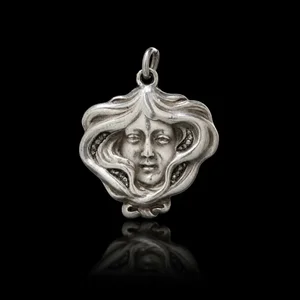
Antique Art Nouveau jewellery from around 1890 to 1910: an 18KT gold plique-à-jour enamel pendant necklace, a Marcus & Co. 14KT gold Essex crystal brooch, a Russian Fabergé silver pendant, a gold brooch with a 20 mm Tahitian pearl and an enamel miniature brooch with pearls and diamonds. Later pieces made in the Art Nouveau manner are labelled Art Nouveau style.
5.0 by our buyers on Google · 4,000+ customers
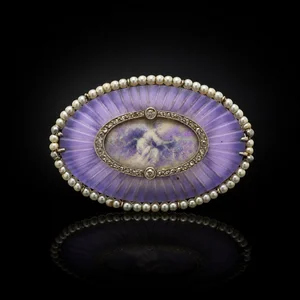
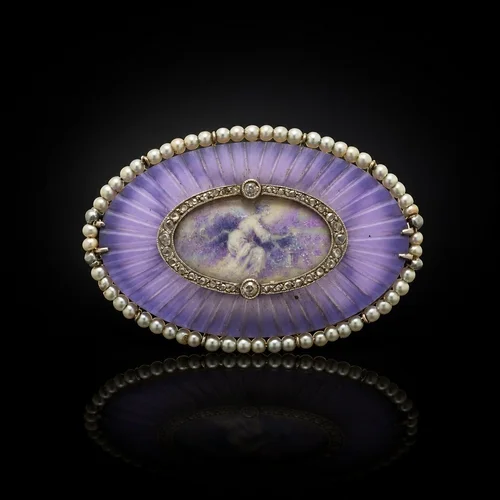
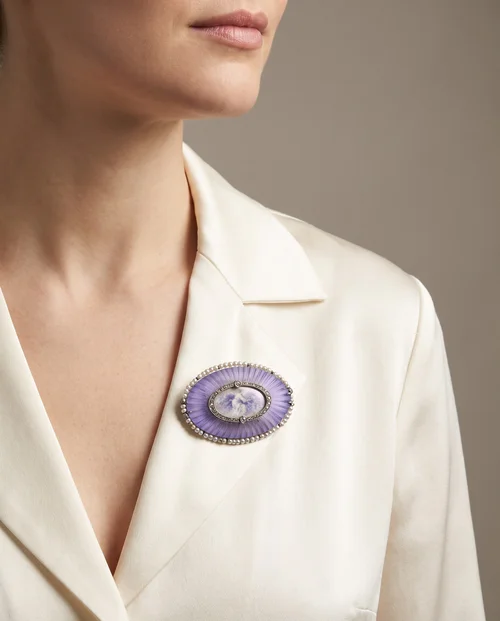 Antique Art Nouveau 9KT Gold Enamel Miniature, Pearl and Diamond Brooch, Boxed£5,400
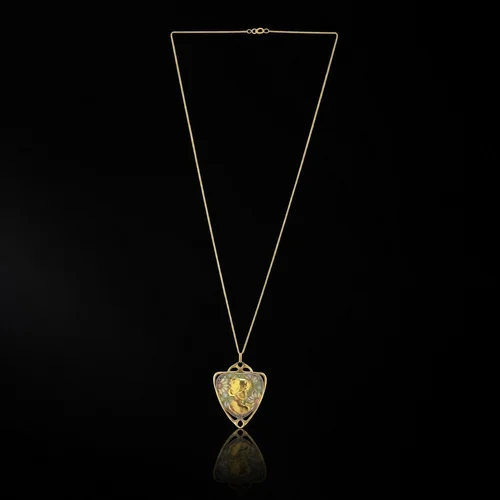
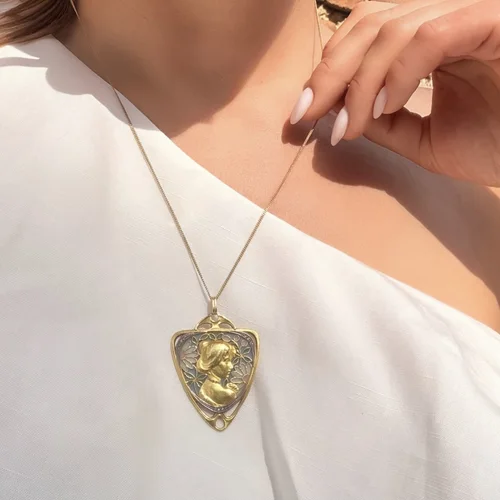 Art Nouveau Plique-à-Jour Enamel Pendant Necklace, 18KT Gold, Circa 1910£5,950
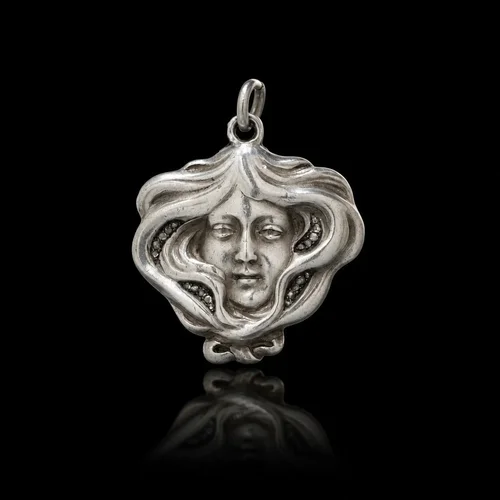
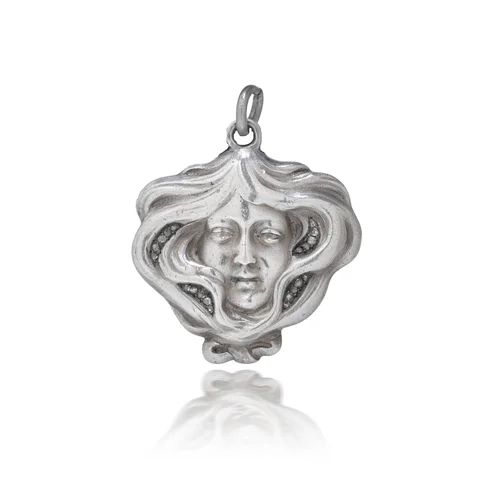 Russian Faberge Art Nouveau Silver Pendant£2,995
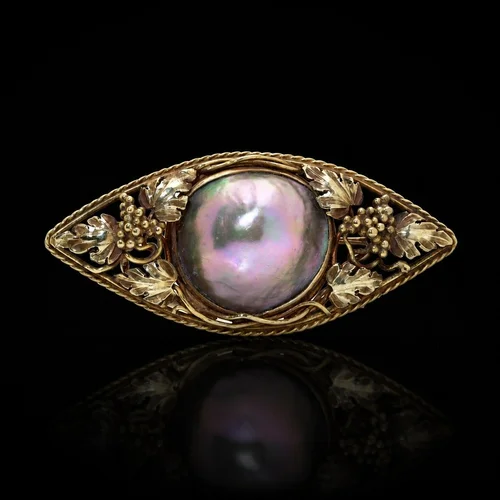
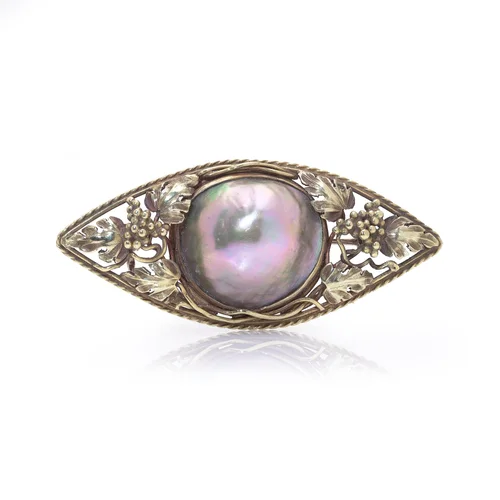 Art Nouveau Gold Brooch with 20mm Tahitian Pearl, Circa 1910£2,950
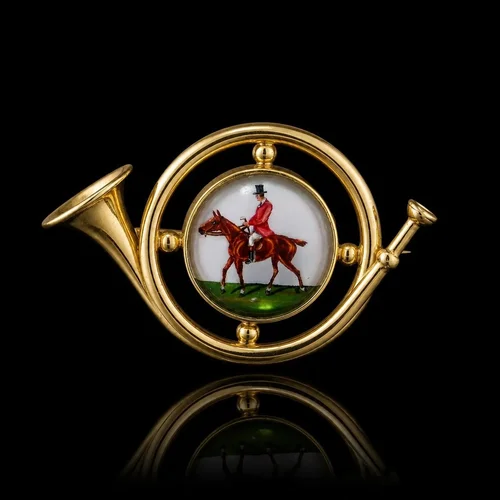
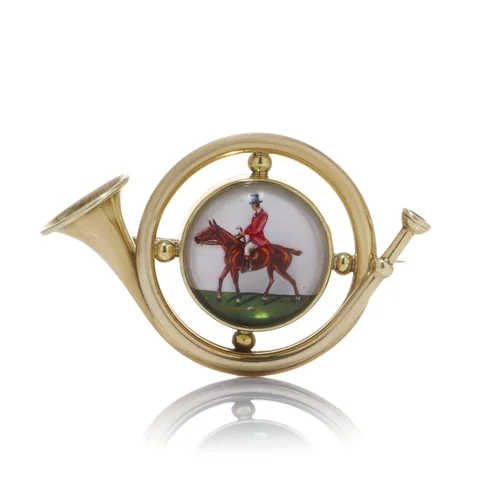 Marcus & Co. Art Nouveau 14KT yellow gold Essex Crystal Brooch£2,650
What is Art Nouveau jewellery?
Art Nouveau was an international style of roughly 1890 to 1910. Jewellers turned away from the formal diamond jewels of the Victorian period towards nature and the female form: flowing lines, women with long hair, dragonflies, butterflies, orchids, poppies and peacocks.
Materials: design over carat weight
Art Nouveau jewellers chose materials for colour and effect rather than value: enamel, horn, opal, moonstone, freshwater and baroque pearls, glass and carved ivory, set in gold or silver. Diamonds were used as accents rather than the centre of the design.
Plique-à-jour and other enamels
The period's signature technique is plique-à-jour, translucent enamel with no backing, so light shines through it like a stained glass window. Jewellers also used basse-taille and painted enamel for petals, wings and faces.
Makers
René Lalique in Paris led the style, with Georges Fouquet, Henri Vever and Lucien Gautrait. In America, Marcus & Co. and Tiffany & Co. made Art Nouveau jewels; in Britain, Liberty & Co. sold the related Arts and Crafts designs. Fabergé produced Art Nouveau pieces in Russia.
Questions
What years is Art Nouveau jewellery?
Roughly 1890 to 1910. It overlaps the late Victorian and Edwardian periods in Britain and was followed by Art Deco after the First World War.
How can I recognise Art Nouveau jewellery?
Look for flowing, curved lines, natural subjects such as insects, flowers and women's profiles, and enamel, pearls or opals used for colour rather than large diamonds.
What is plique-à-jour enamel?
Translucent enamel set in an open framework with no backing, so light passes through it like stained glass. It is the technique most associated with Art Nouveau jewellery.
What is the difference between Art Nouveau and Art Deco jewellery?
Art Nouveau, about 1890 to 1910, is curved, natural and colourful. Art Deco, about 1920 to 1935, is geometric, symmetrical and often platinum and diamonds.