Guide · Earrings

Types of Earrings: A Guide to Antique and Vintage Earrings

Studs, drops, hoops and clusters, and the fittings that hold them: the main types of earring, how fittings help date antique pairs and how to choose.

By the Mozeris specialistsUpdated 4 min read

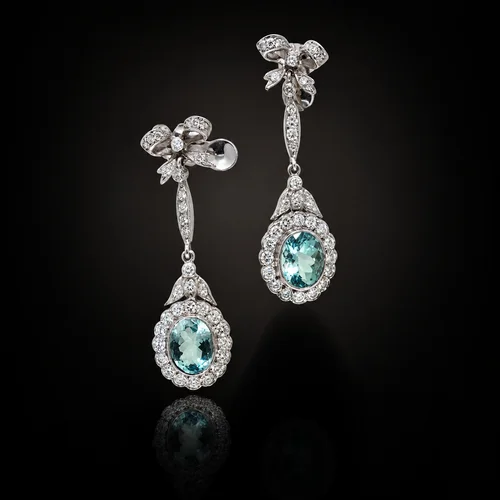
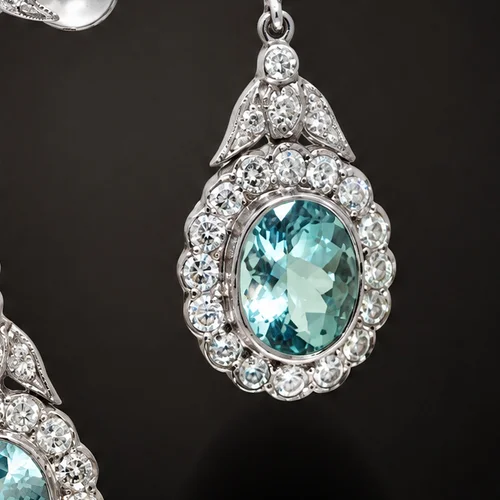
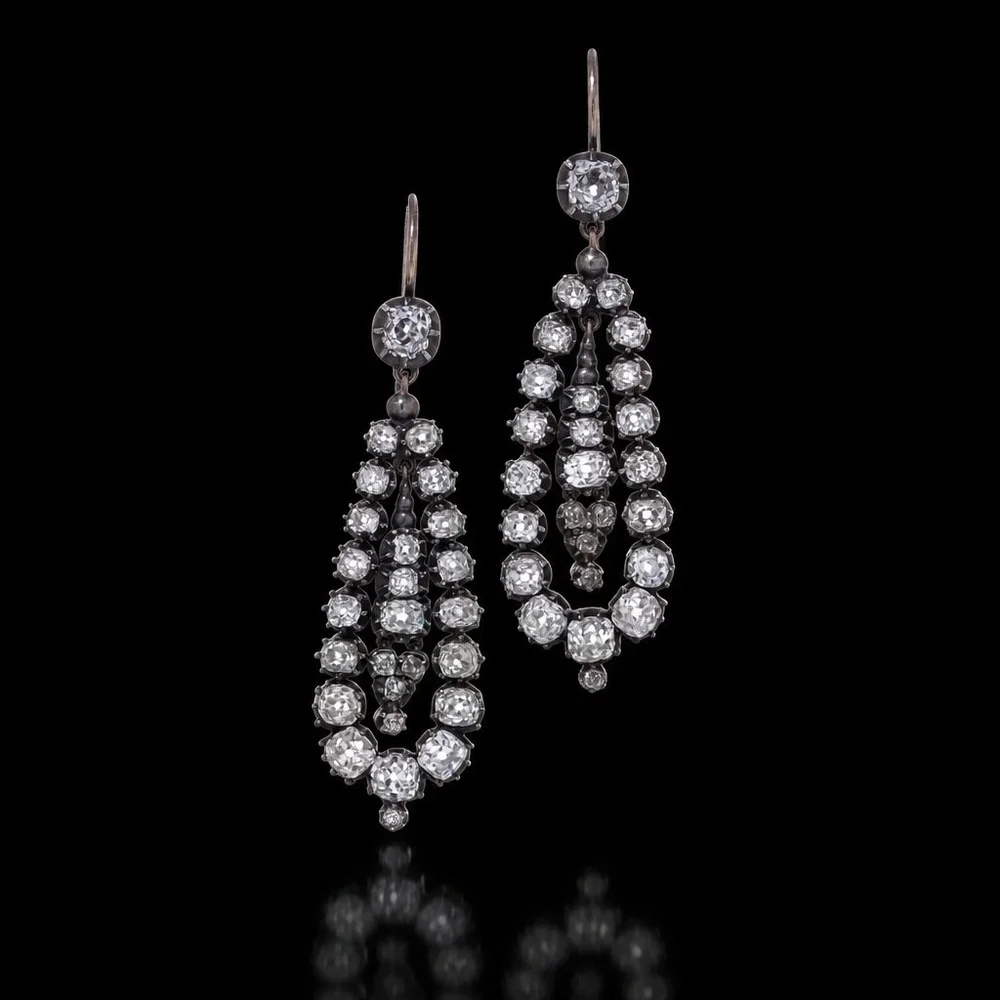
Victorian 15KT gold and silver diamond drop earrings
Victorian 15KT gold and silver diamond drop earrings, from our collection

The short answer

The main types of earring are studs, which sit on the lobe; drops, which hang below it; hoops; clusters; and larger girandole and chandelier earrings with several hanging elements. They are held by posts with butterfly backs, hooks, lever backs, screw fittings or clips. The fittings help date antique earrings.

  • Studs sit on the lobe; drops and chandeliers hang below it.
  • Hoops range from small huggies to large creoles.
  • Fittings: posts and butterflies, hooks, lever backs, screws and clips.

The main types of earring

TypeWhat it is
StudA single stone or motif that sits on the lobe
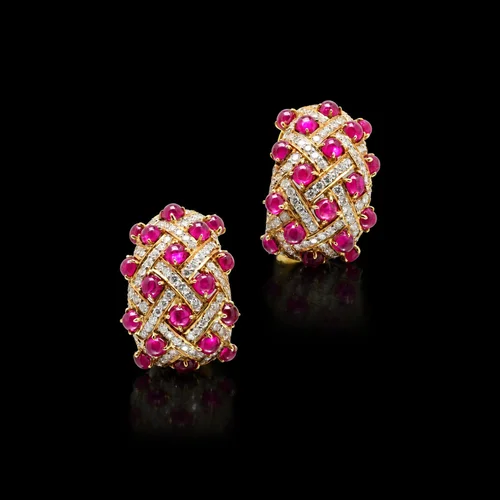
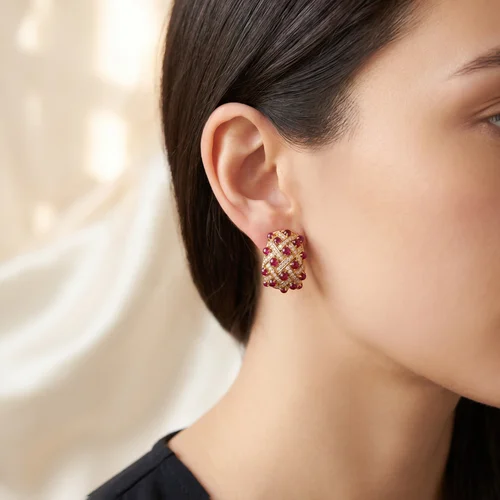
ClusterA group of stones on the lobe, often a centre stone ringed by smaller ones
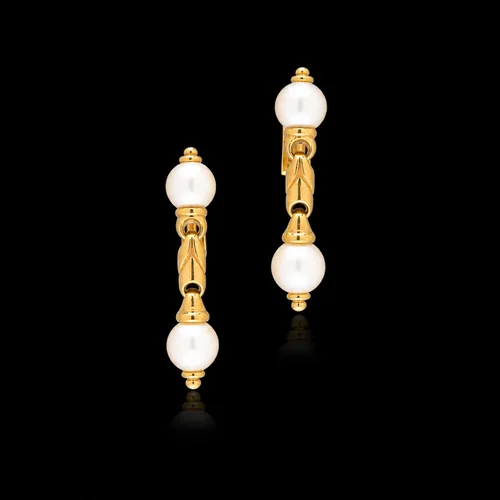
DropA stone, pearl or motif hanging below the lobe; long drops are pendant earrings
HoopA ring through the lobe, from small huggies to large creoles
GirandoleA top with three hanging drops, a Georgian and 19th-century design
ChandelierSeveral tiers of hanging elements
Climber and cuffModern styles that run up or hook over the ear

Browse all earrings and our guide to antique and vintage earrings.

Earrings in stock

Shop all 45
Earring fittings and how they date a pair

  • Hooks and kidney wires: the oldest fittings for pierced ears, seen on Georgian and Victorian drops.
  • Screw fittings: for unpierced ears, appearing from around the turn of the 20th century.
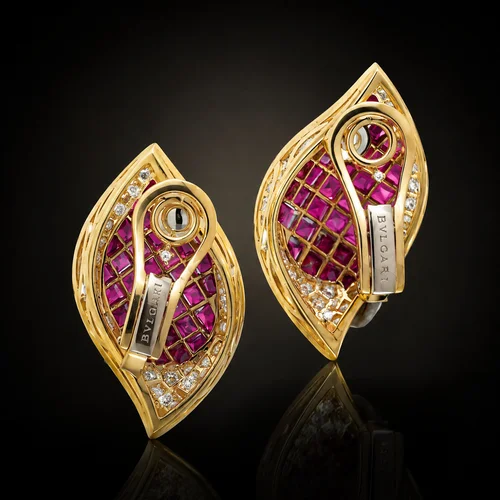
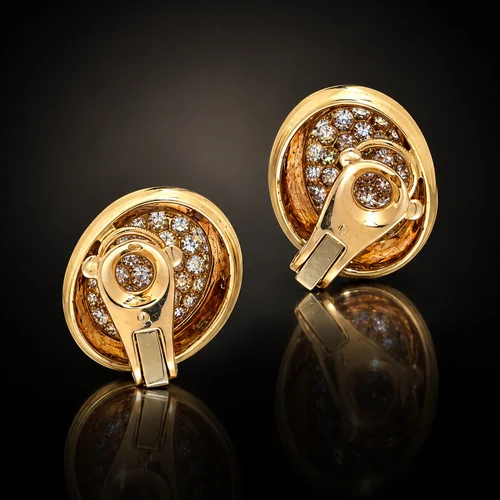
  • Clips: for unpierced ears, typical from the 1930s and common on mid-century and 1980s earrings.
  • Posts with butterfly backs: the modern standard for pierced ears.
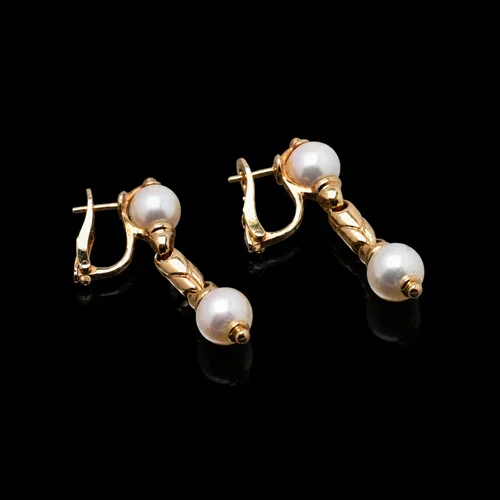
  • Lever backs: a hinged hook that snaps shut, secure for drops.

A jeweller can convert clips or screws to posts and add posts to clip earrings, though original fittings help date a pair and should be kept where possible. Read more in our guide to dating earrings by their fastenings.

Earrings in our collection
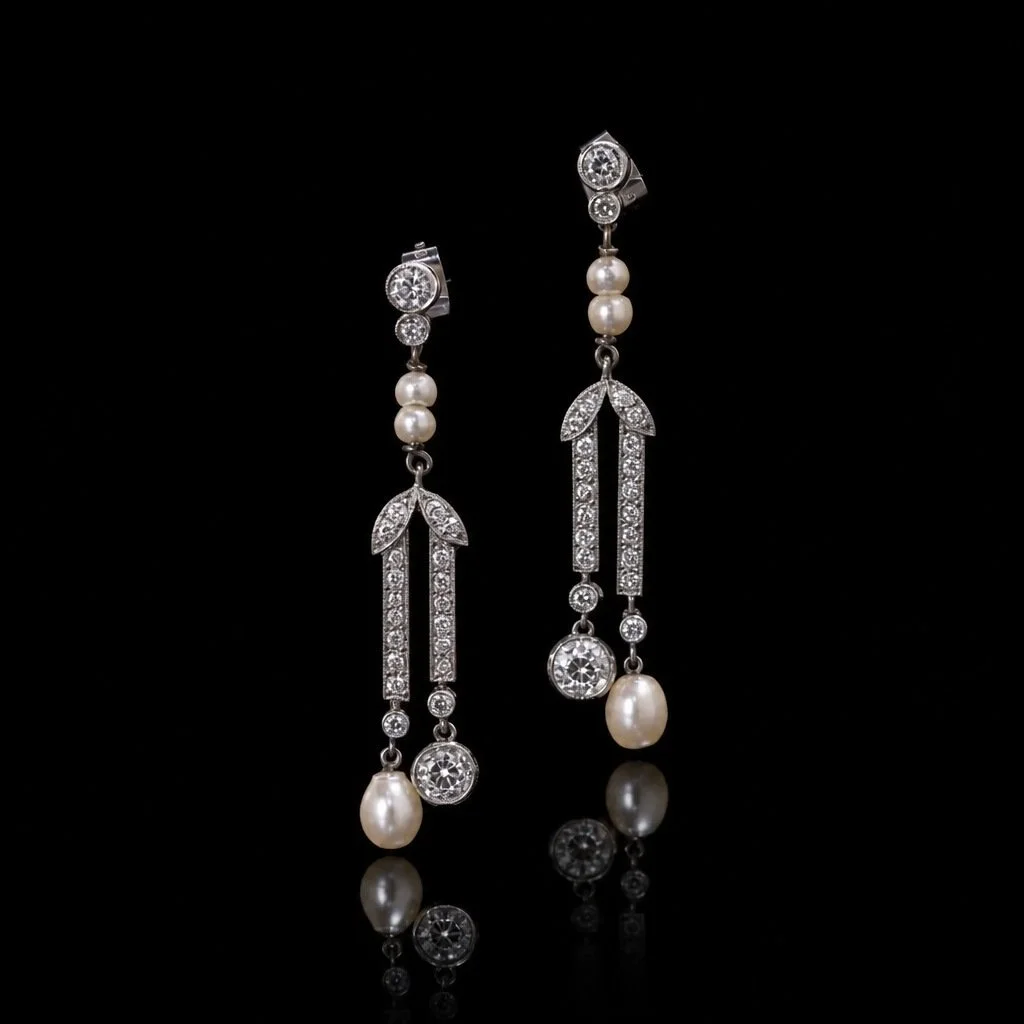
Belle Epoque platinum drop earrings with diamonds and natural pearls
Belle Époque platinum diamond and natural pearl drop earrings, from our collection
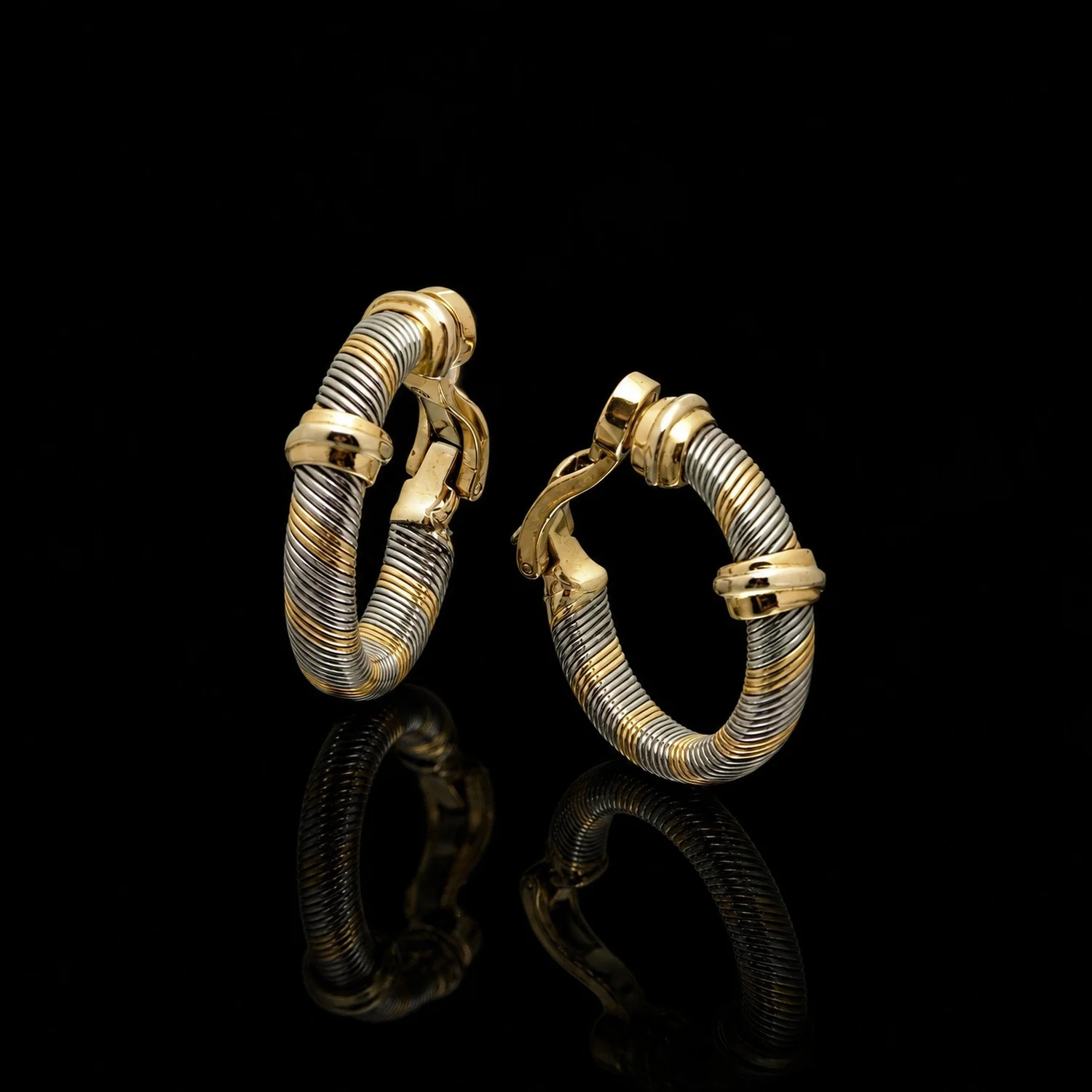
Cartier 18KT gold and steel cable hoop clip earrings, 1980s
Cartier 18KT gold and steel cable hoop clip earrings, 1980s, from our collection
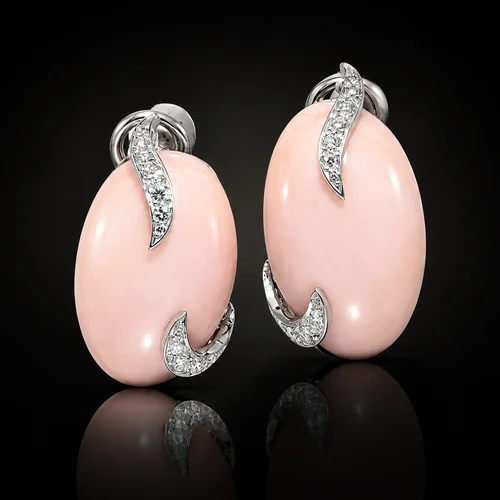
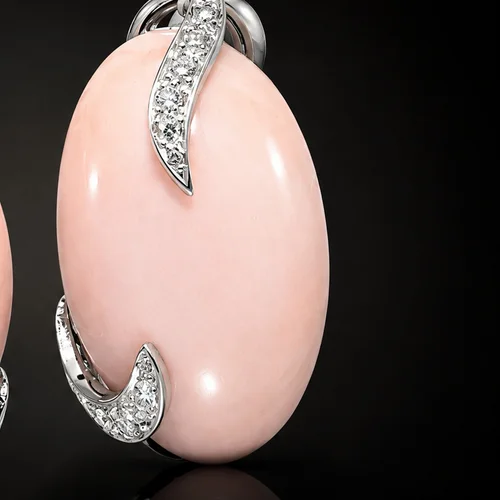
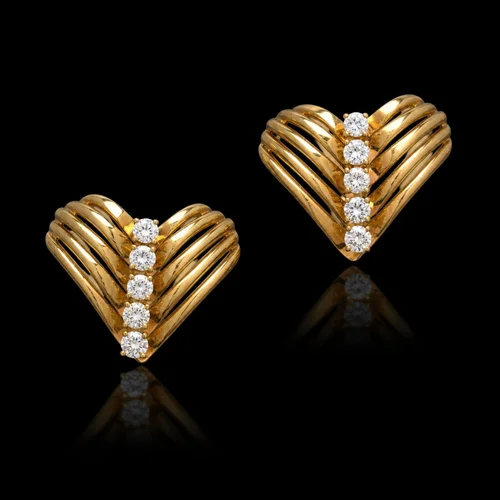
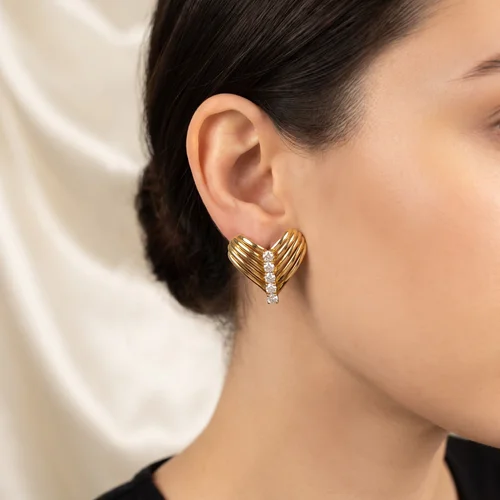
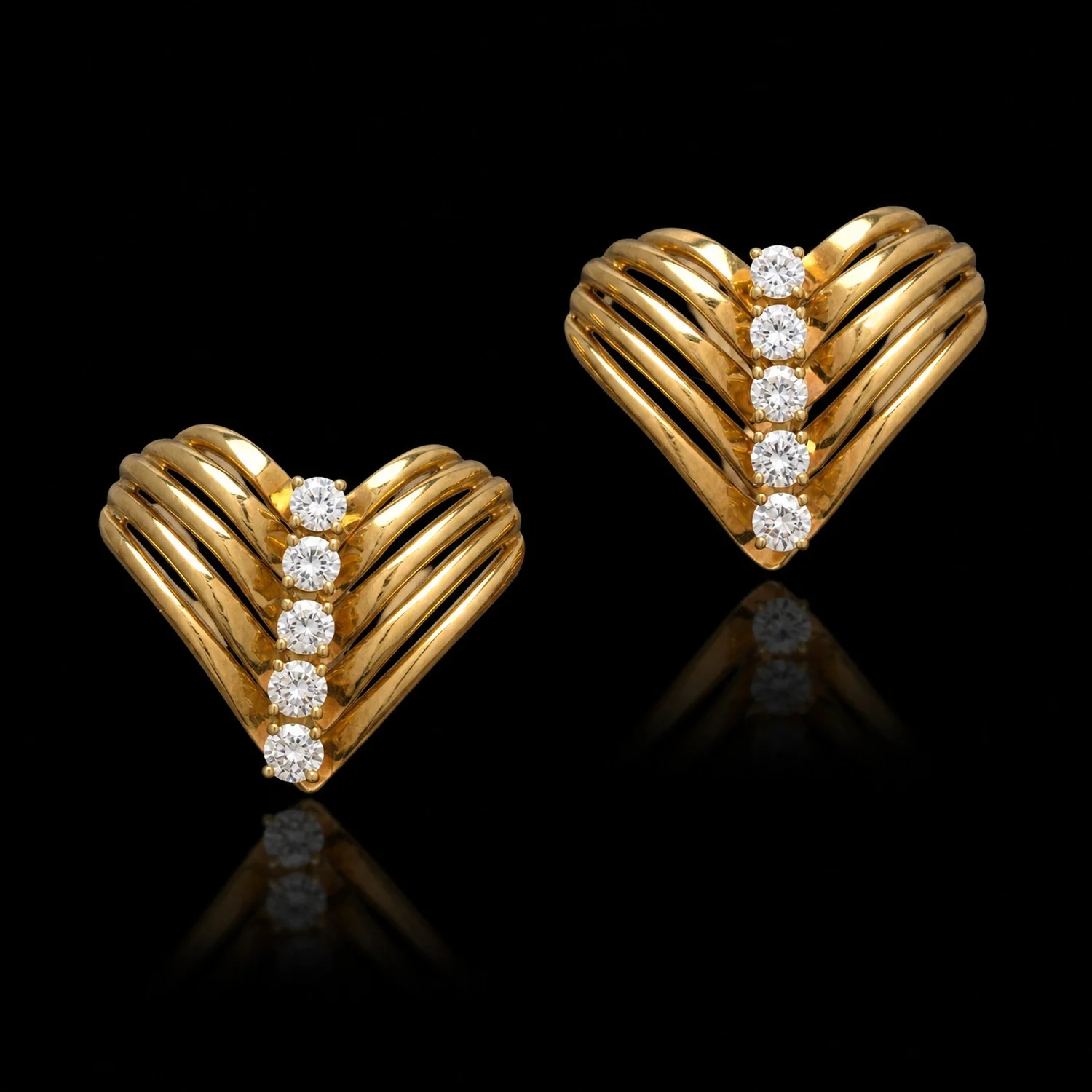
Kutchinsky 18KT gold and diamond earrings
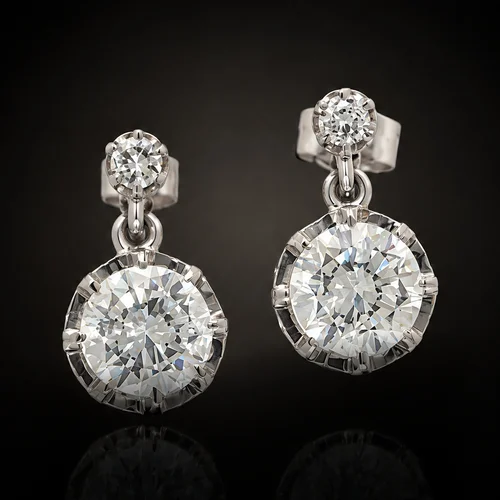
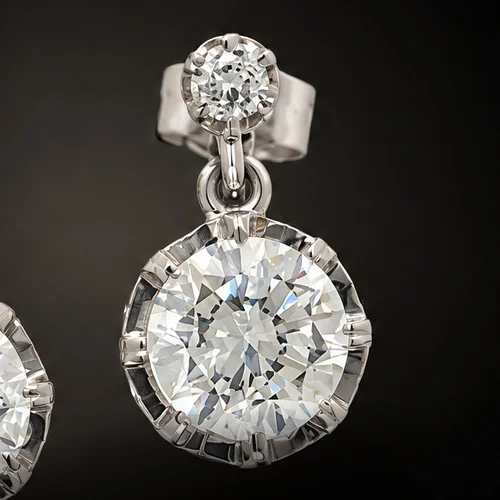
Kutchinsky 18KT gold and diamond earrings, 1.50 ct, from our collection

Clusters and studs

For the lobe, see the Kutchinsky diamond earrings and the fancy yellow diamond drop earrings.

Choosing and caring for earrings

  1. Check the pair

    Stones, pearls and metal should match in colour and size; antique pairs can differ slightly by hand.

  2. Check the fittings

    Hooks and posts should be straight and firm; screws should turn smoothly; clips should hold without pinching.

  3. Consider the weight

    Heavy drops suit lever backs or clips; light studs suit posts and butterflies.

  4. Store them apart

    Keep each pair in its own pouch so stones do not scratch each other.

Selling earrings? Send photographs for a free valuation. Post it to us by Royal Mail Special Delivery or book a free insured FedEx collection, or bring it to an appointment in Mayfair, London, or Braintree, Essex. You are paid the same day after inspection, by bank transfer.

Sources

Questions

What are the main types of earrings?

The main types of earring are studs, which sit on the lobe; drops, which hang below it; hoops; clusters; and larger girandole and chandelier earrings with several hanging elements. They are held by posts with butterfly backs, hooks, lever backs, screw fittings or clips. The fittings help date antique earrings.

What is a girandole earring?

A girandole earring has a decorative top from which three drops hang, usually the central one longest, set with diamonds, paste or coloured stones. The design was popular in the 18th and 19th centuries and was revived later. Girandoles are often heavy, so they suit secure hooks or clips.

How can I date antique earrings?

Look at the fittings first. Hooks and kidney wires are the oldest fittings for pierced ears, screw fittings appear from around the turn of the 20th century, and clips are typical from the 1930s. Stone cuts, metal, marks and style confirm the date, and original fittings add to an antique pair.

Can clip-on earrings be converted to pierced?

Yes. A jeweller can remove clips or screw fittings and solder on posts, or add posts while keeping the clips. Conversion makes vintage earrings easier to wear, but original fittings help date a pair, so on valuable antique earrings it is better to keep them and wear clips.

What is the difference between drop and dangle earrings?

Both hang below the lobe. A drop earring usually has a single hanging element, such as a pearl or stone, that hangs still, while a dangle earring moves more freely, often on several links. Long drops are also called pendant earrings, and multi-tiered designs are chandelier earrings.

What are huggie and creole earrings?

Huggies are small, thick hoops that hug the earlobe closely, usually on a hinged fitting. Creoles are larger hoops, often wider at the bottom than the top, a style with French roots. Both are worn every day, and gold hoops of either type suit pierced ears of any size.

Which earring back is the most secure?

Lever backs and screw-on post backs are the most secure, since they lock shut, followed by well-fitted butterfly backs. Clips hold well when the tension is right, and hooks should have a rubber stopper for valuable drops. A jeweller can tighten clips and replace worn butterflies.

Do you buy earrings?

Yes. We buy earrings of every type and period, from Georgian drops to signed designer pairs. Send photographs for a free valuation, then post it by Royal Mail Special Delivery, book a free insured FedEx collection or visit us by appointment in Mayfair or Braintree. You are paid the same day after inspection, by bank transfer.