Part of: The history of diamonds
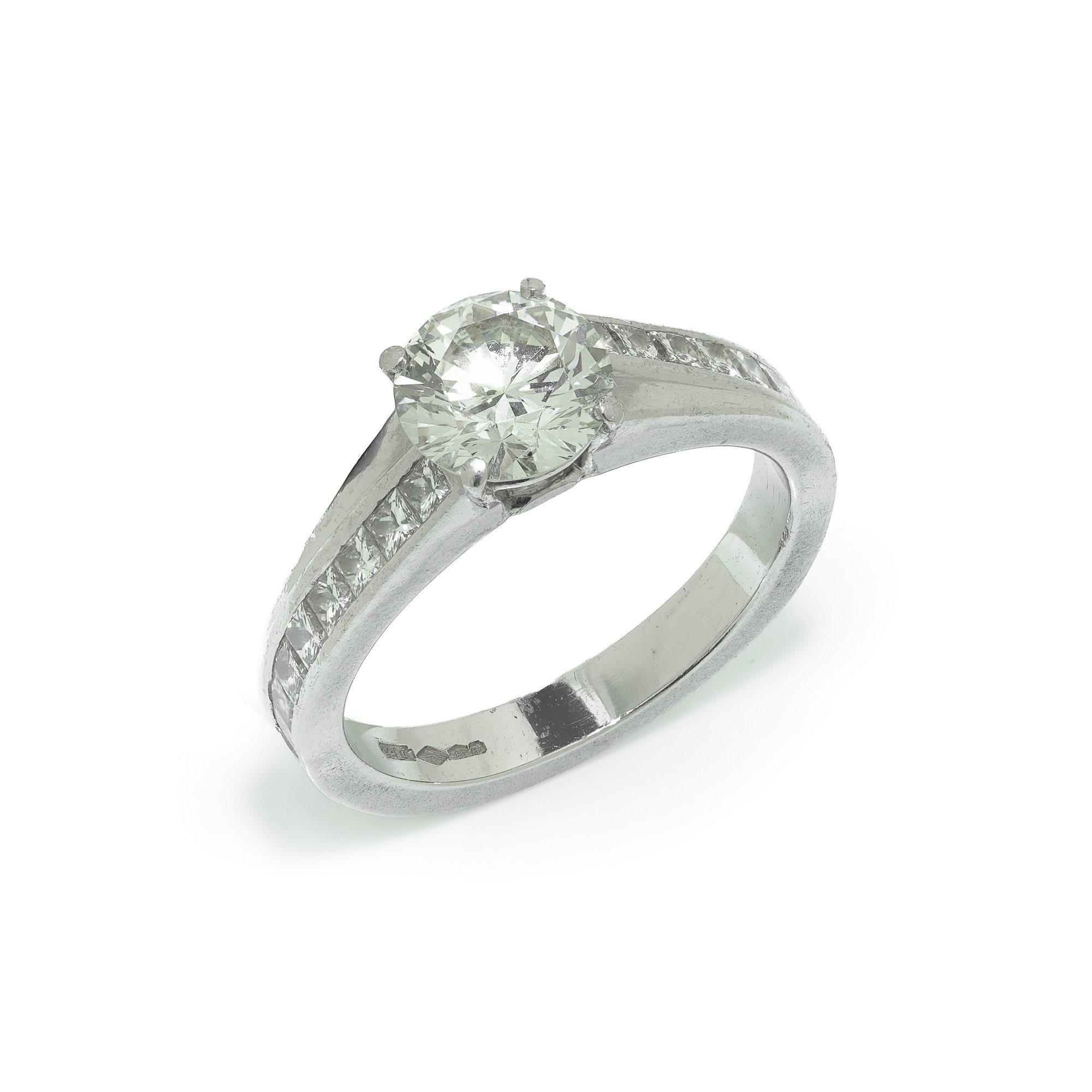
The round brilliant is the most valuable diamond cut. For the same carat, colour and clarity, a round brilliant usually costs more than any other shape, for two reasons: cutting a round stone loses more of the rough crystal than most other shapes, and it is the shape most buyers want, because its 57 or 58 facets give the most brilliance. "Cut" also means the quality of the cutting, and a well-cut stone of any shape is worth more than a poorly cut one.
Shop the pieces: antique engagement rings in our collection.
Have diamond jewellery to sell?
Free, no obligation, returned at our cost if you decline.
- Read our Google reviews (opens Google)
- Free, no obligation
- A reply within one working day
- Paid the same day after inspection
Cut means two things
- Shape. The outline of the stone: round, princess, oval, emerald, pear and so on.
- Cut quality. How well the stone is proportioned, polished and made symmetrical, which decides how much light it returns. Laboratories such as GIA grade the cut of round brilliants from Excellent to Poor.
Cut is one of the four Cs, with colour, clarity and carat, and it has the largest effect on how bright a diamond looks.
Why the round brilliant is the most valuable
- Brilliance. Its facet pattern was refined over the 1800s and set out mathematically by Marcel Tolkowsky in 1919, to return the most light and sparkle.
- Loss of rough. Diamond crystals are often octahedral; cutting a round from them wastes more material than cutting many fancy shapes.
- Demand. It is by far the most popular shape for engagement rings and solitaires.

The main diamond cuts compared
- Round brilliant
- Style
- Brilliant, round
- What to know
- The most valuable and most popular shape
- Princess
- Style
- Brilliant, square
- What to know
- Introduced in the 1980s; uses more of the rough
- Cushion
- Style
- Brilliant, rounded square
- What to know
- A modern version of the antique cushion cut
- Oval
- Style
- Brilliant, oval
- What to know
- Looks larger face up for its carat
- Pear
- Style
- Brilliant, teardrop
- What to know
- Point should be protected by the setting
- Marquise
- Style
- Brilliant, boat shape
- What to know
- Long and narrow, popular in vintage rings
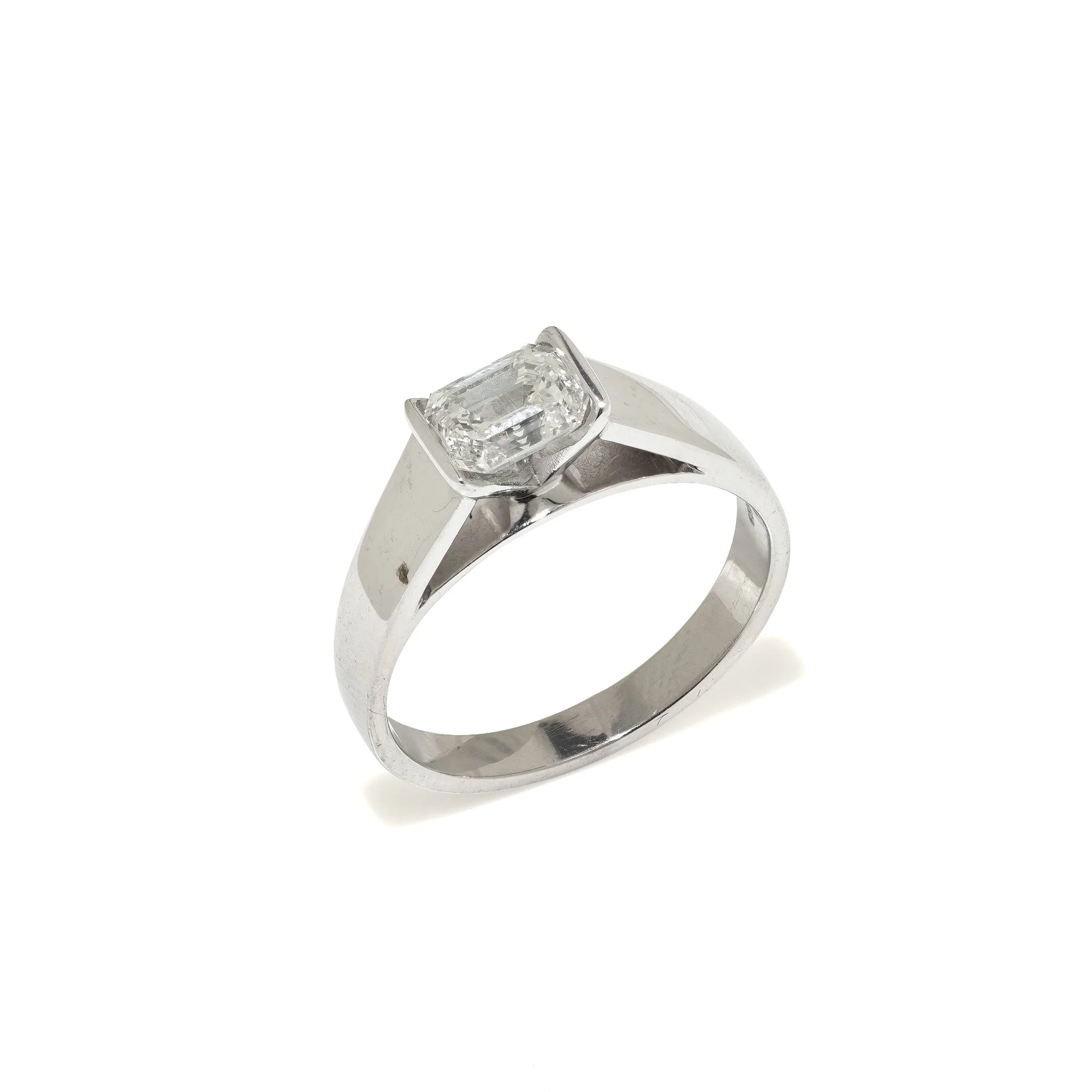
- Emerald
- Style
- Step cut, rectangular
- What to know
- Long, clean facets that show clarity
- Asscher
- Style
- Step cut, square
- What to know
- Introduced by the Asscher firm of Amsterdam in 1902
- Radiant
- Style
- Brilliant, cut-cornered rectangle
- What to know
- Combines a step-cut outline with brilliant faceting
Antique diamond cuts
Antique cuts were cut by hand to keep as much of the crystal as possible and to glow in candlelight. They are sought after for antique and Art Deco jewellery, and are judged on their own terms rather than against modern cut grades.
0 of 3 checked
1Rose cut
A flat base and a domed top of triangular facets, used from the 1500s into the 1800s.
2Old mine cut
A cushion-shaped early brilliant with a high crown, a small table and a large culet, typical of the 1700s and 1800s.
3Old European cut
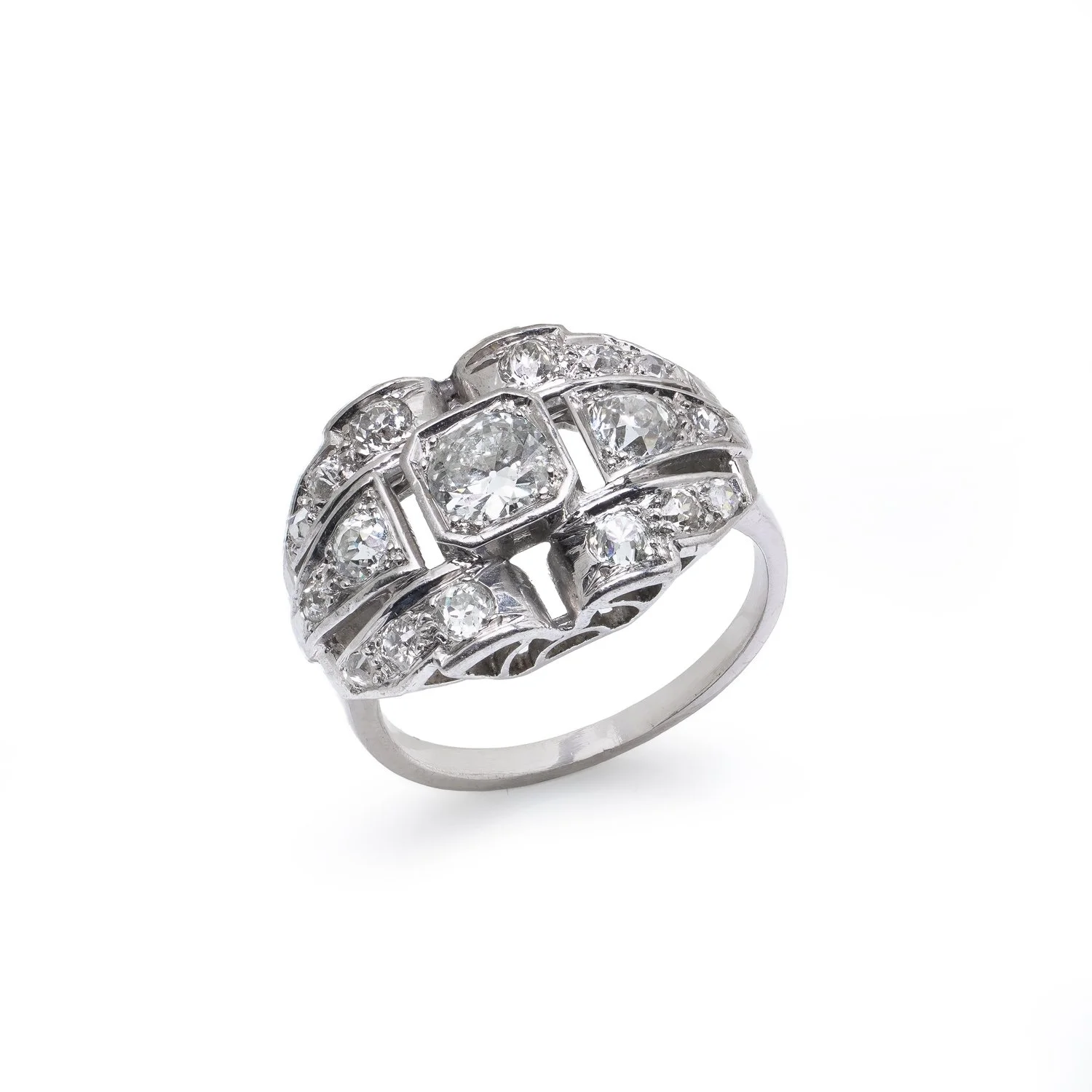
A round early brilliant with a small table, a high crown and an open culet, typical of about 1880 to 1930, as in our Art Deco ring.
Have diamond jewellery to sell? Send clear photographs of the piece and any certificate for a free, honest check.
Free, no obligation, returned at our cost if you decline.
What decides the value of a diamond?
The carat, colour, clarity and cut quality; the shape (round brilliants lead); any laboratory certificate; and, for a piece of jewellery, the maker, the metal, the period and the condition. We never publish figures; every piece is different.
Free, no obligation, and returned at our cost if you decline.
Read our Google reviews (opens Google)
- Carat
- Colour
- Clarity
- Cut
- Certificate
- Maker
How selling works
- 1
Send photographs
of the piece and any certificate or box.
- 2
Free value inspection
We reply within one working day with an estimate, subject to inspection. If our offer differs, you can decline and we return it at our cost.
- 3
Paid the same day after inspection
by bank transfer or in cash, in Mayfair, at our Braintree office, by post or by free collection.
Questions people ask
What is the most valuable diamond cut?
The round brilliant. For the same carat, colour and clarity it is usually the most expensive shape.
What is the most expensive diamond shape?
The round brilliant, because cutting it loses the most rough and it is the shape most in demand.
Which diamond cut sparkles the most?
A well-cut round brilliant returns the most light; radiant, oval and cushion brilliants also sparkle strongly.
Is a princess cut cheaper than a round?
Usually, for the same quality and carat, because the square shape keeps more of the rough crystal.
What is an old European cut diamond?
A hand-cut round early brilliant with a small table, a high crown and an open culet, typical of about 1880 to 1930.
Does cut matter more than carat?
Cut has the largest effect on how bright a diamond looks; a smaller, well-cut stone can look better than a larger, poorly cut one.
Related guides
Have a diamond piece to sell?
Send a few photographs and we will tell you what it is and what it is worth, free.
Free, no obligation, returned at our cost if you decline.