
Baroque Pearls: Why the Imperfect Pearl Is Having Its 2026 Moment
2026's pearl story is the end of perfect: baroque, sliced and irregular pearls in lilac, cream and grey, strung with raw metal and leather. Here's what a baroque pearl actually is — and what makes one valuable.
For a century the pearl ideal was a perfect, matched round strand — the twinset pearl. 2026 has turned that on its head. The runway story (Celine's beaded maximalism leading) is baroque: irregular, characterful pearls in lilac, cream and grey, broken up with raw metal and leather. A baroque pearl, in one line, is simply a pearl that grew into its own shape rather than a sphere — and that individuality is exactly why the market wants it now.
Quick answer: what are baroque pearls?
A baroque pearl is any pearl with an irregular, non-spherical shape — formed naturally as the nacre grew unevenly. They are entirely real pearls; the shape is nature's, not a defect.
In 2026 they are the pearl of choice: individual, sculptural and unrepeatable — no two baroque pearls are ever alike.
The baroque family
| Type | What it is |
|---|---|
| Baroque | Fully irregular, non-symmetrical — the free-form pearl |
| Semi-baroque | Slightly off-round: drops, ovals, buttons |
| Keshi | Small, all-nacre pearls with no bead nucleus — intense lustre |
| Biwa | Elongated freshwater pearls, historically from Lake Biwa, Japan |
| Blister / Mabé | Grown against the shell wall — domed, used in earrings and rings |
All are genuine pearls; the differences are how and where the nacre formed.
Why they're trending in 2026
The same forces driving the wider maximalist turn: individuality over uniformity, character over polish. A round strand says inherited propriety; a baroque strand says the wearer chose it. Designers are mixing baroque pearls with raw metals and leather cord, and the colour story has moved into lilac, grey, gold and cream. The result: pieces that read modern even when the pearls are a century old.
Baroque vs round: the value question
Historically, round commanded the premium — perfect spheres are the rarest outcome of pearl growth, and grading still reflects that. But the gap is narrowing where it matters: fine natural baroques (wild pearls, pre-1920s) and characterful antique pieces are commanding strong prices precisely because of their shape. The rules that always ruled still rule: lustre first, then size, surface quality, colour, and — in strands — how well the pearls sit together. A dull round pearl loses to a mirror-lustred baroque every time.
Natural vs cultured baroque
The distinction that multiplies value: a natural baroque formed wild, with no human intervention — almost all pre-date the 1920s — while a cultured baroque grew around an inserted nucleus on a farm. X-ray testing settles it definitively; the old "tooth test" (real pearls feel gritty) only separates pearls from plastic, not natural from cultured. The difference can be an order of magnitude in price — our full guide to natural vs cultured pearls covers the £49,500 difference in detail.
Pearls in our collection
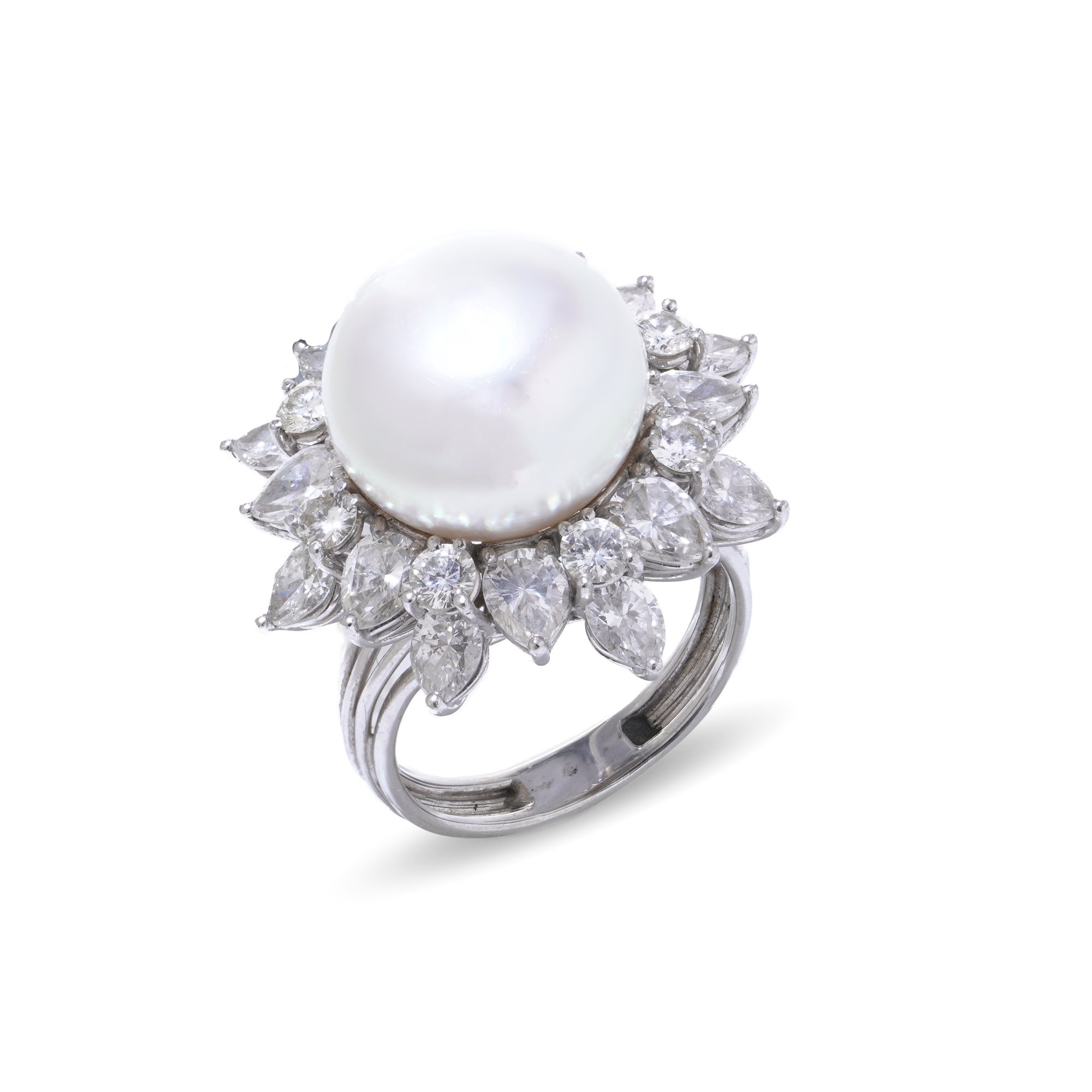
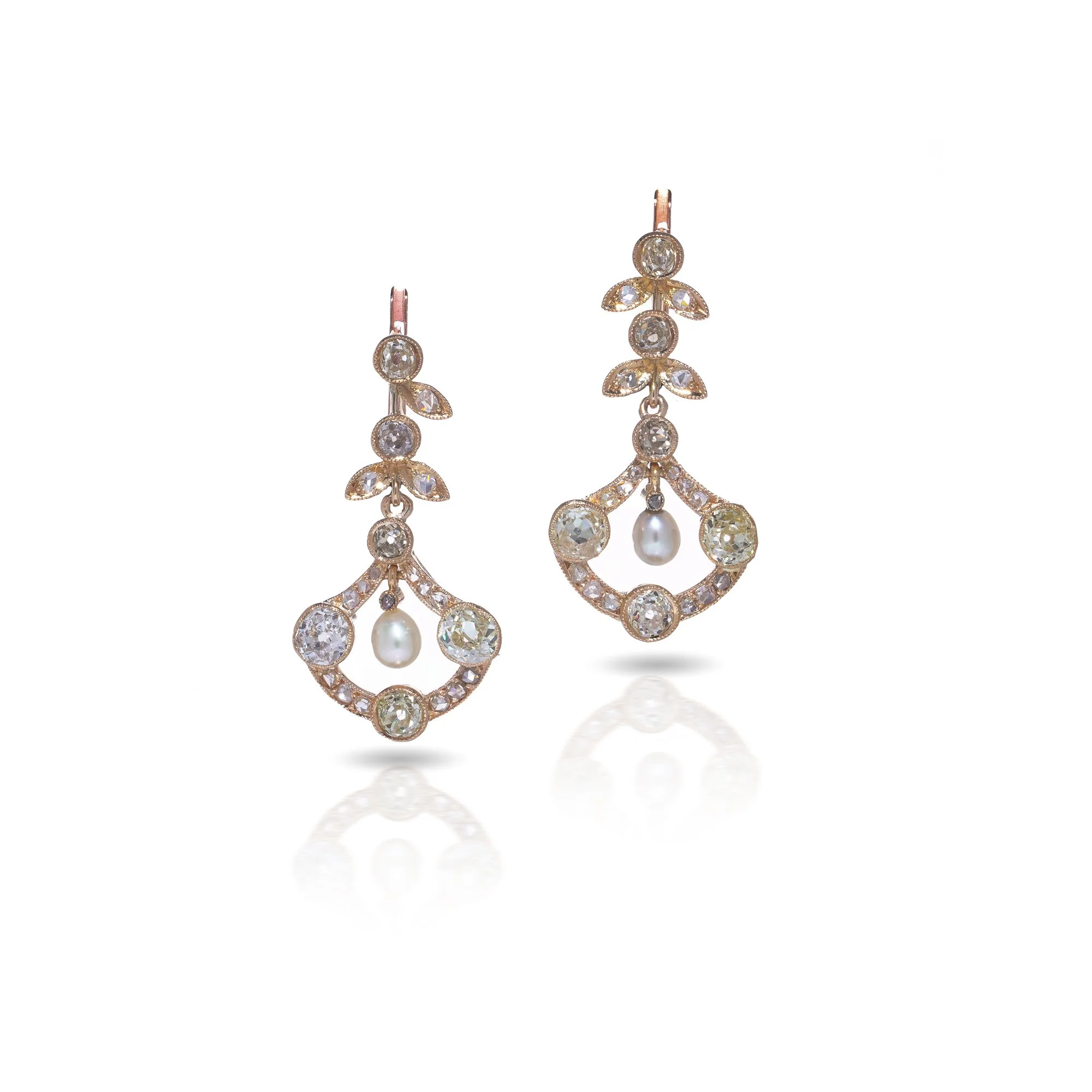
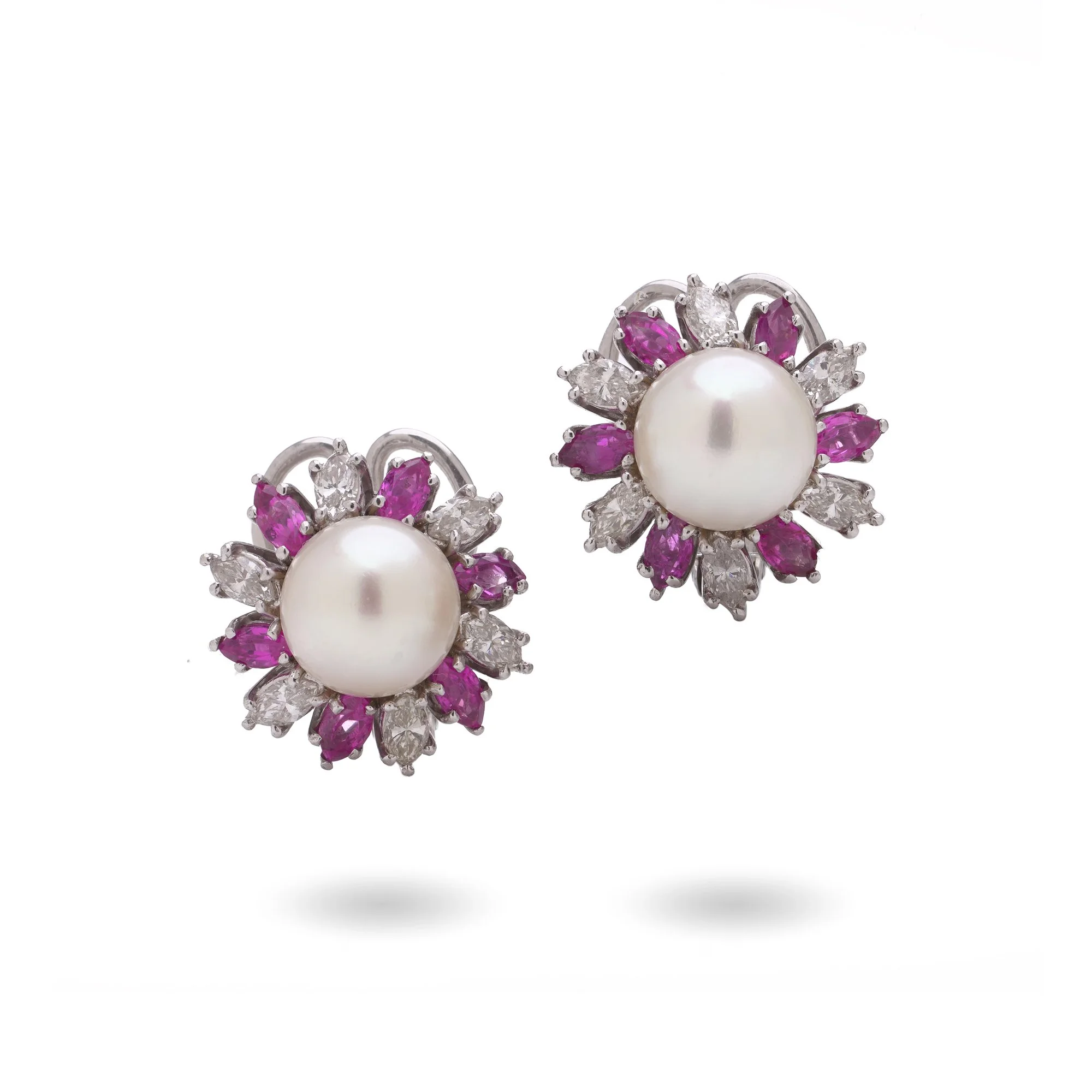
A live selection of the pearl pieces we hold — from signed Van Cleef to Victorian drops:


Think you own one? Find out what it’s worth.
Inherited a box of pearls? Irregular shapes are no reason to dismiss them — natural baroques can be worth many times what they appear. Send a photo for a free specialist assessment.
✓ Free expert valuation in 24h ✓ Same-day payment ✓ 10,000+ items traded · 5★ rated
Care and restringing
- Last on, first off — perfume, hairspray and cosmetics attack nacre; put pearls on after all of them.
- Wipe after wear — a soft, slightly damp cloth keeps skin acids off the surface.
- Restring every few years — knotted between each pearl, so a break loses one pearl, not the strand.
- Store soft and separate — pearls scratch against harder gems; a fabric pouch, never a sealed plastic bag.
For the wider pearl story, see pearl earrings through the eras and our Mikimoto guide — or browse the full pearl collection.
Explore Further
Frequently Asked Questions
Baroque pearls, explained.
Are baroque pearls real pearls?
Completely. A baroque pearl is a genuine pearl that grew into an irregular shape rather than a sphere — the nacre is the same; only the geometry differs. The shape is natural character, not a defect.
Are baroque pearls worth more than round pearls?
Round pearls still grade higher in traditional terms, but fine natural baroques and characterful antique pieces command strong prices — and in 2026 demand has swung toward baroque. Lustre, size, surface and colour matter more than shape alone.
What's the difference between baroque and keshi pearls?
Keshi pearls are a specific kind of baroque: small, formed entirely of nacre with no bead nucleus, which gives them exceptional lustre. All keshi are baroque in shape; not all baroque pearls are keshi.
How do you tell natural from cultured pearls?
Definitively, by X-ray — it reveals whether there's an inserted bead nucleus (cultured) or purely natural growth. Age and original antique mounts are supporting evidence. The distinction can multiply value many times over.
Are baroque pearls in style in 2026?
They are the pearl of 2026 — the runway and trend reports have moved decisively from perfect rounds to baroque, sliced and irregular pearls in lilac, grey and cream, often mixed with raw metal.