Vintage Gold Patek Philippe: Calatrava & Golden Ellipse
The purest dress watch ever made, and the watch shaped by the golden ratio. Here's how to understand two of Patek Philippe's gold icons — and what makes a vintage example so coveted.
Not Sure What Your Watch Is Worth?
Send us a photo for a free, no-obligation valuation — or simply ask for honest advice. Our specialists reply within one working day.
No name in watchmaking carries more weight than Patek Philippe. Yet the brand's most enduring contributions are not its grand complications but two studies in restraint: the Calatrava, the dress watch reduced to its purest essence, and the Golden Ellipse, a watch whose proportions follow the golden ratio. In vintage gold, both are among the most desirable timepieces a person can own.
At Mozeris Fine Antiques we value and buy fine vintage Patek Philippe. This guide explains what makes the Calatrava and Golden Ellipse special, how to recognise vintage gold examples, and what drives their — often very considerable — value. For the full brand picture, see our Patek Philippe guide.
The Calatrava: the perfect dress watch
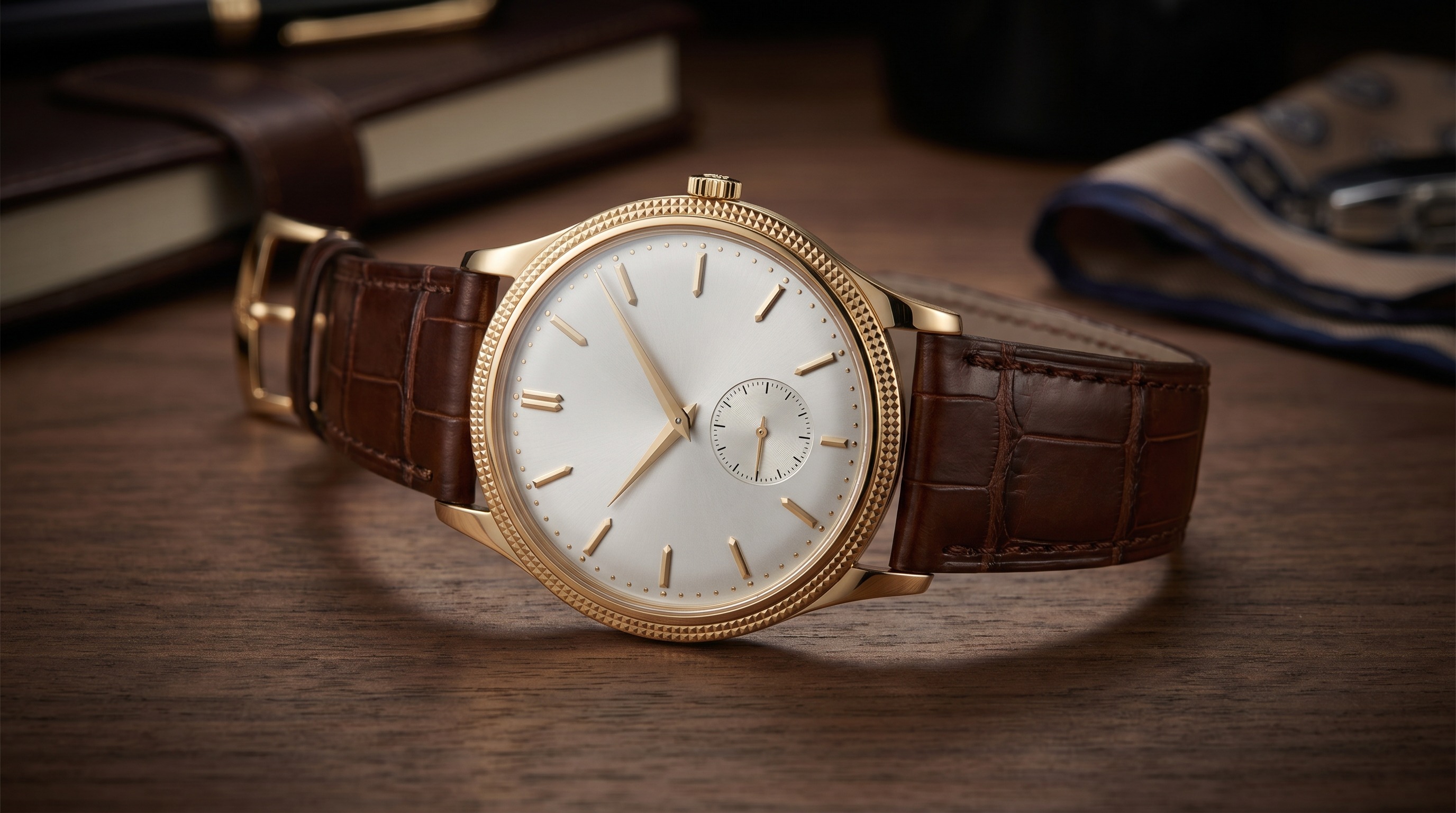
Introduced in 1932, the Calatrava distilled the dress watch to its essentials — a clean round case, a legible dial, nothing superfluous. It became the reference against which every other dress watch is measured, and the design language barely changed across decades.
Pure Round Case
A slim, perfectly proportioned round gold case — the essence of understatement, designed to be read at a glance and worn for a lifetime.
Clous de Paris Bezel
Many references feature the celebrated hobnail (clous de Paris) bezel — a finely textured gold ring that catches the light. A defining Calatrava signature.
Applied Gold Markers
Slim applied gold baton or arrow markers and fine dauphine hands on a clean silvered dial, often with a small seconds sub-dial.
The Golden Ellipse: proportion as design
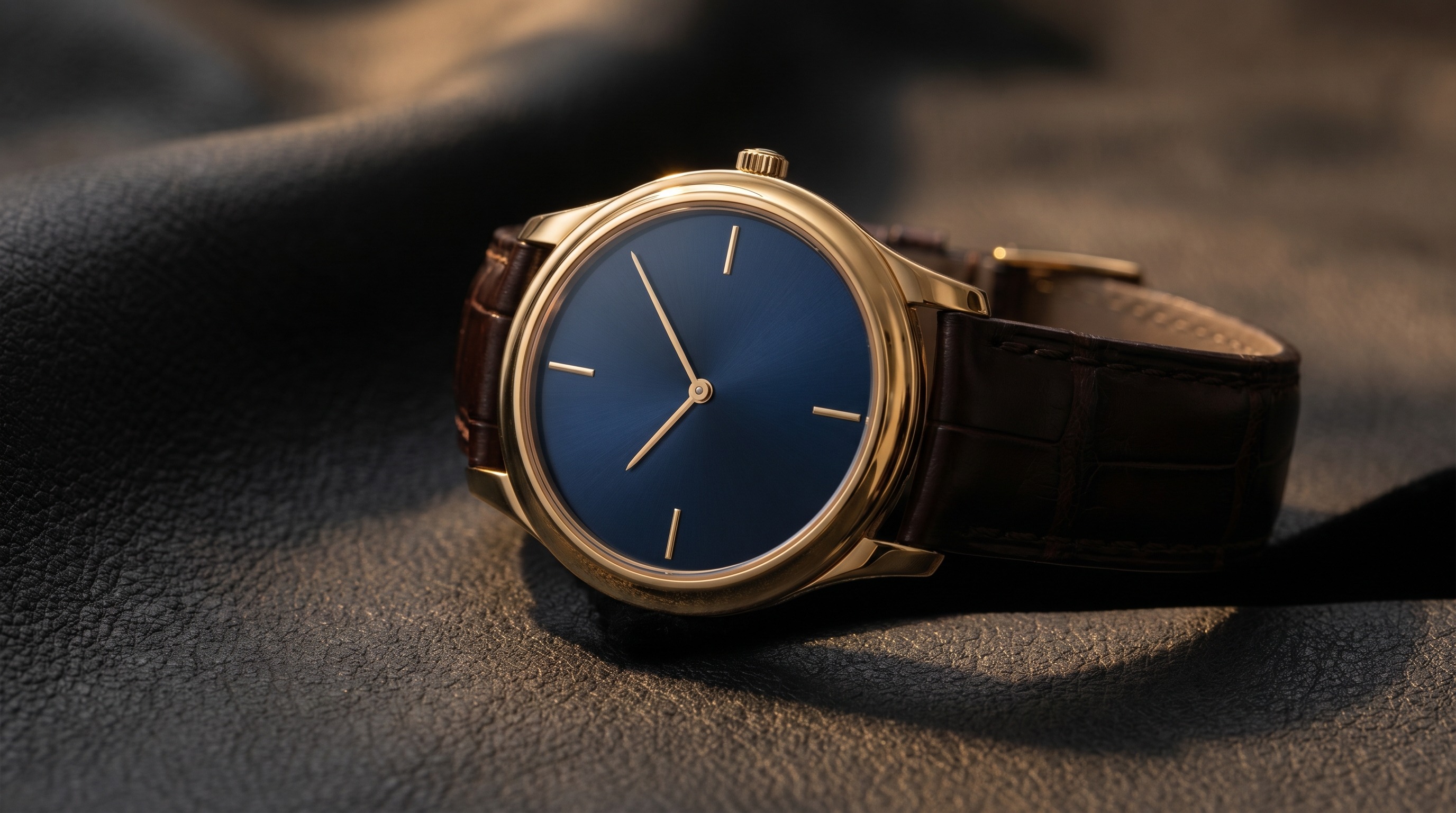
Launched in 1968, the Golden Ellipse took its shape from the golden ratio — the proportion artists and architects have prized since antiquity. Its elliptical gold case, frequently paired with a striking blue-gold or black dial and two slim baton markers, made it one of the most distinctive dress watches of its era and a quiet favourite among connoisseurs.
What Drives the Value
Patek values are among the highest in watchmaking — and originality is everything:
- Reference & era — Specific references and earlier examples command very strong premiums.
- Originality — Untouched dial, correct hands and crown; redials sharply reduce value.
- Case gold & sharpness — Solid 18ct, crisp and unpolished, retaining the hobnail bezel.
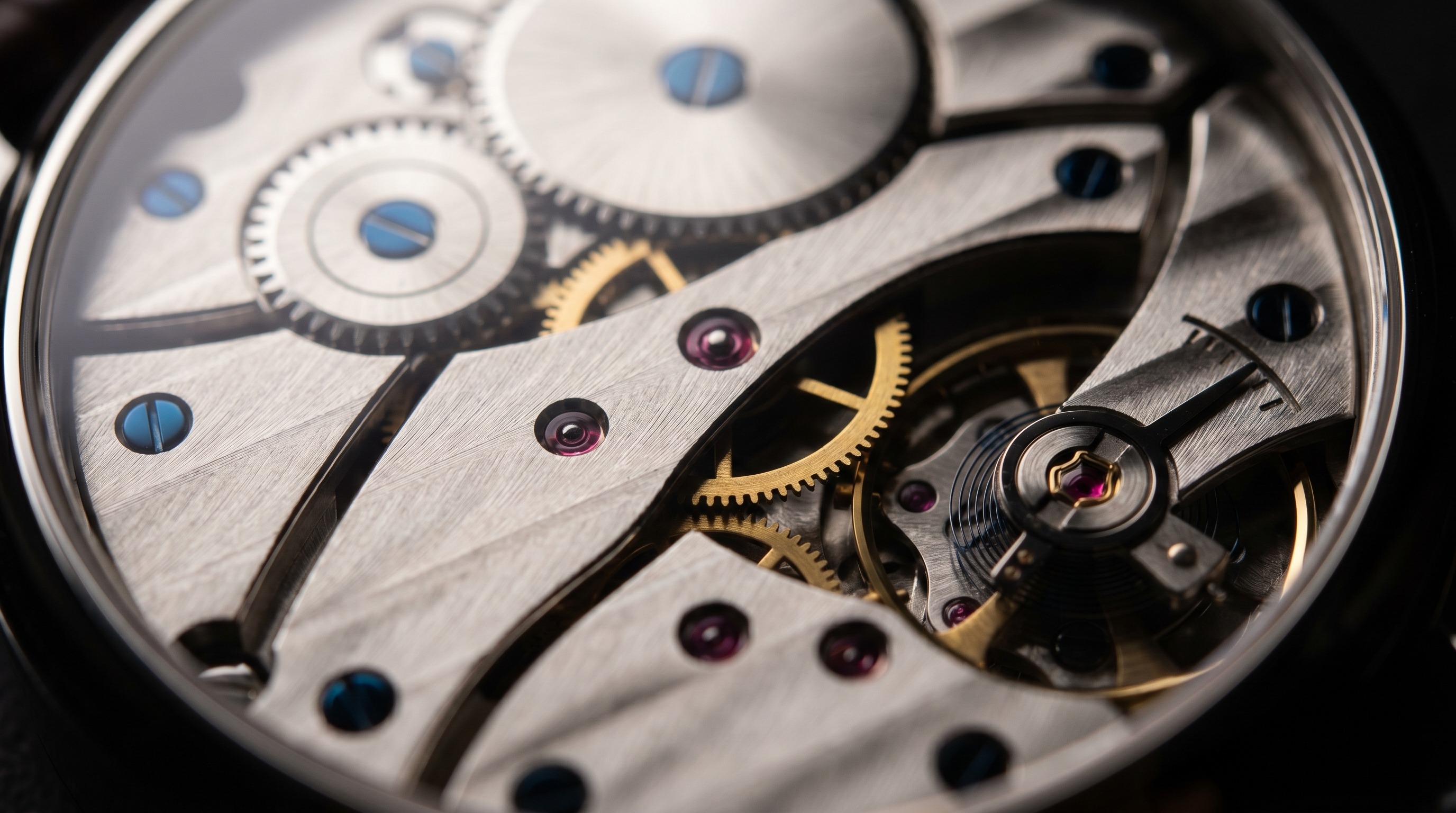
- Movement — Correct calibre, beautifully finished, running well.
- Papers & Extract — A Patek Extract from the Archives and original papers add real value.
- Complications — Any added complication elevates a watch significantly.
Given the values involved, expert authentication is essential — we examine everything before valuing.
Recognising and authenticating a vintage gold Patek
A genuine vintage Patek carries a signed dial, a signed movement with a calibre and movement number, and a case number — and Patek can confirm a watch's production details via an Extract from the Archives. Solid gold cases are hallmarked; British-retailed examples carry UK marks including the 750 18ct mark and a date letter. Because Patek sits at the very top of the market, authentication matters more here than anywhere — never assume from a signature alone.
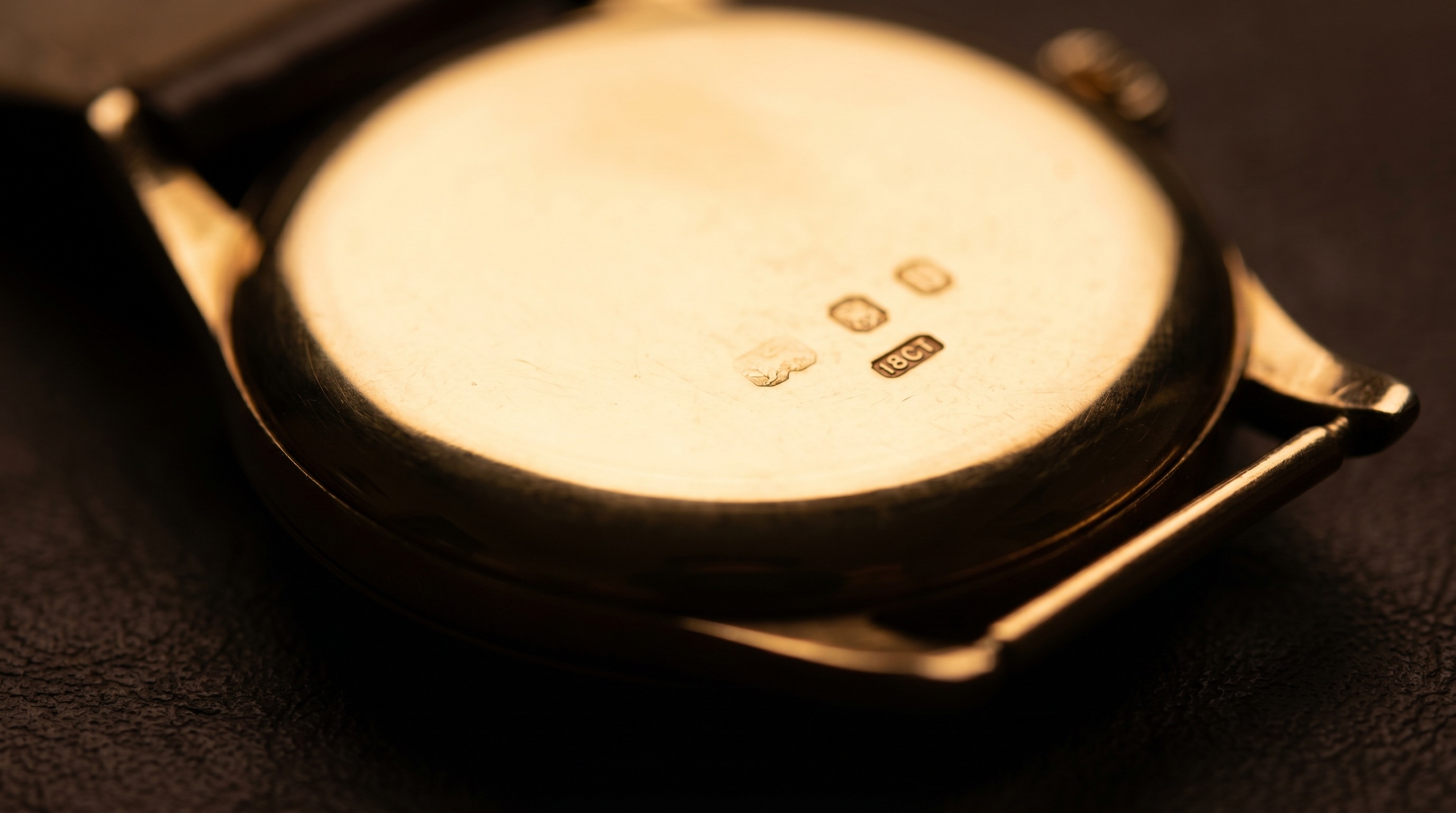
To confirm the metal, see our guide to telling solid gold from gold-plated, and to fix the year use our guide to dating a vintage gold watch. The Calatrava sits at the pinnacle of the mid-century gold dress watch, and you can see where it ranks among the watches that hold value in our guide to which vintage gold watches hold their value.
Value Your Patek Philippe
Send photographs of the dial, the case-back numbers and the movement and we'll authenticate, identify the reference and give you an honest, no-obligation valuation.
⚠️ Strictly by appointment only — no walk-ins at either showroom.
Frequently Asked Questions
Common questions about vintage gold Patek Philippe Calatrava and Golden Ellipse watches.
What is a Calatrava?
The Calatrava is Patek Philippe's classic round dress watch, introduced in 1932 and defined by its pure, simple design — a slim round case, clean dial and, on many references, a hobnail (clous de Paris) bezel. It is widely regarded as the archetypal dress watch.
What makes the Golden Ellipse special?
Introduced in 1968, the Golden Ellipse takes its elliptical case from the golden ratio. Often paired with a distinctive blue-gold dial, it is one of Patek's most recognisable and elegant dress watches.
What is an Extract from the Archives?
It's an official document Patek Philippe can issue confirming a watch's production and original specification from its records. For vintage Patek it is valuable supporting provenance, though authentication still rests on the watch itself.
How do I know my Patek is genuine and solid gold?
A genuine piece has a signed dial, a signed and numbered movement and a case number; solid gold carries a hallmark such as 750 (18ct). Patek is at the very top of the market and is faked, so specialist authentication is essential. Send photographs and we'll advise.
Does a service or polish affect value?
It can. Original, unpolished cases and untouched dials are strongly preferred by collectors. Avoid polishing or refinishing before valuation — these often reduce value on a fine vintage Patek.
Send Us Your Patek Photographs
Attach photos of the dial, case-back numbers and movement. We'll respond within one working day.