Vintage Gold Omega Constellation
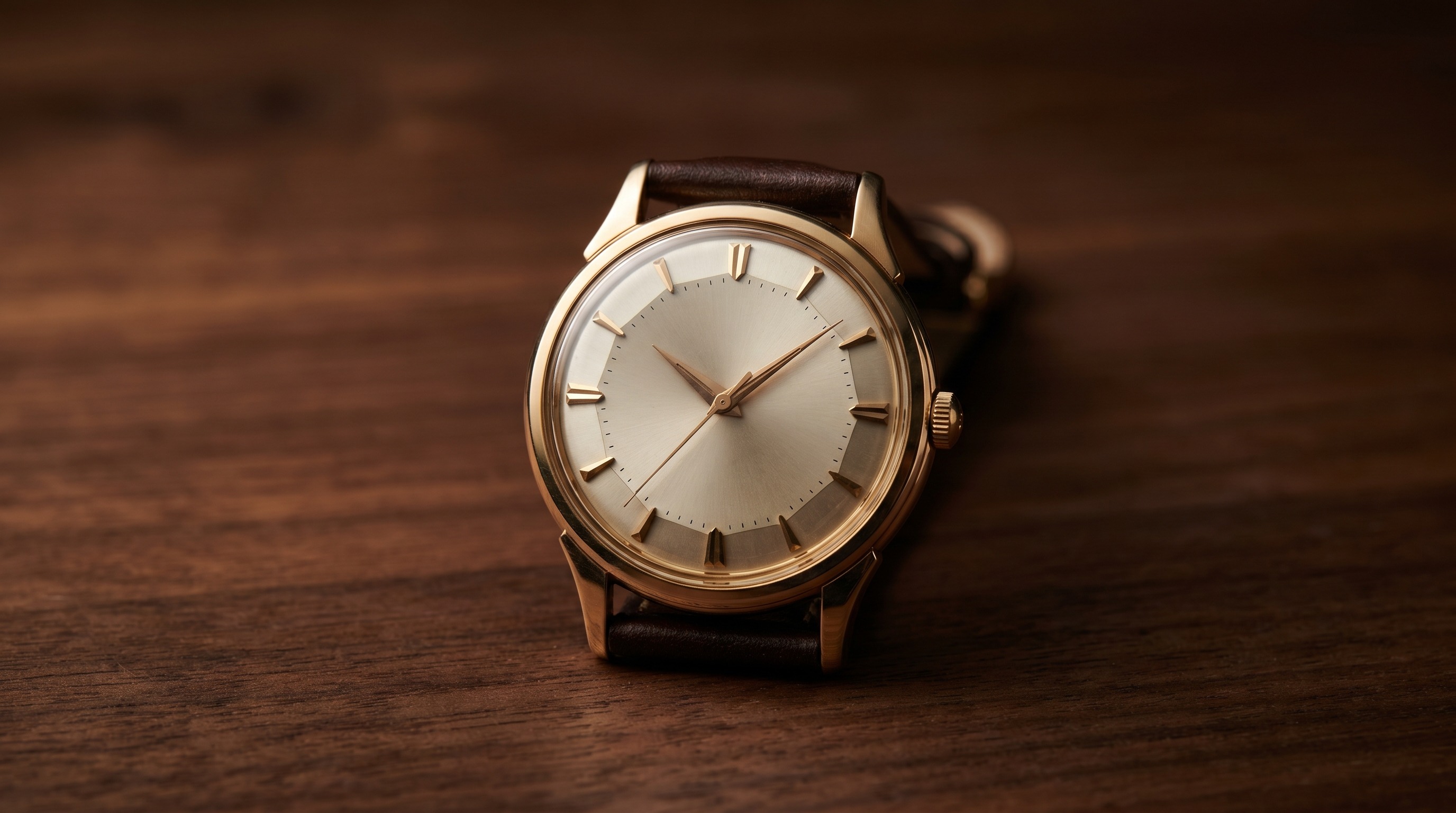
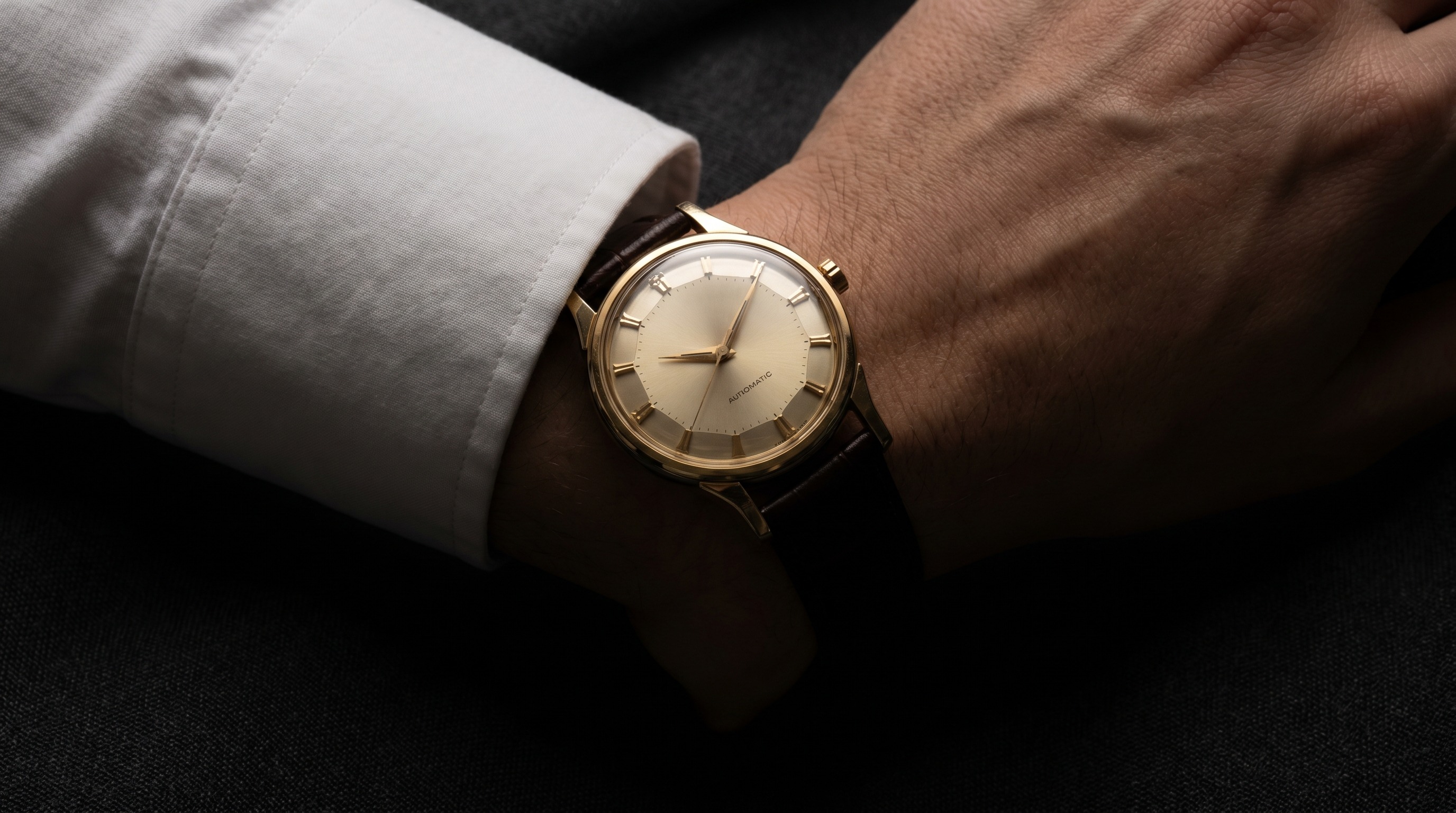
Omega launched the Constellation in 1952 as its chronometer line. The classic vintage gold examples have a stepped "pie-pan" dial, applied gold markers, an observatory medallion on the case-back and an automatic chronometer movement. They were made in solid gold, gold-capped and two-tone as well as steel. This guide shows how to identify one and what decides its value.
Thinking of selling a gold Constellation?
Free, no obligation, returned at our cost if you decline.
- Read our Google reviews (opens Google)
- Free, no obligation
- A reply within one working day
- Paid the same day after inspection
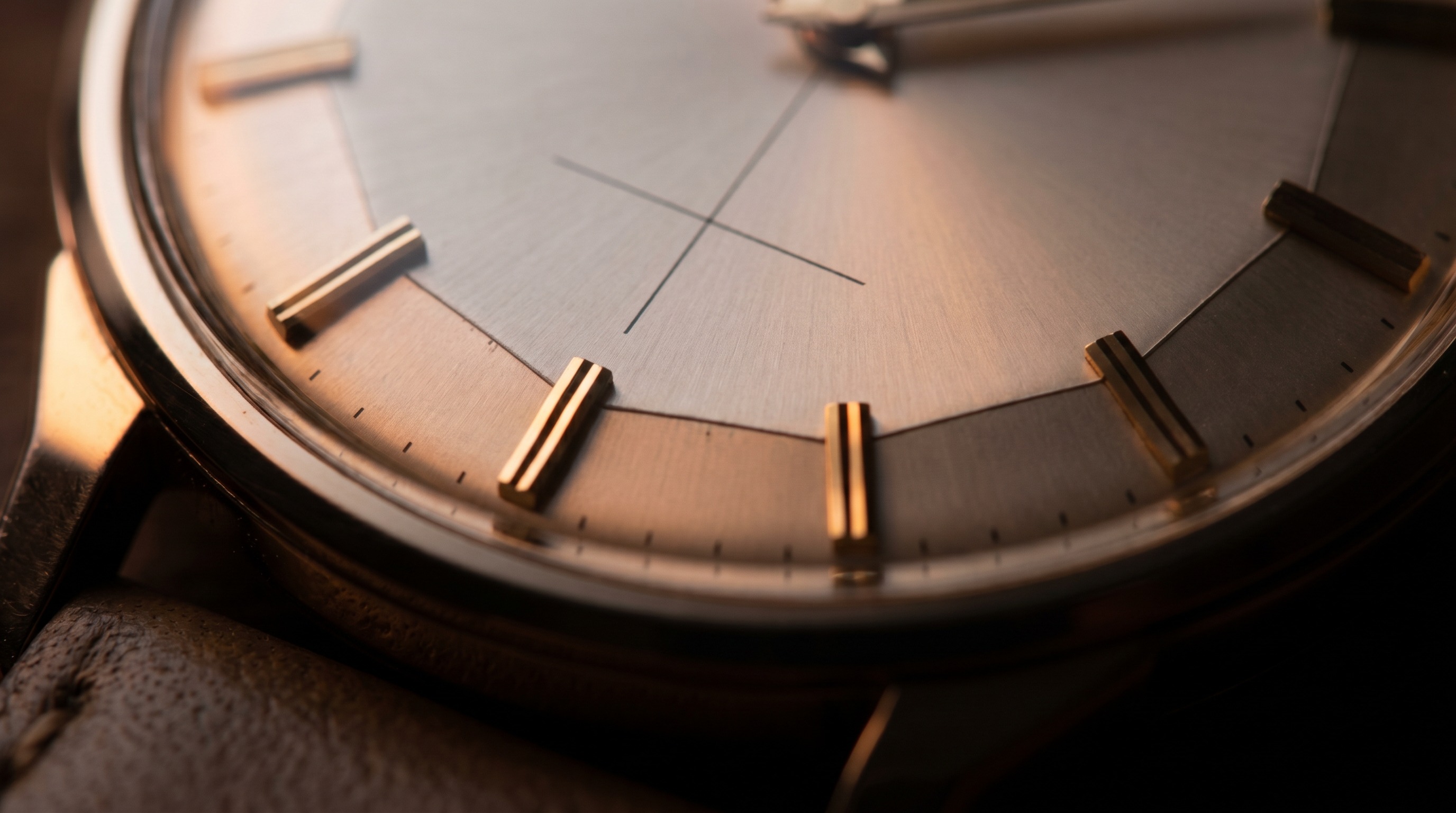
The pie-pan dial
The outer part of the dial steps down like an upturned pie dish, catching the light at the hour markers. Applied faceted markers and dauphine hands complete the look. It is the first thing to look for on a classic Constellation.
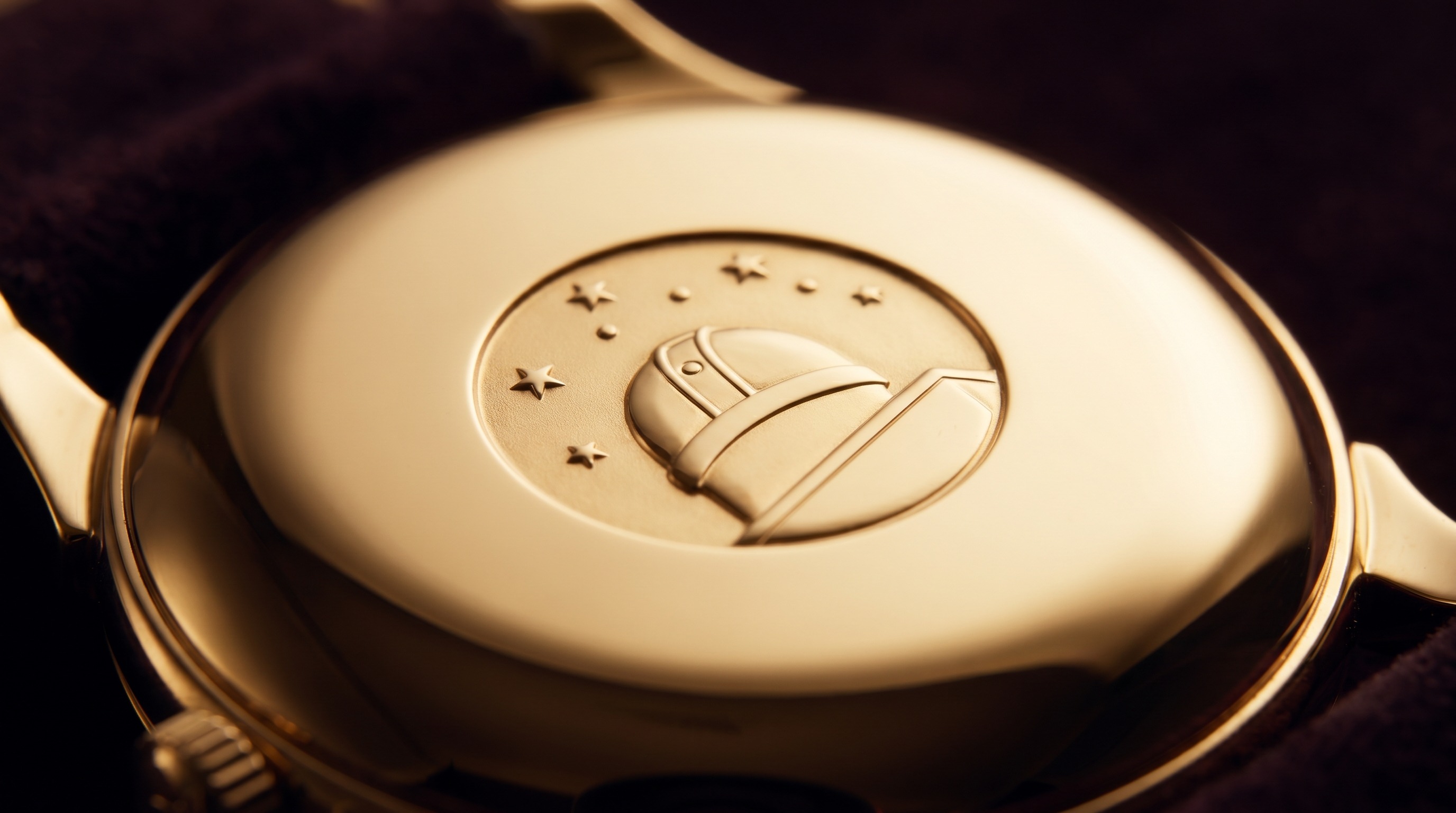
The observatory case-back
The back carries a medallion of the Geneva Observatory under eight stars, recalling the chronometer trials Omega took part in. Inside sit automatic chronometer calibres; the earliest are "bumper" automatics, whose rotor bumps between two springs.
Solid gold, capped or two-tone
The case-back marks tell you which.
See also how we check a watch in our watch guides.
0 of 4 checked
1Solid gold
Marked 750 or 18K, with assay marks.
2Gold-capped
A thick gold cap over a steel case: not solid.
3Two-tone
Steel with gold parts.
4Steel
The case-back marks tell you which.
Not sure which you have? Send a photo of the case-back inside and out for a free, honest check.
Free, no obligation, returned at our cost if you decline.
What is my gold Constellation worth?
Whether a Constellation holds its value comes down to the case (solid gold, capped or two-tone), the originality of the dial, the reference and calibre, the sharpness of the case, an original bracelet, and any box and papers, judged against current demand and recent sales. We never publish figures.
Free, no obligation, and returned at our cost if you decline.
Read our Google reviews (opens Google)
- Case
- Dial
- Reference and calibre
- Case sharpness
- Bracelet
- Box and papers
How selling works
- 1
Send photographs
of the dial, the case-back inside and out, the movement and any bracelet, box or papers.
- 2
Free value inspection
We reply within one working day with an estimate, subject to inspection. If our offer differs, you can decline and we return it at our cost.
- 3
Paid the same day after inspection
by bank transfer or in cash, in Mayfair, at our Braintree office, by post or by free collection.
Insured up to £10,000 per parcel when you send to us.
Questions people ask
What is a pie-pan dial?
A dial whose outer edge steps down like an upturned pie dish, so the hour markers sit on a sloping ring. It is the best-known feature of the classic vintage Constellation, alongside applied faceted markers. If you have one, send photographs and we will tell you more, free.
When was the Omega Constellation launched?
In 1952, as Omega’s chronometer line. The classic vintage models of the 1950s and 1960s have the pie-pan dial, the observatory case-back medallion and automatic chronometer movements. Ask us if you would like to know more about your own piece.
Is my Constellation solid gold?
Look inside the case-back for 750 or 18K with assay marks. Gold-capped cases have a thick gold cap over steel and are marked differently; two-tone cases mix steel and gold. Our solid gold guide explains every mark. Send a clear photograph and we will tell you honestly what we see.
How much is a vintage gold Constellation worth?
It depends on the case, the originality of the dial, the reference and calibre, the case condition, any original bracelet and the papers, judged against current demand and recent sales. We do not publish prices. Send photographs for a free value inspection.
Should I have the dial restored?
No. An original dial, even with age, is what buyers look for; a refinished dial counts against the watch. Send it as it is, and we will tell you how its condition affects the value. A short message with two or three photographs is all it takes to start.
Where can I sell an Omega Constellation?
To a buyer who checks the dial, case and movement in person. We buy Omega Constellations directly: a free value inspection from photographs, then an appointment in Mayfair or at our Braintree office, post or free collection. You are paid the same day after inspection.
Related guides
Selling a gold Constellation?
Send a photograph of the dial and case-back for a free value inspection, with no obligation.
Free, no obligation, returned at our cost if you decline.