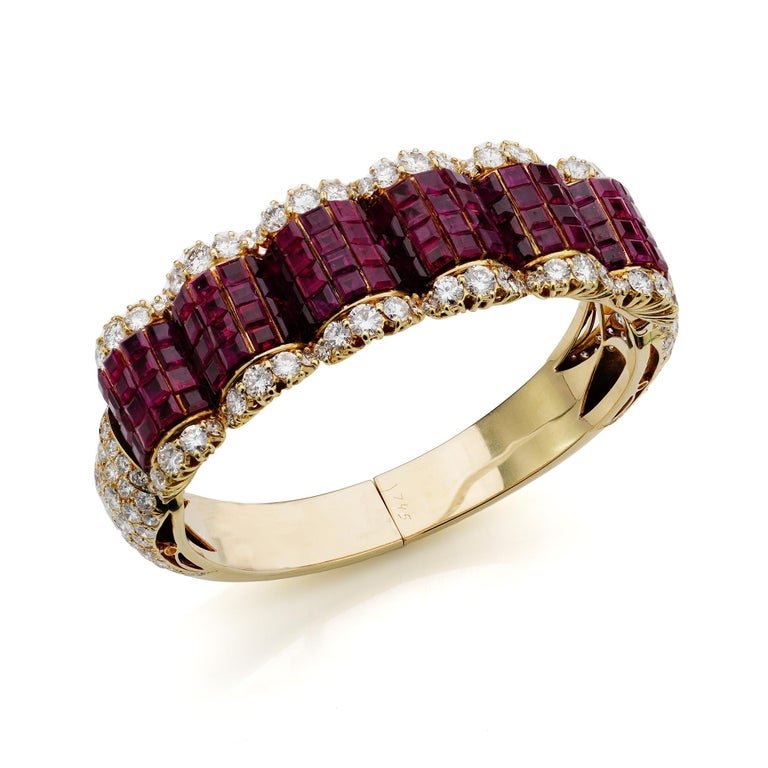
Coloured Gemstones Are Booming in 2026 — What's Driving the Prices
Coloured stones led the salerooms in 2026. Why sapphires, emeralds, rubies and rare gems are climbing — and how antique gemstone jewellery offers both beauty and value.
White diamonds still sell, but the story of 2026 is colour. Coloured gemstones led the year's biggest auctions, headlined by rare stones fetching extraordinary sums, and demand for sapphires, emeralds and rubies is climbing across the board. Here's what's driving it — and why antique gemstone jewellery is where the value lies.
Quick answer: why are coloured gemstones booming?
Coloured stones led the 2026 auctions — Phillips' 10 June estate sale was headlined by a roughly 31.77-carat Paraiba tourmaline ring — and sapphires, emeralds and rubies are rising on rarity and renewed demand.
For buyers, antique gemstone jewellery offers natural stones and craftsmanship at real value. Shop antique gemstone jewellery, or read on for the stones to watch.
The wider market rebounded — hard
The coloured-stone story sits inside a bigger one. The auction houses published their half-year figures in July 2026, and the recovery is not subtle: Christie's public auction sales rose 71% year-on-year to $3.5bn, with the luxury category — watches, jewellery, handbags and cars — reaching $539m, up 15%.
Christie's and Sotheby's half-year results, published July 2026 — trophy lots and luxury goods drove the rebound.
Why that matters if you own a piece: a rising saleroom lifts the whole market, including what dealers can pay. After two flat years, buyers are competing again for good stones and signed pieces. If you have been sitting on something waiting for the market to turn, this is what turning looks like.
What's driving it
Three forces. Auction results: coloured stones dominated the 2026 salerooms — Phillips' June estate sale led with that ~31.77ct Paraiba tourmaline — and strong results pull the whole market up. Rarity: fine natural coloured stones are genuinely scarce and finite, and buyers increasingly prize that. And natural vs treated: as awareness grows, untreated natural stones command ever-higher premiums over treated or synthetic material — which is exactly what fine antique jewellery tends to contain.
The stones to watch
Sapphire
The everyday hero — 9 on the Mohs scale, royal heritage, and colours from blue to teal. See sapphire jewellery.
Emerald
Rich green and rare in fine quality; Colombian stones lead. Browse emerald jewellery.
Ruby
The most valuable coloured stone per carat at the top end; fine natural rubies are exceptionally rare. See ruby jewellery.
Paraiba & rare stones
Neon Paraiba tourmaline, spinel, alexandrite and other rarities are the fastest-climbing collector category.
Natural vs treated — what to check
The single biggest value question with any coloured stone is whether it is natural and untreated. Most modern sapphires are heat-treated, most emeralds are oil- or resin-filled, and synthetics are common at the lower end. A fine natural, untreated stone can be worth many times a treated equivalent of the same size and colour. This is where antique jewellery quietly wins: many period pieces predate modern treatments and synthetics, so the stone in a Victorian or Edwardian ring is more likely to be exactly what it appears. We disclose treatment and, for important stones, recommend independent certification.
Caring for coloured-gemstone jewellery
- Emeralds — never ultrasonic or steam clean; use only lukewarm water, mild soap and a soft brush.
- Sapphires and rubies — very hard and low-maintenance, but still remove for heavy work to protect the setting.
- Soft and rare stones — opal, Paraiba and the like need gentle handling and separate storage.
- All pieces — have antique settings and claws checked periodically so a valuable stone stays secure.
Mid-2026 update: the salerooms keep confirming it
Updated 12 July 2026. The summer sales carried the story on — coloured stones continue to lead, with a George III emerald pendant among the reported headline lots of the season (specific results verified before citing figures). On the runway side, the pairing driving demand is coloured gemstones set in bold yellow gold — exactly the antique formula. What's selling for us now: emerald and sapphire pieces in yellow gold, strongest of all. See the style side in bold antique jewellery 2026 and browse antique gold jewellery.
Antique gemstone jewellery as value
Here is the opportunity. Antique and vintage gemstone jewellery typically contains natural stones, set by hand in gold and platinum, at prices driven by the piece rather than by a modern brand's mark-up. You get the coloured stone the market is chasing, genuine craftsmanship, and one-of-a-kind design — often for less than a comparable new piece. To understand how cutting shapes a stone's beauty and value, see our guide to the artistry behind gemstone cuts, and for rings specifically, coloured gemstone engagement rings.
One more reason colour is winning is versatility. A fine sapphire, emerald or ruby piece works as an engagement stone, an everyday statement and a collectable investment all at once — and unlike a passing fashion, a natural coloured stone has been treasured for thousands of years. Buying antique simply lets you own that history, in a hand-made setting, at a sensible price.
Shop by stone
A live selection of the antique and vintage coloured-gemstone pieces we currently have in stock:
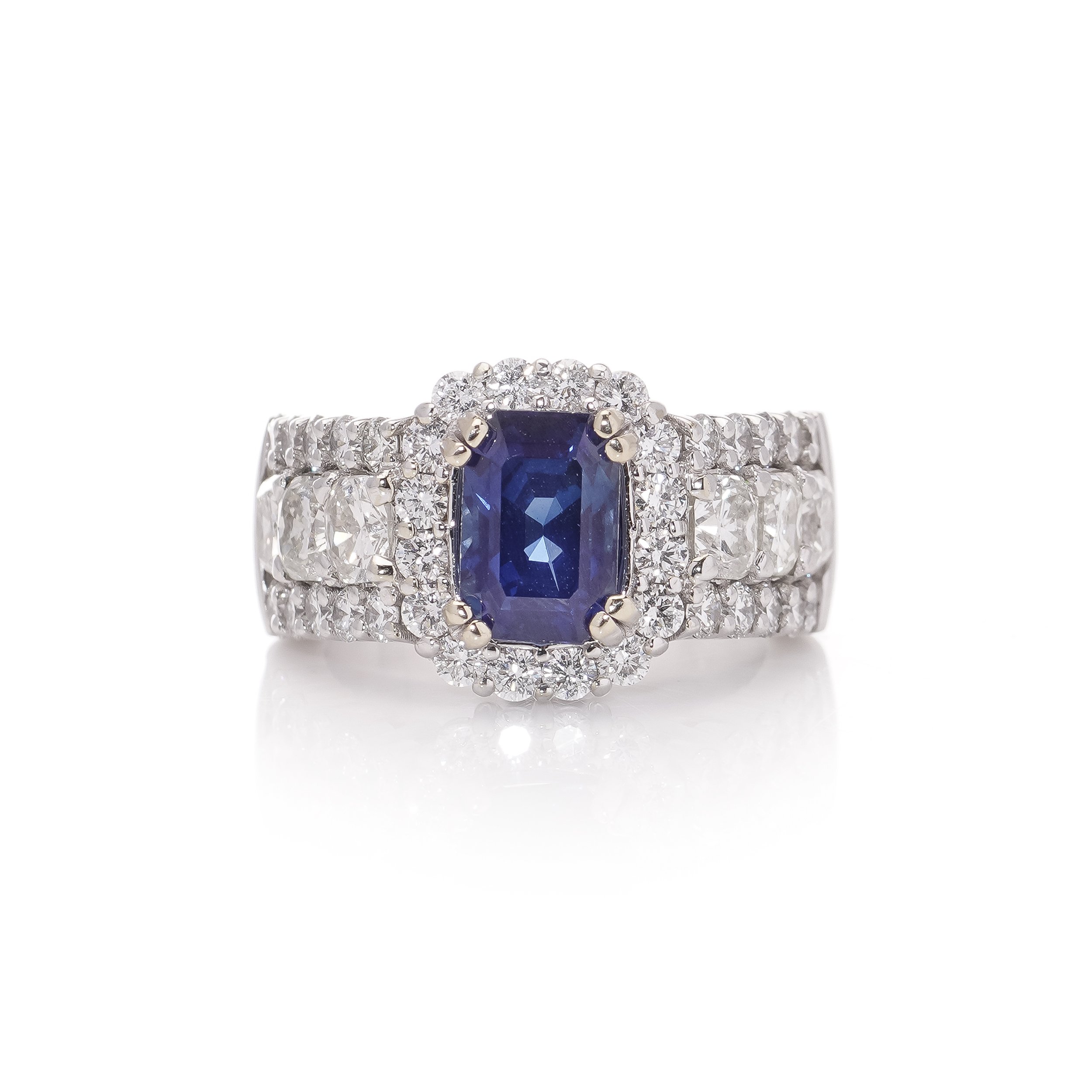


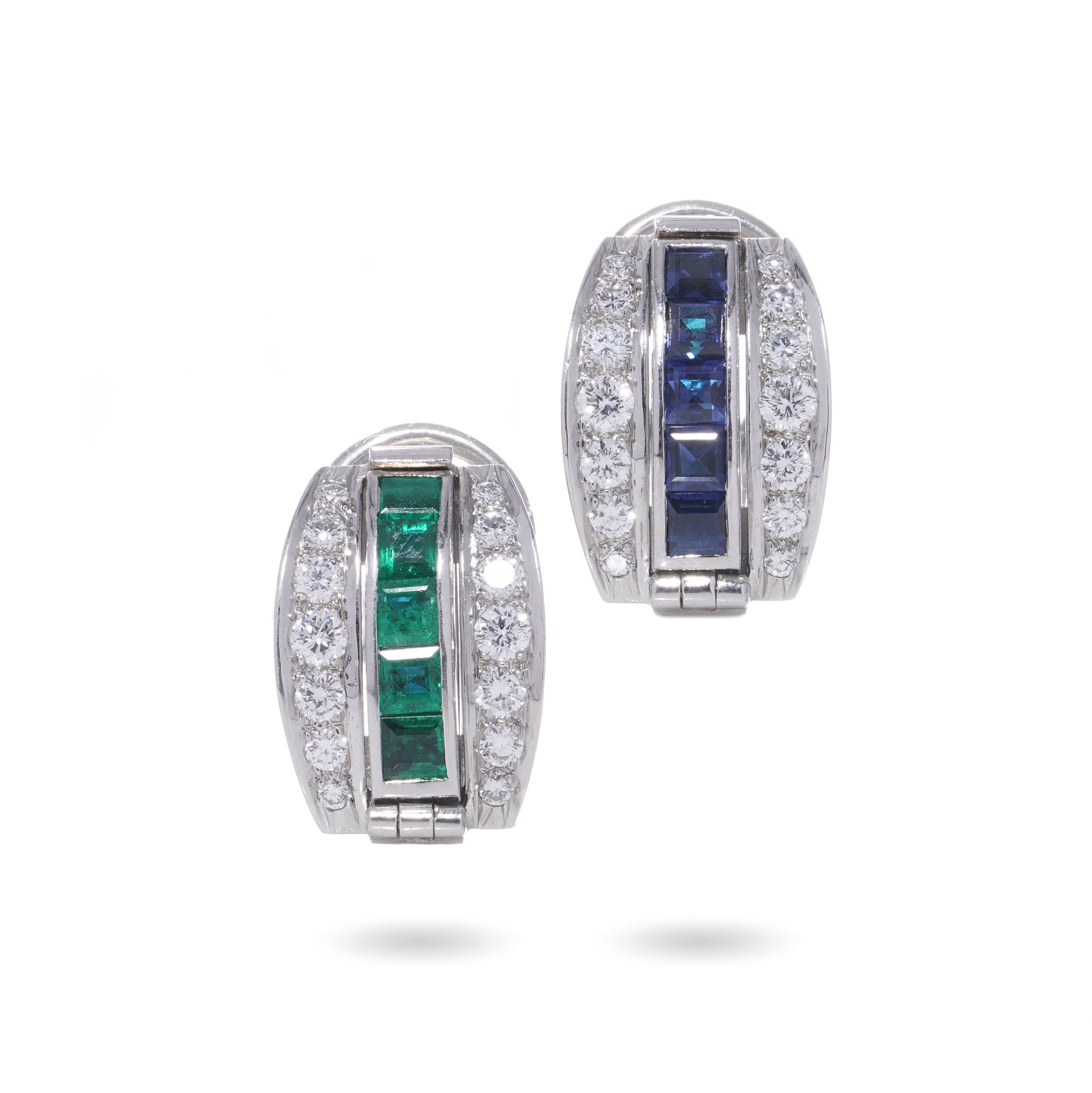
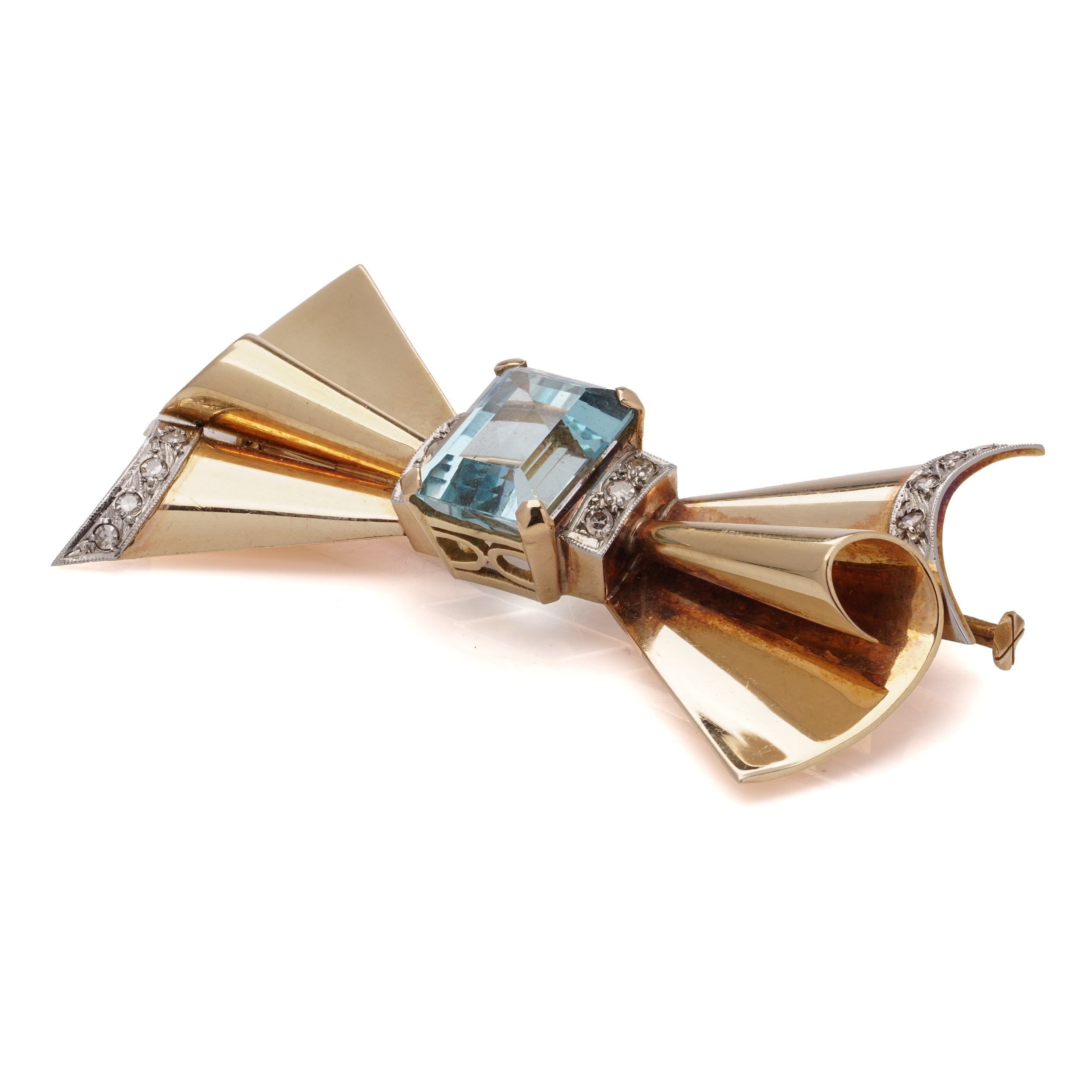


Own a coloured-gemstone piece you're thinking of selling? We buy fine gemstone jewellery — start with a free valuation or see sell your antique jewellery.
Explore Further
Frequently Asked Questions
The 2026 coloured gemstone boom.
Why are coloured gemstones increasing in value in 2026?
Coloured stones led the year's biggest auctions — headlined by a ~31.77ct Paraiba tourmaline at Phillips' June estate sale — and demand is rising on the rarity of fine natural stones and a growing preference for untreated over treated material. Strong saleroom results lift the whole market.
Are coloured gemstones a good investment?
Fine natural stones — especially untreated sapphires, emeralds, rubies and rarities like Paraiba — have strong investment credentials thanks to genuine scarcity. Quality, natural origin and the absence of treatment are the key value drivers, so buy the best stone you can and insist on natural.
Which coloured gemstone is most valuable?
At the very top, fine natural ruby is the most valuable coloured stone per carat, followed by top emeralds and sapphires. Rare stones such as Paraiba tourmaline, alexandrite and fine spinel can also command extraordinary prices.
Why buy antique gemstone jewellery instead of new?
Antique gemstone jewellery usually contains natural stones set by hand, at prices driven by the piece rather than a modern brand premium. You get the coloured stone the market is chasing, genuine craftsmanship and one-of-a-kind design — often for less than a comparable new piece.
Can I sell coloured gemstone jewellery to Mozeris?
Yes. We buy fine antique and vintage coloured-gemstone jewellery outright, valuing the stones and the piece honestly. Get a free valuation online, by phone or WhatsApp, or in person in Mayfair or Braintree.