Antique Silver in 2026: What It Is Actually Worth
Silver has done something gold has not. It has moved far enough that the canteen of cutlery in the loft is worth checking, and the difference between melt value and collector value has rarely been wider.
Silver is trading near $65 an ounce, and Citi has a target of $75 over the next three months and $90 over six to twelve months, a call the bank reiterated after a sharp pullback. The global market is expected to stay in deficit through 2027. For anyone with inherited silver this matters in a specific way: the metal price sets the floor, but on the right piece the floor is nowhere near the ceiling. Here is how to tell which one you have.
Quick answer: melt value or collector value?
Weight sets the floor. Maker, date and rarity set the ceiling. A plain Victorian cream jug is worth close to its silver weight. A Georgian teapot by a known maker is worth many times it.
The test is simple: if the hallmark names a maker anyone collects, or the date is pre-1800, stop before you weigh it.
Why silver has moved and gold has not
Gold is bought as a store of value. Silver is bought as both a store of value and an industrial input, which is why it moves further in both directions. Citi expects investment flows rather than industrial demand to drive the next leg, and expects silver to track gold in direction while producing larger percentage moves.
The practical consequence is that scrap silver prices have risen enough for households to notice, which is the first time in years that a box of ordinary flatware has been worth the trouble of finding out about.
The four things that decide value
| Factor | What raises value | What does not |
|---|---|---|
| Maker | Named Georgian and Victorian makers, Asprey, Buccellati, Liberty | Unmarked or retailer-only marks |
| Date | Pre-1800 generally, and early provincial assay | Post-1950 mass production |
| Form | Teapots, caddies, candlesticks, unusual objects | Common spoons and forks in quantity |
| Condition | Original surface, crisp hallmarks, no splits | Buffed surfaces, erased engraving, repairs |
Sterling is 925 parts per thousand. Britannia is 958 and appears mostly between 1697 and 1720. Anything marked EPNS or silver plate has no bullion value at all, though a few plated makers are collected.
The single most expensive mistake
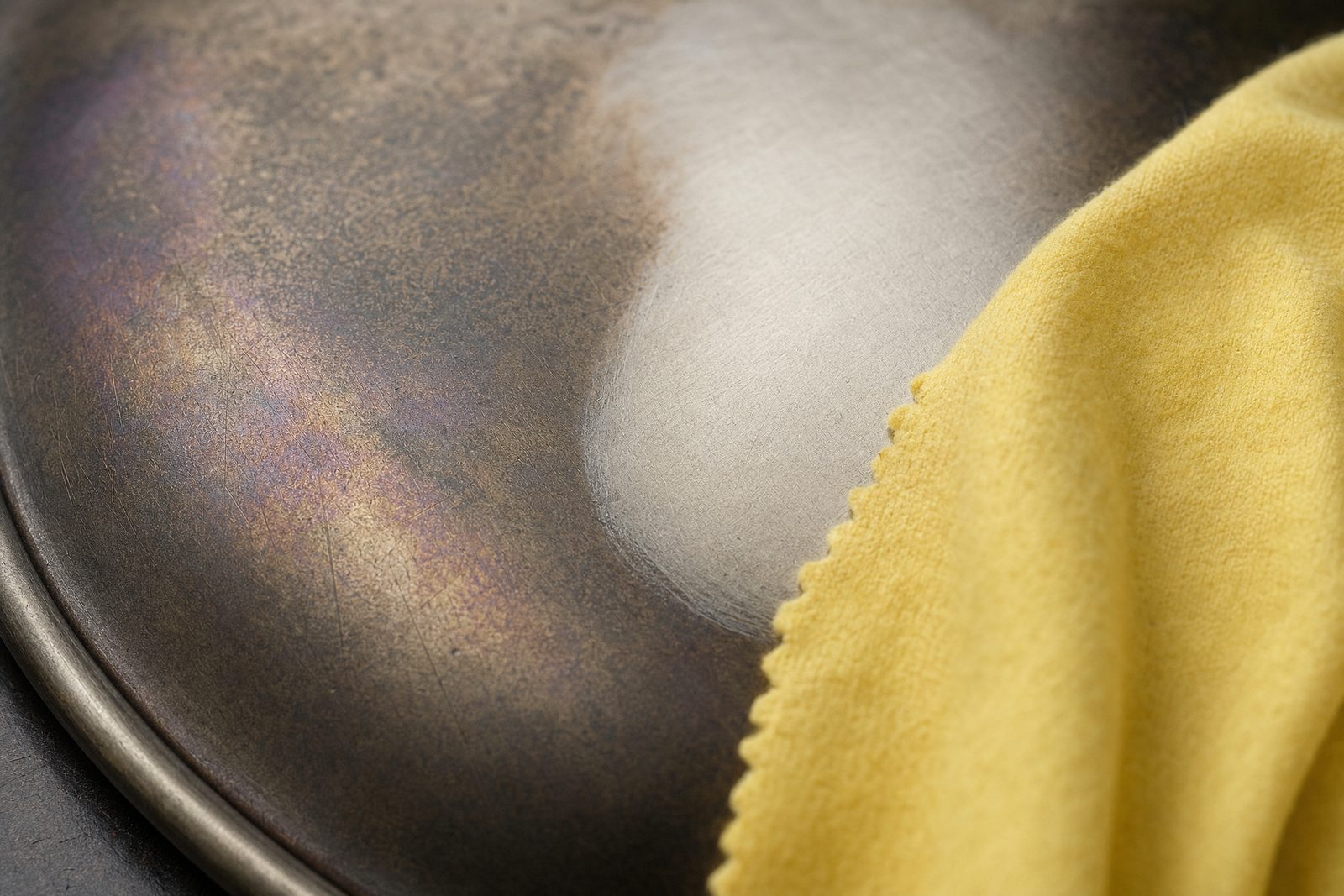
Over-polishing. A soft original surface, what the trade calls patina, is part of what a collector is buying. Aggressive polishing removes metal, softens the crispness of the hallmark and can cut straight through engraving. It is not reversible.
If you are having a piece valued, do not clean it first. Send it as it is.
Second most expensive: splitting a set
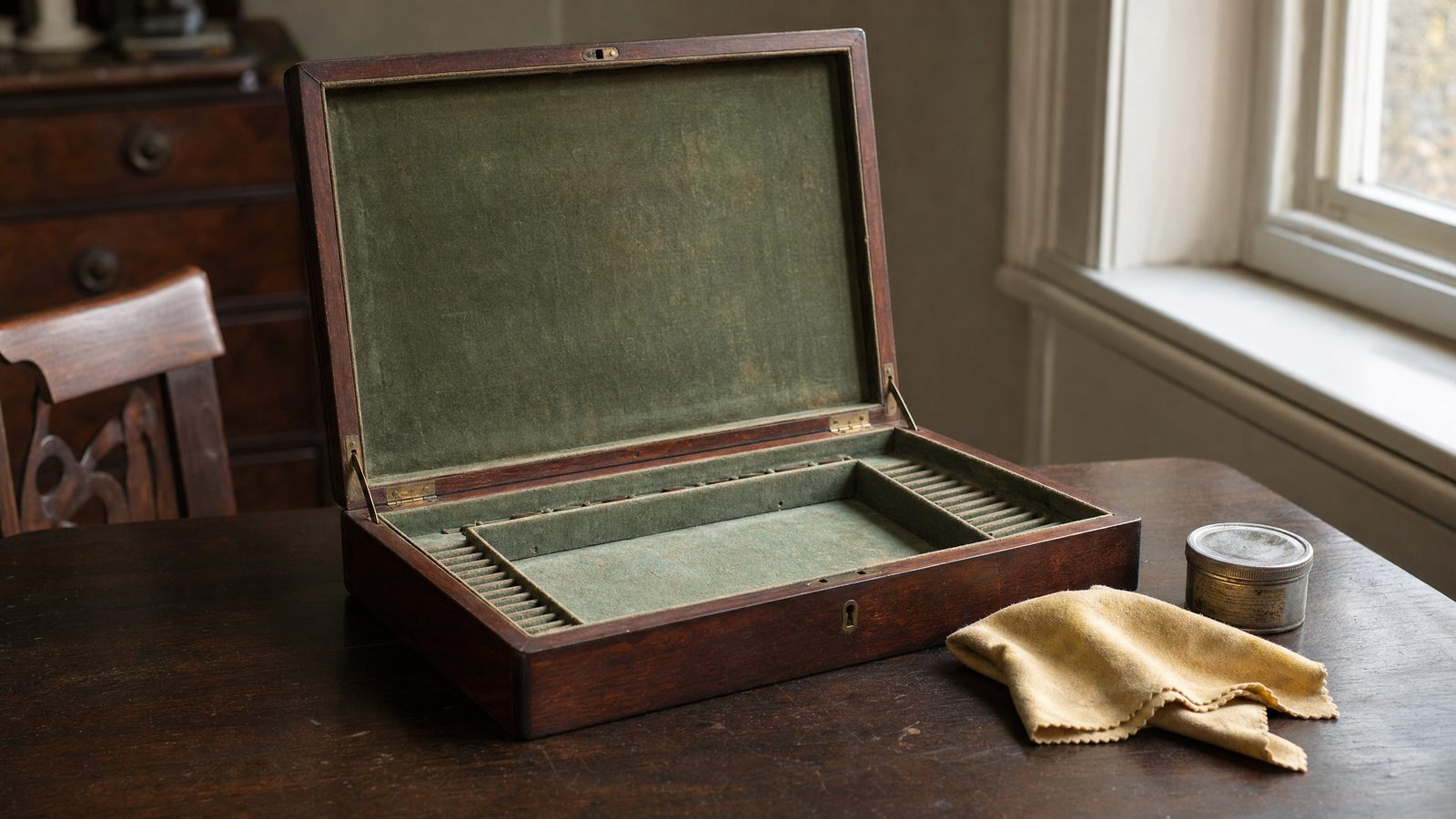
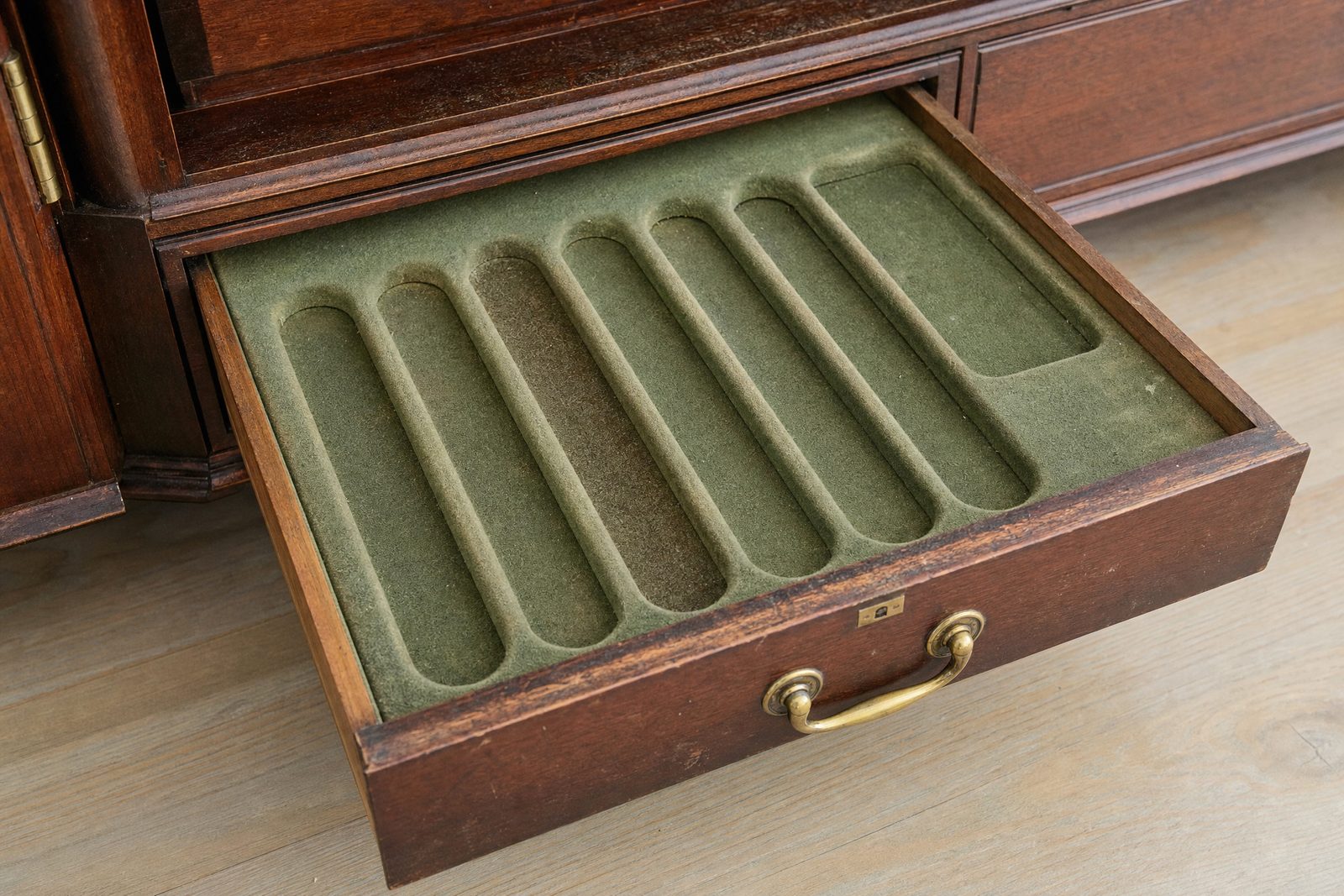
A complete canteen in its original box is worth considerably more than the same pieces sold loose, and a pair of candlesticks is worth more than twice one. Once a set is broken up it cannot be put back together.
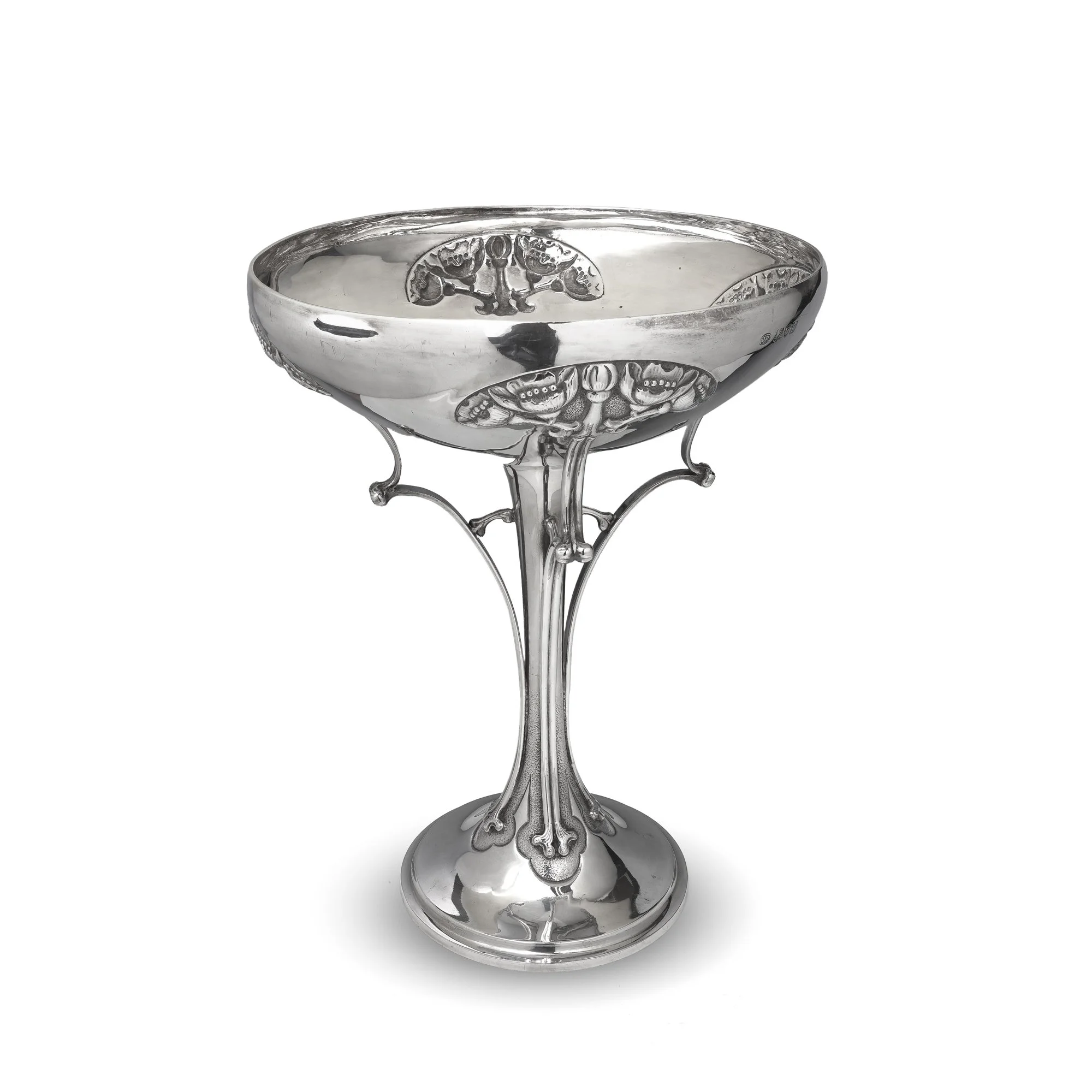
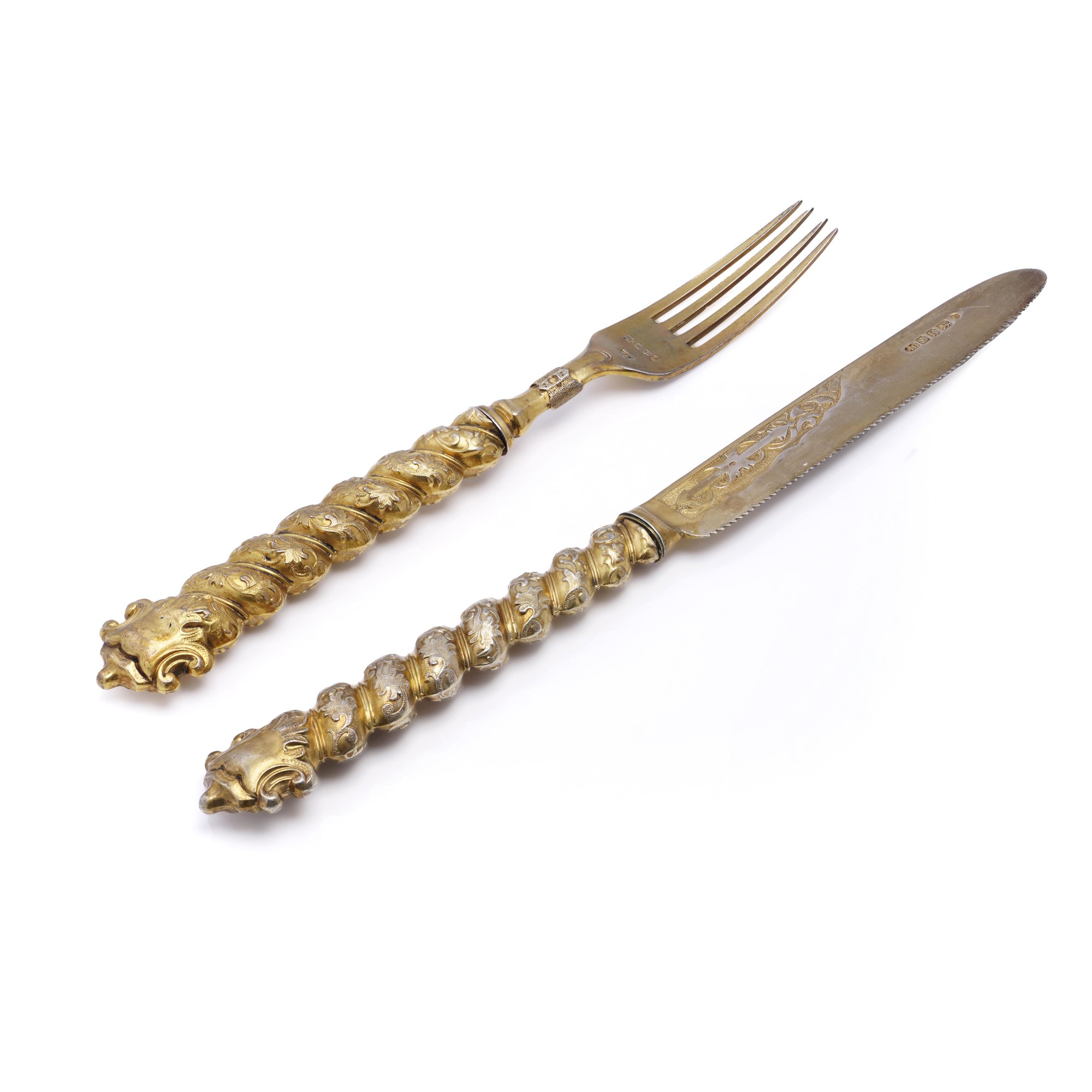
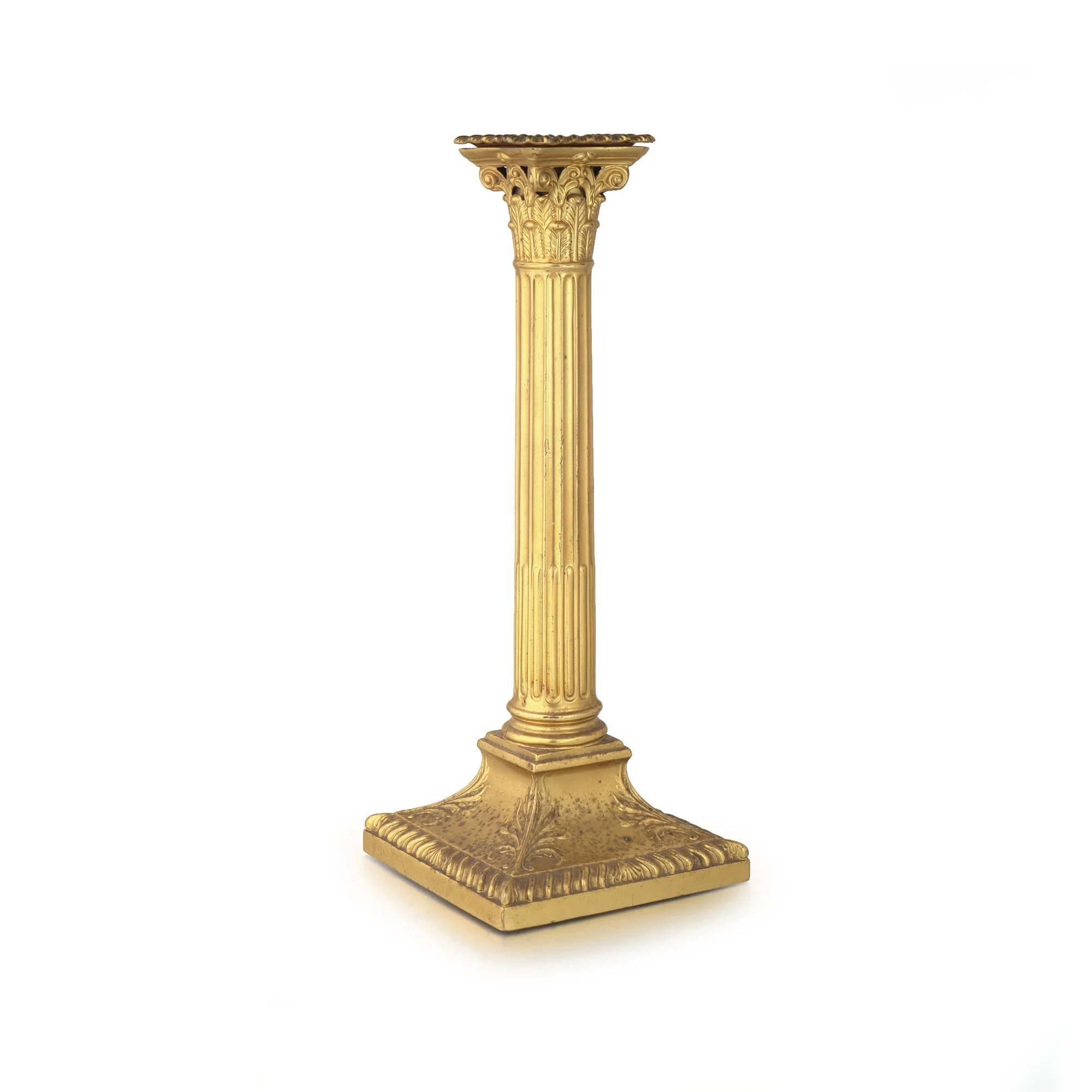
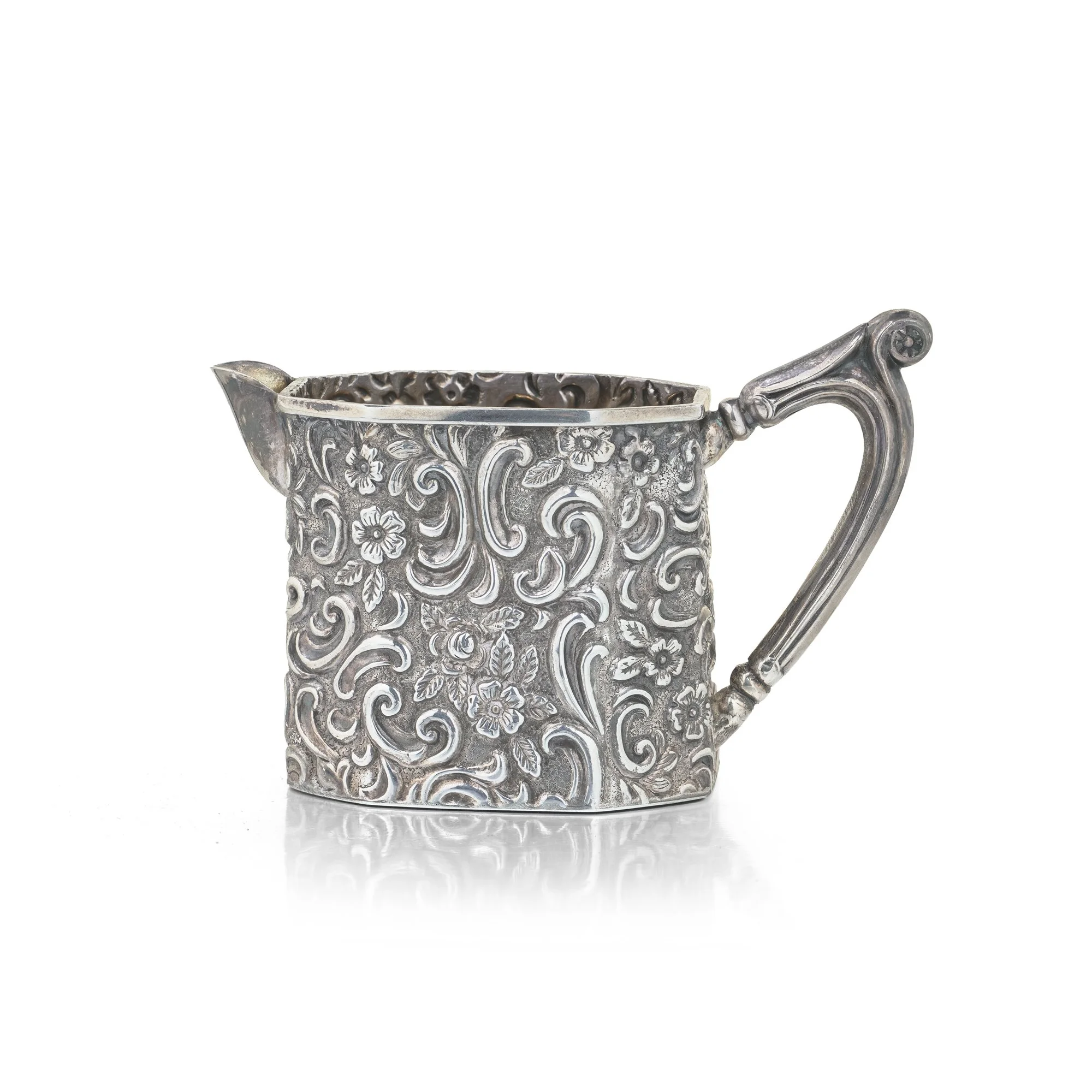
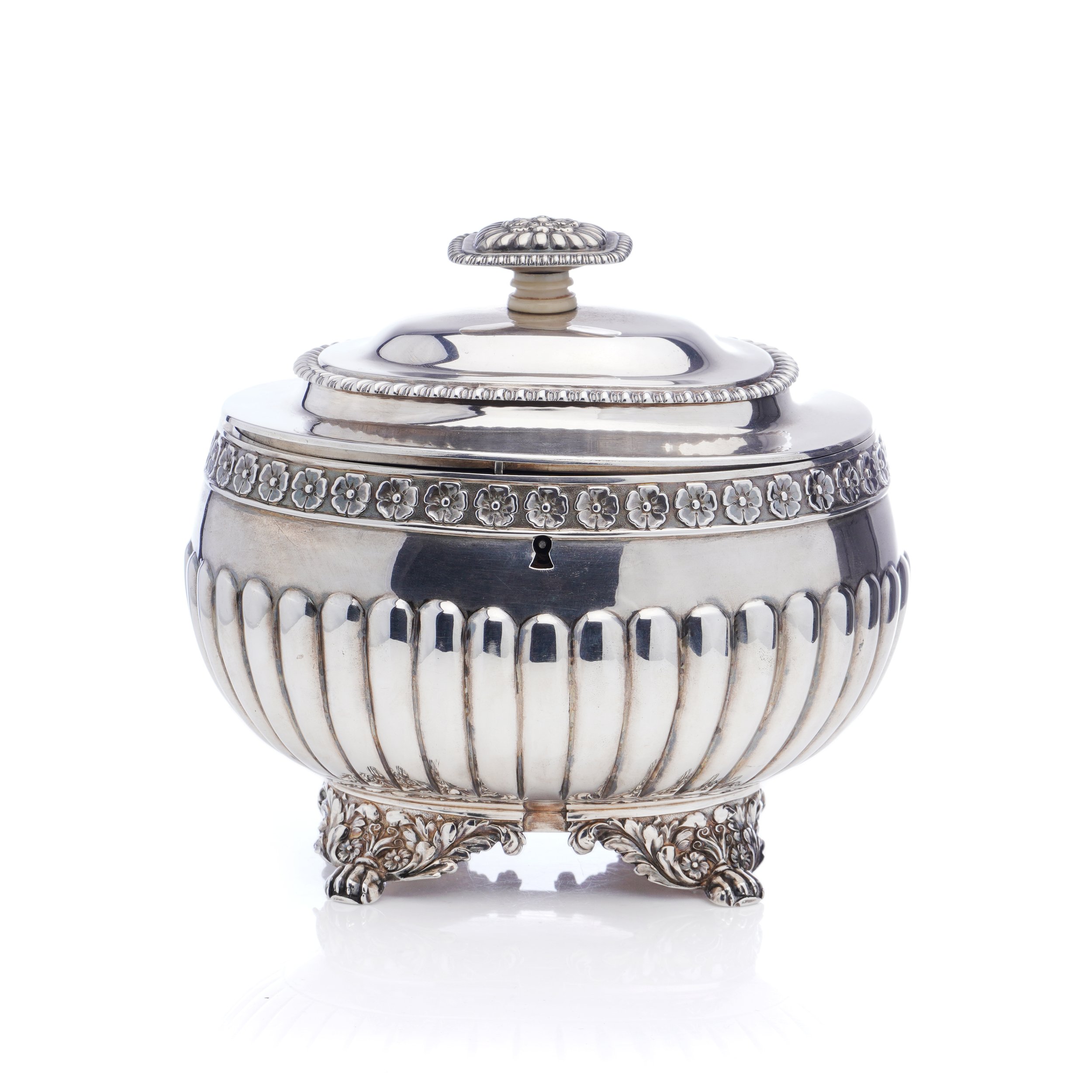
These are pieces from our current silver stock. They cover the range deliberately, from an affordable Victorian jug to a Georgian teapot, so you can see where the value sits:


How to read the marks in under a minute
- Find the lion passant. A walking lion in profile means sterling, 925. No lion means it is not English sterling.
- Find the town mark. A leopard's head is London, an anchor is Birmingham, a crown or rose is Sheffield.
- Find the date letter. One letter in a shaped shield. Each assay office ran its own cycles, so the shield shape matters as much as the letter.
- Find the maker's mark. Usually initials in a shaped punch. This is the mark that decides whether the piece is worth many times its metal.
- Check for a duty mark. A sovereign's head appears between 1784 and 1890 and confirms tax was paid, which helps confirm the date.
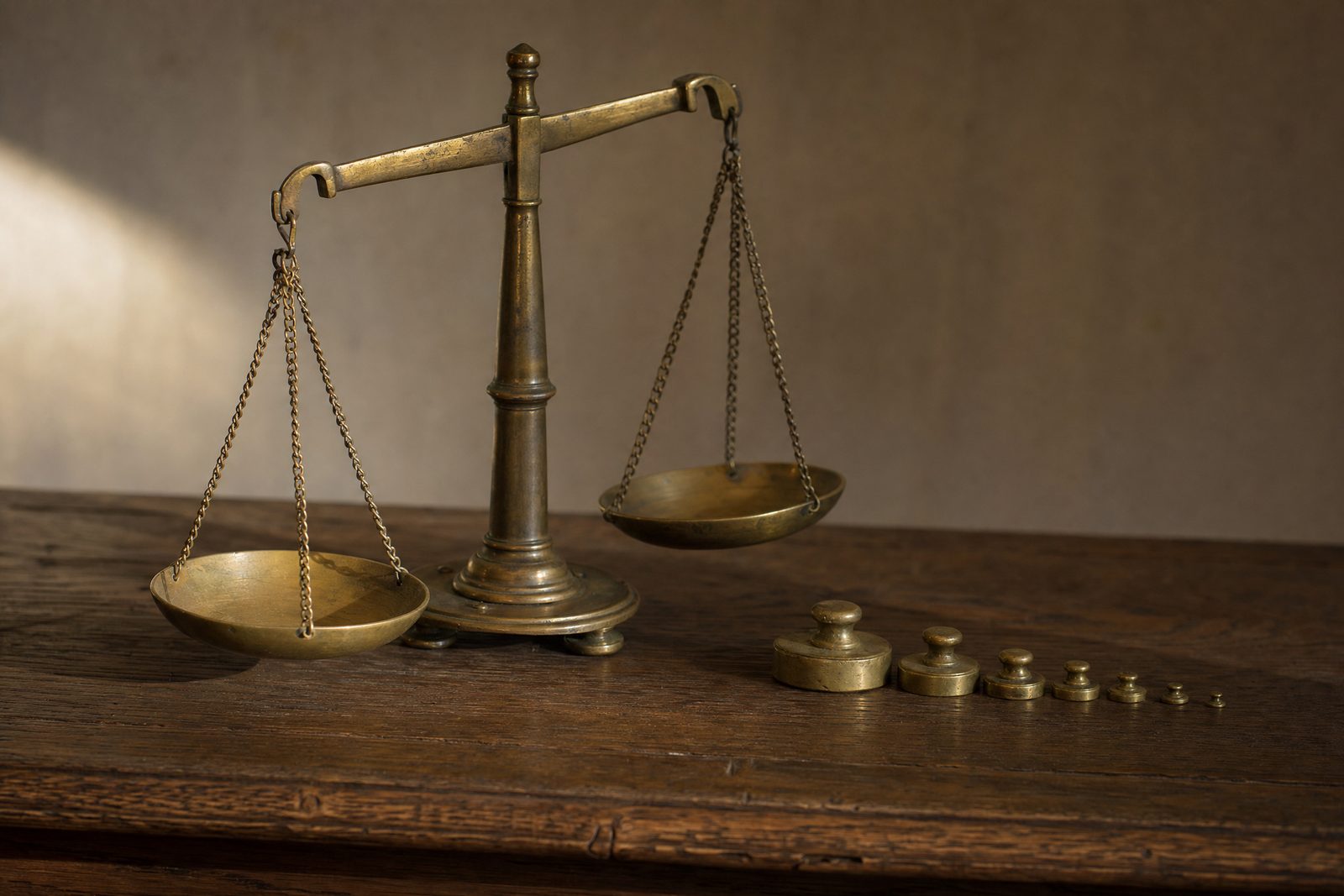
Think you own one? Find out what it’s worth.
Photograph the hallmarks and send them over. We will tell you the maker, the year and the assay office, and whether the piece is worth more as an object than as metal. It costs nothing to find out.
✓ Free expert valuation in 24h ✓ Same-day payment ✓ 10,000+ items traded · 5★ rated
Explore Further
Frequently Asked Questions
Antique silver, answered.
Is now a good time to sell silver?
Silver is trading near $65 an ounce with Citi targeting $75 over three months and $90 over six to twelve months, and the market is forecast to stay in deficit through 2027. Those are forecasts rather than guarantees. For collectable pieces the metal price matters far less than the maker and date.
How do I know if my silver is sterling or plate?
Look for the lion passant, a walking lion in profile, which marks English sterling at 925. Marks reading EPNS, A1 or silver plate indicate plated metal with no bullion value, although a small number of plated makers are collected.
Should I polish silver before a valuation?
No. The original surface is part of what a collector pays for, and heavy polishing removes metal, softens the hallmark and can cut through engraving. None of that is reversible. Send it exactly as it is.
Is a canteen of cutlery worth anything?
It depends on the maker, the pattern and whether it is complete in its original box. A complete canteen is worth considerably more than the same pieces sold loose. Knife handles are usually filled, so the silver weight is lower than the total weight suggests.
What is the difference between sterling and Britannia silver?
Sterling is 925 parts silver per thousand and is the British standard. Britannia is 958, a higher purity used mainly between 1697 and 1720, and marked with a figure of Britannia and a lion's head erased.
How is silver weighed and priced?
In troy ounces, where one troy ounce is 31.1 grams, not the ounces on kitchen scales. Scrap offers are based on weight and purity. A piece with a collectable maker or an early date should never be sold on weight alone.