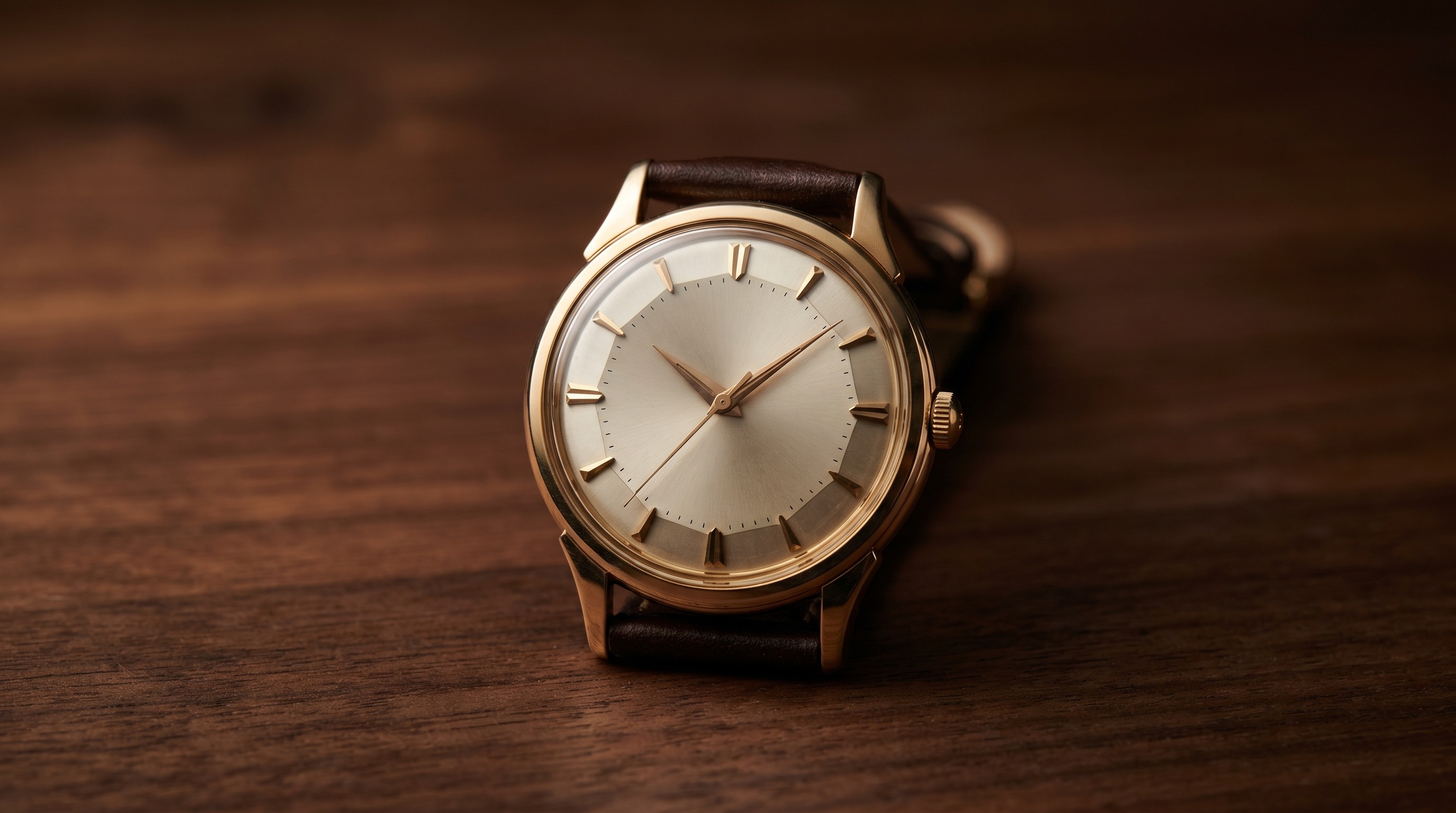
Vintage Gold Omega Constellation: A Collector's Guide
Chronometer-grade movements, the unmistakable "pie-pan" dial and an observatory medallion on the back — the gold Constellation is one of the great mid-century dress watches. Here's how to understand and recognise yours.
Not Sure What Your Watch Is Worth?
Send us a photo for a free, no-obligation valuation — or simply ask for honest advice. Our specialists reply within one working day.
If the dress watch had a golden age, the Omega Constellation sat near the centre of it. Launched in 1952 as Omega's flagship chronometer line, it married certified accuracy with mid-century elegance — and in solid gold it became the watch of choice for a generation who wanted precision worn quietly under a cuff.
We see vintage gold Constellations often at Mozeris Fine Antiques, and they reward a closer look more than almost any other mid-century watch. This guide explains what makes them special, how to recognise the gold examples, and what drives their value. For a current valuation of any reference, see our Omega value guide; here we focus on the watch itself.
What makes the Constellation special
The Constellation was built around a simple promise: chronometer-certified accuracy in a beautiful case. Three features define the classic vintage examples, and spotting them is half the pleasure of owning one.
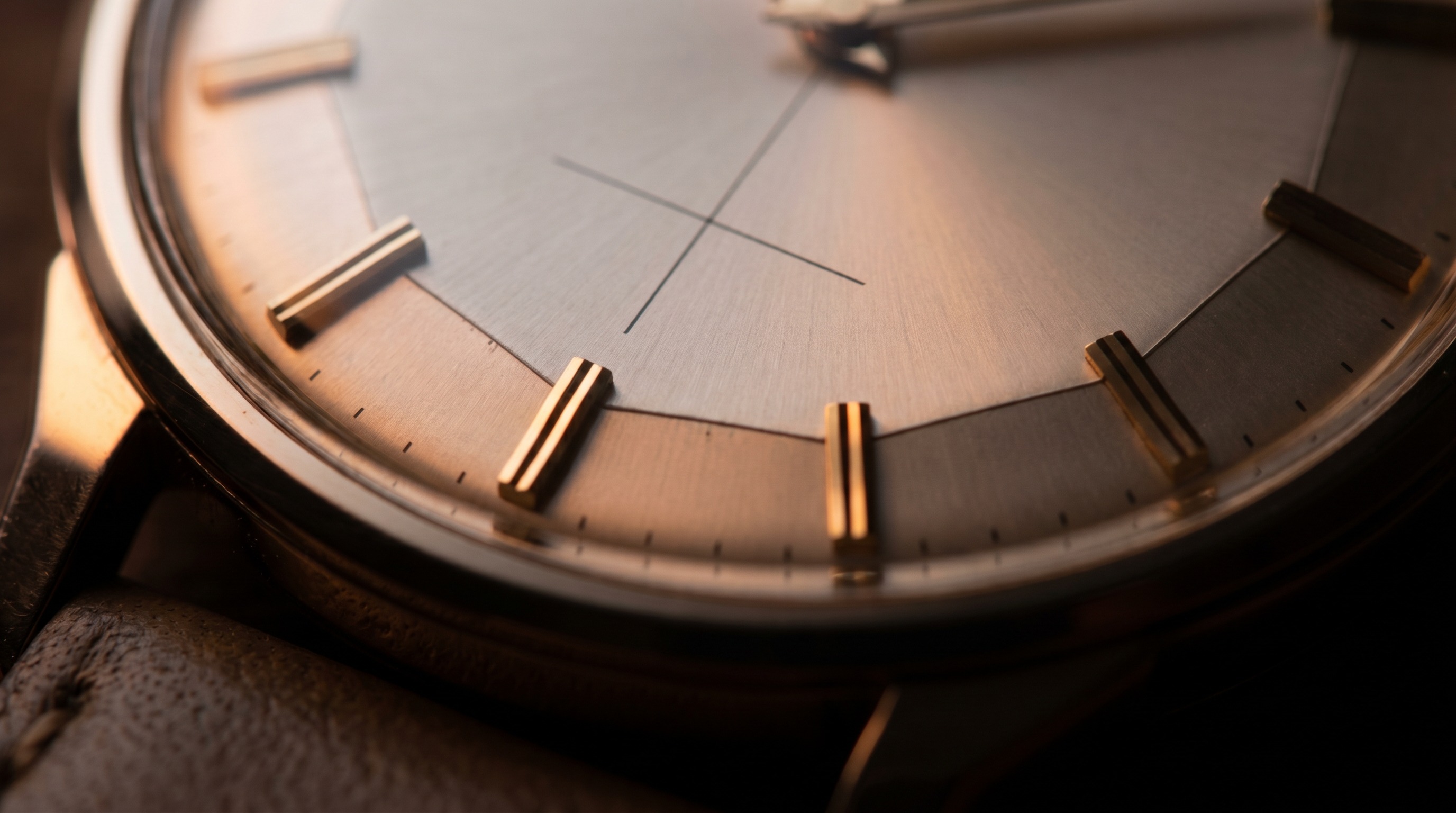
The "Pie-Pan" Dial
The signature. The dial's outer edge steps down like an upturned pie pan, catching light at the chapter ring. Combined with applied faceted gold markers, it is the most recognisable feature of the vintage Constellation.
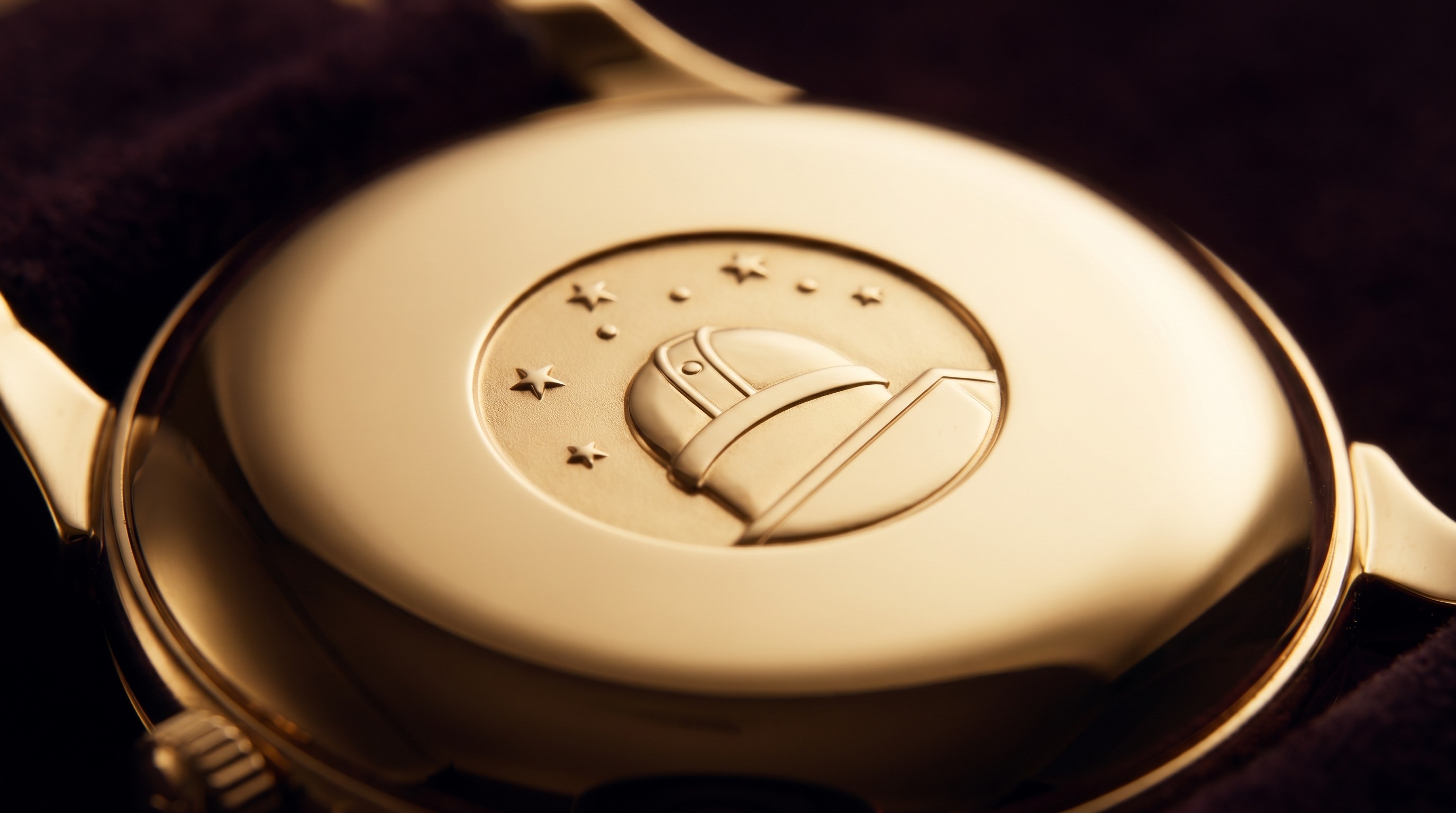
The Observatory Medallion
The case-back carries an embossed medallion of the Geneva Observatory and a cluster of stars — a nod to the chronometer trials that gave the line its name and reputation.
Chronometer Movements
Beneath sit Omega's celebrated automatic chronometer calibres — robust, accurate and beautifully finished. The "bumper" automatics of the earliest models are especially prized.
Gold, and What Drives Value
Constellations came in steel, gold-capped, two-tone and solid gold. Establishing which you have is the first step, then value follows a familiar path:
- Case metal — Solid 18ct (hallmarked 750), gold-capped, or two-tone. Solid gold sits at the top.
- Dial originality — An original, untouched pie-pan dial vastly outvalues a refinished one.
- Reference & calibre — Early "bumper" automatics and rarer references command premiums.
- Case sharpness — Unpolished cases that keep their original facets and lugs.
- Bracelet — A correct original gold bracelet adds significant value.
- Completeness — Box, papers and a matching crown all help.
A gold-capped Constellation is not solid gold — see our solid-versus-plated guide to be sure which you have.
Recognising a gold Constellation
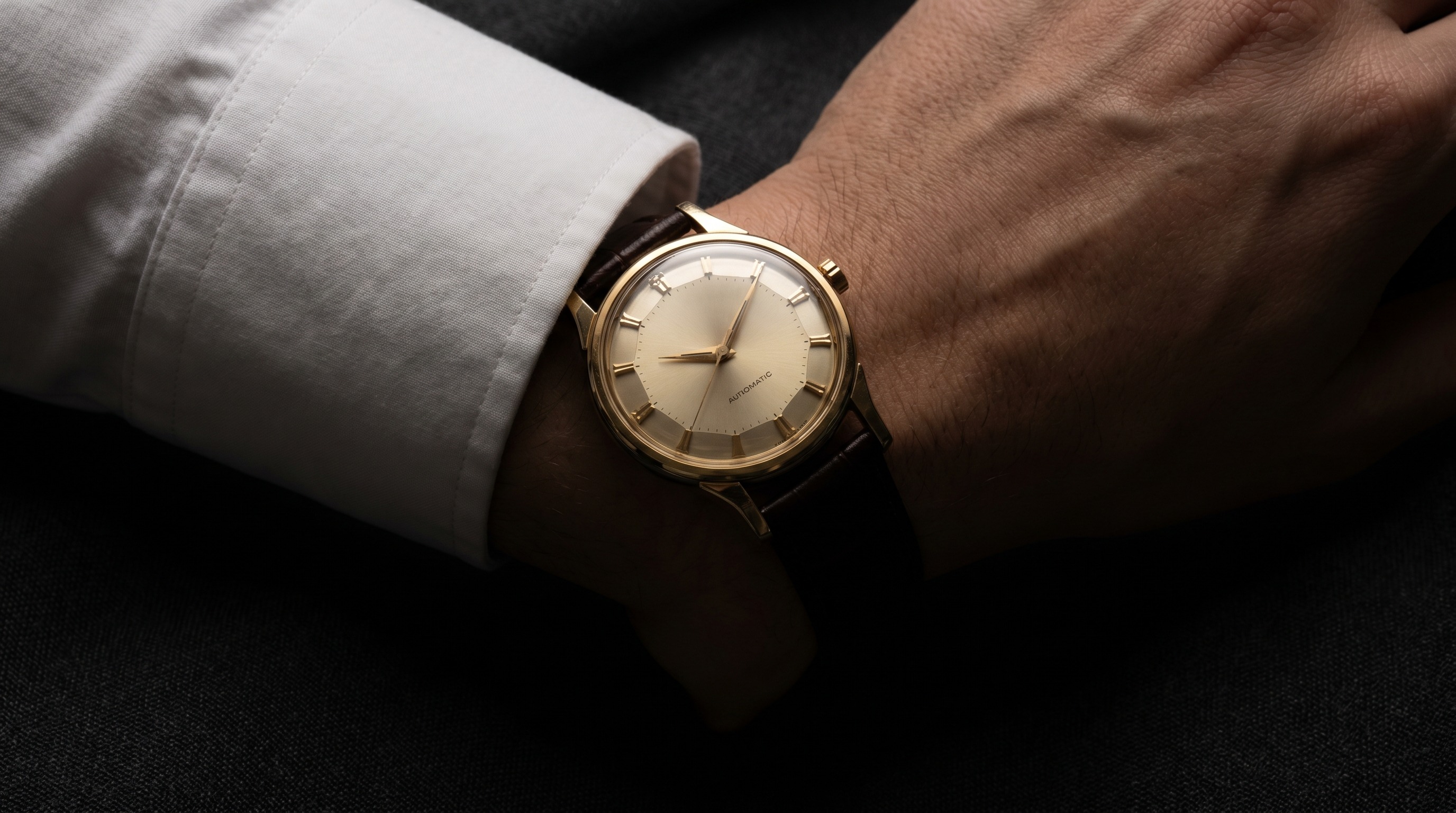
Look first for the pie-pan dial and the observatory case-back — together they all but confirm a classic Constellation. To establish the gold, check the case-back and lugs for a hallmark: a 750 or 18ct mark indicates solid gold, while "gold-capped" or a worn yellow layer over steel indicates a capped case. The reference number is engraved inside the case-back, and the calibre is stamped on the movement.
Before going further it's worth confirming the case metal with our guide to telling solid gold from gold-plated, and you can pin down the year using our guide to dating a vintage gold watch. Exploring the wider mid-century field? See our vintage gold Jaeger-LeCoultre and vintage gold Rolex guides.
Value Your Gold Omega Constellation
Send photographs of the dial, the case-back and the movement and we'll identify the reference and give you an honest, no-obligation valuation.
⚠️ Strictly by appointment only — no walk-ins at either showroom.
Frequently Asked Questions
Common questions about vintage gold Omega Constellations.
What is a "pie-pan" dial?
It's the nickname for the classic Constellation dial, whose outer section steps down towards the edge like an upturned pie pan. Combined with applied faceted hour markers, it's the most recognisable feature of the vintage Constellation.
Is my Constellation solid gold or gold-capped?
Solid gold cases carry a hallmark such as 750 (18ct). Gold-capped models have a thick gold layer bonded to a steel case and are marked differently. Two-tone examples combine gold with steel. Our solid-versus-plated guide explains how to tell.
What is the medallion on the back of my watch?
It's the Constellation's observatory medallion — an embossed image of the Geneva Observatory and stars, commemorating the chronometer trials that gave the line its reputation for accuracy. A crisp, unworn medallion is a good sign.
Does a refinished dial affect the value?
Significantly. Collectors strongly prefer original pie-pan dials, and a redial usually reduces value compared with an honest original — even when neatly done. We assess the dial carefully from photographs.
My Constellation isn't running — is it still worth selling?
Yes. A non-running gold Constellation retains value in its gold, movement and collectability. Don't attempt a repair before valuation — let a specialist assess it as it is.
Send Us Your Constellation Photographs
Attach photos of the dial, case-back and movement. We'll respond within one working day.