Retro Jewellery1940s to 1950s
Retro jewellery from the 1940s and 1950s: sculptural gold clip brooches, platinum diamond spray and flower basket brooches, diamond cluster and three stone rings, and signed pieces by Tiffany & Co. and Buccellati. Each listing gives the date or decade, the metal and the stones, and describes the condition we found.
5.0 by our buyers on Google · 4,000+ customers
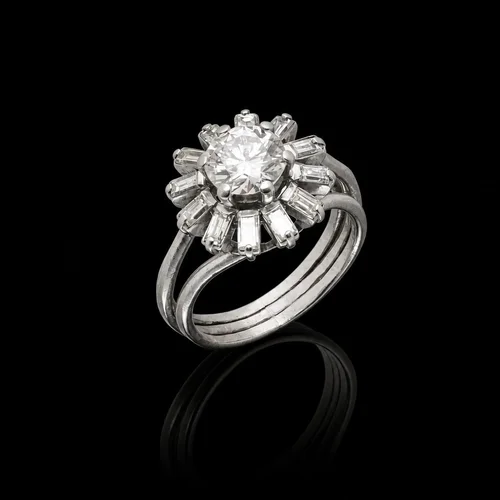
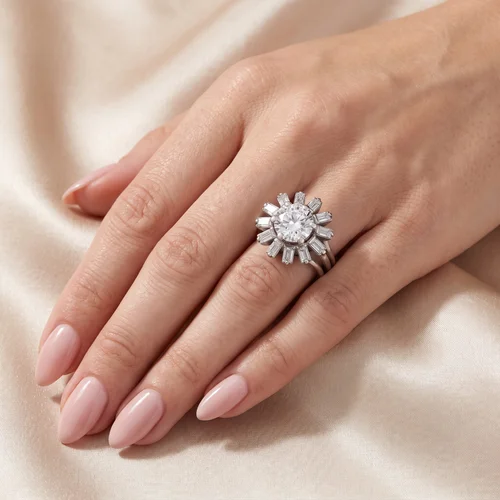 1950s Platinum Diamond Cluster Ring, 1.33 Carat Centre with Baguettes£3,985
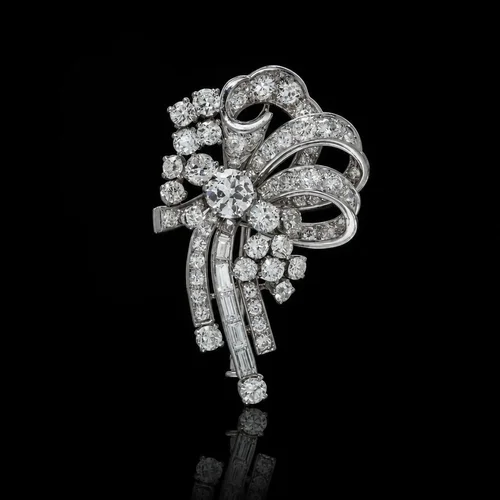
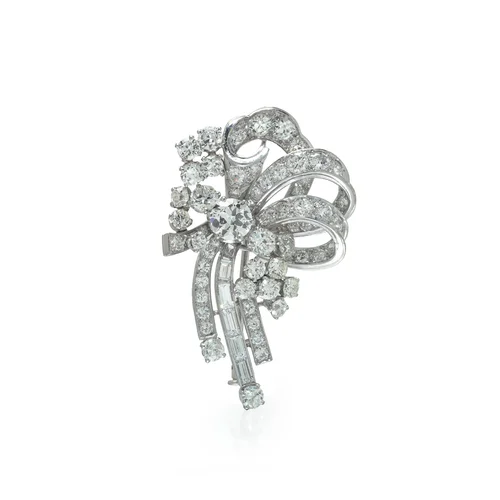 Vintage Diamond Spray Brooch, Platinum, 1950s, Ribbons and Tassels£6,865
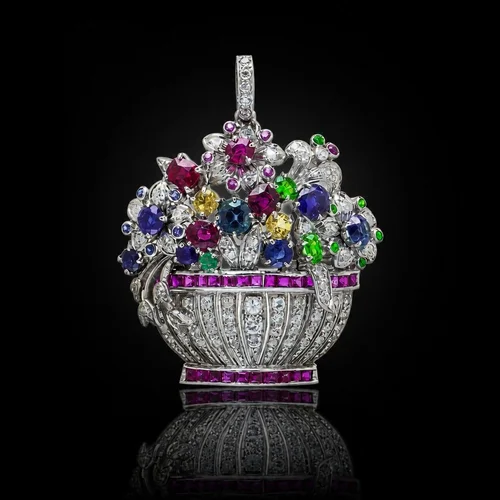
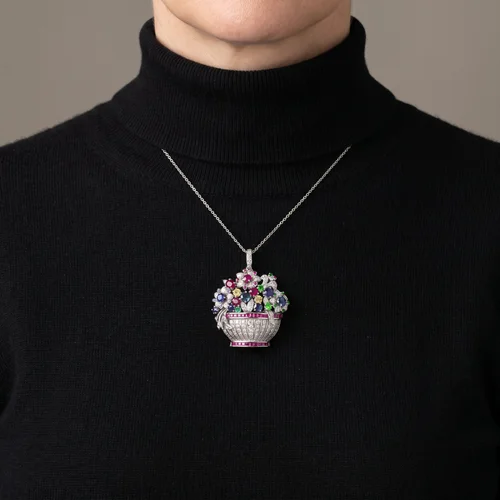 Giardinetto Multi Gem Diamond Flower Basket Brooch Pendant, Platinum, Circa 1940s£4,950
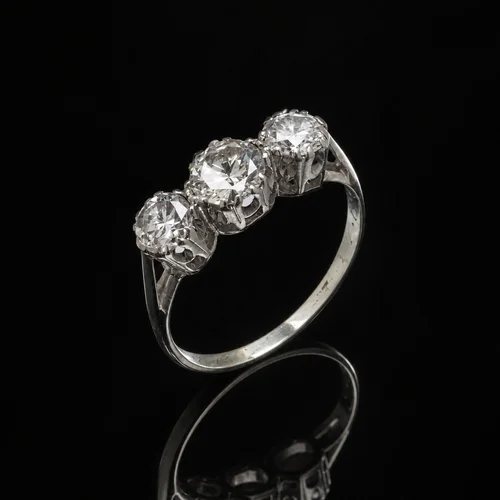
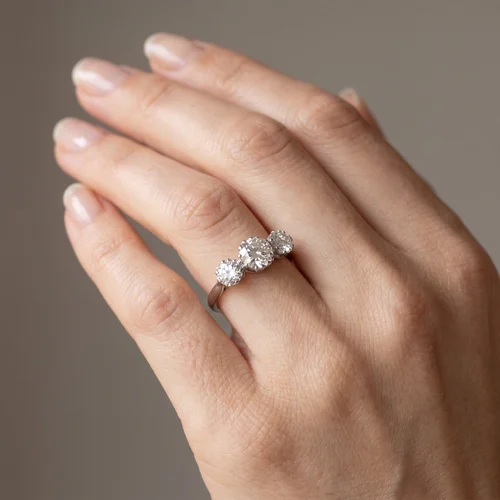 Three Stone Diamond Ring, Approx. 1.30 ct, Dated 1947 and Inscribed£2,950
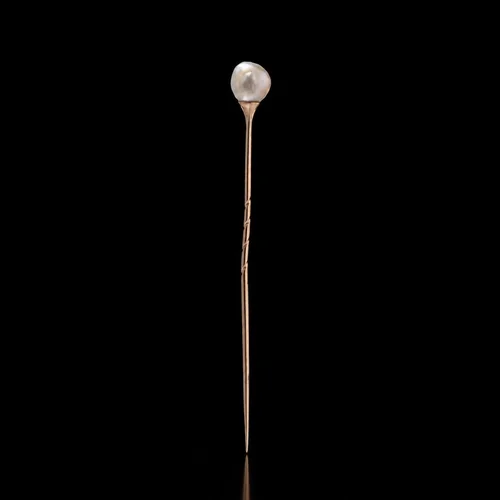
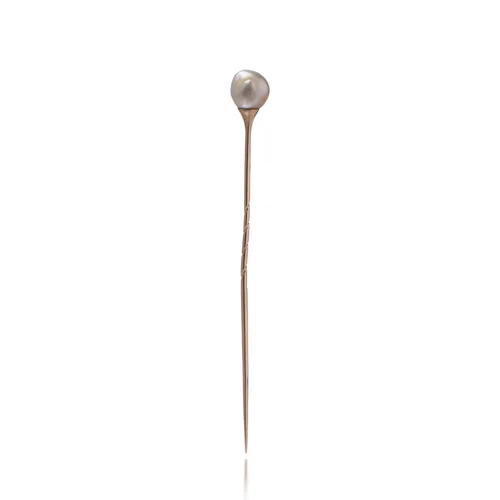 Vintage Natural Pearl Stick Pin, 14KT Gold, 8 mm, 1950s£595
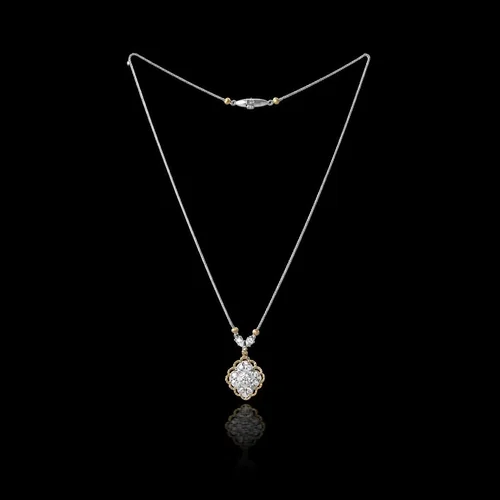
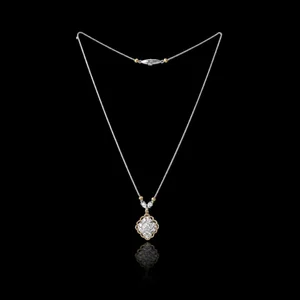
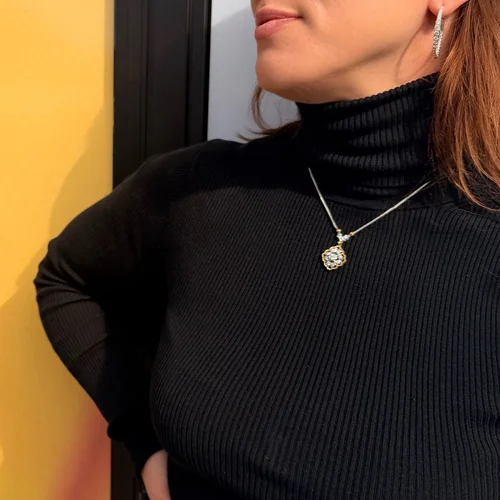 Vintage Mario Buccellati 18KT Gold Diamond Floral Pendant Necklace£8,950
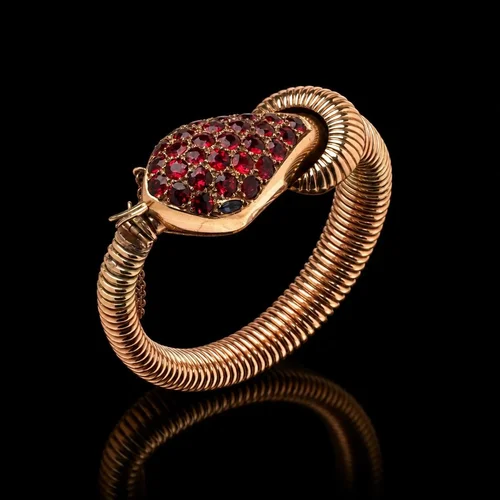
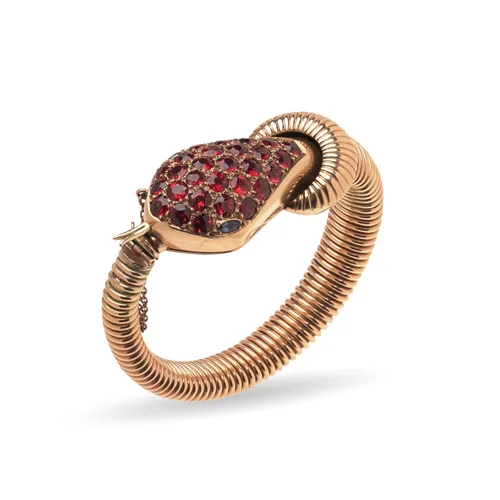 Vintage 9KT Gold Garnet-Set Snake Bracelet Watch, Circa 1950s£6,950
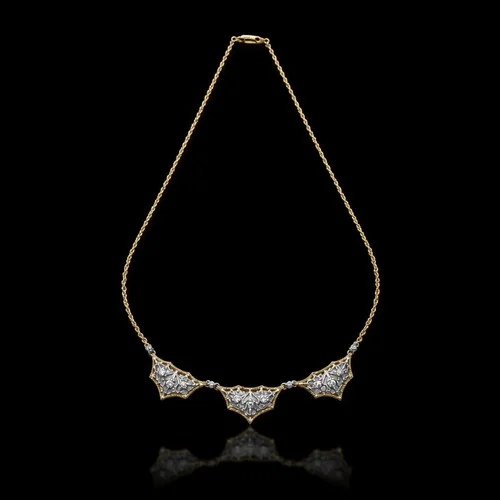
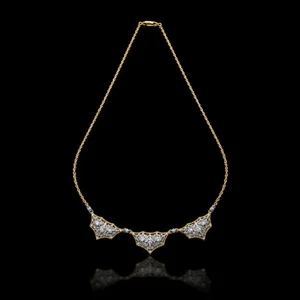
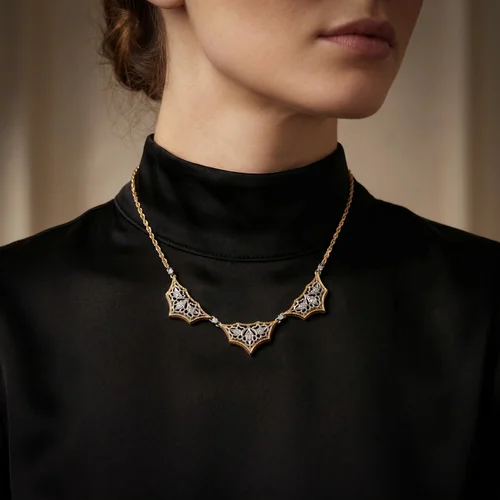 Vintage Buccellati Diamond Necklace, 18KT Gold Openwork, 1950s to 1960s£9,850
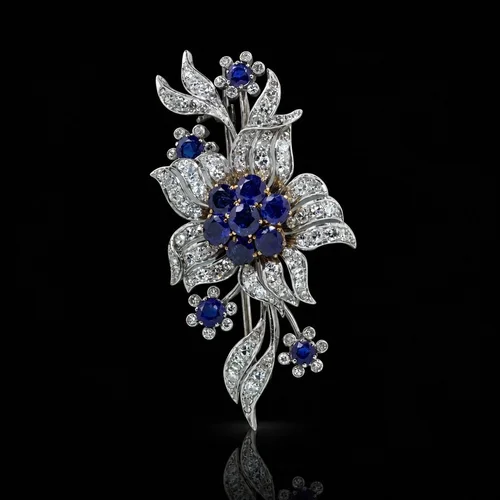
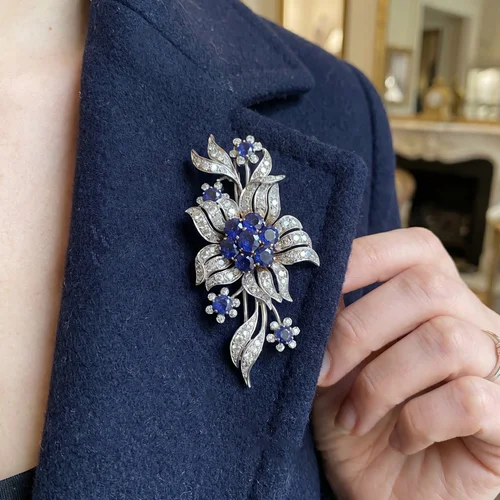 Vintage Palladium Sapphire and Diamond Floral Spray Brooch£4,985
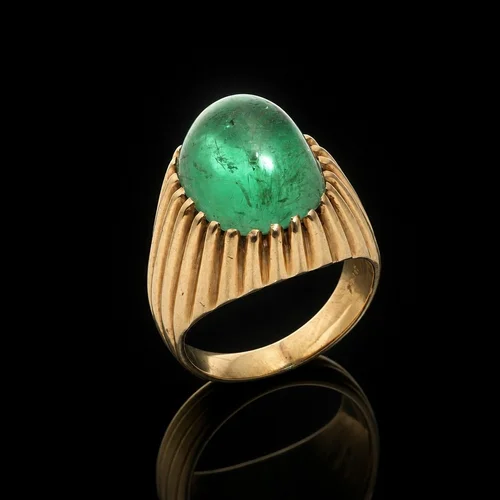
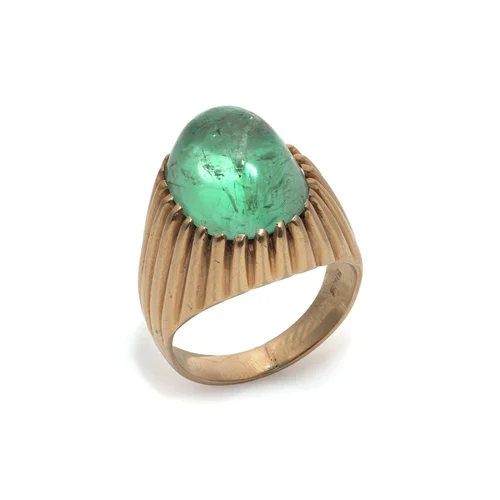 Vintage 1950s Cabochon Emerald Ring, 18KT Gold, Ribbed Mount£3,875
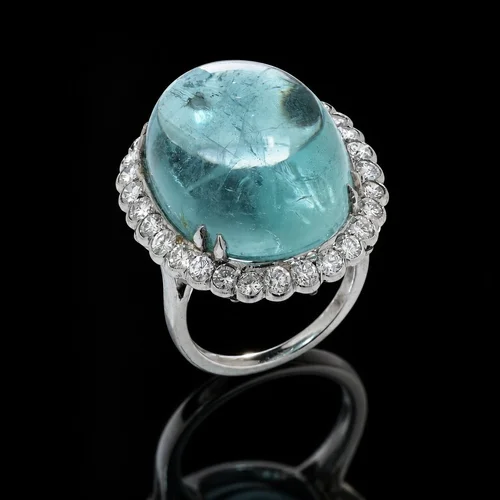
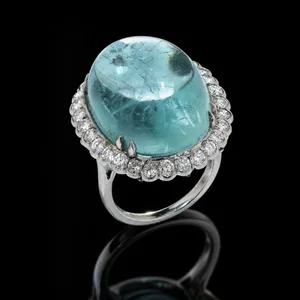
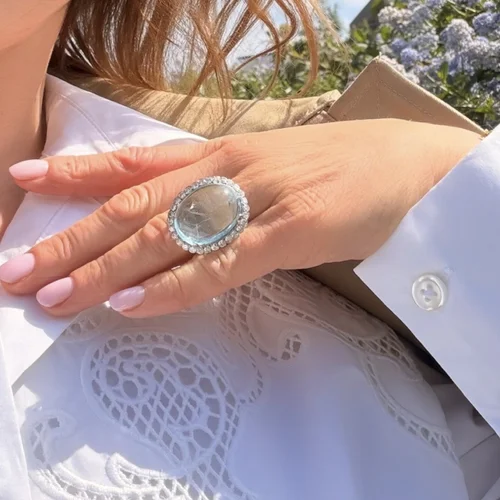 Vintage Platinum Cabochon Aquamarine and Diamond Ring£7,995
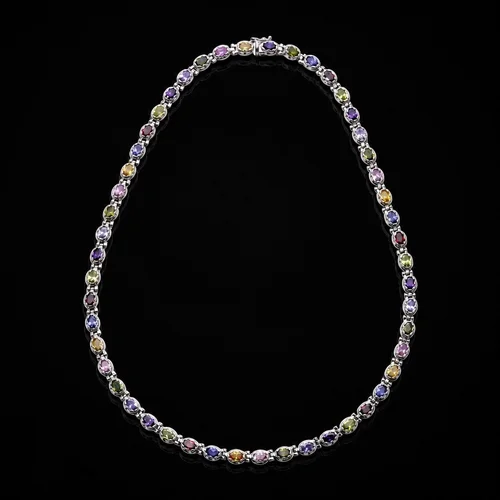
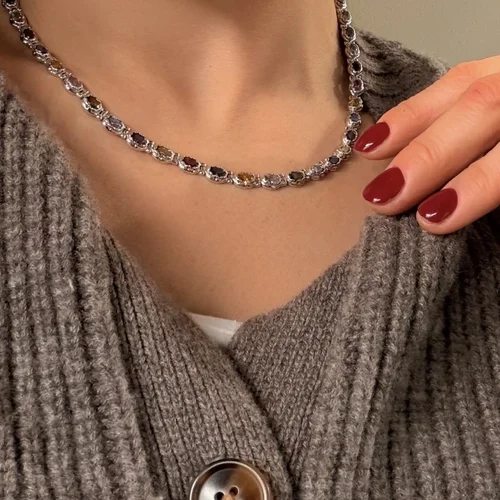 Vintage Italian 18KT White Gold Multi-Gem Necklace£7,950
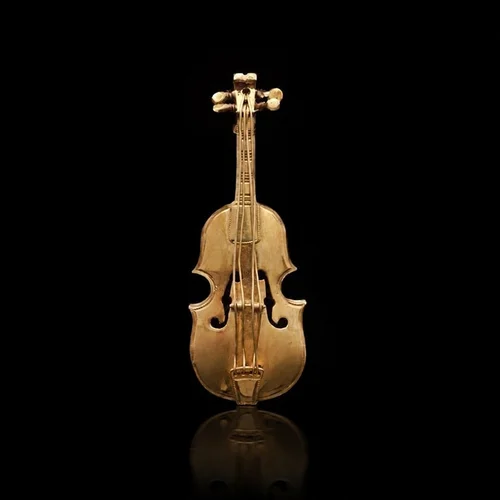
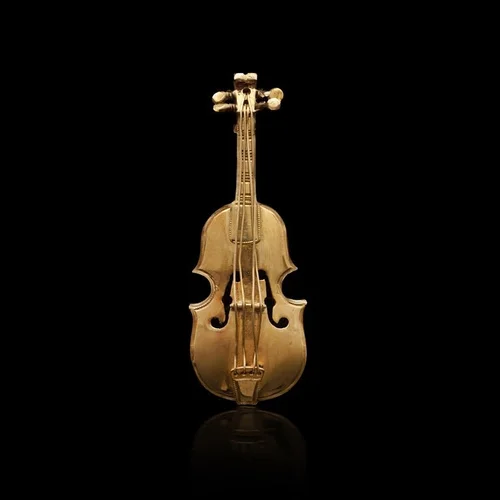 Vintage 18KT Gold Violin Brooch, Engraved Sandown Park, Dated 1947£1,950
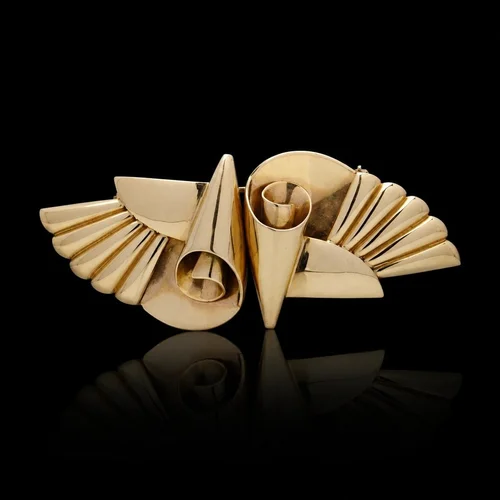
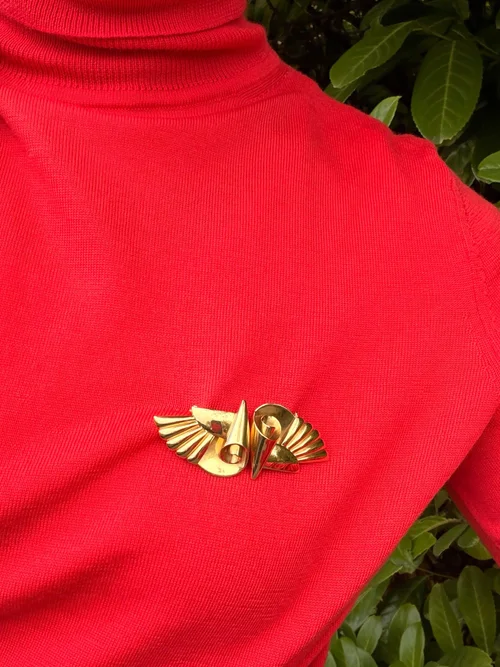 Tiffany & Co. Retro 14KT Gold Double Clip Brooch£6,650
What is Retro jewellery?
Retro is the name for fine jewellery made from the late 1930s to the 1950s, between Art Deco and the designer jewellery of the 1960s. It is bold and three-dimensional: bows, ribbons, scrolls, buckles and flowers, in volume rather than the flat geometry of the 1920s.
Gold in the 1940s
Platinum was restricted for war use during the Second World War, so jewellers turned to yellow and rose gold, often in two colours together. Large, lightly set stones such as citrine and aquamarine gave impact with little metal. Clip brooches, which could be worn singly or joined as a double clip, were made in great numbers.
The 1950s: platinum and diamonds return
After the war, platinum and white metals came back for diamond spray brooches, giardinetto flower baskets, cluster rings and three stone engagement rings. Palladium, lighter than platinum, was also used for diamond settings in these years.
Marks and dating
British pieces carry a hallmark with a date letter, and some rings and brooches are inscribed with a date, as on a ring engraved 1947. American pieces are often marked 14K. Signed pieces by houses such as Tiffany & Co. and Buccellati carry the maker's name.
Questions
What years is Retro jewellery?
Roughly the late 1930s to the 1950s. It follows Art Deco and comes before the textured designer gold of the 1960s.
Why is so much 1940s jewellery made of gold?
Platinum was restricted for military use during the Second World War, so jewellers worked in yellow and rose gold instead, often in two colours.
What is a double clip brooch?
A brooch made of two matching clips on a removable frame. Joined, they form one brooch; apart, they can be worn on each side of a neckline or lapel.
Is Retro the same as vintage?
Retro is one part of vintage: the period from the late 1930s to the 1950s. Vintage jewellery covers the decades from then to the 1990s.