
Old Mine Cut Diamonds: History, How to Identify & 2026 Value
The old mine cut — the hand-cut diamond of the Georgian and Victorian eras — is surging with collectors in 2026. How to identify one, how it compares to other cuts, and why yours may be worth more than a modern buyer will tell you.
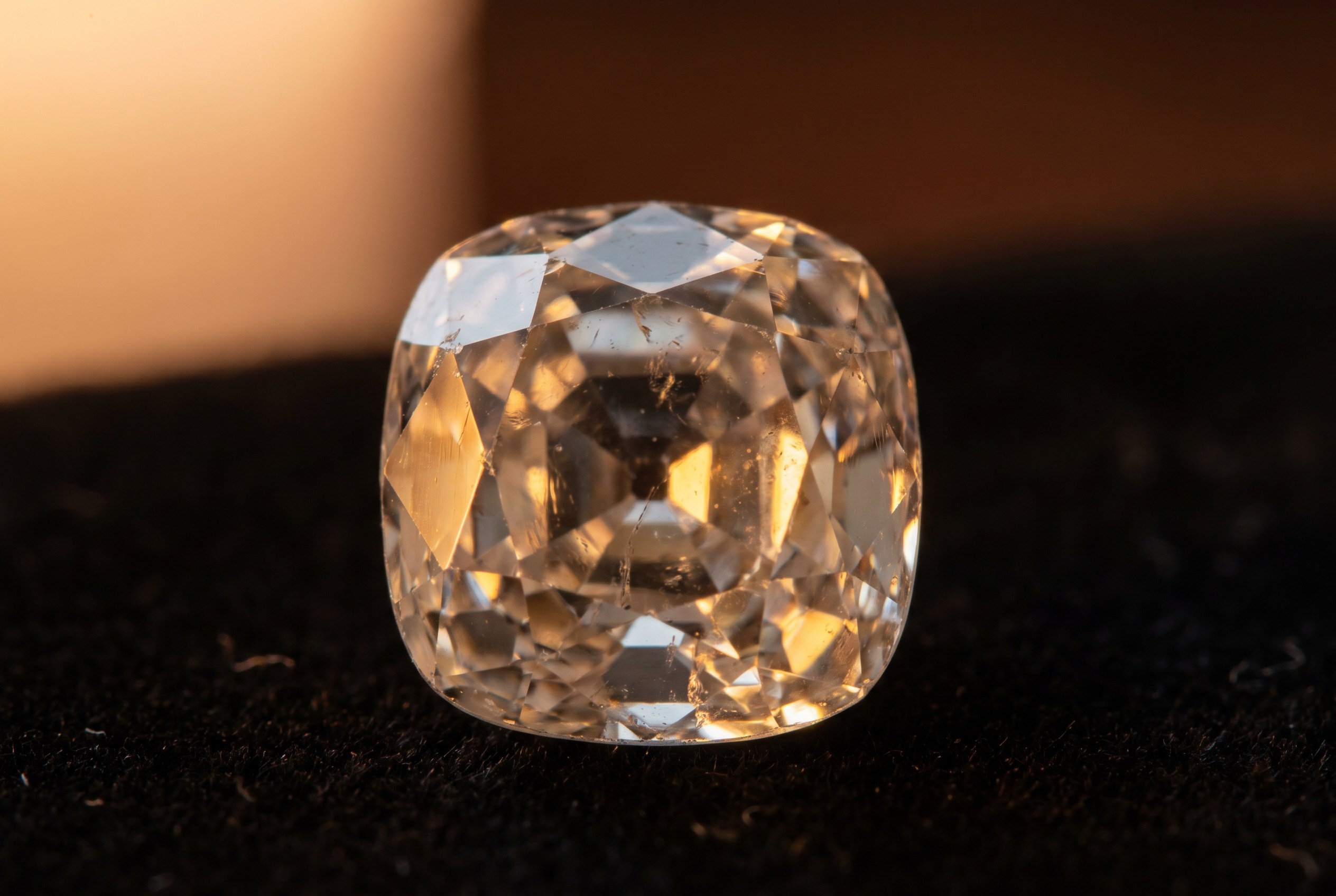
Every old mine cut diamond was shaped by hand, by candlelight, before machines standardised the modern brilliant. For decades the trade treated them as raw material for recutting. That has reversed — old mine cuts are now among the most wanted stones in the market, and if you own one, that reversal matters to your wallet.
Quick answer: what is an old mine cut diamond?
An old mine cut is the dominant diamond cut of the 18th and 19th centuries: a cushion-shaped, hand-cut brilliant with a small table, high crown, deep pavilion and a large flat facet (an open culet) visible through the top.
They glow rather than flash — cut to come alive in candlelight — and in 2026 they are rising in value, with search interest up roughly 236% year on year and collectors actively paying premiums for original, unrecut stones.
Why old mine cuts are booming in 2026
Three forces converged. First, the vintage and estate jewellery revival — the same wave lifting brooches and signets — has buyers wanting stones with history and character, not laboratory-perfect symmetry. Second, social media: TikTok and Instagram have fallen for the old mine cut's soft, candle-flame sparkle, and 'old mine cut' searches are up around 236% year on year. Third, supply is fixed: nobody has made an old mine cut since roughly the 1890s, and every one recut into a modern brilliant over the past century permanently shrank the pool. Rising demand, shrinking supply — the direction is not mysterious.
Old mine vs old European vs transitional vs modern brilliant
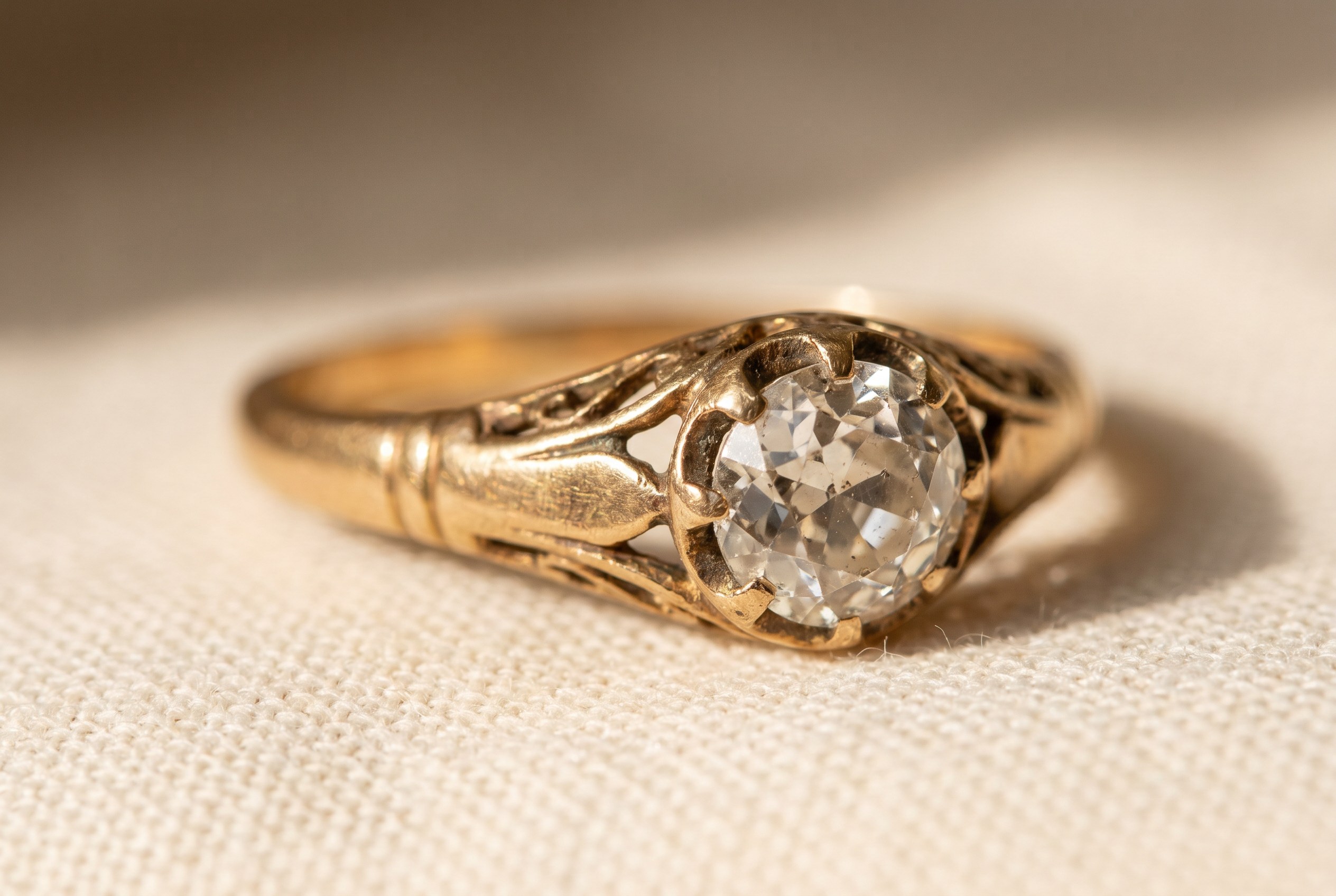
The four cuts most often confused, in the order they evolved:
| Cut | Era | Shape | Telltale signs |
|---|---|---|---|
| Old mine cut | c.1700s–1890s | Cushion / squarish | Small table, high crown, large open culet, hand-cut irregularity |
| Old European cut | c.1890s–1930s | Round | Round outline, still a high crown and open culet, chunky facets |
| Transitional cut | c.1920s–1940s | Round | Lower crown, smaller culet — halfway to modern proportions |
| Modern brilliant | c.1950s–today | Round | 58 precise facets, no visible culet, machine symmetry, white flash |
Reference characteristics — individual stones vary, especially hand-cut ones. See our full guides to each cut linked below.
Deeper dives on each: old mine cut, old European cut and transitional cut in the glossary, plus the wider diamond shapes guide and our blog on the most valuable diamond cut. For the even older, flat-backed style, see rose-cut diamond rings.
How to identify an old mine cut
- Look through the top for the culet. The single biggest tell: a small octagonal 'window' at the centre of the stone — the large flat facet on the point of the pavilion. Modern brilliants show a point, not a facet.
- Check the outline. Old mine cuts are cushion-shaped or squarish with rounded corners — never perfectly round. A round stone with an open culet is more likely old European.
- Judge the proportions. Small table, tall crown, deep body. Side-on, an old mine cut looks noticeably 'taller' than a modern stone.
- Embrace the irregularity. Slightly uneven facets, an off-centre culet, a wonky girdle — these are fingerprints of hand cutting, not flaws.
- Watch the light. Big, slow flashes of rainbow fire in low light, rather than the modern brilliant's constant white sparkle.

Why they're worth more than modern buyers pay
Here is the part that costs sellers real money. Many general buyers — pawn shops, cash-for-gold operations, even some jewellers — still price an old mine cut the old way: as a candidate for recutting. They estimate what the stone would weigh as a modern brilliant (typically 20–40% less), value that smaller stone, and offer accordingly. That approach is decades out of date. Collectors and antique dealers now pay a premium for original old mine cuts — the antique cut is the point, not the problem — and an original stone in its original Georgian or Victorian mount is worth more still. If a buyer talks about your antique diamond in terms of 'recut yield', walk away and get a second opinion from someone who trades antique stones.
What old mine cut diamonds are worth
As a working guide: smaller old mine cuts (under half a carat) in period jewellery trade briskly and add charm value to the piece. Stones of 0.5–1 carat typically run £1,000–£4,000+ depending on colour and clarity; 1–2 carat examples commonly £3,000–£10,000+; and large, well-preserved stones command strong five figures, especially with warm 'old stone' character and no damage. Original antique mounts add value; certificates help but period stones are often uncertificated — a specialist grades them by hand.
Think you own one? Find out what it’s worth.
Old-cut diamonds are exactly where sellers get underpaid — a stone priced as 'recut weight' by a generalist can be worth dramatically more to a collector. Send us a photo for a free, no-obligation valuation from specialists who buy antique diamonds as antiques.
✓ Free expert valuation in 24h ✓ Same-day payment ✓ 10,000+ items traded · 5★ rated
Old-cut pieces from our collection
A live selection of the old-cut and rose-cut diamond jewellery we currently have in stock:

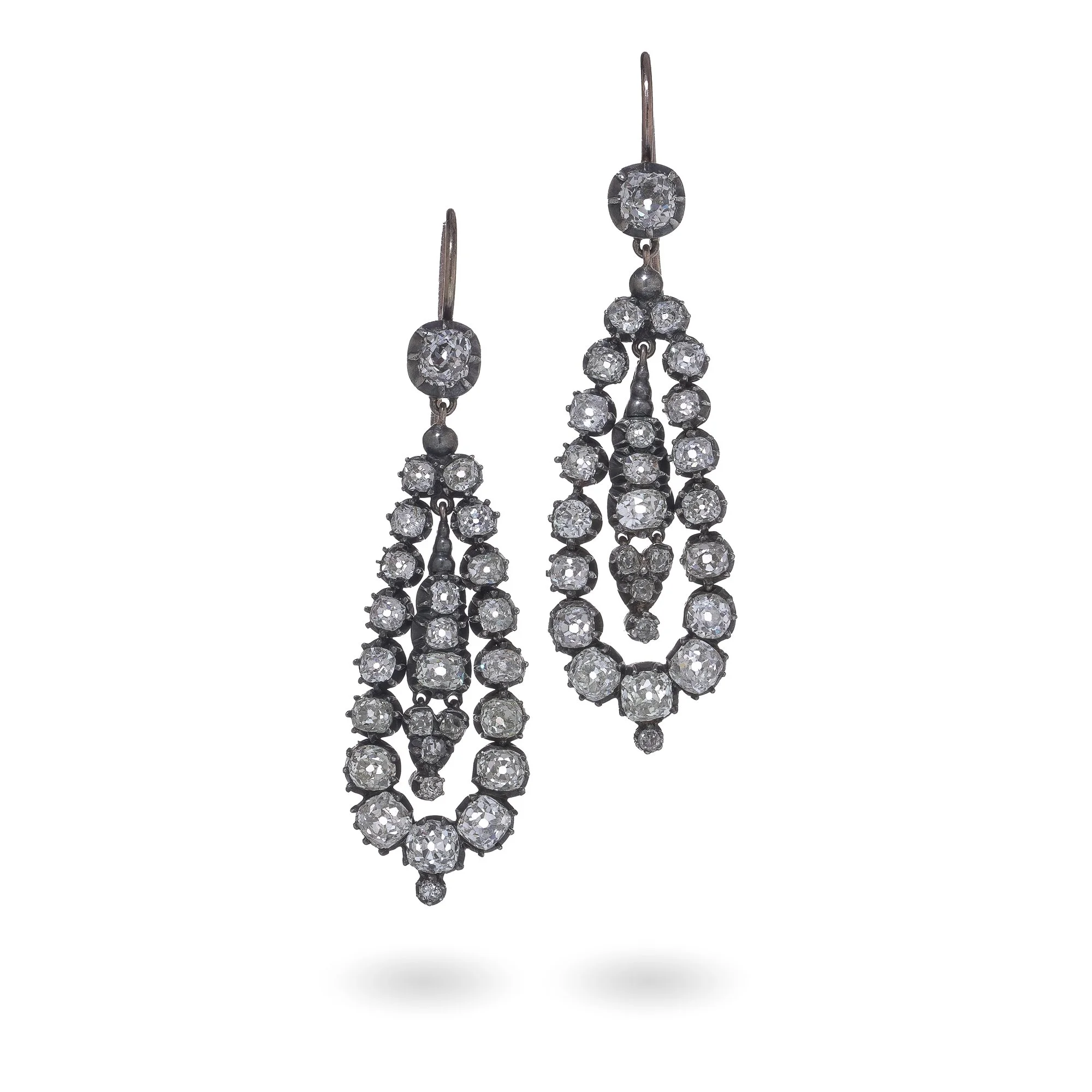
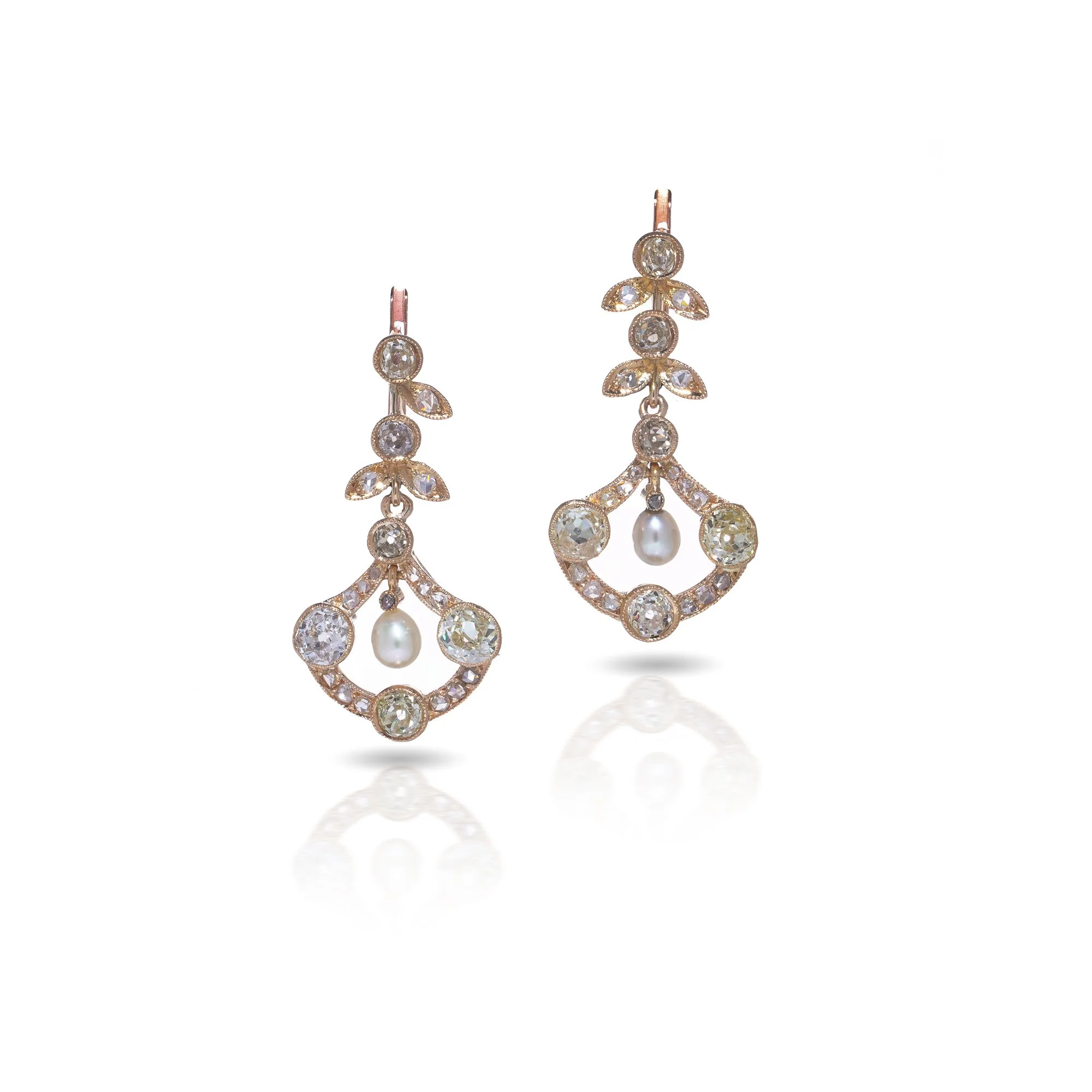
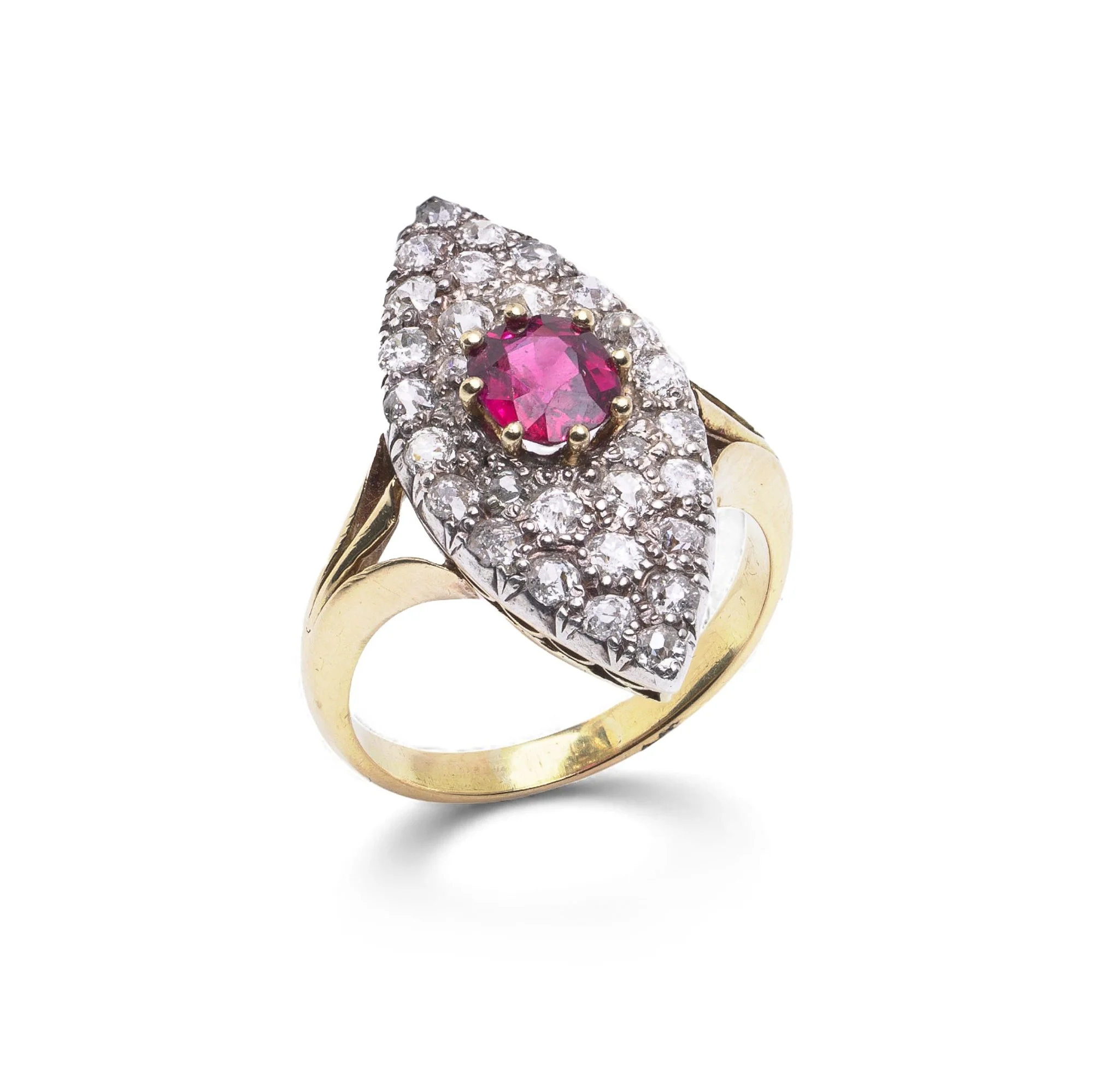
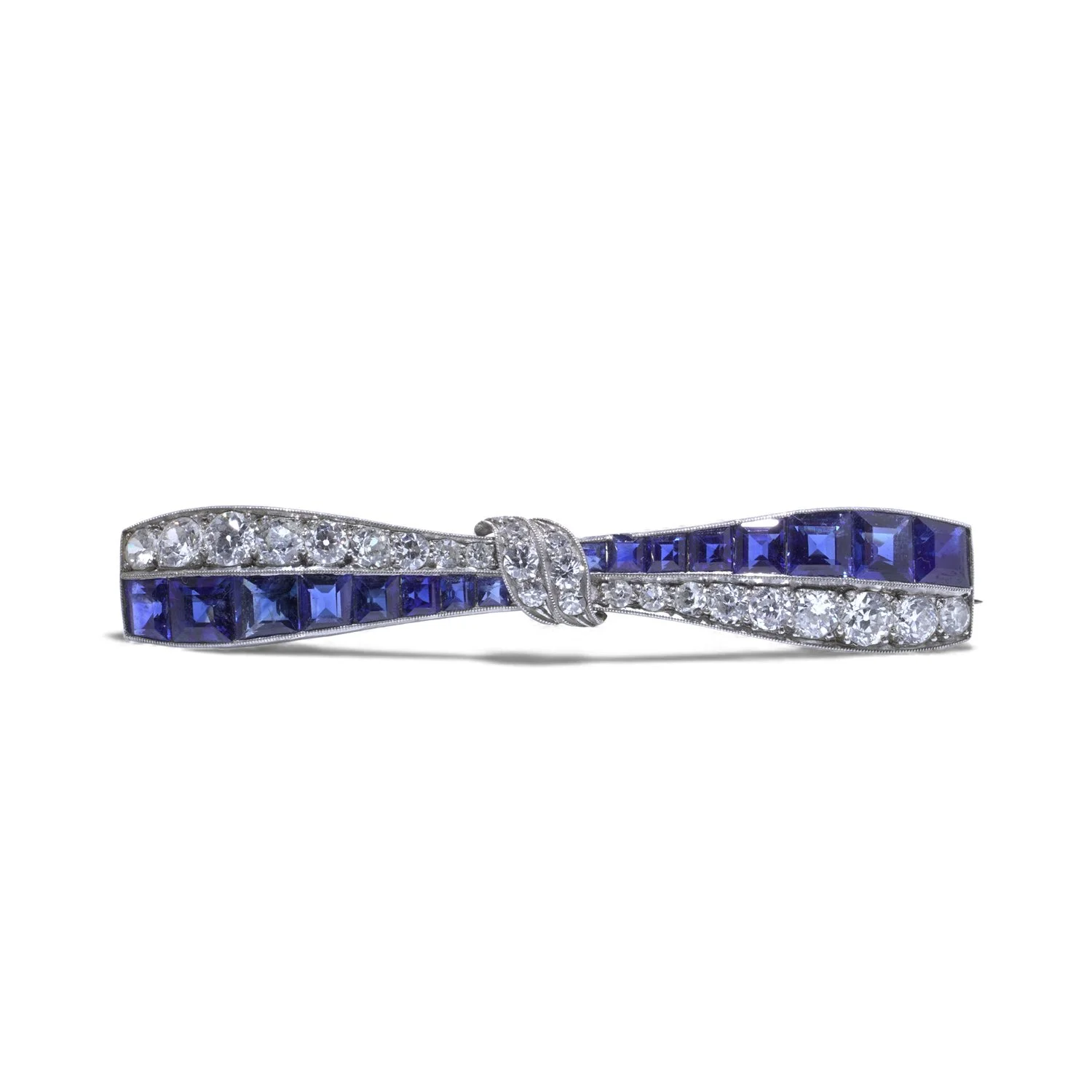
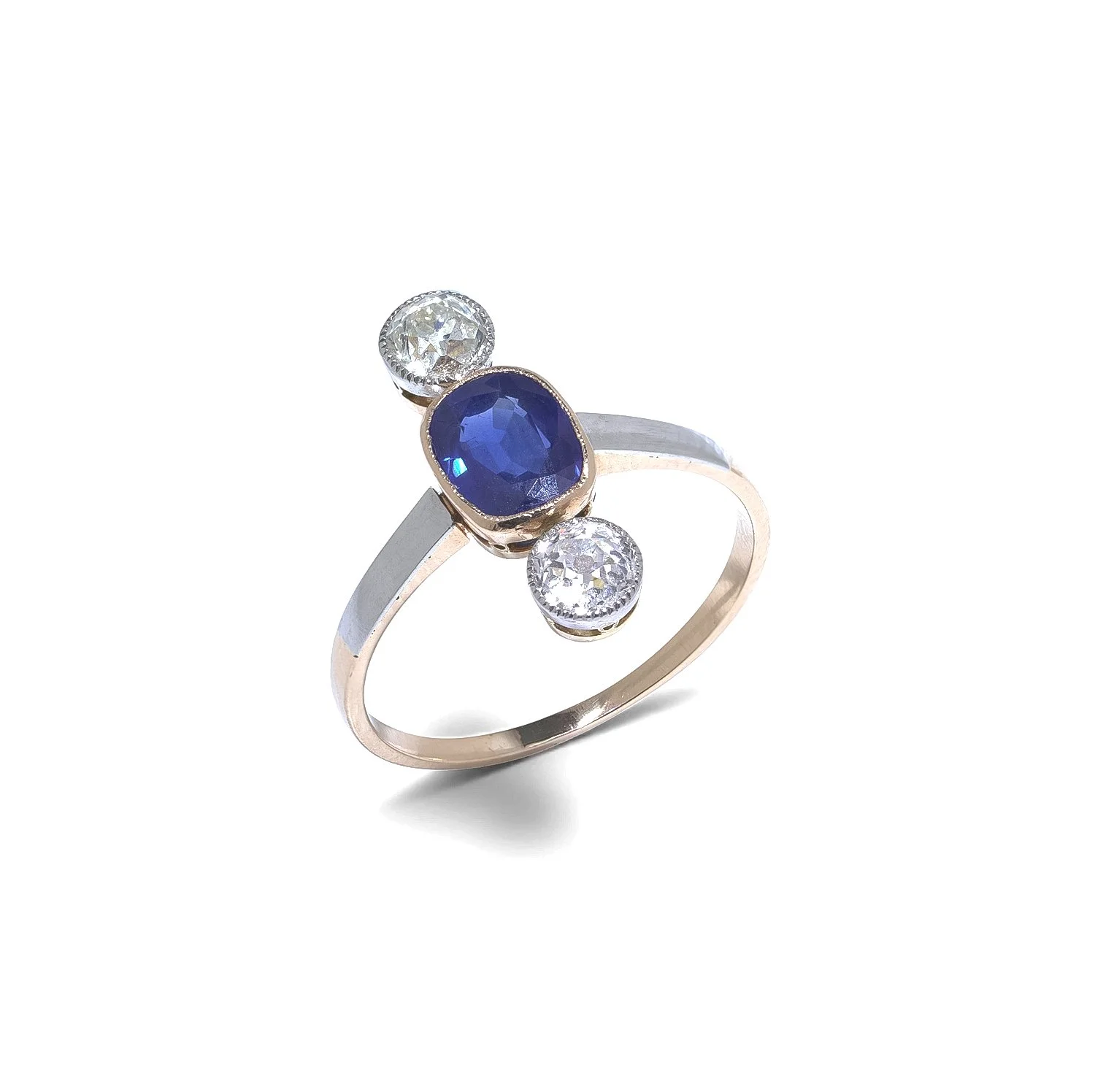
Browse the full old-cut diamond jewellery collection for more.
Explore Further
Frequently Asked Questions
Old mine cut diamonds, identified and valued.
What is an old mine cut diamond?
The dominant diamond cut of the 18th and 19th centuries: a cushion-shaped, hand-cut brilliant with a small table, high crown, deep pavilion and a large open culet visible through the top. Each was cut by hand, so no two are identical.
How do I identify an old mine cut diamond?
Look through the top for a small octagonal 'window' at the centre (the open culet), check for a cushion-shaped rather than round outline, tall proportions, and slightly irregular hand-cut facets. In low light it gives big, slow rainbow flashes rather than constant white sparkle.
Are old mine cut diamonds worth more than modern cuts?
Increasingly, yes — carat for carat, a fine original old mine cut can now match or beat an equivalent modern brilliant, because supply is fixed and collector demand is rising sharply. Beware buyers who price them as 'recut yield'; that undervalues the stone badly.
What is the difference between old mine cut and old European cut?
Shape and date. The old mine cut (18th–19th century) is cushion-shaped or squarish; the old European cut (c.1890s–1930s) is its round successor, still with a high crown and open culet but a circular outline.
Should I recut an old mine cut diamond into a modern brilliant?
Almost never. Recutting loses 20–40% of the weight and destroys the antique character that collectors now pay a premium for. An original old mine cut, especially in its original mount, is usually worth more left exactly as it is.
Do you buy old mine cut diamonds?
Yes — mounted or loose, single stones or collections. We value them as antique stones at collector prices, not scrap. Free valuation by photo, form or WhatsApp, with same-day payment on agreement.