Old European Cut Diamonds: How to Identify One, and What They're Worth
How to recognise the round, hand-cut diamond of the Edwardian and Art Deco years, how it differs from old mine and modern cuts, what GIA calls it and what decides its value.
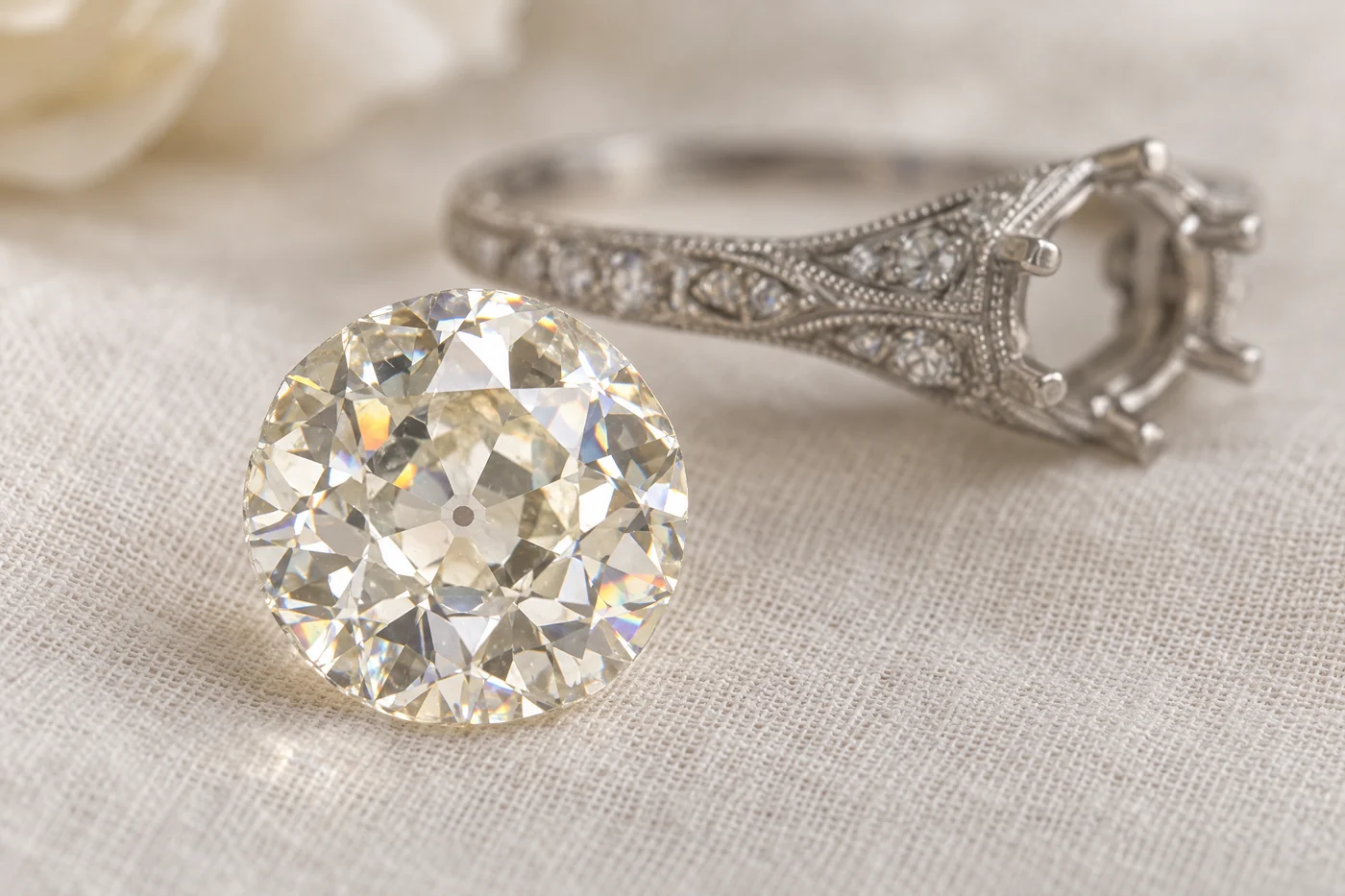
An old European cut is a round diamond cut by hand between about 1890 and the 1930s.
- Look for an open culet (a dot in the centre), a small table and a tall crown.
- Round means old European; cushion-shaped means old mine cut.
- GIA describes qualifying stones as old European brilliants and gives them no cut grade.
- Value rests on weight, colour, clarity and condition, plus the jewel it is set in. Never recut before a specialist has seen it.
In this article
What is an old European cut diamond, and where did it come from?
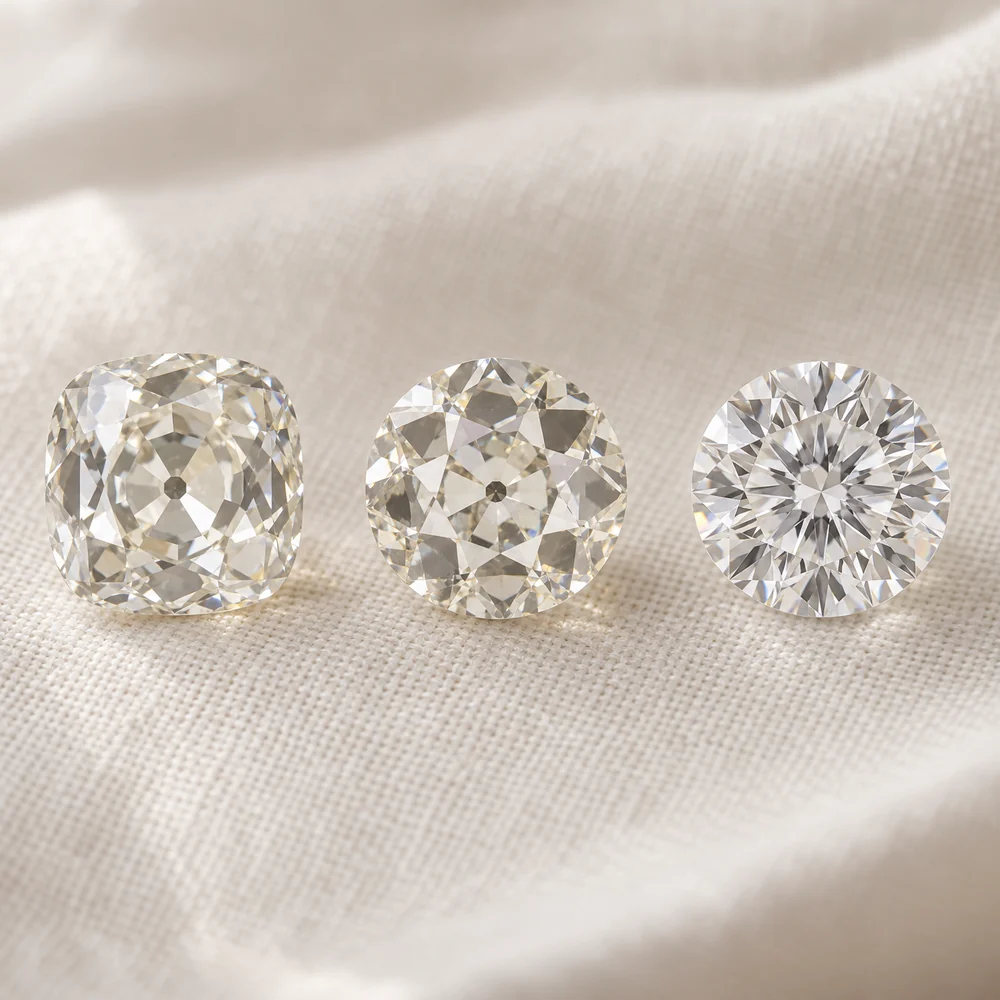
An old European cut is a round brilliant cut by hand between about 1890 and the 1930s.
It has the same basic plan as a modern round brilliant, but a smaller table, a taller crown, a deep pavilion and an open culet: a small flat facet at the point that you see as a dot when you look straight down into the stone.
It is the diamond in most late Victorian, Edwardian and Art Deco jewellery, and it sits between two other cuts that people often confuse it with.
| Cut | Made | Outline | How to tell |
|---|---|---|---|
| Old mine cut | 1700s to about 1890s | Cushion, squarish | Large culet, high crown, often lopsided |
| Old European cut | About 1890 to the 1930s | Round | Open culet, small table, high crown |
| Transitional cut | About 1920s to 1940s | Round | Smaller culet, lower crown, longer facets |
| Modern round brilliant | From the mid 20th century | Round | Pointed culet, larger table, fine even sparkle |
Our glossary entry has the one-line definition, and the old mine cut guide covers the cushion-shaped cut that came before.
Where it came from
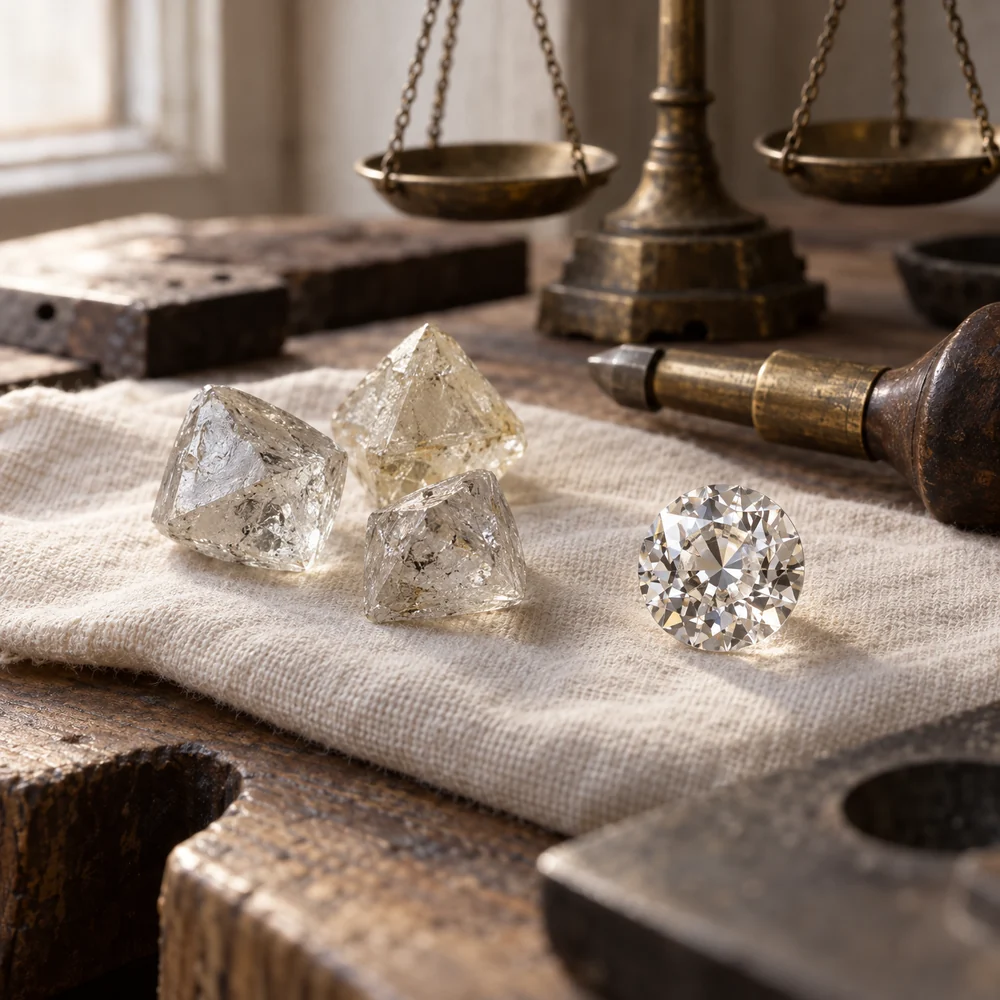
- 1867: South Africa
Diamonds are found in South Africa, and far more rough reaches the cutters of Europe and America.
- 1874: the bruting machine
Henry Morse and Charles Field patent a steam-driven bruting machine in the United States, making a truly round stone practical.
- About 1890 to the 1930s
The round old European cut becomes the standard diamond, still cut by eye to keep as much weight as possible.
- 1919: Tolkowsky
Marcel Tolkowsky publishes Diamond Design, calculating proportions for maximum brightness. The modern round brilliant follows from his figures.
- 1920s to 1940s
Transitional cuts mix old and new: smaller culets, flatter crowns.
In the jewellery of the period
Bruting is the grinding of the outline, and the machine is why old European cuts are round where the older old mine cuts are cushion-shaped.
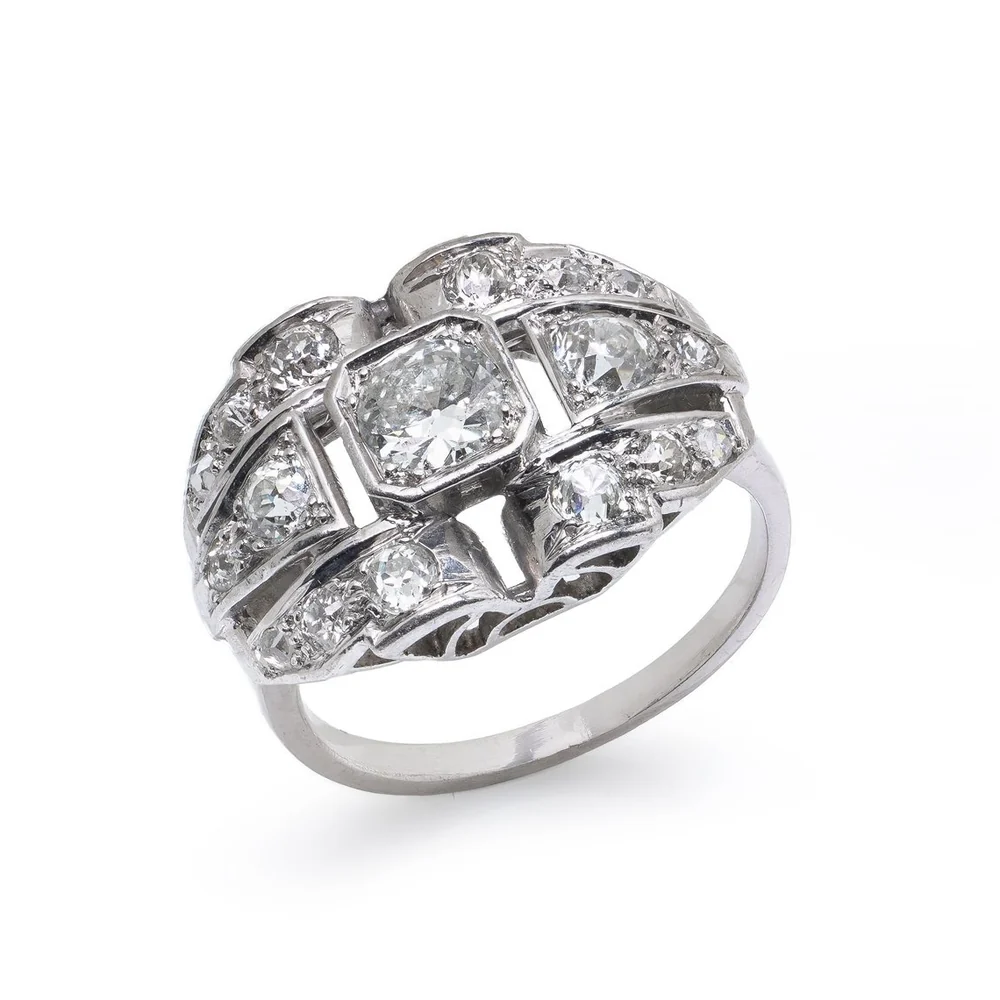
This Art Deco platinum ring of about 1920 is set with 17 old European cut diamonds, 1.55 ct in all, around a centre stone of about 0.50 ct.
How to identify an old European cut: four signs
Seen face up and in profile, an old European cut differs from a modern brilliant in a few clear places. Check them in this order, by eye and then with a 10x loupe.
An open culet: a dot in the centre
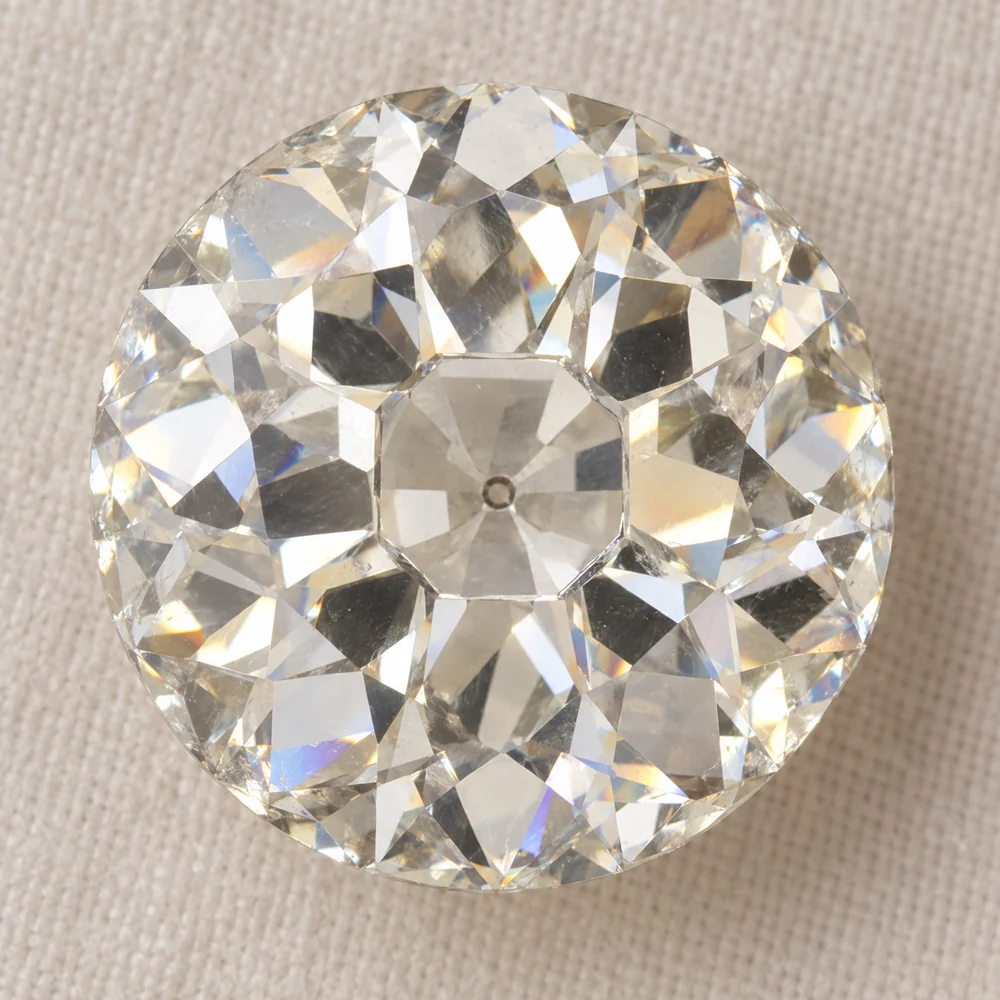
Look straight down. A small round or octagonal dot in the middle of the stone is the open culet, seen through the table, which is 53% of the width or less. A modern brilliant comes to a point, so its centre looks dark and pinched instead.
A tall crown
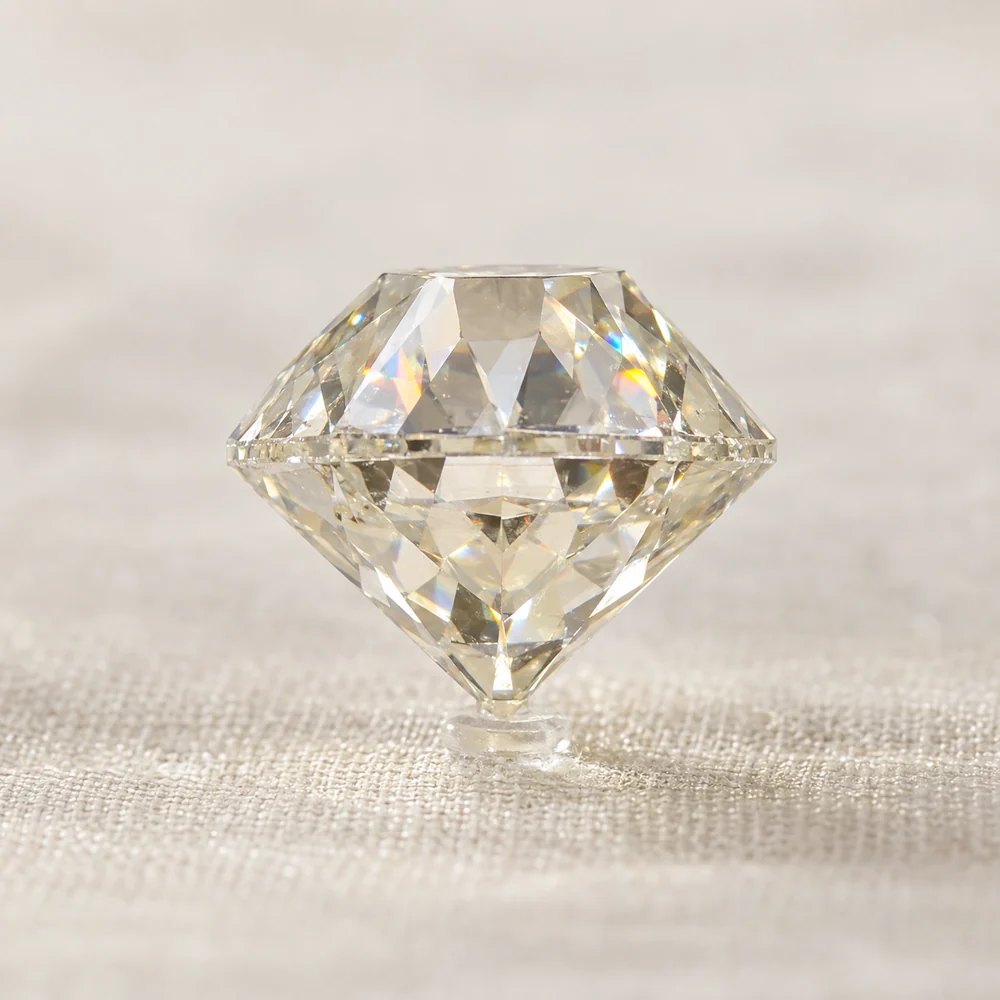
Look from the side. A crown rising steeply from the girdle to a small table is the clearest sign of an early cut: 40 degrees or more, against about 34 to 35 degrees in a modern brilliant.
Broad, blocky facets and a hand-made outline
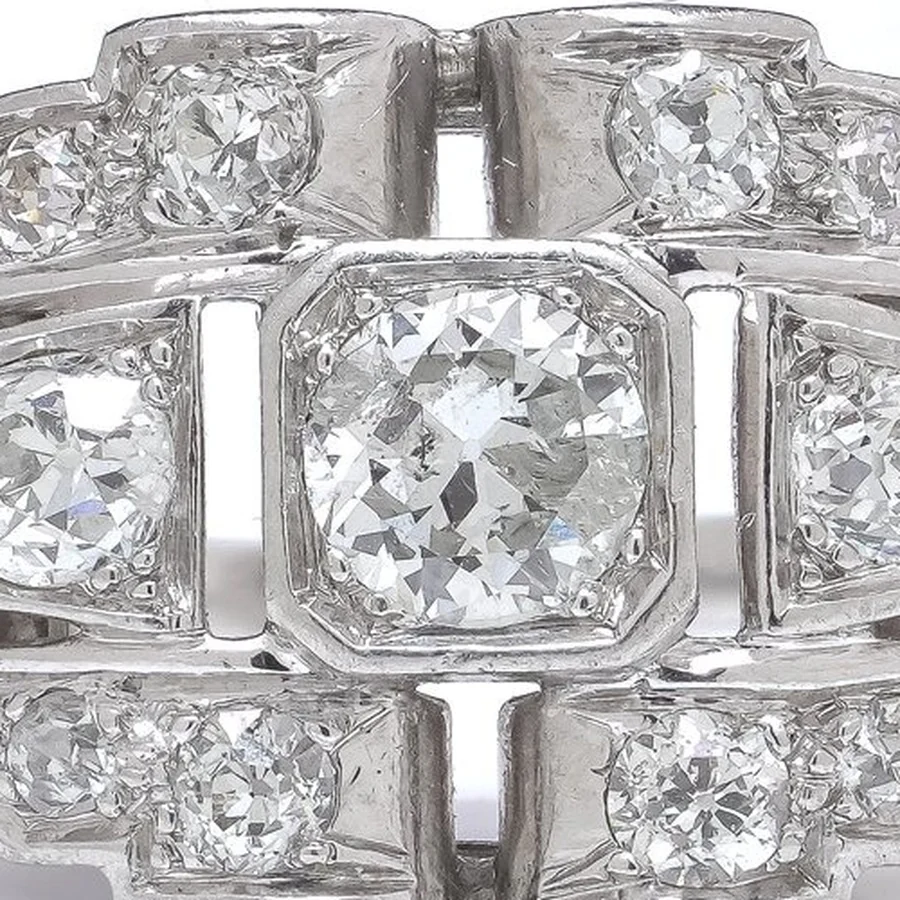
Under a loupe, short lower half facets make broad, blocky segments around the culet, where a modern stone shows long, thin, star-like ones. Old cuts are often slightly out of round, and the girdle is often left bruted, with a fine frosted texture. A new stone cut in the old style is usually perfectly round.
Big flashes rather than glitter
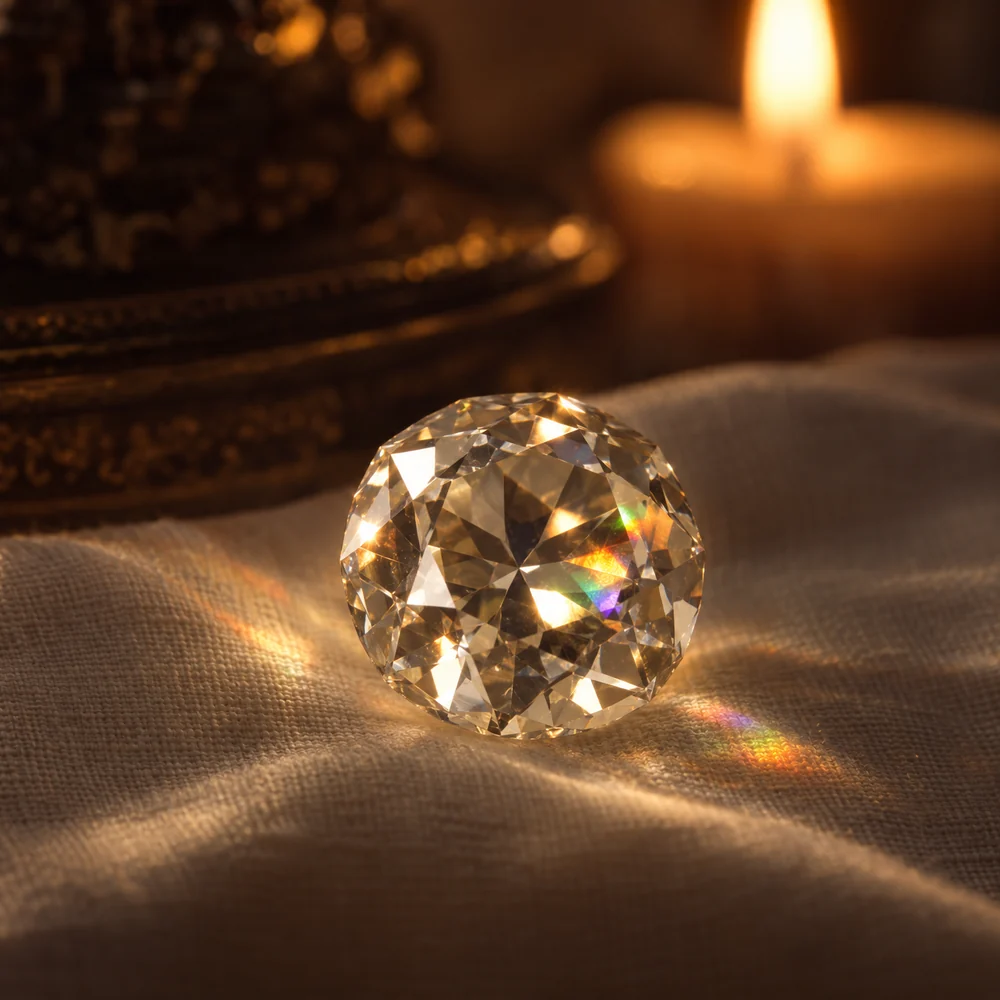
An old European cut does not sparkle like a modern diamond, and that is the point of it. Its short lower facets split light into fewer, larger pieces, with plenty of fire from the tall crown. Cutters of the period worked to keep weight and cut for the light they had: candles, gas and early electric bulbs. Many old cuts are also warmer in colour than modern stones.
The measurements
| Old European cut | Modern round brilliant | |
|---|---|---|
| Table | 53% of the width or less | About 53% to 60% |
| Crown angle | 40 degrees or more: a tall crown | About 34 to 35 degrees |
| Lower half facets | 60% of the way to the culet or less: short | Long, reaching most of the way |
| Culet | Open: slightly large or larger | Pointed, or very small |
| Outline | Round, often slightly out of round | Precisely round |
Old European cut limits: GIA's identifying criteria, as reported by National Jeweler. Modern figures: Tolkowsky's 1919 proportions (table 53%, crown 34.5 degrees) and today's usual range.
For why collectors now prefer that look, see old-cut diamonds: why collectors pay a premium. Not sure the stone is a diamond at all? Start with how to tell if a diamond is real.
What a GIA report calls it, and the recutting debate
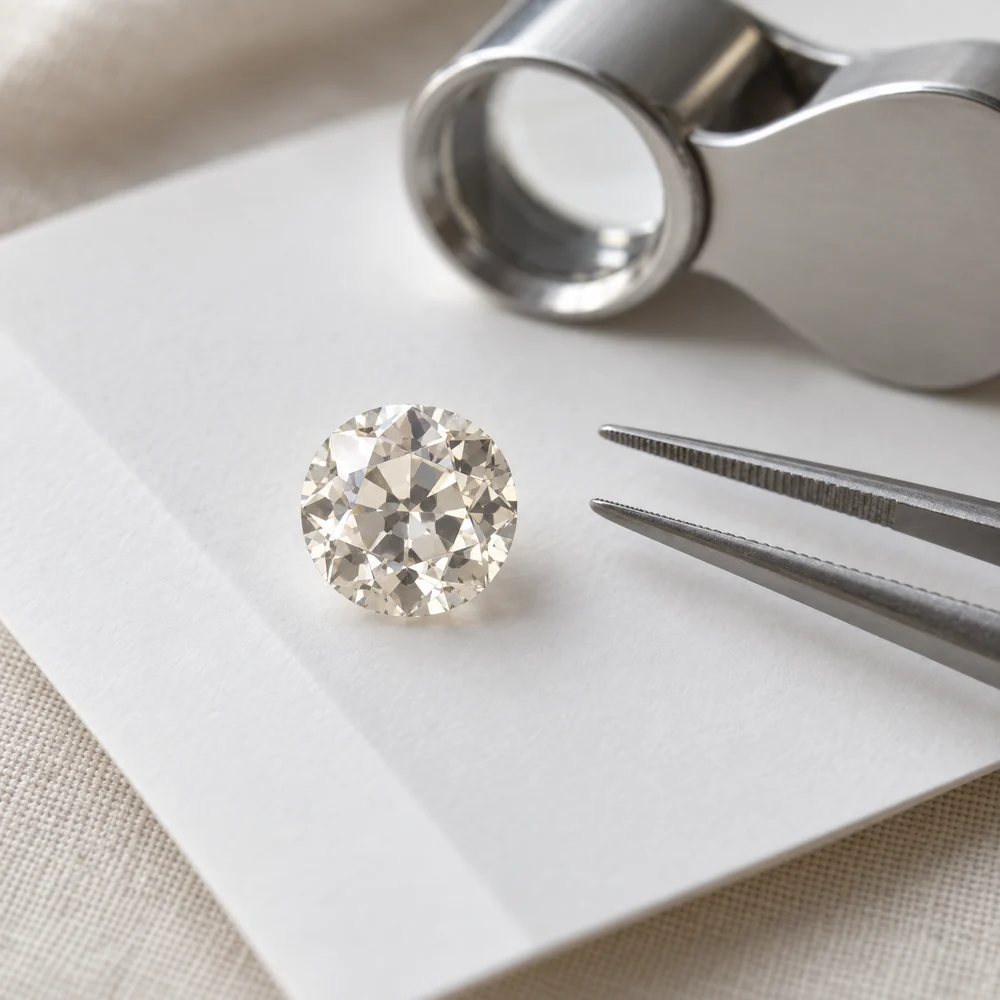
GIA introduced cut grades for round brilliants in 2006, and an old European cut judged as a modern stone would score badly. So GIA identifies old European cuts separately. A stone qualifies if it meets three of these four limits:
- Table 53% of the width or less
- Crown angle 40 degrees or more
- Lower half facets 60% or less
- Culet slightly large or larger
Stones that qualify are described as old European brilliants and receive no cut grade, only colour, clarity, polish and symmetry. Since October 2015 GIA has also used "circular brilliant" for round stones that are clearly old but fall just outside the limits, for example with a slightly larger table.
National Jeweler reports the criteria, and the dealers who find them too strict.
The recutting debate
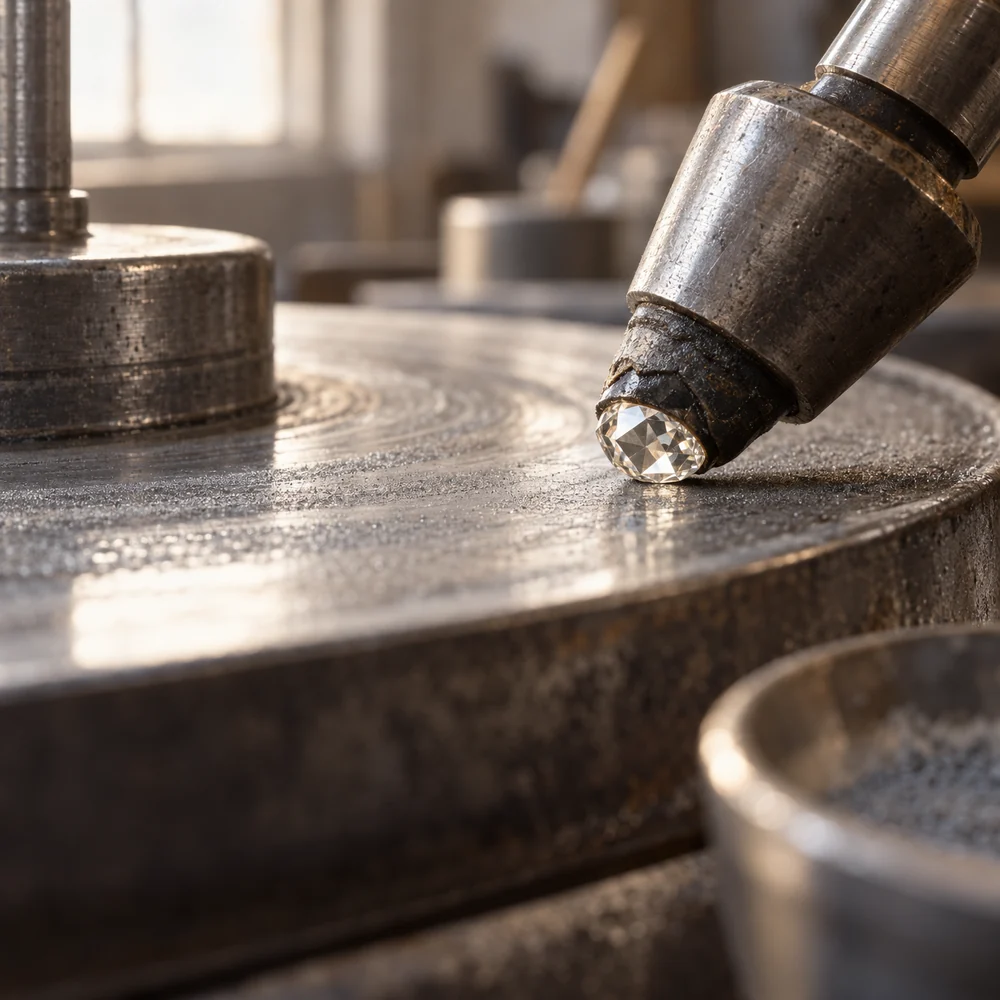
For much of the 20th century old cuts were routinely recut into modern brilliants. Today the trade is split, and the decision cannot be undone.
Our view: never let a stone be recut until a specialist in antique diamonds has seen it. An original old European cut in its period mount is often worth more as it is.
| Keep it as it is | Recut it | |
|---|---|---|
| Weight | Keeps every point | Always loses weight, how much depends on the stone |
| Look | Broad, warm flashes | Brighter, finer sparkle |
| Grading | No GIA cut grade | Can earn a modern cut grade |
| Buyers | Antique and vintage collectors | Buyers who want a modern stone |
What old European cut diamonds are worth
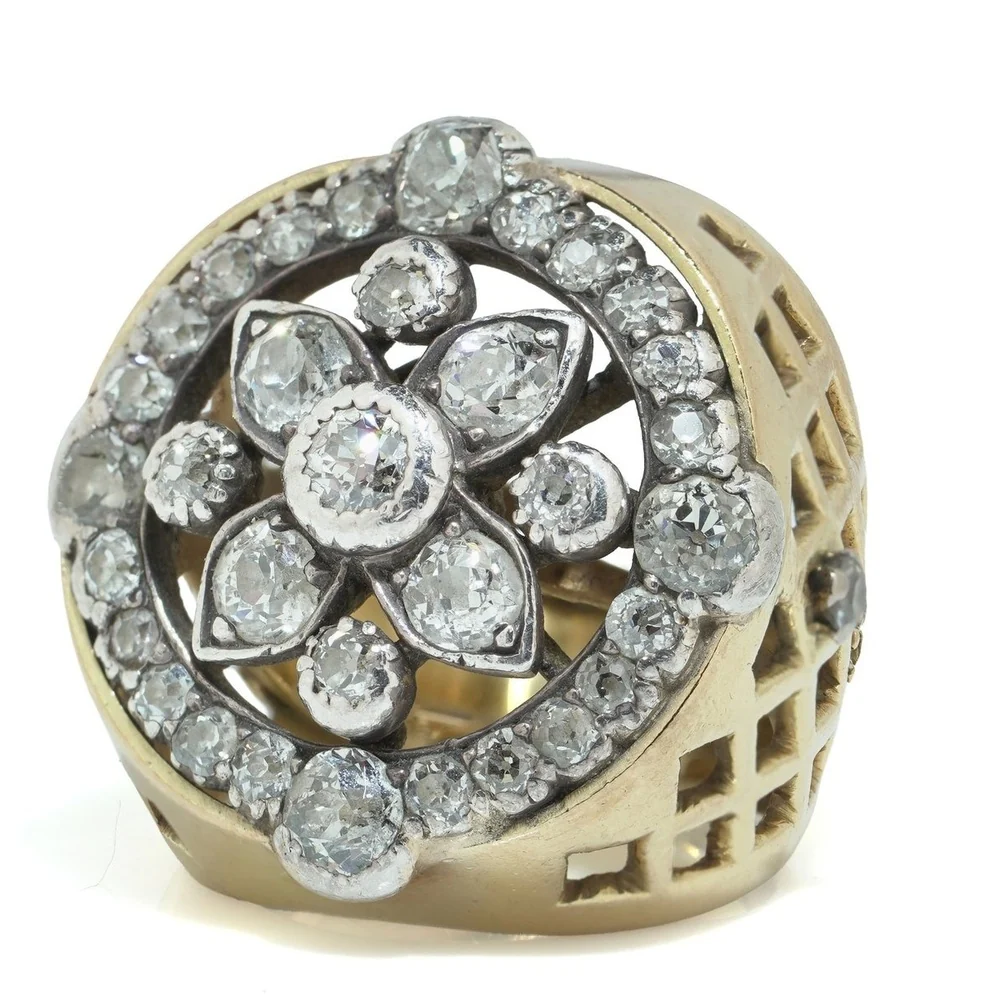
Old European cuts are valued on the same four Cs as any diamond, with the cut judged against its own period. What moves the price:
- Weight. Stones over a carat are scarcer. The tall crown can make an old cut look smaller face up than a modern stone of the same weight.
- Colour and clarity. Whiter, cleaner stones fetch more, but warm colours suit the cut and are widely accepted.
- Cut and condition. A symmetrical stone with a neat culet beats a lumpy one; thin girdles chip.
- The jewel and paperwork. Period, maker, metal and design often matter as much as the stones. A GIA report adds confidence for a large stone.
Examples in our collection, October 2026
| Piece | Old European cuts | Price |
|---|---|---|
| Early 20th-century cluster ring, 18ct gold | 33 diamonds, 2.60 ct, H colour, SI | £3,450 |
| Art Deco ring, platinum, about 1920 | 17 diamonds, 1.55 ct, centre 0.50 ct, F to G, SI1 | £4,980 |
| Victorian natural pearl cluster ring, 18ct gold | 9 diamonds, 2.70 ct, G to H, VS, around a natural pearl | £8,950 |
| Early 20th-century five-stone ring, 18ct gold | 4 diamonds, 0.40 ct, with three rubies of 1.65 ct | £9,850 |
Our asking prices on 2 October 2026, for the whole jewel. Weights, colours and clarities are careful estimates, not laboratory certified. The pearl and ruby rings show how much the other stones and the period add.
Get a free quote for your old cut diamond
Buying tips, and new and lab-grown old European cuts
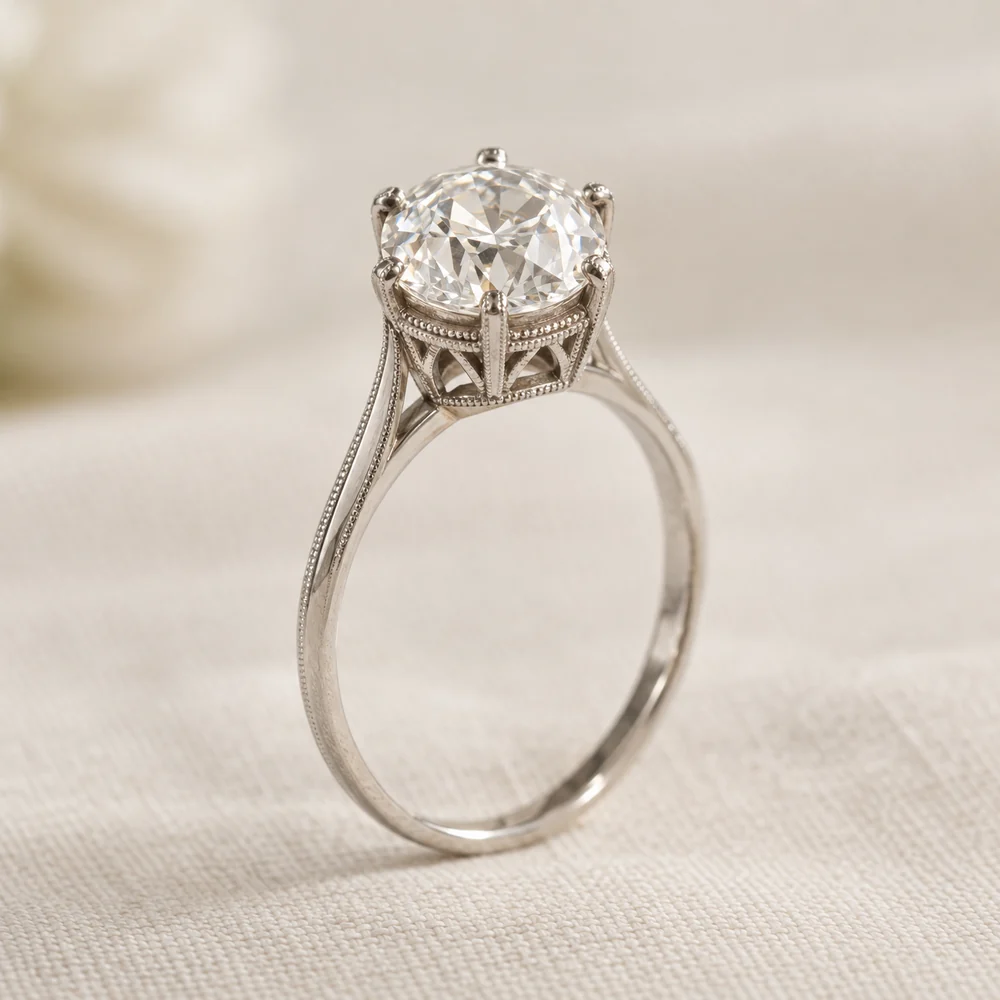
- Ask whether the weights are estimated or from a report, and get the estimate in writing.
- Look at the girdle and culet under a loupe for chips.
- For a centre stone over about a carat, ask for a GIA report or have one done.
- Confirm the metal. See is my ring platinum or white gold.
- Buy from a dealer who explains the stone. See how we authenticate antique jewellery.
New and lab-grown old European cuts
Demand has brought the cut back into production. Modern cutters now make old European style stones from natural rough and from lab-grown diamond, and a lab-grown "OEC" can look like the real thing to the eye.
- A new stone is usually perfectly round, with a crisp polished or faceted girdle.
- Lab-grown diamonds graded by GIA are laser-inscribed on the girdle as laboratory-grown, and the report says so.
- An old setting is good evidence, but stones can be reset, so test a valuable one.
Browse old-cut diamond jewellery, Art Deco engagement rings and vintage engagement rings, or read our antique engagement ring buying guide.
How we can help
We buy and sell antique diamond jewellery from our showrooms at 47 Maddox Street, Mayfair and in Braintree, Essex. We identify the cut, estimate the stones and value the whole piece, period setting included.
- Send photos
Face up, from the side and the back of the setting, plus any report. Use the form below or our free valuation form.
- Get an offer
Usually within 24 hours, with no obligation.
- Send or bring it
Insured postage, or an appointment. Call 01376 334482 or WhatsApp us.
- Get paid
By bank transfer the same day we receive and check the piece.
Selling? See sell Art Deco jewellery and sell Edwardian jewellery.
Send us photos for a quote
- Old European cut: round, hand-cut, about 1890 to the 1930s, with an open culet and a tall crown.
- Old mine cuts are cushion-shaped and older; modern brilliants have a pointed culet and a bigger table.
- Have one valued as it is before anyone suggests recutting.
Questions we are asked
What is an old European cut diamond?
A round brilliant cut by hand between about 1890 and the 1930s, with a small table, a tall crown, a deep pavilion and an open culet that shows as a dot in the centre when you look down into it.
How can I tell if my diamond is an old European cut?
Look straight down: a small round dot in the centre is the open culet. Then look from the side for a tall crown. A round outline means old European; a cushion shape means old mine cut.
What is the difference between old mine and old European cut?
The outline. An old mine cut is cushion-shaped and generally older, made from the 1700s to about the 1890s. An old European cut is round, made possible by the bruting machine patented in 1874.
Are old European cut diamonds worth more?
They are valued on colour, clarity and weight like any diamond, with the cut judged against its period. An original stone in its period setting is often worth more left as it is than recut.
Does GIA grade old European cut diamonds?
Yes, for colour, clarity, polish and symmetry. A stone meeting three of GIA's four criteria is described as an old European brilliant and receives no cut grade.
Should I recut an old European cut diamond?
Not before a specialist in antique diamonds has seen it. Recutting always loses weight, removes the stone's history and cannot be undone.
Can you get lab-grown old European cut diamonds?
Yes. Modern cutters make old European style stones from lab-grown and natural rough. A lab-grown stone with a GIA report is inscribed on the girdle and described as laboratory-grown.
Selling an old cut diamond?
Send photos face up, from the side and of any report. We buy antique diamond jewellery directly, and the valuation is free.
- We buy directly
- Free valuation from photos
- Appointments in Mayfair and Braintree
- Insured postage or collection
New pieces reach our list first: join the Mozeris list.