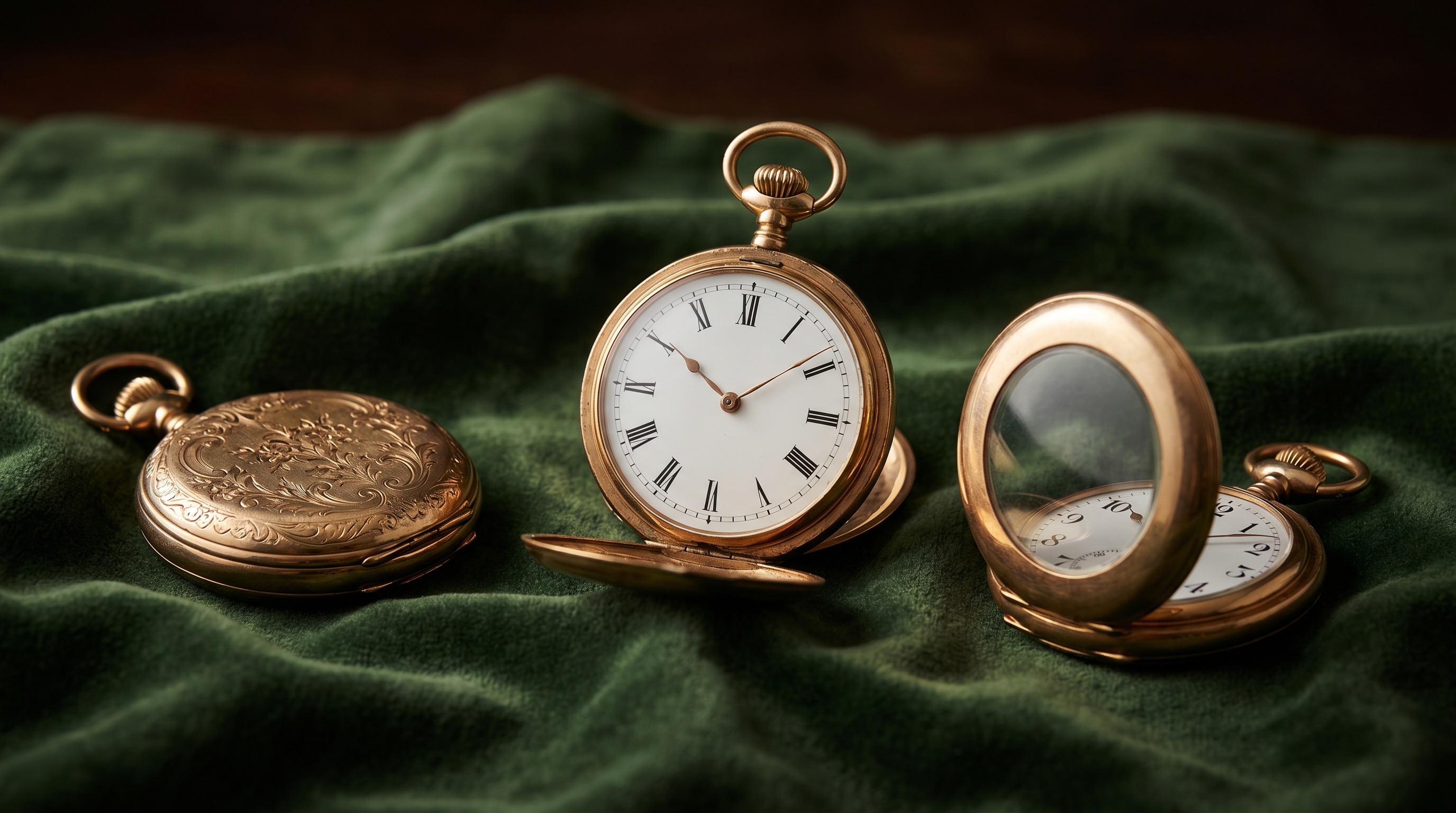
Full Hunter, Half Hunter & Open Face: Pocket Watch Cases Explained
The case is the first thing a collector reads on any pocket watch. Learn to tell a full hunter from a half hunter and an open face at a glance — and understand what each tells you about age, purpose and value.
Not Sure What Your Watch Is Worth?
Send us a photo for a free, no-obligation valuation — or simply ask for honest advice. Our specialists reply within one working day.
Pick up an old pocket watch and the very first decision a specialist makes is about the case. Does a lid cover the dial, and if so, does it have a window? That single observation sorts almost every pocket watch into one of three families — and each one carries its own clues about when the watch was made, what it was for, and how desirable it is today.
At Mozeris Fine Antiques we handle these watches constantly, and the case language is the foundation of every conversation. Here is how to read it, with the distinctions that genuinely matter to value.
The three case types
Full Hunter
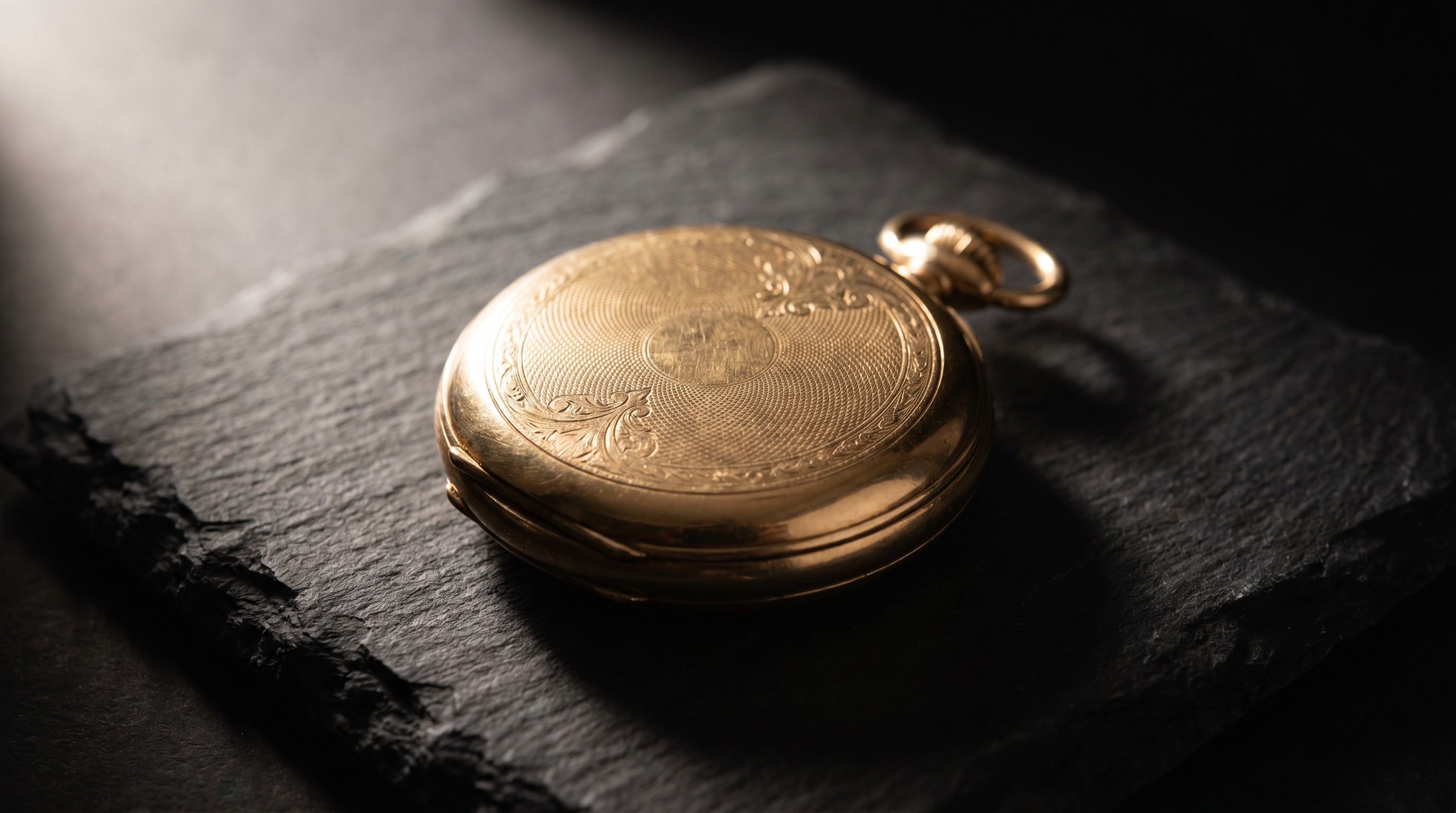
A solid, hinged metal cover closes completely over the dial, springing open when you press the crown. It protected the glass and the dial in a waistcoat pocket — and gave makers a canvas for engine-turning, engraving and crests. The most decorative of the three.
Half Hunter
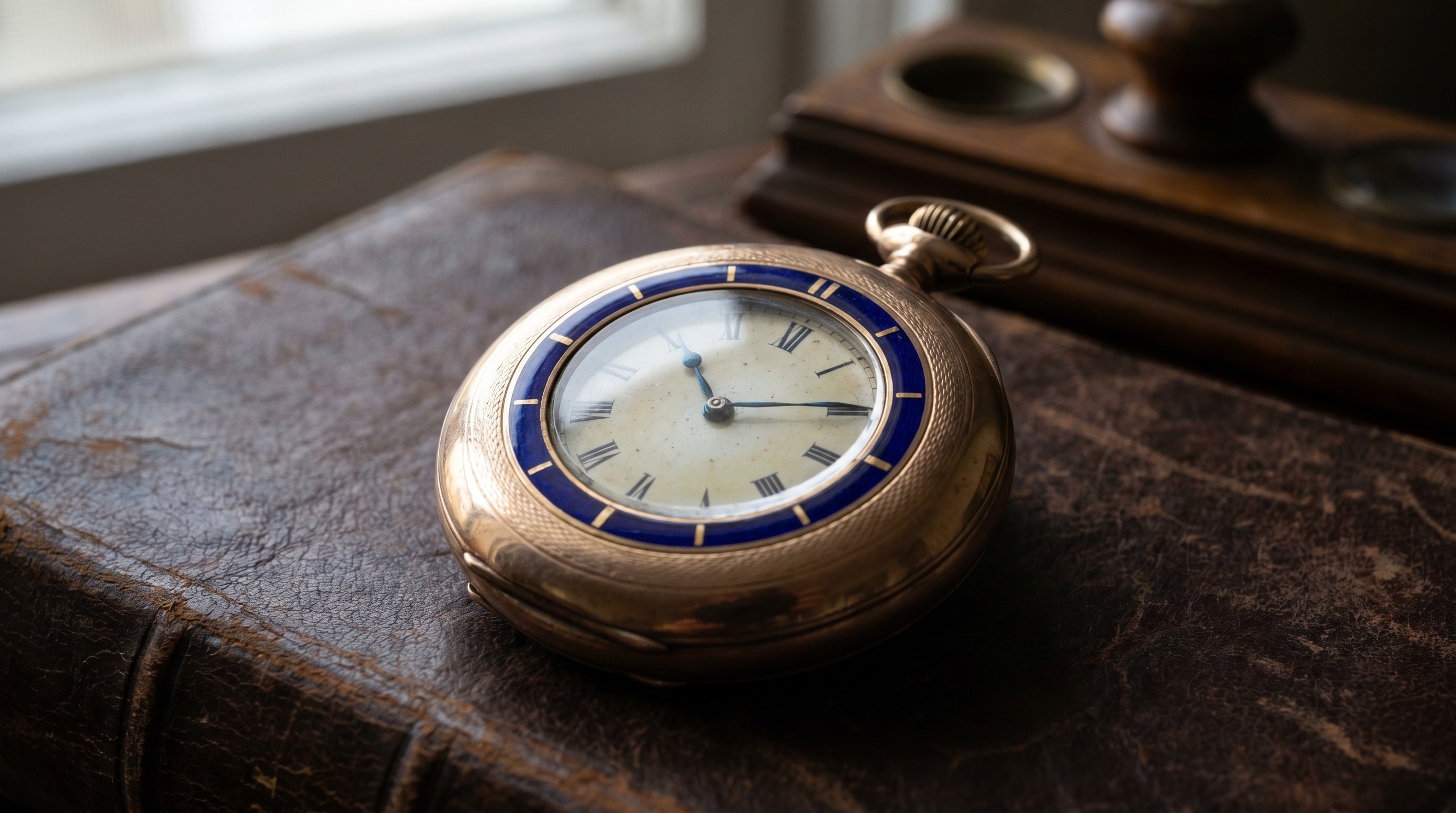
The cover has a small glazed window — usually surrounded by an enamel ring of numerals — so the time can be read without opening it. Sometimes called a "Napoleon". A refined compromise between protection and convenience.
Open Face
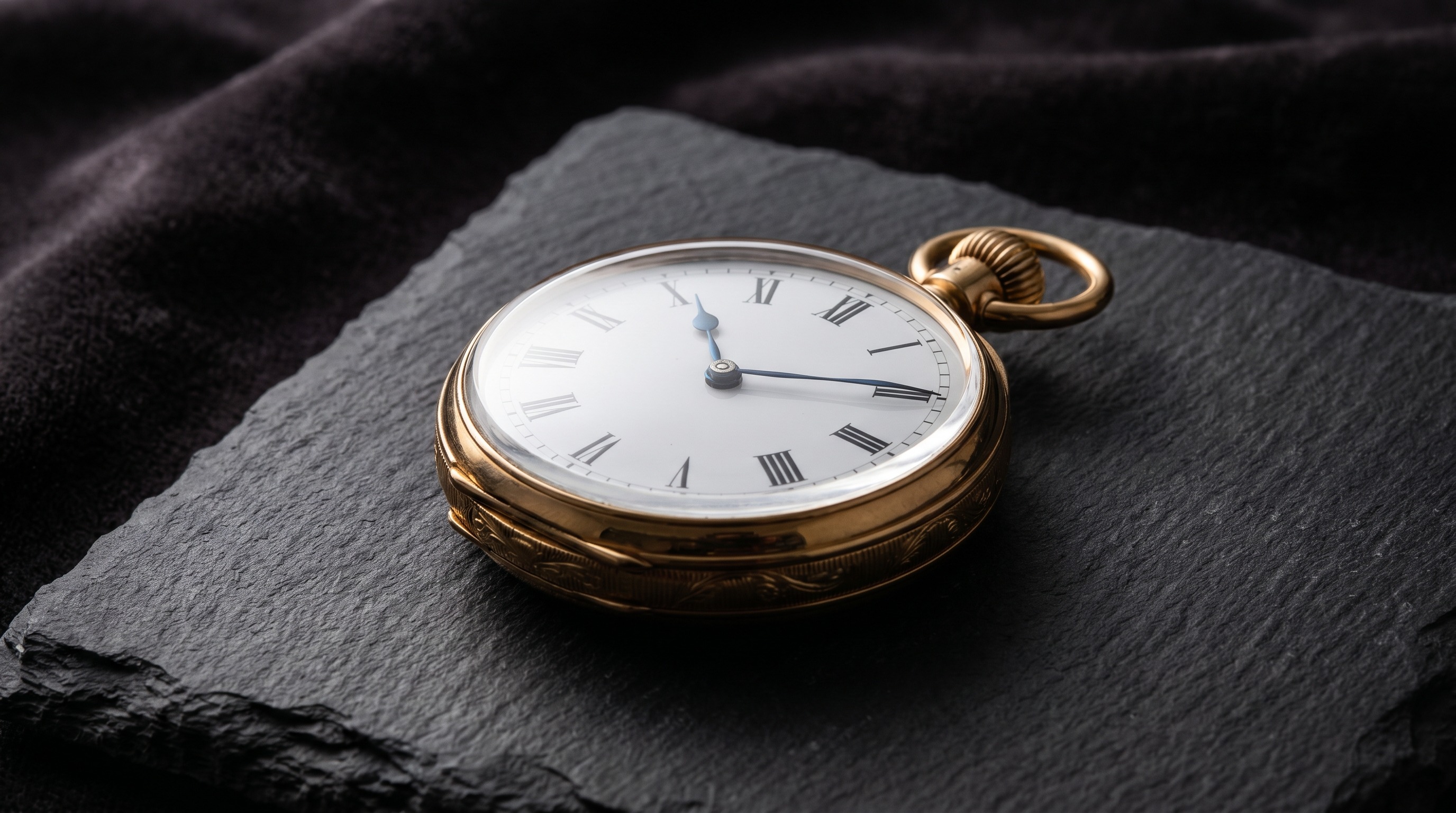
No cover at all: the dial sits permanently under glass. Favoured for dress wear and, famously, by the railways, where a cover slowed down checking the time. Clean, legible and understated.
The full hunter in detail
A full hunter's defining feature is the spring-loaded front cover. Press the crown and it flies open; the dial and crystal beneath are revealed unscathed. Because the cover is solid, it became the showpiece of the watch — antique gold full hunters often carry beautiful engine-turned guilloché, monograms or family crests, and a matching cover over the movement at the back (a "double hunter") is more desirable still.
The half hunter in detail
The half hunter solved an everyday irritation: you had to open a full hunter to tell the time. By cutting a circular glazed window in the cover and painting the hour numerals on an enamel ring around it, the maker let the owner read the hour through the window while the hands stayed protected. It is an elegant design, and good gold half hunters with crisp enamel rings are keenly collected.
The Open Face — and Which Is Worth More
An open-face watch wears its dial proud, with no cover at all. It was the choice for formal dress and for professions that needed the time at a glance — most famously the railways, whose regulations often demanded an open face for speed and clarity.
So which is most valuable? There is no fixed rule — value follows maker, gold content, movement and condition far more than case type. But in broad terms:
- Decoration — A full hunter's engraved gold cover adds metal and craftsmanship.
- Completeness — A hunter with an unbroken, undented cover and working spring is prized.
- Enamel — A half hunter with a perfect, uncracked enamel ring is hard to find.
- Originality — Matched, original cases (not "married" from parts) always command more.
Whatever the case, the gold hallmark inside and the maker of the movement ultimately decide the price.
Beyond the big three
A few rarer terms are worth knowing. A pair-cased watch — common in the 18th and early 19th centuries — has an inner case holding the movement and a separate outer case for protection, often over an early verge fusee. A demi-hunter is another name for the half hunter. A double hunter (or "full double hunter") has hinged covers front and back, so you can admire the movement as well as protect the dial.
Once you have placed the case, the next steps are the movement, the hallmarks and the maker. Our antique gold pocket watch identification guide walks through all four in order, and if you want to confirm the case is solid gold first, see our guide to telling solid gold from gold-plated. A watch paired with its original albert chain is more desirable again.
Identify & Value Your Pocket Watch
Send photographs of the case (open and closed), the dial and the marks inside the case-back. We'll identify it and give you an honest, no-obligation valuation.
⚠️ Strictly by appointment only — no walk-ins at either showroom.
Frequently Asked Questions
Common questions about pocket watch cases.
What is the difference between a full hunter and a half hunter?
A full hunter has a solid hinged cover that completely closes over the dial. A half hunter has a small glazed window set into the cover — usually with a ring of numerals around it — so you can read the time without opening it.
What is an open-face pocket watch?
An open-face watch has no cover over the dial at all; the dial sits permanently under glass. It was popular for dress wear and was the standard for railway use, where reading the time quickly mattered.
Is a hunter worth more than an open-face watch?
Not automatically. Case type influences value, but maker, gold content, movement quality, originality and condition matter far more. A fine open-face watch by a great maker easily outvalues an ordinary hunter.
What is a double hunter?
A double hunter (or full double hunter) has hinged covers on both the front and the back, allowing you to protect the dial and also view the movement through the rear cover. They are less common and often more desirable.
The spring on my hunter cover is broken — does that matter?
It affects value but rarely ruinously, and it is usually repairable by a watchmaker. Please don't force the cover. Have the watch valued as it is — a specialist factors the repair into the assessment.
Send Us Your Pocket Watch Photographs
Attach photos of the case, dial and case-back marks. We'll respond within one working day.