Engagement Ring Guides
How Much Should You Spend on an Engagement Ring?
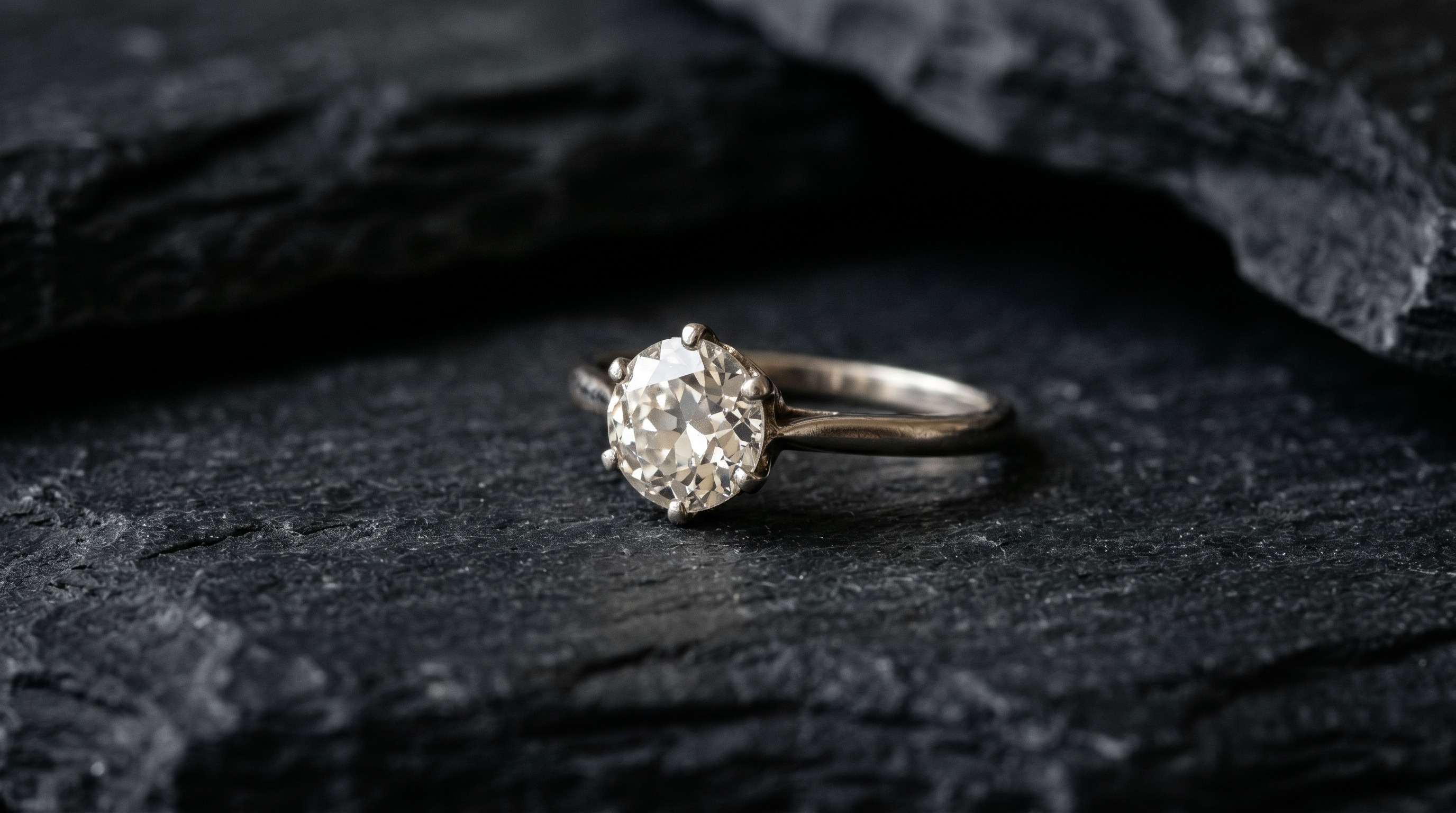
There is no correct amount to spend on an engagement ring. The old 'three months' salary' rule was a 1930s advertising slogan, not financial advice. Here is how to set a sensible budget — and why an antique ring often gives more for it.
The 'three months' salary' myth
The idea that you should spend a month's — then two, then three months' — salary was invented by a diamond advertising campaign in the 20th century. It is marketing, not a rule. Spend what is comfortable for your circumstances.
How to set a sensible budget
Decide a figure you can pay without debt, then prioritise what matters most to your partner — size, a particular stone, or a particular era. A clear budget makes choosing far easier. Browse by what you can spend with our engagement ring collection.
What actually affects the price
For diamonds, the 4Cs (carat, cut, colour, clarity) drive cost. A solitaire puts budget into one stone; a cluster or three-stone design spreads it for more visual size. Coloured stones can offer striking value next to diamonds.
Why antique rings give more for your money
Antique and vintage rings are not marked up like new retail, and they carry craftsmanship you cannot buy new. The same budget often buys a larger or finer antique ring than a modern equivalent — with more character.
Find a Ring for Your Budget
Browse antique and vintage engagement rings across every price point.
Frequently asked questions
There is no set amount. Ignore the 'three months' salary' rule — it was an advertising slogan. Choose a figure you can afford comfortably and prioritise what matters most to your partner.
No. It originated in a 20th-century diamond marketing campaign and has no basis in finance.
Often, yes. They avoid new-retail mark-ups and offer craftsmanship unavailable in modern rings, so the same budget can buy a finer ring.